

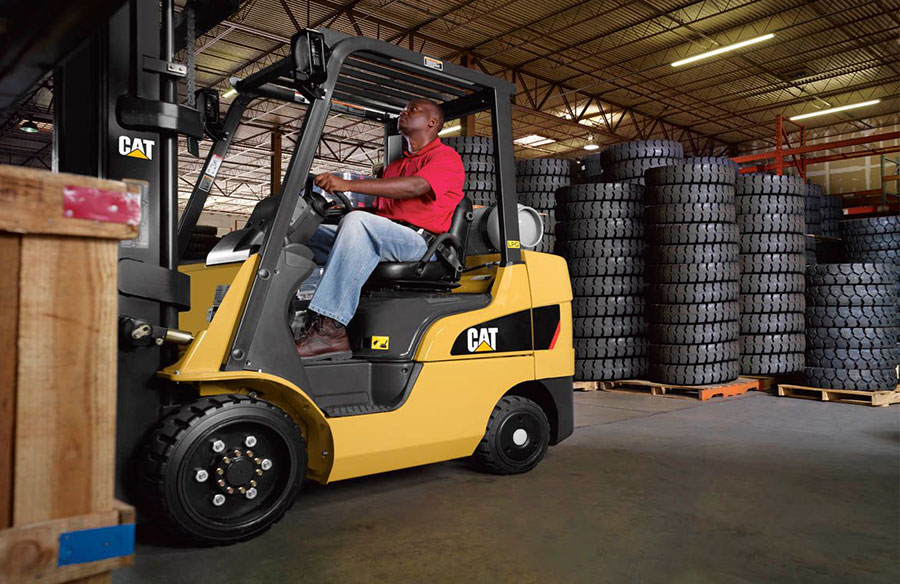
Buying a forklift is a big decision for any kind of business. Whether you are expanding your operations or replacing an old forklift, it’s essential to make an informed choice. In this article, you will learn the eight helpful and practical tips that will guide you through the process of purchasing a reliable forklift for sale.
1. Understand Your Needs
Before looking at options, consider the weight of the loads, the height needed to be lifted, and the space where the forklift will operate. If you are working in narrow aisles, a compact or narrow-aisle forklift may be necessary. On the other hand, if you need to lift heavy loads, ensure the forklift has the right capacity. So, identifying these factors, you can narrow down your choices.
2. Decide on New or Used
Forklifts come in both new and used options, and each option has benefits. New forklifts are more reliable and come with warranties, but are also more expensive. Used forklifts, like the forklift for sale in Perth, can save money, but ensure the forklift is in good condition. If choosing a used forklift, ask about the maintenance history and have a professional inspect it before making the purchase.
3. Consider the Type of Fuel
Keep in mind that forklifts run on different types of fuel, including electric, propane, gasoline, and diesel. Electric forklifts are ideal for indoor use, as no emissions are produced. Propane, gasoline, and diesel forklifts are more suitable for outdoor use where there is plenty of ventilation. Consider where the forklift will be used most, as well as the cost of fuel, to choose the most efficient option for the needs.
4. Check the Lift Capacity
Each forklift has a specific lift capacity, usually indicated on the data plate attached to the forklift. This is the maximum weight the forklift can safely lift. Ensure the forklift chosen can handle the heaviest loads in the business without straining the machine. Plus, choosing a forklift with too low a capacity can result in accidents, while one with too high a capacity can be more expensive than necessary.
5. Evaluate the Condition and Age
If purchasing a used forklift, it’s important to inspect the age and overall condition. Forklifts that are too old may require frequent repairs, which can become costly. Look for signs of wear, such as worn-out tires or leaking fluids. Remember, the forklift’s maintenance record is also a good indicator of condition. Ask for a detailed report and check whether the machine has been regularly serviced.
6. Think About the Manufacturer’s Reputation
Take note that forklifts are a long-term investment, so it’s crucial to choose a brand known for quality and reliability. That’s why you should do a thorough research on various manufacturers and read reviews from other users. Some reputable manufacturers will provide better support and customer service, which can make a huge difference if needing repairs or service in the future.
7. Ensure Proper Safety Features
Safety is a top priority when operating any machinery, including forklifts. Before purchasing, ensure the forklift being considered has the necessary safety features, such as an overhead guard or load backrests. Some models also offer additional features like speed limiters and stability control systems. With these features, it can help prevent accidents and injuries in the workplace.
8. Factor in Maintenance Costs
Make sure to consider the cost of maintenance when making the purchase. Lots of forklifts may have higher maintenance needs than others, leading to more frequent repairs. It’s also important to check the availability and cost of replacement parts. In addition, a forklift that is difficult or expensive to repair can end up costing more over time.
Fuel Your Business Success with Confidence!
Purchasing a forklift is an important decision that impacts business efficiency and safety. By following these eight practical tips, a forklift can be chosen that meets specific needs, fits within the budget, and will serve reliably for years to come.
Whether buying for a new or used forklift, always remember to assess its capacity, condition, safety features, and long-term costs. With the right information, a confident decision can be made that will support the success of operations.







