

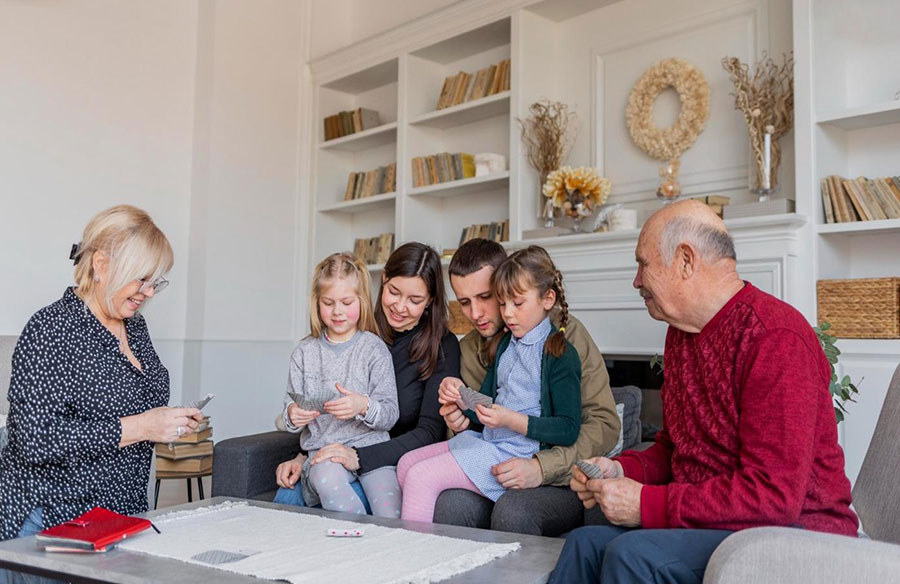
As more families embrace multi-generational living, the demand for homes catering to various age groups under one roof is rising. An analysis of census data from 1971 to 2021 reveals that the number of people living in multigenerational family households increased fourfold, reaching 59.7 million by March 2021. The proportion of the U.S. population in these households also more than doubled, rising to 18%.
This trend brings unique benefits: shared financial responsibilities, strengthened family bonds, and the comfort of knowing loved ones are nearby. However, it also requires thoughtful design innovations that address the distinct needs of different generations, such as the elderly who value accessibility and privacy, adults who desire both communal and personal spaces, and children who need areas that foster growth and play.
Let’s explore how future homes are evolving to create harmonious, functional spaces that cater to everyone in the family.
Modular Floor Plans: Flexibility for Changing Family Dynamics
Modular design is rapidly gaining popularity as an ideal solution for multi-generational homes. This flexible approach allows sections of a house to be rearranged or adapted as family needs change, providing a dynamic living space.
For instance, a modular home might feature movable walls, allowing families to expand or contract certain areas based on who is living in the home. A young couple may initially use a larger living area, but as children arrive or grandparents move in, the space can be reconfigured to include a private suite for aging parents or play areas for children.
In the future, modularity in design will allow families to maintain independence without needing to relocate. This style of adaptable living creates a “home for life,” evolving with its occupants over time. Architects and designers are already experimenting with these customizable solutions, ensuring that homes remain functional and comfortable as family structures shift.
For example, UNStudio’s Van B Residences in Munich uses a “plugin-based” system with adaptable partitions, allowing residents to reconfigure spaces as needed. This approach maximizes small apartments by making the layout flexible, allowing single rooms to serve multiple functions, such as offices or sleeping areas. The goal is to use “quality meters over square meters,” enhancing functionality in a compact area. This design also creates community through shared spaces and connections between private and public areas.
Dedicated Living Spaces: Privacy for Every Generation
One challenge in multi-generational living is finding the right balance between shared and private spaces. Privacy-enhancing features, such as private entrances, separated living quarters, and soundproofed rooms, are essential for fostering harmony. In future homes, we can expect dedicated living areas for each generation, such as a self-contained suite or an independent wing for elderly family members. These spaces could include a small kitchenette, bathroom, and bedroom, allowing older adults to maintain autonomy while staying close to family.
Future homes may also integrate technologies like automated doors and smart locks to enhance privacy and security within the household. These private spaces allow each family member to enjoy a sense of independence while still having easy access to the communal areas where they can connect with the rest of the family.
Enhanced Accessibility: Meeting the Needs of All Ages
Accessibility is paramount in multi-generational homes, especially for seniors and those with mobility challenges. Homes of the future will likely incorporate universal design principles that make movement within the home easy and safe for everyone, regardless of age or physical ability. Key design features include widened hallways, step-free entrances, lower countertops, and curbless showers, which are practical and visually pleasing, ensuring the house feels modern and welcoming.
Incorporating accessibility from the outset eliminates the need for costly renovations down the line and ensures that each family member feels comfortable navigating the home. By planning for aging-in-place features early, families can enjoy peace of mind, knowing their home is ready to accommodate loved ones with varying needs for many years.
Tech-Integrated Homes: Smart Solutions for a Connected Family
Smart home technology is becoming indispensable in multi-generational living, where it can cater to diverse needs seamlessly. Future homes may be equipped with advanced tech solutions that allow family members to monitor and manage various aspects of the home, from security and lighting to health and wellness features.
For instance, smart sensors can track movement, offering alerts if elderly family members have a fall or need assistance. Likewise, voice-controlled devices can help seniors or young children access technology without screens or complicated controls.
Home automation can also help maintain privacy and comfort, allowing each person to customize their environment. Automated lighting, temperature control, and security systems can adapt to individual schedules, making the home more intuitive and accommodating. By investing in these technologies, families can enjoy greater convenience, safety, and connection, regardless of age or tech-savvy.
Outdoor Living Spaces: Blending Privacy with Connection to Nature
The value of outdoor space cannot be overstated in a multi-generational home, a natural extension of living areas. Future homes are likely to feature separate outdoor zones for relaxation, gardening, and socializing, allowing each generation to engage in activities that are meaningful to them. For instance, one area could be designed for active children, with play structures or sports spaces, while another could serve as a quiet retreat for grandparents, featuring comfortable seating and shaded areas.
Outdoor kitchens, gardens, and seating areas promote family gatherings while giving each member room to retreat and rejuvenate. These designs ensure everyone can enjoy the fresh air and natural surroundings without infringing on others’ space, making outdoor areas as functional and essential as indoor rooms in multi-generational homes.
Finding the Right Home: Working with Real Estate Experts for Multi-Generational Needs
Finding a home that meets the unique requirements of a multi-generational family can be challenging. From accessible features to versatile layouts, working with an experienced team of real estate agents who understand the intricacies of multi-generational living is essential. A professional team, like The Shawn Lepp Group, can guide families through this process, helping them find properties that align with their goals and adapt to future needs. With access to a network of listings and the expertise to spot the potential for customization, real estate professionals can help you secure a home that will grow with your family and provide value for years to come.
Real estate agents specializing in multi-generational housing options will know what questions to ask, what features to prioritize, and how to negotiate a home that caters to your family’s unique needs. They can also provide insights into potential remodeling options, ensuring every family member finds a home meeting their expectations and lifestyle.







