

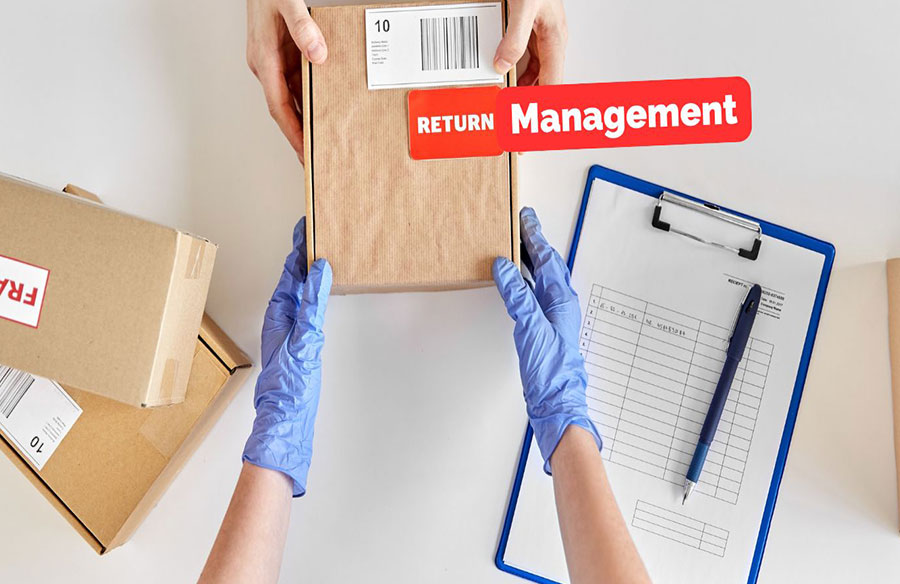
Customers want the flexibility to return products that don’t meet their expectations. A good returns process can be the difference between a one-time buyer and a loyal customer. In fact, studies show that a positive return experience can turn one-time buyers into repeat customers, increasing loyalty. If returns are easy, 92% of customers are likely to buy from the brand again, while 81% would switch to a competitor after a single bad return experience.
Back in 2019, 73% of consumers said that how a brand handled returns played a big role in whether they’d shop with that brand again. This guide is here to help! We’ll cover the key elements of returns management, best practices for both Amazon sellers and 3PLs, and a look into the future of returns.
Quick Guide
- What is Returns Management?
- Key Components of Effective Returns Management
- Best Practices for Amazon Sellers in Returns Management
- Best Practices for 3PLs in Returns Management
- Navigating Returns Challenges
- Future Trends in Returns Management
- Conclusion
Also If you find stats related to Amazon interesting, you should check this blog on Amazon Seller Statistics.
What is Returns Management?

But returns look a little different depending on your role
- Amazon Sellers often handle returns directly or through Fulfillment by Amazon (FBA), which simplifies some logistics.
- 3PL Providers manage returns on behalf of multiple clients, which means balancing efficiency and customization for each brand’s needs.
If you looking to switch to a 3PL for ecommerce fulfillment, this blog on Switching to a 3PL Partner for eCommerce Fulfillment will get you started
Key Components of Effective Returns Management
Getting returns right means nailing down a few basics. Here are the key elements of a smooth returns process
- Customers need to know how returns work before they buy. A simple, clear policy (think no legal jargon) sets expectations and reduces confusion.
Example A “no questions asked” return policy for 30 days might appeal to customers, while setting clear limits on return windows helps avoid potential losses. - This is the process of getting products back into inventory or moving them to their next destination. Streamlining this can save money and reduce the time spent on each return.
Example If a 3PL uses strategically placed warehouses, returned items can be processed and restocked faster, reducing lag time. - Returned items should be inspected for quality before being resold. Having a systematic process to quickly identify items that are ready for restock versus items that need repair can speed up the return cycle.
- Keeping customers updated through the return process builds trust. Regular notifications, from confirming the return is received to notifying when the refund is processed, create a positive experience.
Best Practices for Amazon Sellers in Returns Management
For Amazon sellers, returns are mostly managed by Amazon’s infrastructure. But there are a few tips to make it smoother
- Sellers who use FBA get access to Amazon’s automated returns process. This service handles the logistics, from return labels to customer communication, freeing up time for sellers.
- Use software tools to automate steps like issuing refunds, processing returns, and managing inventory adjustments. This reduces manual effort and errors.
- Be prepared to quickly refund customers or restock items that come back in good condition. Fast processing here can help increase customer satisfaction.
- Tracking return reasons (like “wrong size” or “not as expected”) can reveal product issues or improvement opportunities.
Best Practices for 3PLs in Returns Management
3PLs face unique challenges with returns, especially when managing them for multiple clients. Here’s how to keep things efficient
- Each client may have unique needs. Some may want a strict return policy, while others prefer a lenient approach. Offering customizable options helps meet varied expectations.
- Efficiently managing returns for different brands means creating a streamlined process that’s scalable. Consider setting up dedicated return stations in warehouses to reduce bottlenecks.
For example AMZ Prep, a leading 3PL from Canada processes returns in one section of a warehouse, making it easier to track and manage returned goods across clients. - For items that come back slightly damaged, having a repair process or refurbishing plan can help clients recover value from returned products.
- Regularly sharing insights with clients on their return data helps identify patterns and possible improvements.
Navigating Returns Challenges
Returns come with their own set of challenges. Here’s how to tackle the big ones
- Returns fraud, such as customers returning used or counterfeit items, is a costly issue. Solutions like tracking return patterns and requiring original packaging for returns can help reduce fraud.
- Many returns end up as waste. Implementing sustainable practices like refurbishing or recycling items can make the process more eco-friendly.
For example, offering customers an option to “returnless refund” for lower-value items can reduce shipping costs and waste. - Handling returns costs money, but cutting corners can hurt customer loyalty. It’s all about striking a balance between efficient returns processing and meeting customer expectations.
Future Trends in Returns Management
The world of returns management is evolving, with exciting trends on the horizon
- Using AI for tasks like quality checks and automated labeling can speed up returns and reduce errors.
- More businesses are finding ways to make returns greener, like using eco-friendly packaging or incentivizing customers to avoid unnecessary returns.
- The best policies prioritize customer experience, like offering easy access to return labels or “no questions asked” return windows.
Conclusion
Managing returns can be simple. With clear policies, efficient logistics, and the right tools, Amazon sellers and 3PLs can make returns a smooth part of the customer experience. These best practices help cut costs, build customer loyalty, and offer insights into product quality.
If you’re an Amazon seller or a 3PL, start improving your returns process today and make it a competitive edge!
Arishekar N.
Arishekar N. is the director of marketing and business development at AMZ Prep. Bringing decades of experience in driving growth for e-commerce businesses, he has established himself as a thought leader in the digital marketing space.
His expertise spans strategic marketing, e-commerce operations, SEO, advertising, and branding. Arishekar has successfully led numerous campaigns that have yielded specific achievements, such as a 200% increase in online sales for client businesses.
As a regular contributor to respected industry publications, Arishekar shares valuable insights on optimizing online business performance and navigating the ever-changing e-commerce landscape. His data-driven approach and commitment to ethical marketing practices have earned him recognition as a trusted voice in the industry.
Arishekar dedicates his efforts to equipping entrepreneurs and marketers with practical strategies that can significantly enhance their financial performance. For the latest trends, tips, and expert analysis in e-commerce and digital marketing, follow Arishekar N on https://in.linkedin.com/in/arishekar







