

Architectural projects are best appreciated when their full vision and detail are effectively conveyed to clients and stakeholders. The use of the latest technology has revolutionized how architectural projects are showcased, creating a more immersive, informative, and engaging experience. With the help of modern tools, architects can now bring their designs to life like never before, providing deeper insights and an enhanced understanding of their work.
Various technologies that architects can use to showcase their projects more effectively ensure that potential clients are fully engaged and able to appreciate the intricacies of the design.
Virtual Reality (VR) for Immersive Experiences
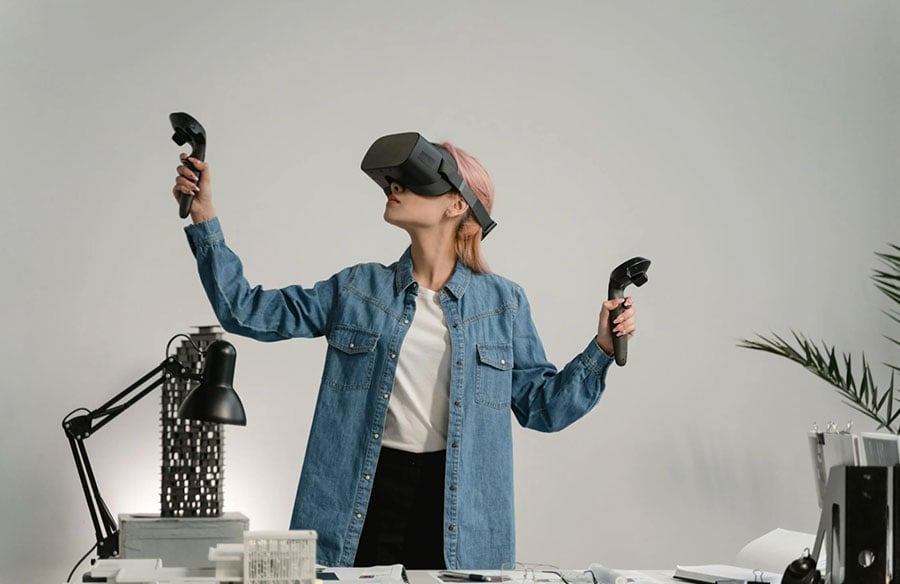
Virtual Reality (VR) allows clients to step into a fully immersive representation of the project before it’s even built. With VR headsets, clients can explore spaces, view rooms from different perspectives, and get a realistic sense of scale and layout.
This immersive experience is invaluable for communicating complex design concepts that can be difficult to convey through traditional blueprints or renderings. By allowing clients to feel as if they are physically inside the space, VR helps bridge the gap between vision and reality, making it easier for them to understand the design and make informed decisions.
Enhancing Client Feedback
Instead of relying on static images, clients can explore the virtual model and provide feedback in real time, pointing out specific areas they want to be adjusted or refined. This leads to more effective communication between architects and clients and ultimately results in a project that aligns closely with the client’s vision.
With VR, architects can easily make modifications based on client input and showcase these changes immediately in the virtual environment.
Augmented Reality (AR) for On-Site Visualization
AR allows architects to superimpose digital models onto physical spaces, providing clients with an on-site visualization of what a future structure will look like. By using AR-enabled devices, such as tablets or smartphones, clients can see a 3D version of the building as if it were already in place.
This form of on-site visualization is incredibly helpful in providing context. Clients can visualize how a building will fit within its surroundings, how shadows will fall throughout the day, or how the structure will look from different vantage points. This makes it easier for clients to understand how the project will transform the space.
Enhancing Presentation Flexibility
Instead of needing a specific VR setup or a high-powered computer, AR can be used on-site, making it easier to showcase the design in any setting. This flexibility allows architects to bring their designs to life even in informal client meetings or during site visits, enhancing the client experience and making presentations more impactful.
By blending the digital and physical worlds, AR helps clients gain a deeper understanding of the project, increasing their excitement and engagement in the process.
Drones for Aerial Perspectives
For large-scale projects, drones allow architects to showcase the project’s location, landscape, and how the design will interact with its environment. Aerial footage helps clients visualize the broader context of the project and understand its relationship with the surrounding area.
Using drones to capture these views adds a level of storytelling that traditional ground-based photography cannot achieve. Clients can appreciate how the structure will fit into its setting and see the project from a unique vantage point, enhancing their overall understanding of the design’s intent.
Drones are also useful throughout the construction process, allowing architects to document progress and provide clients with visual updates. Regular aerial footage can help keep clients informed of the status of their project, showing how the design is being brought to life in real-time.
Providing aerial views during different phases of the construction process can capture the evolution of a project, making the final reveal all the more satisfying for clients.
3D Printing for Tangible Models
3D printing allows architects to create detailed scale models of their designs, giving clients something they can hold and examine up close. Physical models are particularly useful when working with clients who might struggle to fully visualize a project using digital tools alone.
3D-printed models can also be used in presentations, making it easier for clients to understand complex design elements and spatial relationships. Physical models can contain QR codes to provide clients with access to additional digital content, such as interactive 3D renderings or walkthroughs. The tactile experience of interacting with a physical model helps clients feel more connected to the project and can be an invaluable tool in conveying the vision behind the design.
Rapid Prototyping for Design Iterations
Architects can print multiple iterations of a design to test different ideas and approaches, helping to refine the project before moving forward. This process allows for faster decision-making and helps clients see the evolution of the design in a concrete way.
3D printing provides a hands-on approach that complements other visualization tools, making it an important part of the architect’s toolkit for showcasing projects and ensuring client satisfaction.
Interactive Digital Presentations
By combining 3D renderings, VR walkthroughs, AR visualizations, and drone footage into one interactive presentation, architects can provide a comprehensive view of the project from every angle.
These presentations allow clients to explore the design at their own pace, click on different features for more information, and truly engage with the project.
By showcasing every aspect of the design in a dynamic, engaging way, clients are more likely to feel excited about the project and confident in their decision to move forward. This connection can be instrumental in turning potential clients into committed partners.
Conclusion
Showcasing architectural projects has evolved with the advent of new technologies, making it possible to convey ideas in more compelling and immersive ways. From VR and AR to drones and 3D printing, these tools allow architects to present their work with greater clarity, depth, and engagement. By leveraging these technologies, architects can ensure that clients fully understand and appreciate their vision, leading to more informed decisions and successful projects.
Incorporating the latest tech into your presentations is not just about impressing clients—it’s about giving them the tools they need to make confident choices. By utilizing these advancements, architects can offer a richer, more engaging experience that ultimately leads to stronger client relationships and more successful architectural endeavors.







