

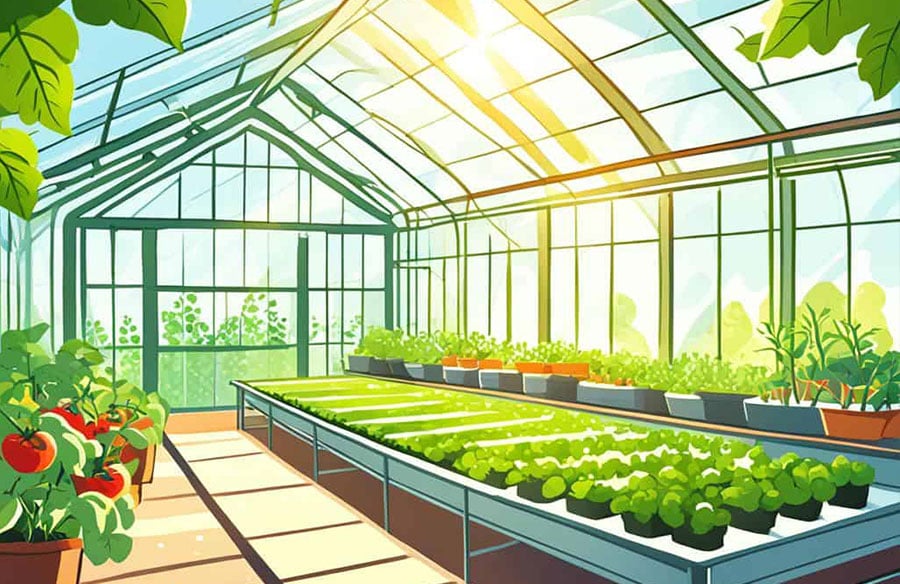
For greenhouse enthusiasts, maintaining the perfect balance of temperature, light, and humidity is essential for thriving plants. While advanced climate control systems can be beneficial, sustainable, cost-effective solutions often come from simple innovations. One such solution is the strategic use of shutters. Traditionally associated with homes, shutters are now finding their place in greenhouses, offering a dual benefit of functionality and sustainability. Here’s why incorporating shutters into your greenhouse design can elevate your gardening experience.
The Role of Shutters in Greenhouse Climate Control
Greenhouses are designed to harness the power of natural light, creating an environment that nurtures plant growth year-round. However, managing excess sunlight and preventing overheating can be a challenge, particularly in warmer months. Shutters provide a practical solution by allowing gardeners to adjust light levels and airflow with precision.
1. Temperature Regulation
One of the primary challenges in greenhouse management is preventing overheating during hot days and retaining warmth during cooler nights. Shutters act as a natural insulator, creating an air barrier that reduces heat transfer. When closed during peak sunlight hours, they prevent excessive heat buildup, ensuring a stable temperature for plants. Conversely, during colder nights, shutters help retain warmth, reducing the need for supplemental heating systems and saving energy.
2. Light Management
Controlling the intensity and duration of sunlight is crucial for optimal plant growth. While too little light can stunt growth, excessive light can lead to heat stress and damage. Shutters with adjustable louvres provide an easy way to filter and diffuse natural light, creating a balanced environment that suits a variety of plants. For greenhouses housing delicate plants or those that require partial shade, shutters offer an effective way to regulate light exposure without using artificial shading devices.
3. Improved Ventilation
Ventilation is key to maintaining a healthy greenhouse. Stale air can promote the growth of mold and pests, while proper airflow helps regulate temperature and humidity levels. Shutters can be adjusted to allow fresh air to circulate through the greenhouse, promoting passive cooling and reducing the reliance on mechanical ventilation systems. This natural approach helps create a balanced microclimate, which is particularly important for preventing disease and ensuring robust plant growth.
Types of Shutters Suitable for Greenhouses
Selecting the right type of shutter for your greenhouse depends on your specific needs and the climate in which you live. Here are a few options to consider:
1. Wooden Shutters
Wooden shutters offer excellent insulation and add a touch of rustic charm to any greenhouse. They can be customized to fit various window shapes and sizes and are ideal for gardeners who prioritize aesthetics along with function. However, they do require regular maintenance to prevent warping and damage from moisture.
2. Composite Shutters
Composite shutters are made from engineered materials designed to withstand humidity and temperature changes. These shutters provide the insulating properties of wood while being more resistant to moisture and less prone to warping. They’re perfect for greenhouses located in regions with high humidity or significant weather fluctuations.
3. Vinyl Shutters
Vinyl shutters are a practical, budget-friendly option for greenhouses. They are resistant to moisture and easy to clean, making them ideal for areas prone to condensation. While they may not offer the same level of insulation as wood or composite materials, they are sufficient for greenhouses in mild climates.
Benefits of Shutters for Greenhouse Sustainability
1. Energy Efficiency
Shutters contribute to the energy efficiency of your greenhouse by reducing the need for artificial climate control systems. By minimizing heat loss during cooler months and preventing excessive heat gain during warmer periods, shutters help maintain a stable temperature, reducing the need for electrical heating and cooling. This leads to lower energy consumption and a reduced carbon footprint.
2. Cost Savings
Lower energy use translates directly to cost savings. Whether you’re a hobbyist gardener or a professional grower, managing the operational costs of a greenhouse can be significant. The initial investment in quality shutters can pay for itself over time through reduced energy bills and lower maintenance costs for mechanical climate control systems.
3. Eco-Friendly Practices
Incorporating shutters into your greenhouse design supports eco-friendly gardening practices. By reducing reliance on electrical climate control systems and leveraging natural light and ventilation, you’re contributing to a more sustainable approach to gardening. Additionally, choosing shutters made from sustainable or recycled materials aligns with green building principles and helps minimize environmental impact.
Installation and Best Practices
To maximize the benefits of shutters in your greenhouse, consider the following tips:
1. Professional Installation for Optimal Fit
Custom-fitted shutters ensure there are minimal gaps, optimizing their insulating and light-controlling capabilities. Professional installation guarantees that shutters function smoothly and fit snugly to prevent drafts and unwanted air exchange.
2. Seasonal Adjustments
Adjust shutters based on seasonal needs. During summer, keep shutters partially closed during the hottest parts of the day to prevent overheating. In winter, close them at night to retain warmth and protect your plants from cold snaps.
3. Integrate with Other Solutions
Shutters work best when combined with other greenhouse solutions like thermal curtains or shade cloths. This layering approach provides additional insulation, light control, and energy savings.
Shutters as an Aesthetic Element
Beyond their functional benefits, shutters can also enhance the visual appeal of your greenhouse. Whether you choose traditional wood with natural finishes or modern composites in sleek, neutral tones, shutters can complement the overall design of your greenhouse. Their clean lines and customizable options make them a versatile addition that can be tailored to suit any aesthetic.
Conclusion: Shutters as a Smart Investment for Greenhouse Enthusiasts
Shutters are more than a window treatment; they are a multi-functional solution that supports the health of your plants, enhances energy efficiency, and adds visual interest to your greenhouse. By investing in shutters, you’re taking a step toward a more sustainable and cost-effective approach to greenhouse gardening. With their combination of light control, temperature management, and ventilation support, shutters prove themselves as a valuable asset for any gardener looking to optimize their growing environment.







