

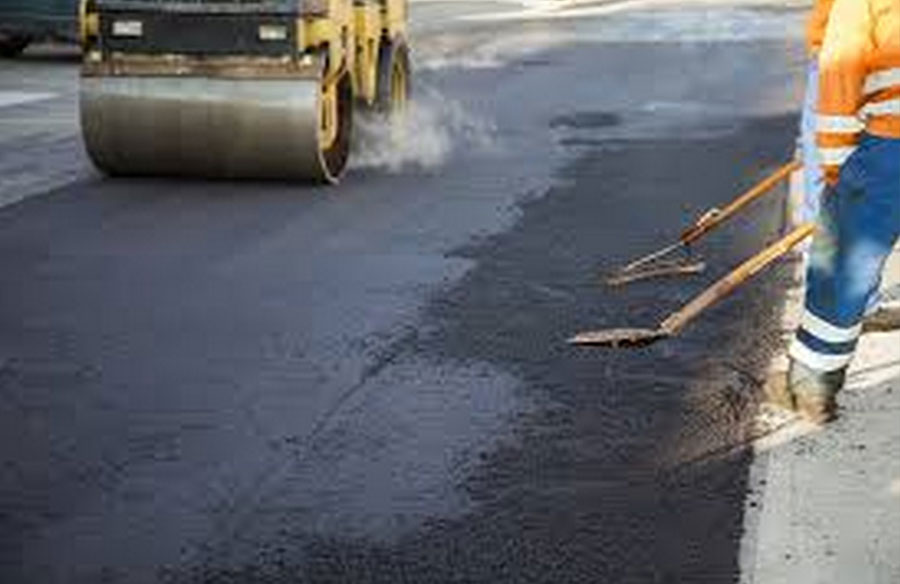
When you park your car at the mall or grocery store, you probably don’t think much about the ground beneath your wheels. But parking lots play a bigger role in our environment than most people realize. The way we take care of these spaces, especially when it comes to repairing damaged asphalt, can either help or harm our planet.
Fixing Small Problems Makes a Big Difference
Think of asphalt repair like taking care of your teeth. Just as a small cavity gets worse if ignored, tiny cracks in parking lots can grow into big problems. When water seeps into these cracks and freezes in winter, it makes them bigger. During hot summers, the asphalt expands and contracts, creating even more damage. By fixing these small issues early, we prevent bigger, more costly repairs later.
How Parking Lots Affect City Temperatures
Parking lots act like giant heat sponges in our cities. Studies show that unshaded parking lots can raise temperatures in nearby neighborhoods by several degrees. When we repair damaged asphalt and maintain these spaces properly, we can help fight this heating effect in several ways:
Temperature Control
- Well-maintained lots reflect more sunlight
- Proper drainage prevents water pooling that can make air more humid
- Regular maintenance allows for adding heat-fighting features
- Fixed surfaces are easier to keep clean, which helps reflect more heat
Working With Green Building Standards
Many buildings today aim for green certification, and parking lots play a big role in this process. When repairing damaged asphalt, property owners can:
- Earn points toward green building certification
- Meet sustainable site requirements
- Help buildings achieve better energy ratings
- Support overall environmental goals
Smart Design Choices
Architects and planners can make parking lots work better for the environment by:
- Creating spaces for trees and plants when planning repairs
- Adding water-friendly drainage systems during maintenance
- Using light-colored materials when fixing damaged areas
- Planning for future green additions
New Solutions
Recent research shows that using recycled materials in asphalt repair can:
- Lower surface temperatures
- Help filter rainwater naturally
- Reduce the need for new materials
- Support sustainable urban development goals
The Environmental Cost of Waiting Too Long
Replacing an entire parking lot is like throwing away a whole sandwich because of one small moldy spot. It wastes resources and hurts the environment in several ways:
Waste Problems
- Old asphalt often ends up in landfills
- More new materials need to be made
- Extra trucks have to haul away old pavement
- New asphalt production creates more pollution
Energy Waste
Making new asphalt requires a lot of energy. It’s like running your oven all day instead of just heating up one meal. When we repair damaged spots instead of replacing everything, we use much less energy.
How Early Repairs Help the Planet
Fixing problems when they’re small does more than save money – it helps protect our environment:
Less Pollution
- Fewer trucks needed for repairs
- Less new asphalt production
- Lower carbon emissions
- Reduced chemical runoff
Resource Conservation
- Uses less new materials
- Keeps existing asphalt longer
- Saves energy
- Reduces waste in landfills
Smart Repair Methods That Help the Environment
Today’s parking lot repairs can be surprisingly eco-friendly:
Green Repair Options
- Using recycled materials
- Applying earth-friendly sealants
- Installing better drainage to protect water supplies
- Using cold-mix asphalt that creates less pollution
Money Talks: The Cost Benefits of Early Repair
Small repairs today prevent major expenses tomorrow. While minor fixes cost hundreds, complete replacement runs into tens of thousands. Plus, regular maintenance adds 10-15 years to a parking lot’s life.
Why This Matters
Every time we repair damaged asphalt instead of replacing an entire lot, we’re making a choice that helps our planet. It’s like choosing to fix a broken toy instead of buying a new one – small actions that add up to make a big difference.
Think about it: if every parking lot owner fixed problems early, we could:
- Save millions of tons of asphalt from landfills
- Reduce pollution from making new pavement
- Keep our water cleaner
- Use less energy
- Save money while helping the environment
Building Better Cities
When we fix parking lots the right way, we help make entire cities better:
- Connected green spaces between buildings
- Cleaner air from better-maintained surfaces
- Less flooding from proper drainage
- Cooler neighborhoods in summer
This approach helps cities grow sustainably while saving money and resources. It’s a perfect example of how small repairs today can lead to big improvements for our urban future.
Taking Action
The next time you see a crack in your parking lot, remember that fixing it isn’t just about maintaining appearances. It’s about making a choice that helps protect our environment. By repairing damaged asphalt early, we’re not just fixing a parking lot – we’re helping to build a more sustainable future.







