

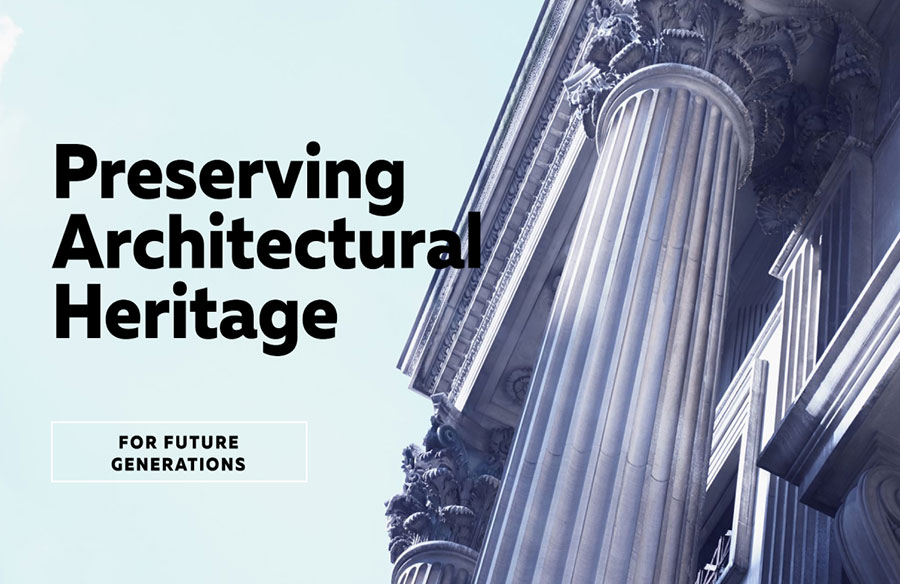
New York City is a treasure trove of architectural history, with over 36,000 buildings designated as landmarks, protected by the New York City Landmarks Preservation Commission (LPC). These landmarks span a wide range of architectural styles, from Federal-style homes in the Greenwich Village Historic District to Art Deco icons like the Empire State Building. In addition to individual landmarks, there are 150 historic districts throughout the city, encompassing entire neighborhoods that are preserved for their historical and cultural significance. However, as these buildings age, modernizing them while maintaining their historic character presents both a challenge and an opportunity for the city’s future.
Many of these buildings were constructed in the 19th and early 20th centuries, designed for a very different way of life. As the city evolves, these historical structures must also adapt to modern needs without compromising their integrity. The challenge of balancing preservation and modernization is not only about aesthetics but also about functionality, sustainability, and compliance with contemporary building codes. With New York City home to one of the largest collections of landmarked buildings in the United States, finding innovative ways to modernize them is critical to the city’s growth while honoring its past.
What Parts of Historic Buildings are Protected?
When a building is landmarked in New York City, certain parts of it become legally protected, ensuring that key historical features remain intact. The most critical element typically preserved is the exterior façade. This includes the building’s shape, the materials used in its construction, windows, doors, and any decorative details like cornices, columns, or intricate stonework. For instance, the terra cotta ornamentation of the Woolworth Building or the iconic spire of the Chrysler Building are essential to their identities and cannot be altered without LPC approval.
What Can Be Renovated?
While preserving the historical elements of a building is paramount, renovations are often necessary to meet the demands of modern life. Owners of landmarked buildings are typically allowed to make updates that are not visible from the street or that do not alter the character-defining features of the property. This means that behind the preserved facades, many of New York’s landmark buildings have undergone significant transformations.
For instance, historic buildings can be retrofitted with modern heating, ventilation, and air conditioning (HVAC) systems, upgraded electrical wiring, and improved plumbing. These kinds of changes are essential for making old buildings energy-efficient and comfortable for modern occupants. Roof repairs and window replacements are common, though they often need to use historically appropriate materials and designs to maintain the building’s appearance. In some cases, new windows must replicate the original ones, even if they incorporate modern energy-saving technologies.
An increasing trend is the adaptive reuse of historic buildings, which involves renovating the interiors for completely new purposes while preserving the exterior. The transformation of the TWA Flight Center at JFK Airport into a boutique hotel is one such example. Its sweeping, futuristic design, created by Eero Saarinen in 1962, was meticulously restored, but the interior was reimagined to meet the needs of a modern hotel. Similarly, the former Nabisco factory in Chelsea was converted into the trendy Chelsea Market while keeping much of its industrial character intact.
Challenges of Modernization
While preserving facades and ensuring historical integrity is vital, modernization introduces challenges. One of the biggest is meeting contemporary building codes, including those for fire safety, structural stability, and accessibility. Installing new systems, like elevators, sprinkler systems, and accessibility ramps, often requires creative solutions to minimize the impact on a building’s historical design.
Moreover, facade maintenance itself is a crucial requirement. One leading masonry contractor in NYC explains the challenges of preserving facades, emphasizing that repairs often require maintaining the historical aesthetics while ensuring modern safety standards are met. Local Law 11 mandates that building owners regularly inspect their exterior walls and address any issues that could pose a safety hazard. These inspections, required every five years for buildings taller than six stories, help identify issues such as cracks, deteriorating masonry, or loose bricks, which must be repaired promptly to ensure safety.
Energy efficiency is another major concern. Older buildings often perform poorly in terms of energy use. Retrofitting them with energy-efficient solutions—such as improved insulation, double-glazed windows, or solar panels—must be done carefully to avoid compromising the building’s aesthetic. For example, installing rooftop solar panels on a historic brownstone can conflict with preservation laws if the panels are visible from the street.
The Future of Historic Preservation in NYC
Preserving New York City’s historic buildings is about more than protecting the past—it is about finding ways to make these structures relevant and sustainable for the future. The push for sustainability and environmental responsibility in architecture is opening up new opportunities for innovative preservation practices. Technologies like energy-efficient retrofitting and green roofs are being introduced while staying within preservation guidelines.
As the city continues to grow, the importance of preserving its architectural heritage while allowing for modernization will only increase. Buildings like the Woolworth Building, the Flatiron Building, and countless others serve as living monuments to the city’s history, yet they must evolve alongside the ever-changing urban landscape. By embracing creative solutions and collaborative efforts between architects, developers, and preservationists, New York can continue to honor its past while stepping boldly into the future.







