

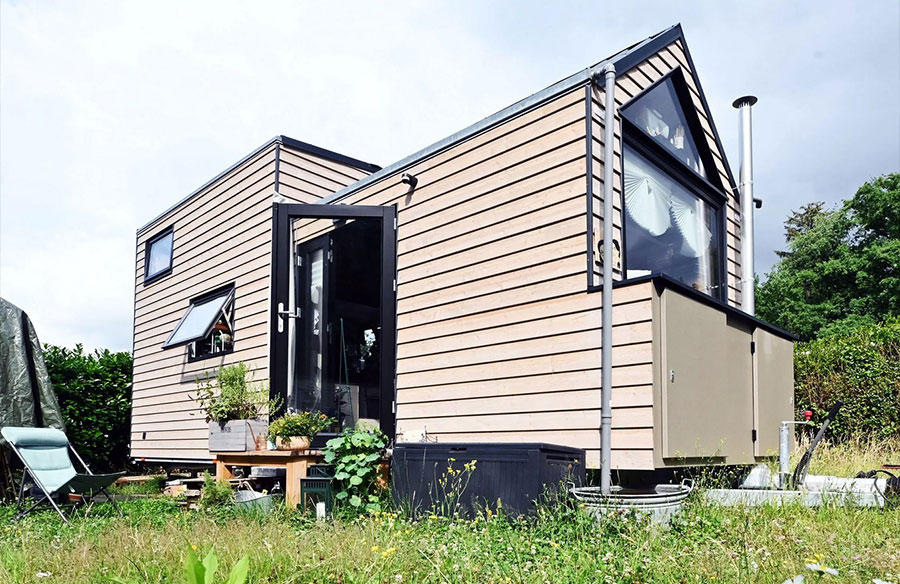
In recent years, the world of architecture has seen a notable shift towards minimalism. This trend, characterised by clean lines, uncluttered spaces, and a “less is more” philosophy, has changed how we think about and interact with our living spaces.
At the same time, as urban populations grow and living spaces shrink, a new challenge has emerged: how to maintain a minimalist aesthetic while dealing with the realities of personal possessions. The rise of off-site storage has become an integral part of modern, minimalist living.
The Essence of Minimalist Architecture
Minimalist architecture, with roots in the Bauhaus movement of the early 20th century, emphasises simplicity and functionality. It strips away excess, focusing on essential elements to create spaces that are both beautiful and practical. This architectural style is characterised by:
- Clean, geometric lines
- Neutral colour palettes
- Open floor plans
- Abundance of natural light
- Hidden storage solutions
The appeal of minimalist design lies in its ability to create calm, uncluttered environments that promote a sense of peace and well-being. However, achieving and maintaining this aesthetic can be challenging in a world where we constantly accumulate possessions.
The Storage Dilemma in Minimalist Spaces
While minimalist architecture encourages us to pare down our belongings, the reality is that most people still need to store a significant number of items. This creates a dilemma: how can one maintain a clutter-free, minimalist space while still keeping necessary or sentimental items?
Matt Wallace, a storage expert at Pay Less for Storage, offers insight into this challenge: “We’ve seen a marked increase in demand for off-site storage solutions from clients living in minimalist-designed homes. They appreciate the clean, open feel of their spaces but struggle with where to keep items they need but don’t use daily. Off-site storage provides an effective solution, allowing them to maintain their minimalist aesthetic without sacrificing functionality.”
The Rise of Off-Site Storage
Off-site storage facilities have emerged as a crucial complement to minimalist architecture. These facilities offer several benefits that align well with minimalist principles:
- Flexibility: Users can access their belongings when needed without cluttering their living spaces.
- Scalability: Storage space can be adjusted as needs change, supporting a more fluid lifestyle.
- Security: Items are kept safe and protected, often with better security than home storage solutions.
The growth of off-site storage has been significant enough that it’s beginning to influence architectural and urban planning decisions. Some new residential developments are now being designed with reduced storage space under the assumption that residents will utilise off-site solutions for their extra belongings.
Integrating Off-Site Storage into Minimalist Living
The key to successfully integrating off-site storage into a minimalist lifestyle lies in thoughtful organisation and regular reassessment of possessions. Here are some strategies:
- Seasonal Rotation: Store off-season clothing, decorations, and equipment off-site, rotating them as needed.
- Document Storage: Keep important but infrequently used documents in secure off-site storage.
- Hobby Equipment: Store hobby-related items that are used occasionally but take up significant space.
- Sentimental Items: Keep cherished but rarely used items safe without cluttering daily living spaces.
The Future of Minimalist Architecture and Storage
As our living spaces continue to evolve, the relationship between minimalist architecture and off-site storage is likely to grow stronger. Architects and designers are already beginning to consider off-site storage options when planning new spaces, leading to new ideas in both home design and storage solutions.
According to Ideal Home, smart storage and decluttering techniques are becoming integral to modern home design, allowing homeowners to maintain minimalist aesthetics while still managing everyday necessities.
The American Institute of Architects suggests that future homes may feature dedicated spaces for managing and organising items destined for off-site storage, much like we currently have mudrooms or laundry rooms. These “transition zones” would help homeowners maintain their minimalist spaces while efficiently managing their belongings.
A Harmonious Balance
Minimalist architecture and off-site storage represent two sides of the same coin in modern living. While minimalism encourages us to simplify and declutter our spaces, off-site storage provides a practical solution for managing the possessions we can’t or don’t want to part with. Together, they offer a way to create living spaces that are both beautiful and functional, supporting our desire for simplicity without requiring us to sacrifice the items that enrich our lives.
As we move forward, the integration of minimalist design principles and smart storage solutions will likely play an increasingly important role in shaping our homes, our cities, and our lifestyles. By embracing both the aesthetic of minimalism and the practicality of off-site storage, we can create living spaces that truly meet the needs of modern life.







