

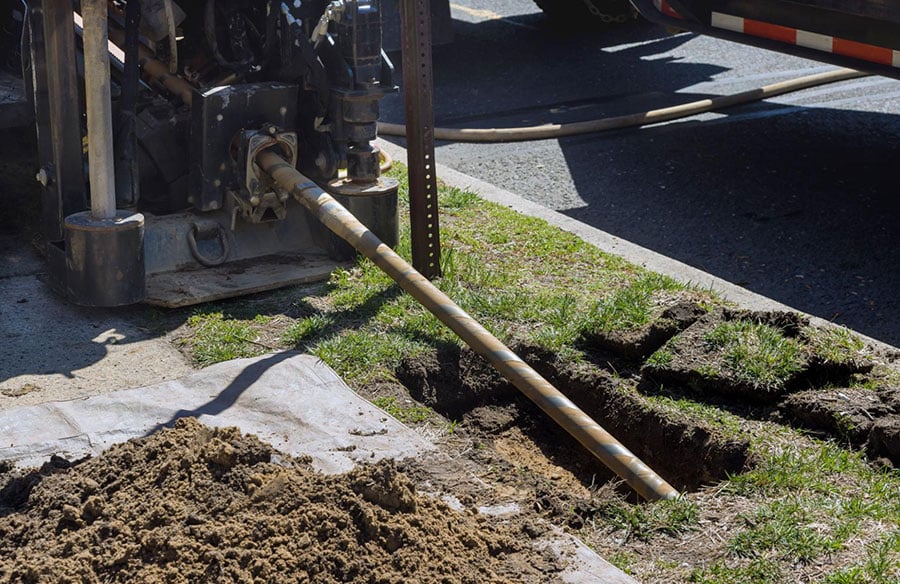
Sewer problems are one of those issues that homeowners dread. When things go wrong with your sewer line, you’re often faced with a difficult decision: should you opt for trenchless sewer repair or go with the traditional method? Both options come with their pros and cons, and the right choice depends on a variety of factors, including the age of your home, the extent of the damage, and your budget. Let’s dive into the details to help you decide which repair method is best for your property.
What is Traditional Sewer Repair?
Traditional sewer repair, also known as “open trench” repair, is the method that has been used for decades. It involves digging a trench along the length of the damaged sewer line, exposing it for repairs or replacement. This method is reliable but comes with significant drawbacks.
Pros of Traditional Sewer Repair
- Complete Access: Since the entire pipe is exposed, technicians have full access to the damaged area, making it easier to assess and repair the damage.
- Comprehensive Solution: If your sewer line is old and brittle, traditional repair allows for full replacement, ensuring the entire line is upgraded.
Cons of Traditional Sewer Repair
- Significant Disruption: Traditional sewer repair requires digging up your yard, driveway, or even sidewalks, leaving behind a big mess. Landscaping, plants, and even trees may need to be removed and replaced.
- Higher Costs: While the repair itself may not be expensive, the cost of repairing your yard, driveway, or any structure that was disturbed can add up quickly.
- Longer Repair Time: Digging up the sewer line and then restoring the property can take days, even weeks, depending on the severity of the damage and the size of your yard.
What is Trenchless Sewer Repair?
Trenchless sewer repair is a modern alternative that avoids digging a large trench. Instead, it uses advanced technology to repair or replace the pipe with minimal disruption to your property. There are two main types of trenchless sewer repair: pipe lining (also called cured-in-place pipe or CIPP) and pipe bursting.
- Pipe Lining: A resin-coated tube is inserted into the damaged pipe and inflated, creating a new pipe inside the old one once the resin hardens.
- Pipe Bursting: A new pipe is pulled through the old one, breaking the old pipe apart while simultaneously laying the new line.
Pros of Trenchless Sewer Repair
- Minimal Disruption: Trenchless sewer repair requires little to no digging, saving your lawn, driveway, or landscaping from destruction.
- Faster Completion: Trenchless methods can often be completed in a day or two, significantly reducing the time you’ll spend dealing with sewer problems.
- Cost-Effective: While the upfront cost may be comparable to traditional methods, you’ll save money by avoiding costly landscaping or driveway repairs.
Cons of Trenchless Sewer Repair
- Limited Access: While trenchless technology is highly effective, it’s not always suitable for every property or damage type. If your sewer line is severely collapsed or if there are multiple sharp bends, traditional methods may still be necessary.
- Not Always Cheaper: In some cases, trenchless repair can be more expensive than traditional methods, especially if you have to dig access points in hard-to-reach areas.
Factors to Consider When Choosing
Now that you know the pros and cons of each method, how do you decide which is right for your property? Here are a few key factors to consider:
1. Extent of the Damage
The first thing to consider is the condition of your sewer line. If the pipe is severely collapsed or if there are multiple cracks and holes, traditional repair may be necessary to fully access and replace the pipe. On the other hand, if the damage is localized or if you’re dealing with issues like tree root intrusion, trenchless methods like pipe lining may be a better option.
2. Cost of Repair
While trenchless repair can save you money in the long run by avoiding property damage, the upfront cost may be higher than traditional methods. Be sure to get quotes for both methods before making a decision. Factor in not just the repair cost but also the cost of restoring any landscaping or hardscaping after traditional repairs.
3. Impact on Your Property
If you’ve invested in beautiful landscaping or have a driveway that would be costly to tear up, trenchless sewer repair is likely the better option. Traditional sewer repair can require extensive digging, which means more time and money spent restoring your yard after the work is complete.
4. Timeframe
If you need the repair done quickly, trenchless methods are usually faster. Traditional repairs can take several days or even weeks to complete, while trenchless repairs can often be finished in just one or two days. If you have a tight schedule, trenchless repair could be a more convenient option.
5. Location of the Sewer Line
The location of your sewer line also plays a role in the decision. If your sewer line runs under your driveway, sidewalk, or a busy street, trenchless repair is likely the best choice. Traditional sewer repair in these areas can lead to significant costs and disruptions, not just to your property but to public spaces as well.
Which Method is Right for You?
Choosing between trenchless and traditional sewer repair depends largely on your specific situation. If your sewer line is easily accessible and the damage is extensive, traditional sewer repair might make the most sense. However, if you’re looking for a minimally invasive solution that preserves your yard and can be completed quickly, trenchless sewer repair could be the perfect choice.







