

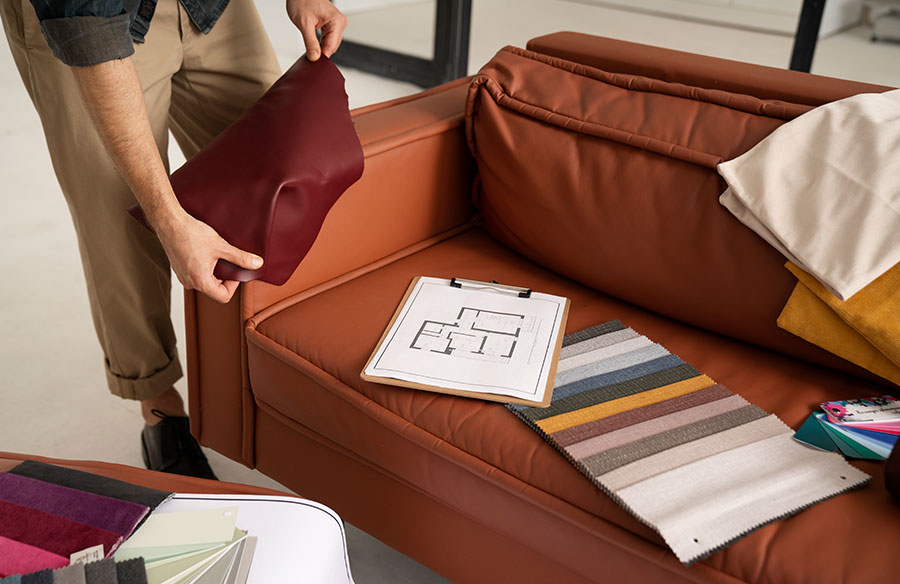
In the realm of home decor, furniture holds a special place, acting as both functional pieces and integral elements of our aesthetic choices. As time passes, however, our beloved furniture can begin to show signs of wear, leading many to consider the costly route of purchasing new items. Fortunately, there is a more budget-friendly alternative that can breathe new life into those cherished pieces: reupholstery.
This article aims to guide you through the reupholstery process, providing simple and practical tips for refreshing your favorite furniture without breaking the bank.
Understanding Reupholstery
Reupholstery refers to the process of replacing the fabric and padding of furniture while maintaining its frame. This practice is not only a great way to restore worn-out pieces but also allows for a personal touch, allowing you to choose fabrics that resonate with your style. The benefits of reupholstery are numerous.
Not only can it save you money compared to buying new furniture, but it also contributes to a more sustainable lifestyle by reducing waste. Additionally, reupholstering allows for creative expression; you can select colors, patterns, and textures that reflect your unique taste, transforming an old piece into a stunning centerpiece.
When it comes to reupholstering, one essential skill involves cutting new padding to fit your furniture perfectly. Learning the best way to cut foam will ensure that your cushions not only look great but also provide the comfort and support you desire.
Assessing Your Furniture
Before diving into a reupholstery project, it’s essential to evaluate the furniture you plan to refresh. Start by selecting pieces with solid frames, as a sturdy base is critical for a successful reupholstery process. Inspect the condition of the furniture by checking for loose joints, rusted springs, or damaged frames. Even if the upholstery is worn, a well-constructed piece can be worth the investment of reupholstering.
Look for signs that the piece is worth reupholstering, such as sentimental value, unique design, or quality craftsmanship. If the furniture has a strong emotional connection or fits perfectly in your space, it’s likely a candidate for this transformation.
Budgeting for Your Project
Setting a realistic budget is a crucial step in the reupholstery process. Start by breaking down potential costs associated with your project. Factor in the price of fabric, which can vary significantly based on quality and style. Additionally, consider the cost of any tools and materials you might need, such as a staple gun, fabric scissors, and upholstery thread. If you decide to hire a professional for certain aspects of the project, be sure to include labor costs in your budget.
To keep your expenses in check, look for ways to find affordable materials. Many fabric stores offer discounts or clearance sections, and online retailers often have sales on upholstery fabric. Exploring secondhand sources like thrift stores or estate sales can also lead to hidden gems at a fraction of the retail price.
Essential Tools and Materials
Before embarking on your reupholstery journey, gather the essential tools and materials you’ll need for the project. A staple gun is a must-have for attaching the new fabric securely to the frame, while fabric scissors will help you make clean cuts. A measuring tape ensures that you have accurate dimensions for your new fabric, and an upholstery needle and thread are necessary for any hand-stitching you may need to do.
Beyond these tools, consider additional materials like foam and batting for cushioning, which can enhance comfort and support. Depending on the condition of your furniture, you may also need upholstery webbing or springs to reinforce the structure.
Step-by-Step Reupholstery Process
The first step in the reupholstery process is to prepare your furniture. Begin by removing the old upholstery carefully, taking care to preserve the original padding if it’s still in good condition. Use a staple remover to detach the fabric and keep track of how the piece was originally assembled; this will be helpful during the reupholstering phase. After stripping the furniture, thoroughly clean and inspect the frame for any needed repairs. If you notice loose joints or damage, make the necessary fixes before proceeding.
Once your frame is ready, measure and cut your new fabric based on the dimensions you recorded earlier. It’s best to cut slightly larger pieces to ensure full coverage. When reattaching cushions or adding padding, be generous with the foam and batting to achieve a plush, comfortable feel. As you staple the new fabric to the frame, take your time to ensure that it is taut but not overly stretched. Techniques for achieving a professional-looking finish include using a mallet to secure the staples and making neat corners by folding the fabric carefully.
For those finishing touches, consider using trim or decorative elements to elevate the piece’s aesthetic. This could include piping along the seams or decorative tacks that add a stylish flair to the final product.
Conclusion
Reupholstering your furniture offers a practical and creative solution to refresh your home without the hefty price tag of new pieces. By understanding the process, assessing your furniture wisely, budgeting effectively, and choosing the right fabrics and tools, you can embark on a rewarding journey of DIY reupholstery. Not only will you restore beloved furniture, but you’ll also gain a sense of satisfaction from creating something uniquely yours.







