

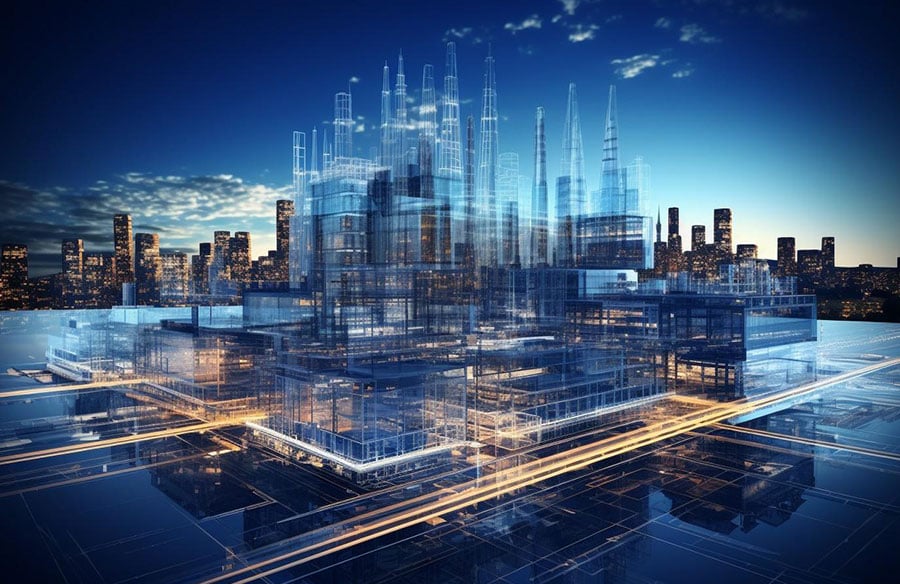
In today’s tech-focused world, combining cryptocurrency and architecture offers a chance to change how we build and use our spaces. As cities become smarter, integrating blockchain and digital currencies, including factors like Bitcoin price, into architecture is becoming powerful. This article examines how the growing use of cryptocurrency affects smart building innovations, highlighting the benefits, challenges, and future possibilities.
Understanding Smart Buildings
Smart buildings are designed to optimize performance, improve user experience, and enhance energy efficiency through advanced technologies. These buildings incorporate Internet of Things (IoT) devices, artificial intelligence (AI), and big data analytics to monitor and control various systems such as heating, lighting, security, and maintenance. The goal is to create spaces that are not only functional but also adaptive and responsive to the needs of their occupants.
The Role of Cryptocurrency in Smart Buildings
As the architectural landscape evolves, cryptocurrency is beginning to play a crucial role in developing and managing smart buildings. Here are several ways in which crypto innovations are influencing this field:
Tokenization of Real Estate
One major impact of cryptocurrency on architecture is the tokenization of real estate. This means turning property assets into digital tokens on a blockchain, enabling fractional ownership and making real estate investment easier for more people. Smart contracts allow transactions to happen automatically and transparently, reducing the need for middlemen. This approach democratizes real estate and can boost investment in smart buildings, helping them get developed.
Decentralized Financing
Cryptocurrency offers new avenues for financing construction projects. Developers can raise capital directly from investors without relying solely on traditional banks through Initial Coin Offerings (ICOs) or Security Token Offerings (STOs). This decentralized financing model can provide faster access to funds and reduce reliance on conventional lending practices. As a result, more innovative and sustainable architectural projects can be realized.
Enhanced Security and Transparency
Blockchain technology enhances the security and transparency of transactions related to smart buildings. Property ownership records, maintenance logs, and transaction histories become immutable and easily verifiable by storing data on a decentralized ledger. This reduces the risk of fraud and disputes over property ownership, fostering trust among stakeholders, including developers, investors, and tenants. The ability to track and verify real-time transactions also improves construction process accountability.
Smart Contracts for Property Management
Smart contracts are self-executing agreements with the terms directly written into code. In the context of smart buildings, these contracts can automate various property management tasks. For instance, rent payments can be made automatically in cryptocurrency, and maintenance requests can trigger immediate responses from service providers. This streamlining of processes enhances operational efficiency and improves the overall tenant experience.
Sustainable Energy Solutions
Combining cryptocurrency and smart buildings can help create sustainable energy solutions. For instance, blockchain technology can enable residents to trade energy with each other, allowing them to buy and sell excess energy from renewable sources like solar panels. This promotes energy efficiency and encourages community involvement in sustainability.
Challenges and Considerations
While the potential for integrating cryptocurrency into architecture is promising, there are challenges to consider:
- Regulatory Uncertainty: The regulatory landscape surrounding cryptocurrencies is still evolving. Uncertainties regarding compliance and legal frameworks can create hesitancy among investors and developers.
- Market Volatility: Cryptocurrencies’ inherent volatility can pose risks for financing and investment in smart buildings. Price fluctuations may impact the stability of funding and affect project timelines.
- Technological Integration: Integrating blockchain technology with existing building systems can be complex. Ensuring compatibility and scalability while maintaining security is essential for successful implementation.
The Future of Crypto in Architecture
As cryptocurrency and blockchain technology mature, their impact on architecture will likely expand. The potential for creating smart buildings that are not only innovative but also financially accessible and sustainable is immense. With ongoing technological advancements, we see fully decentralized smart cities emerge, where residents actively participate in governance and decision-making through blockchain-based platforms.
Furthermore, collaboration between architects, urban planners, and cryptocurrency experts will be essential in harnessing the full potential of these innovations. By working together, they can design environments that prioritize user experience, sustainability, and community engagement.
Conclusion
The intersection of cryptocurrency and architecture is an exciting frontier that promises to reshape the built environment. Innovations in smart buildings fueled by blockchain technology and digital currencies can enhance efficiency, transparency, and sustainability. As we navigate this evolving landscape, embracing the synergy between these two fields will be crucial for creating resilient and adaptable urban spaces that meet the needs of future generations. The journey toward integrating crypto into architecture has just begun, and the possibilities for innovation are endless.







