

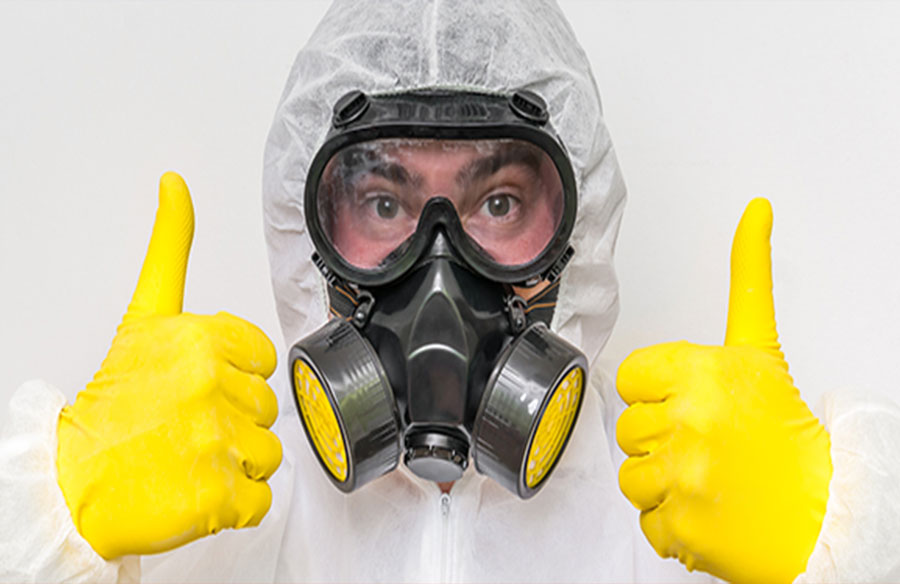
Have you ever seen people wearing those snug-fitting masks and wondered if they’re really effective? Well, there’s a test for that. It’s called Face Fit Testing.
If you use any kind of tight-fitting mask for work or health reasons, knowing about this test is crucial. So, let’s dive into the world of Face Fit Testing and see why it matters.
Understanding Face Fit Testing
Face Fit Testing is a procedure used to ensure that a mask fits the wearer’s face perfectly. Someone who has gone through face fit training can perform these tests to ensure that a mask can protect the wearer from harmful particles in the air, which could be anything from dust to dangerous fumes.
When a mask fits poorly, contaminants can enter the respiratory system, defeating the purpose of wearing the mask in the first place. Imagine working in a construction site with lots of dust or in a hospital handling infectious diseases. A well-fitted mask is your shield against these hazards.
Two main types of masks need Face Fit Testing: filtering facepieces (like N95 masks) and tight-fitting respirators with a half- or full-face cover. The goal is to ensure that these masks form a tight seal around the face.
Types of Face Fit Testing
There are two primary methods for Face Fit Testing: Qualitative and Quantitative.
Qualitative Testing
This is a more straightforward method, often used for disposable masks and half-face respirators. It relies on the wearer’s sense of taste or smell.
Here’s how it works: a tester sprays a solution around the wearer while they wear the mask. If the wearer can detect the taste or smell of the solution, the mask is not fitting correctly.
The solutions used in qualitative testing are typically saccharin (which has a sweet taste) or Bittrex (which has a bitter taste). The test involves several steps, during which the wearer performs various movements like turning their head, talking or bending over. If at any point they can detect the taste or smell, it indicates the mask’s seal is compromised.
Quantitative Testing
This method employs a machine to quantify the amount of leakage into the mask. It’s more precise and is used for all types of tight-fitting respirators. The most common devices used are the PortaCount, which measures particle counts and the Controlled Negative Pressure (CNP) system, which measures air pressure.
During the test, the wearer performs a series of exercises that simulate movements during work (e.g., turning head side to side, moving head up and down, talking, bending over) to assess the respirator’s fit under various conditions.
The results are quantified by calculating a fit factor, which is the ratio of the concentration of the substance in the ambient environment to that inside the mask. A higher fit factor indicates a better-fitting respirator.
Why Do You Need Face Fit Testing?
Safety is the main reason you need Face Fit Testing. If a mask doesn’t fit well, it won’t protect you effectively. Whether you work in construction, healthcare or any job with airborne hazards, a good fit ensures your mask does its job. Here’s why it’s essential:
- Protects Your Health: A well-fitted mask keeps harmful particles out, including dust, chemicals and other hazardous substances. Without a proper fit, these particles can slip through gaps and enter your lungs.
- Ensures Compliance: Many industries have strict safety standards. Face Fit Testing helps ensure compliance with these regulations. Failure to comply can lead to fines or other penalties.
- Improves Comfort: A mask that fits well is more comfortable to wear. It’s less likely to cause irritation or slip off your face. This means you’re more likely to keep it on, ensuring constant protection.
- Boosts Confidence: Knowing your mask fits properly gives you peace of mind. You can focus on your work without worrying about whether you’re protected.
Are There Any Legal Requirements for Face Fit Testing?
In the UK, strict rules govern the use of respiratory protection in workplaces. Employers are legally required to provide Face Fit Testing to ensure that respiratory protective equipment (RPE) fits correctly and is effective.
The Health and Safety at Work Act 1974 requires employers to prioritise the health, safety and well-being of their employees to the reasonably practicable extent. This includes providing suitable RPE and confirming its proper fit.
Additionally, the Personal Protective Equipment at Work Regulations 1992 require that any RPE provided must be fit-tested to ensure it protects workers from specific hazards. Non-compliance can lead to penalties, fines or legal action, emphasising the importance of proper fit and adherence to safety standards.
Face Fit Testing is crucial for anyone who needs to wear a tight-fitting mask. It ensures that the mask will protect you as it should. The benefits are clear: from improving safety and comfort to complying with legal requirements. Regular testing, especially after any changes that could affect mask fit, is essential. So, if you rely on a mask for safety, make sure it fits right. Your health and safety depend on it.







