

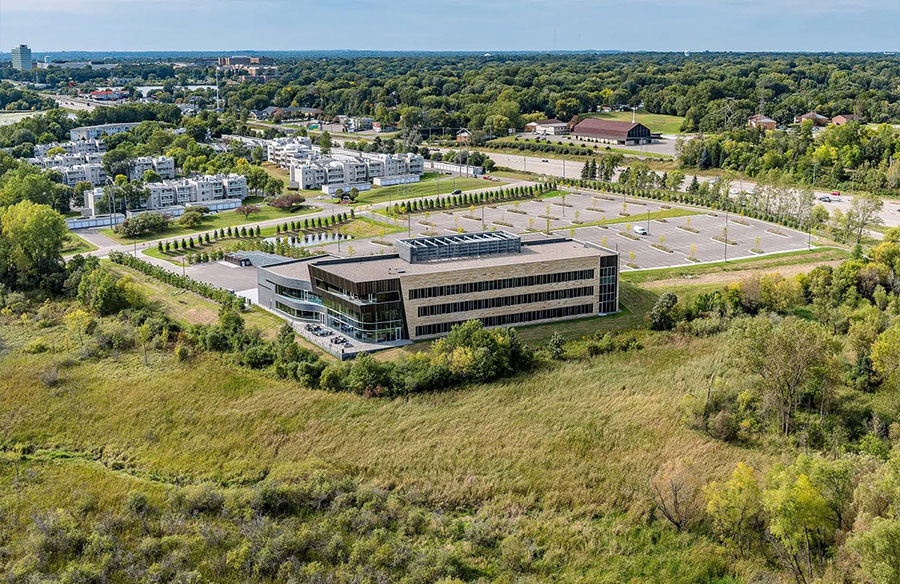
Amid unprecedented urbanization rates, revitalizing sites in inner cities previously used for industrial or commercial purposes holds the key to sustainable development. By repurposing underutilized or contaminated lands, brownfield redevelopment mitigates environmental hazards and fosters vibrant, resilient urban spaces. Explore these projects’ crucial role in shaping green urban planning practices to create more livable and environmentally conscious cities.
Understanding Brownfield Sites
Brownfields are urban areas where hazardous substances from previous industrial activities may complicate expansion and development. Common contaminants found in these zones include heavy metals, petroleum products and asbestos. According to the EPA, over 450,000 such sites exist across the U.S., posing significant challenges such as public health risks, environmental degradation and economic stagnation.
Because these properties often face abandonment and decay, they also create eyesores that diminish the city’s aesthetic quality. Perhaps more importantly, they occupy large swaths of urban land that could otherwise be utilized for residential and commercial purposes, especially with urban populations projected to reach 6 billion by 2045.
Brownfield Redevelopment for Sustainable Urban Planning
Cleaning up and reinvesting in brownfields offers several benefits for greener and smarter urban planning. These initiatives span environmental, economic and social dimensions to foster holistic and sustainable citywide development.
Environmental Remediation
Eradicating the contaminants is the first step to making brownfield sites viable for redevelopment. This primarily involves specialized techniques like soil remediation, groundwater treatment and air purification to restore land to a usable state. These processes also drastically decrease the urban area’s pollution levels, conserve green spaces and promote resource efficiency — the major tenets of eco-conscious urban planning.
Social Benefits
Brownfield redevelopments can improve communities’ quality of life by absorbing overflows from urban sprawls. Once these sites become safe enough to live on, they become integral infrastructure in housing the increasing number of people flocking to cities. This would lessen the pressure on saturated areas, in turn reducing the concentration of environmental pollutants like waste and traffic fumes.
Redeveloped brownfield sites can also incorporate smart infrastructure, especially in cities lacking space for such components. For example, replacing decaying buildings with district heating centers and solar arrays effectively addresses the region’s requirements for sustainable energy and aesthetic appeal.
Economy Revitalization
Another key potential benefit of brownfield redevelopment projects is enhanced economic viability. Adding repurposed residential and commercial spaces increases local tax bases, attracts private investment and facilitates job growth. Over time, these developments could improve property values in surrounding areas, impacting wealth redistribution and driving further economic prosperity.
Selling off brownfield infrastructure in good condition can also generate revenue for local governments and private institutions. Economic conditions largely influence the resale value of this equipment, but they are ultimately better off being reused than dumped in landfills and leaking toxic contaminants.
Integrating Brownfield Redevelopment Into Urban Planning
Cleaning up brownfield sites for urban development requires a strategic approach with inputs from the public and private sectors. The EPA has been the leading authority on these projects on the public side since the 1990s.
It recently released over $300 million in redevelopment grants for more than 200 industrial sites. The private side mainly comprises commercial developers, environmental stewards and high-net-worth individuals looking to invest in sustainable developments. These collaborative efforts are essential to leveraging resources, expertise and funding. They also ensure the projects align with community needs and regulatory requirements.
Access to advanced environmental restoration technologies — such as phytoremediation and bioremediation — will also be vital to achieving eco-friendly brownfield redevelopment. These solutions can expedite the cleanup process and minimize environmental impacts.
Transforming Contaminated Sites into Sustainable Urban Spaces
As cities grapple with rapid urbanization challenges, revitalizing brownfield sites is a promising solution to promote environmental responsibility, economic growth and community well-being. With the right policies and collaborations, brownfield redevelopment can drive sustainable urban planning and improve the quality of life now and in the future.







