

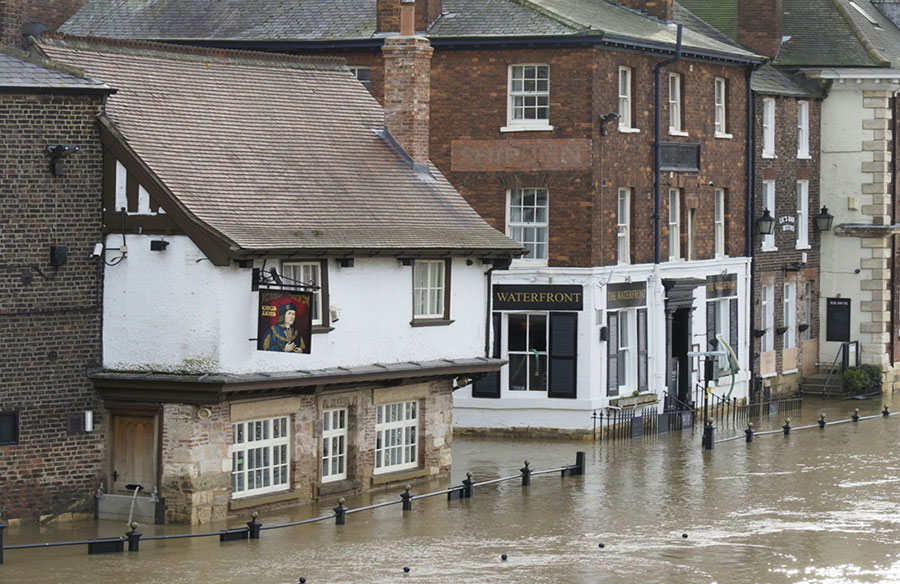
Introduction
Hydrology, the scientific study of water and its movement in relation to land, is a critical field that impacts numerous aspects of society, from agriculture to urban planning. One area where hydrology plays a particularly significant role is in court cases involving flooding. Flooding can lead to extensive property damage, economic loss, and even loss of life, making legal disputes inevitable. This article explores how hydrology intersects with legal proceedings in flooding cases, highlighting its importance in both science and law.
The Role of Hydrology in Understanding Flooding
Hydrology involves the analysis of the distribution, movement, and properties of water in the Earth’s atmosphere and surface. Hydrologists study various water sources, including rivers, lakes, and groundwater, and how they interact with the environment. Key components of hydrology relevant to flooding include:
- Precipitation Patterns: Understanding rainfall distribution and intensity is crucial in predicting flood events.
- Runoff Processes: The way water flows over land surfaces can significantly influence flood risks.
- Watershed Management: Effective management of watersheds can mitigate the impact of floods.
- River and Stream Flow: Analyzing the flow of rivers and streams helps in predicting potential flood zones.
Flooding and Its Causes
Flooding can result from various natural and human-induced factors. Some common causes include:
- Heavy Rainfall: Excessive rainfall can overwhelm drainage systems and lead to flooding.
- River Overflow: Rivers can overflow their banks due to prolonged rainfall or rapid snowmelt.
- Urbanization: Increased impervious surfaces in urban areas reduce natural water absorption, increasing flood risks.
- Climate Change: Changing weather patterns can lead to more frequent and severe flood events.
Legal Aspects of Flooding
When flooding occurs, it often leads to legal disputes involving property damage, insurance claims, and liability issues. Key legal aspects in such cases include:
- Negligence: Determining whether a party failed to take reasonable measures to prevent flooding.
- Strict Liability: In some cases, parties may be held liable for flood damage regardless of fault.
- Regulatory Compliance: Ensuring compliance with local, state, and federal regulations related to flood management.
- Insurance Claims: Handling disputes between property owners and insurance companies regarding flood damage coverage.
Hydrology’s Role in Legal Disputes
Hydrology is essential in providing scientific evidence in court cases involving flooding. A hydrology expert witness offers insights into the causes and impacts of flooding. Their analyses can help determine liability and assess damages. Here are some ways hydrology is used in legal contexts:
1. Flood Risk Assessment
Hydrologists assess flood risks by analyzing historical data, current conditions, and predictive models. They evaluate factors such as rainfall intensity, land use, and watershed characteristics to determine flood probabilities. This information can be crucial in cases where property owners or developers are accused of contributing to flood risks.
2. Flood Mapping
Flood mapping involves creating detailed maps that identify flood-prone areas. These maps are based on topographical data, historical flood records, and hydrological models. In legal disputes, flood maps can provide visual evidence of flood risks and support claims regarding property damage or regulatory compliance.
3. Hydrological Modeling
Hydrological models simulate the movement of water through a watershed. These models can predict how different factors, such as land use changes or climate variability, will impact flood behavior. In court cases, hydrological models can demonstrate the potential impact of development projects or the effectiveness of flood mitigation measures.
4. Damage Assessment
Assessing the extent of flood damage involves analyzing the physical and economic impacts of flooding. Hydrologists can evaluate the severity of flood events and their effects on infrastructure, agriculture, and property values. This information is critical in determining compensation amounts in legal disputes.
Case Studies: Hydrology in Action
Case Study 1: Urban Development and Flooding
In a landmark case, a group of homeowners sued a property developer for flood damage, alleging that inadequate drainage systems in a new housing development caused their homes to flood during heavy rains. Hydrologists conducted a thorough analysis, including flood risk assessment and hydrological modeling, to determine the impact of the development on local flood patterns. The court ruled in favor of the homeowners, highlighting the importance of proper drainage planning in urban development.
Case Study 2: Industrial Pollution and Flood Risks
Another case involved a manufacturing company accused of contributing to flooding through illegal dumping of waste materials into a nearby river. Hydrologists were called to assess the impact of the pollution on river flow and flood risks. Their findings demonstrated that the waste materials significantly altered the river’s capacity to handle heavy rainfall, leading to increased flood risks. The court ordered the company to pay for damages and implement remediation measures.
Mitigation and Prevention Strategies
Effective flood management requires a combination of scientific knowledge and proactive measures. Some key strategies include:
- Improved Urban Planning: Incorporating flood risk assessments into urban development plans to minimize flood risks.
- Green Infrastructure: Implementing green infrastructure, such as wetlands and permeable pavements, to enhance natural water absorption.
- Flood Warning Systems: Developing early warning systems to alert communities about impending flood events.
- Regulatory Measures: Enforcing strict regulations on land use and construction in flood-prone areas.
Conclusion
Hydrology is an indispensable tool in understanding and managing flood risks. In the context of legal disputes, hydrologists provide critical evidence that can influence the outcome of court cases involving flooding. By integrating scientific knowledge with legal expertise, we can better address the challenges posed by flooding and work towards more resilient and sustainable communities. As climate change continues to impact weather patterns, the role of hydrology in both science and law will only become more vital.







