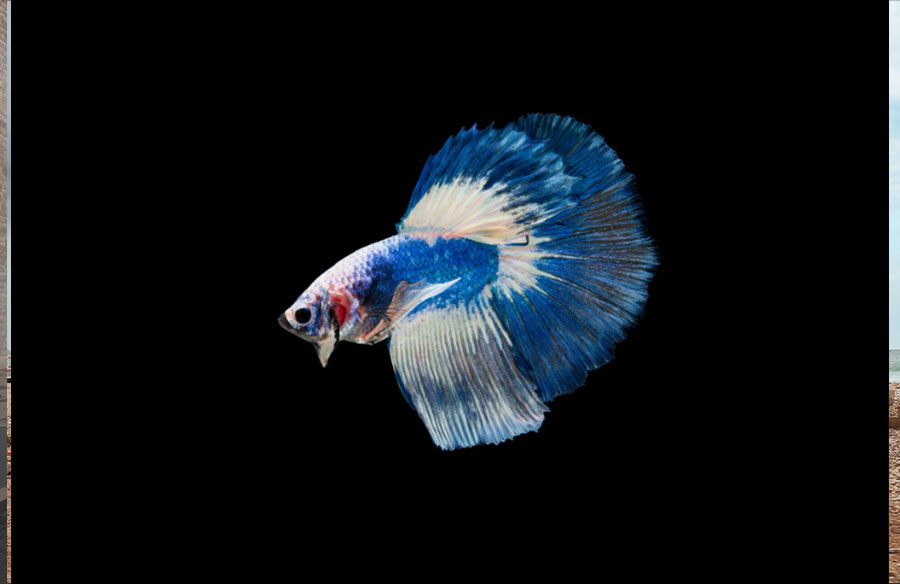
Discover everything about the elephant ear betta, from care and tank setup to feeding, behavior, and lifespan. A simple, friendly guide for fish lovers 🐟✨
Beautiful and Unique Fish
With its large, flowing fins that resemble elephant ears, this betta variety stands out the moment you see it. Many fish lovers choose this type of betta because it combines beauty, personality, and easy care. Whether you are a beginner or an experienced fish keeper, learning about elephant ear bettas can help you provide your fish with a better, healthier life.
What Is an Elephant Ear Betta
The Elephant ear betta, also called the dumbo ear betta, is a special type of Betta splendens. What makes it different from other bettas is its large, wide pectoral fins. These fins grow outward on both sides of the head and look like ears, which is how this fish got its name. Unlike long-tail types such as halfmoon or veiltail bettas, the elephant ear betta’s most noticeable feature is not its tail but its side fins.
Appearance and Color Variations
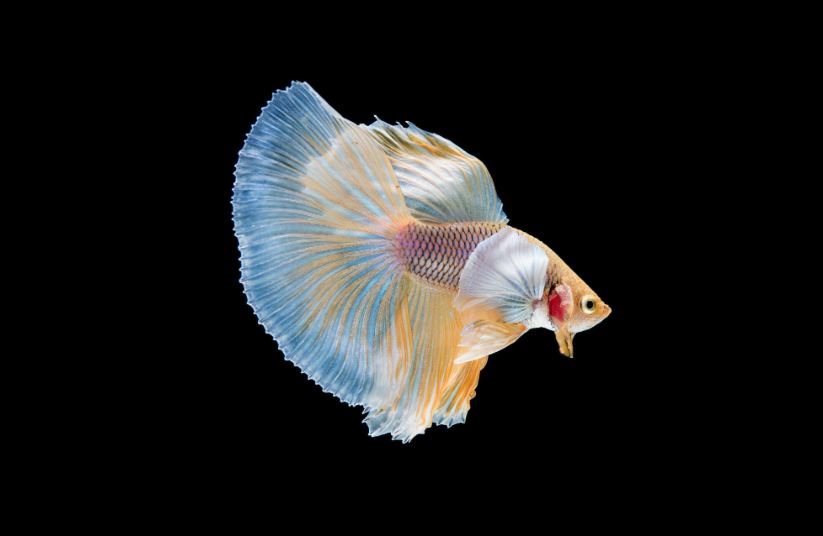
Elephant ear bettas come in a wide range of colors, including blue, red, black, white, marble, and mixed patterns. Some have bright white ears with darker bodies, while others have matching fins and body colors. No two elephant ear bettas look the same, which makes them especially popular among fish keepers who enjoy owning unique and beautiful fish.
Personality and Behavior
Elephant ear bettas share the same personality traits as other bettas. They are smart, curious, and often recognize their owners. Many owners notice their fish swimming toward the glass when they walk by or reacting when they approach the tank. Some bettas even follow fingers along the glass, showing awareness and interest in their surroundings.
Territorial Nature and Social Traits
Despite their gentle appearance, bettas are territorial by nature. Male elephant ear bettas should never be kept with other male bettas, as this can lead to serious fighting and injury. They may also show aggression toward fish with long fins or bright colors, mistaking them for rivals. However, when kept alone or with carefully chosen tank mates, elephant ear bettas can be calm, peaceful, and enjoyable to watch.
Swimming Style and Movement
The large fins of an elephant ear betta give it a slow and graceful swimming style. Instead of darting quickly around the tank, these bettas tend to glide smoothly through the water. They often pause on plant leaves, decorations, or near the surface to rest. This gentle movement adds to their calming presence, making them a favorite among people who enjoy peaceful aquarium setups.
Ideal Tank Size and Environment
Creating the right tank environment is essential for the health and comfort of an elephant ear betta. While bettas are often sold in small containers, they do best in tanks that are at least five gallons in size. A larger tank gives the fish more room to swim, helps maintain stable water conditions, and reduces stress.
Water Temperature and Heating Needs
Water temperature should be kept between 76 and 82 degrees Fahrenheit. Bettas are tropical fish, and cold water can weaken their immune systems, making them more likely to get sick. A reliable aquarium heater is necessary to maintain the proper temperature, especially in cooler rooms or during colder seasons.
Filtration and Water Flow
Filtration is important, but the filter should produce a gentle flow. Elephant ear bettas are not strong swimmers because of their large fins, and strong currents can exhaust them or make it difficult to move around the tank. Sponge filters or filters with adjustable flow settings work well and help keep the water clean without stressing the fish.
 Importance of Clean Water
Maintaining good water quality is one of the most important parts of betta care. Poor water conditions can lead to stress, illness, and fin damage. Clean water supports the fish’s immune system and allows it to stay active and healthy.
Water Change Routine
A partial water change of about 20 to 30 percent once a week is usually enough for a properly filtered tank. In smaller tanks or tanks without filtration, water changes may need to be done more often. Always use a water conditioner to remove chlorine and other harmful substances from tap water before adding it to the tank.
Water Testing and Stability
Testing the water regularly helps ensure that ammonia and nitrite levels remain at zero, while nitrate levels stay low. Stable water conditions make a big difference in keeping an elephant ear betta healthy and active over time.
Best Types of Food for Elephant Ear Bettas
High-quality betta pellets should be the main part of their diet. These pellets are specially designed to meet a betta’s nutritional needs and should list fish meal, shrimp, or similar ingredients as the main components. Feed small amounts once or twice a day, offering only what the fish can eat within two minutes.
Lifespan and Long-Term Care
With proper care, elephant ear bettas can live between three and five years, and some even live longer. Their lifespan depends on water quality, diet, tank conditions, and overall care.
Common Health Issues
Like all fish, elephant ear bettas can develop health problems if their environment or diet is not ideal. Being aware of common issues helps you take action early and improve recovery chances.
Conclusion and Care Summary
By providing a clean, warm tank, a nutritious diet, and gentle care, you can enjoy many years with your elephant ear betta. Whether kept alone or with suitable tank mates, this fish has the ability to become a true centerpiece of your aquarium. If you are looking for a fish that is both visually impressive and full of character, the elephant ear betta is an excellent choice.