Introduction
When homeowners consider switching to metal roofing—or choosing colors for a new construction project—one of the most common questions that comes up is: Does metal roofing color affect heating and cooling bills?
The short answer is yes—metal roofing color can significantly influence your home’s indoor temperature, energy consumption, and overall comfort. But the long answer involves understanding reflectivity, emissivity, insulation, climate, material coating technology, and more.
In this in‑depth guide, you’ll learn:
- How metal roofing color influences heat absorption
- The difference between light vs. dark roofing shades
- How energy-efficient coatings work
- How climate affects your best roofing color choice
- Cost‑saving potential on heating and cooling bills
- Long-term benefits of proper roof color selection
- Expert tips for choosing the best metal roofing color for your home
Let’s explore the science and real-world data behind metal roof color and energy efficiency—so you can make the most informed decision possible.
What Does Metal Roofing Color Have to Do With Energy Efficiency?
Metal roofs are known for their durability, longevity, and low maintenance requirements. But one of their strongest benefits is energy efficiency—especially when paired with the right color.
The primary energy-related factors are:
- Solar reflectance (albedo) – How much sunlight the surface reflects
- Thermal emissivity – How quickly the roof releases absorbed heat
- Heat absorption – How much heat the roof retains and transfers into the home
The color of your metal roof plays a major role in all three of these factors.
How Metal Roof Color Influences Heat Absorption
Light Colors Reflect Heat
Light-colored metal roofs such as:
- White
- Beige
- Light gray
- Light blue
- Light green
have high reflectivity, meaning they reflect a large percentage of the sun’s energy. This reduces how much heat is absorbed into your attic, which means:
- Lower indoor temperatures
- Less air conditioning usage
- Reduced energy bills
On average, a light-colored roof can reflect up to 60%–90% of sunlight.
Dark Colors Absorb Heat
Darker colors like:
- Black
- Charcoal
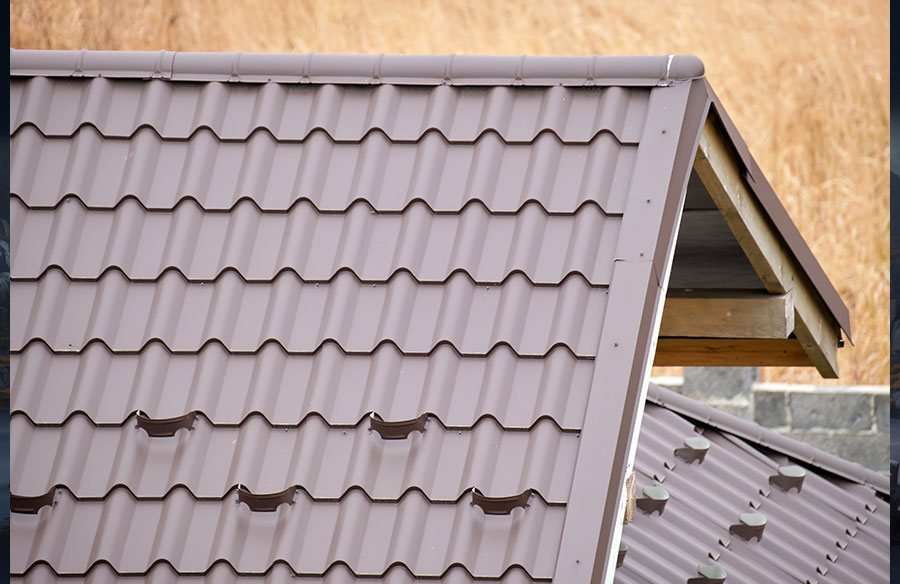
- Dark brown
- Forest green
- Deep red
absorb more solar energy. They typically reflect only 10%–30% of sunlight.
A darker metal roof can raise roof surface temperatures by 30–40 degrees Fahrenheit (17–22 degrees Celsius) compared to light colors.
Energy-Efficient Coatings Change the Game
Modern metal roofing often features cool roof coatings or Kynar 500 paint systems, which dramatically improve reflectivity—even on darker colors.
These coatings use reflective pigments that bounce infrared radiation away from the surface, reducing heat absorption.
Benefits include:
- Cooler indoor temperatures
- Less stress on HVAC systems
- Improved comfort during summer
So while a dark roof without cool coating absorbs a lot of heat, a darker roof with cool technology can perform nearly as well as a lighter, uncoated roof.
How Metal Roofing Color Impacts Cooling Bills
Let’s break down how color affects cooling bills during warmer months.
Light-Colored Roofs Lower Cooling Costs
Because they reflect the majority of sunlight, light metal roofs help:
- Keep attic temperatures lower
- Reduce indoor heat transfer
- Cut summer energy costs by up to 20–30% in warm climates
- Extend the lifespan of insulation and HVAC components
Dark-Colored Roofs Can Increase Cooling Costs
Darker colors absorb significantly more heat, raising indoor temperatures and forcing air conditioning systems to work harder.
Homes in hot climates may experience:
- Higher cooling expenses
- Overworked HVAC systems
- Increased long-term energy usage
- A less comfortable indoor environment
In regions where summer temperatures dominate the climate, choice of roof color has a powerful effect on monthly bills.
How Metal Roof Color Influences Heating Bills
Most homeowners associate metal roofing color with summer cooling costs—but what about winter heating?
Here’s what you need to know:
Darker Roofs May Reduce Heating Costs in Winter
Because they absorb more heat, dark metal roofs can:
- Help melt snow faster
- Reduce winter heat loss (slightly)
- Potentially lower heating bills
However, the savings are usually much smaller compared to summer cooling savings, because:
- Winter sunlight is weaker
- Days are shorter
- Snow often covers the roof
- Most heat escapes through walls and windows, not the roof
Light Roofs Can Increase Heating Needs in Winter
If you live in a very cold climate, using a highly reflective roof color might:
- Reduce passive solar heat gain
- Increase heating costs during winter months
However, modern insulation, attic venting, and underlayment technologies often offset this issue.
Climate Matters: Best Roof Colors by Region
Your climate is one of the most important factors in selecting the best roof color for energy efficiency.
Hot and Sunny Climates
Examples:
Southern US, Mediterranean regions, Australia, Middle East, Southern UK in summer
Best choices:
White, Beige, Light Gray, Light Green, Light Blue
Benefits:
- Maximum cooling savings
- More comfortable summer temperatures
Cold or Snowy Climates
Examples:
Northern US, Canada, Northern UK, Alpine regions
Best choices:
Dark Gray, Black, Deep Brown, Forest Green, Burgundy
Benefits:
- Slight heating cost reduction
- Faster snow melt
Mixed or Moderate Climates
Examples:
Midwestern US, Central Europe, most of the UK
Best choices:
Medium tones or cool-coated darker colors
Best strategy:
Choose aesthetically pleasing colors and rely on insulation, ventilation, and reflective coating technology.
Additional Factors That Influence Energy Efficiency
Color is important, but it’s not the only thing that determines your heating and cooling bills.
Here are other key factors:
1. Roof Coating Technology
Cool roof coatings can improve reflectivity by 30–50%.
2. Insulation Quality
Better insulation means less heat transfer, regardless of roof color.
3. Roof Ventilation
A properly ventilated attic stays cooler in summer and drier in winter.
4. Roof Material Thickness
Thicker metal panels can store and dissipate heat more efficiently.
5. Home Orientation
South-facing roofs receive the most direct sunlight, affecting energy performance.
6. Local shading
Trees, nearby structures, and landscaping can moderate roof temperature.
Real-World Energy Savings from Metal Roofing Colors
Several studies show impressive savings from switching to light-colored or cool-coated metal roofs:
- Homes in hot climates saw up to 40% reduction in cooling energy usage.
- Average homeowners nationwide can save 10–20% annually on energy bills.
- Cool roof coatings can reduce roof surface temperatures by 50–60°F (28–33°C).
Over a 30–50 year lifespan, the savings can be substantial.
Aesthetic Considerations When Choosing Metal Roof Color
Energy efficiency matters—but so does curb appeal.
Thankfully, modern metal roofing offers dozens of color choices that balance:
- Style
- Energy performance
- Home design
- Neighborhood aesthetic
- Resale value
Some popular color options include:
- Charcoal gray
- Matte black
- Copper patina
- Slate blue
- Barn red
- Almond
- Ash gray
- Forest green
If you want an energy-efficient but stylish option, choose a medium or dark color with a cool reflective coating.
Metal Roofing Color Choices and Home Resale Value
Your roofing color selection can influence home resale value by:
- Boosting curb appeal
- Making the home more energy efficient
- Increasing long-term durability
- Appealing to eco-friendly buyers
Homes with metal roofing often sell faster and at higher prices thanks to their modern appearance and energy savings.
Long-Term Cost Benefits of Choosing the Right Metal Roofing Color
Choosing the right color can lead to:
- Lower monthly energy bills
- Reduced HVAC strain
- Better indoor comfort year-round
- Longer lifespan for roofing materials
- Lower maintenance costs
And since metal roofs last 40–70 years, color selection becomes a long-term financial decision.
So, Does Metal Roofing Color Affect Heating and Cooling Bills?
Yes—metal roofing color plays a major role in your home’s energy efficiency.
- Light colors reduce heat absorption and lower cooling costs
- Dark colors absorb heat and may slightly reduce winter heating costs
- Cool coatings can improve reflectivity in any color
- Climate determines which choice is best
- Proper insulation and ventilation enhance performance
By selecting the right color and coating for your environment, you can significantly reduce your energy bills and enjoy a more comfortable home.
Conclusion
Metal roofing color has a direct impact on both heating and cooling bills, as well as overall home comfort. The right color choice—combined with modern reflective coatings—can reduce energy consumption, improve indoor temperatures, and enhance the long-term efficiency of your home. Whether you live in a warm, cold, or mixed climate, choosing a smart roofing color can deliver noticeable financial benefits over time.
If you love learning more about home improvement, energy savings, home decor, and real estate tips, make sure to visit Home Comfort Experts. The website is a fantastic resource packed with guides, practical advice, and inspiration for all types of home projects and improvements. It’s the perfect place to gain expert knowledge to make your home more beautiful, efficient, and comfortable.