In contemporary architecture, the definition of luxury has expanded beyond aesthetics. Today, it encompasses how spaces function, how they protect, and how seamlessly they support the lifestyles of those who inhabit them.
As high-value personal assets—particularly luxury watch collections—become increasingly central to private wealth portfolios, architects and interior designers are facing a new challenge:
How do you integrate security into a space without compromising design?
The answer is shaping a new category within residential architecture—the integration of luxury watch safes into modern living environments.
The Shift from Concealment to Integration
Traditionally, safes were designed to be hidden—placed behind walls, under floors, or within concealed compartments. Their primary function was protection, often at the expense of accessibility and design coherence.
However, modern luxury living is redefining this approach.
Today’s clients expect:
- Immediate access to personal collections
- Visual harmony within interior spaces
- Discreet yet sophisticated security solutions
This shift has transformed safes from purely functional objects into integrated architectural elements.
Rather than hiding them, designers are now incorporating them directly into the spatial narrative.
Watch Collections as Design Considerations
Luxury watches are no longer stored away as secondary items. In many high-end residences, they are treated with the same importance as art, jewelry, or curated collectibles.
This elevates storage from a technical requirement to a design brief.
Architects must now consider:
- Spatial allocation for secure storage systems
- User interaction and accessibility
- Lighting, materials, and visual presentation
- Integration within dressing rooms, private lounges, or offices
The presence of a growing watch collection directly influences how spaces are planned and executed.
The Role of the Luxury Watch Safe in Architecture
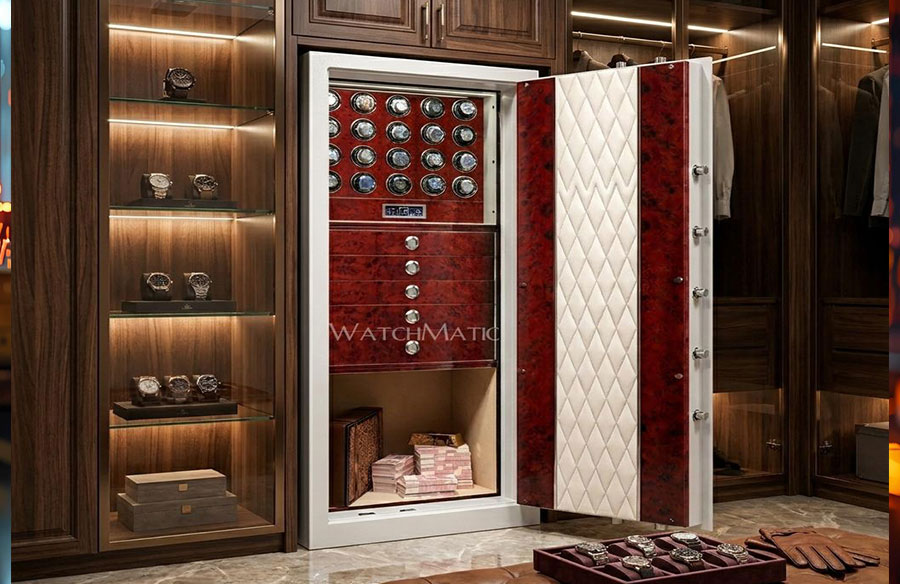
At the center of this evolution is the high-end watch safe—a system that combines structural security with refined design.
Unlike traditional safes, these units are designed to function as part of the built environment. They offer:
- Clean, architectural lines that align with modern interiors
- Customizable finishes to match surrounding materials
- Scalable configurations for expanding collections
- Advanced security systems embedded within a discreet interface
Solutions such as high-end watch safe cabinets are increasingly specified in residential projects, not as afterthoughts, but as core components of spatial planning.
Brands like WatchMatic are contributing to this shift by developing systems that align with both architectural and collector expectations.
 Spatial Integration: Where Design Meets Function
The integration of watch safes varies depending on the type of residence and client lifestyle, but several common approaches are emerging:
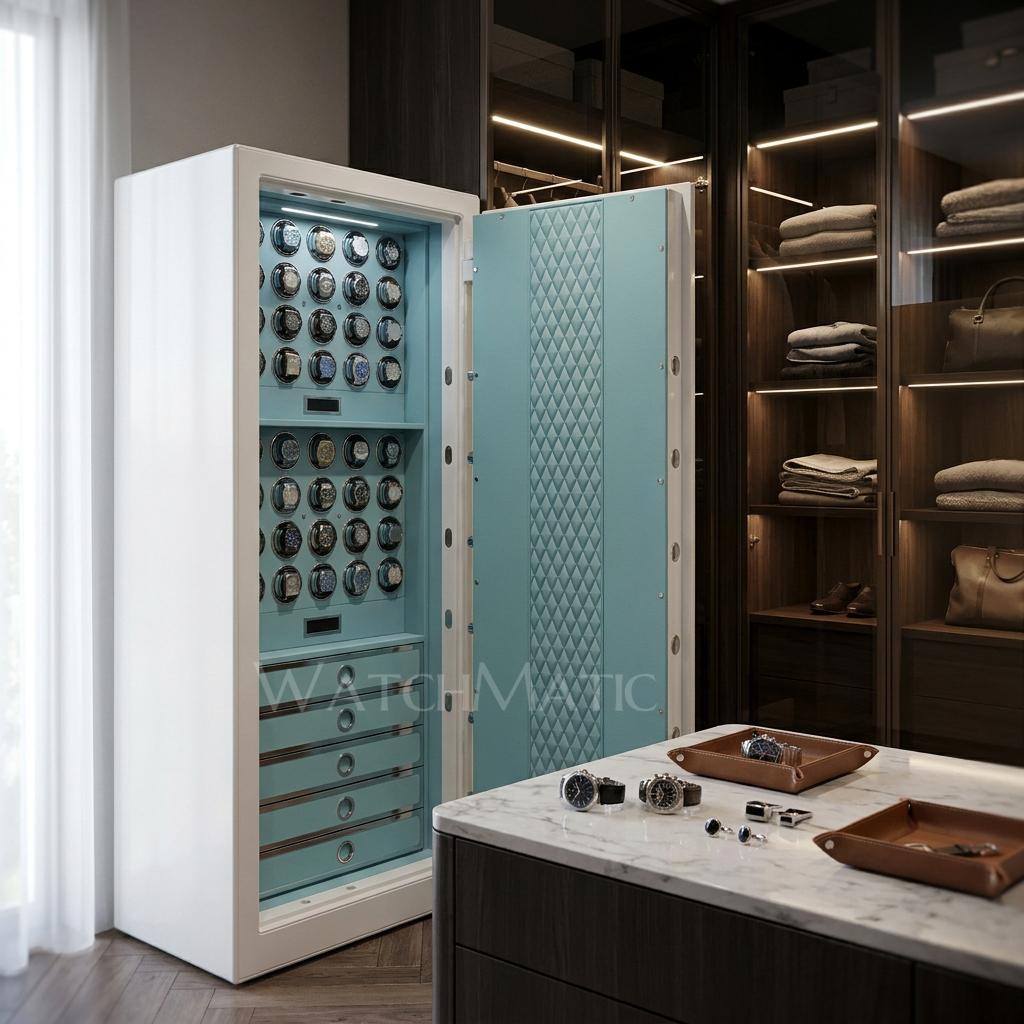
1. Walk-In Wardrobes and Dressing Rooms
Safes are incorporated into cabinetry systems, allowing collectors to access their watches as part of their daily routine.
2. Private Offices and Lounges
Watch safes are positioned within personal spaces, often alongside other curated assets, reinforcing their role as part of a broader lifestyle.
3. Dedicated Collector Rooms
In ultra-high-end residences, entire rooms are designed around collections—where storage, display, and security coexist.
In each case, the goal is the same:
to create a seamless experience where security does not interrupt design—but enhances it.
Materiality and Visual Language
One of the key challenges in integrating safes into architectural spaces lies in material alignment.
Modern high-end watch safe systems are designed with this in mind, offering:
- Interior finishes that complement luxury materials such as wood veneers, leather, or brushed metal
- Exterior surfaces that align with cabinetry or wall treatments
- Minimalist interfaces that avoid visual disruption
This level of customization allows safes to blend into the architectural language of the space, rather than stand apart from it.
Beyond Storage: Interaction and Experience
As safes become part of the living environment, user interaction becomes increasingly important.
Designers are now considering:
- How a safe is opened and accessed
- The tactile experience of materials
- The visibility of the collection once opened
- The integration of lighting to enhance presentation
In many cases, these systems also incorporate functional elements such as watch winder safe modules, ensuring that automatic watches remain operational while securely stored.
This convergence of usability and security reflects a broader trend in architecture—where design is not only visual, but experiential.
Security as a Design Layer
Rather than being treated as an isolated feature, security is now viewed as a layer within the overall design strategy.
This includes:
- Structural considerations during early planning stages
- Integration with smart home systems
- Discreet placement that balances accessibility and privacy
The result is a more holistic approach, where security is embedded into the architecture itself.
The Future of Integrated Luxury Storage
As the expectations of high-net-worth clients continue to evolve, the role of integrated storage solutions will only become more prominent.
Luxury watch safes are no longer niche products—they are becoming part of the standard toolkit for architects designing high-end residences.
With brands like WatchMatic advancing the category, the intersection of architecture, design, and security is entering a new phase—one defined by seamless integration and elevated functionality.
Because in modern architecture, true luxury is not just what you see—
it is how every element of the space works together, including how it protects what matters most.