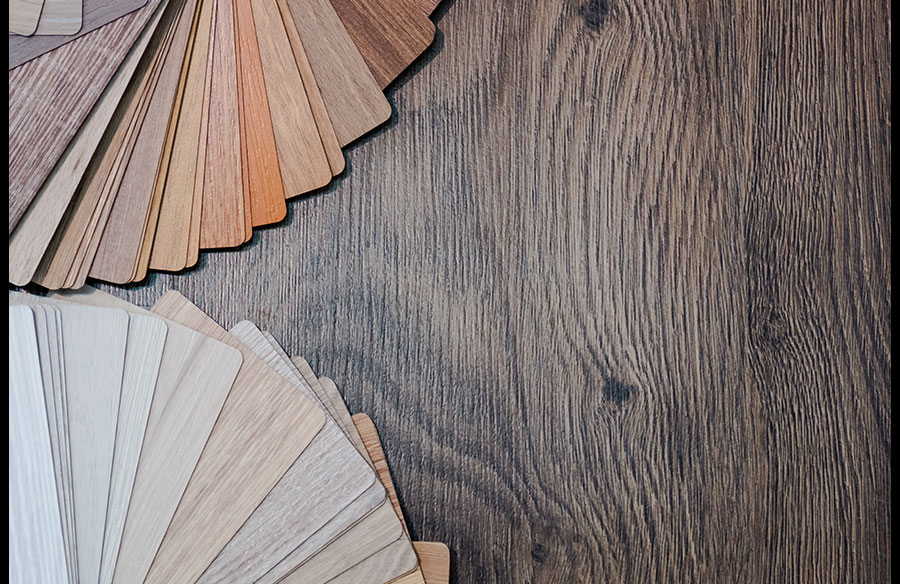
Hardwood flooring can boost your home’s resale value by as much as $7,000 to $10,000. Homes with hardwood floors are often considered more attractive to buyers and may sell faster or at higher prices compared to properties with other flooring materials. However, not all hardwood installations deliver equal returns. Your choice of hardwood flooring finishes and textures plays a significant role in both aesthetics and longevity. Different hardwood floor finishes offer varying levels of durability, with some lasting up to 25 years with proper care. Similarly, hardwood flooring texture options can dramatically affect your home’s visual appeal.
Understanding Hardwood Floor Finishes
Hardwood floor finishes play an important role in protecting surfaces from moisture, daily wear, scratches, and staining while also affecting the wood’s appearance, sheen, and colour tone. Without proper finishing and sealing, wood can absorb moisture, leading to swelling, warping, and long-term structural damage. Hardwood flooring installation and refinishing are common choices in residential and commercial projects. BC Floors hardwood flooring services include oak, maple, hickory, and other hardwood species used in a wide range of flooring applications.
Hardwood floor finishes generally fall into two categories: surface finishes and penetrating finishes. Surface finishes create a protective layer on top of the wood, helping reduce visible wear and making maintenance easier. Penetrating finishes soak into the wood itself, enhancing natural texture and providing a more natural appearance with lower sheen levels. Finish sheen can range from high gloss to matte, with lower-sheen finishes typically helping hide scratches and everyday wear more effectively.
Common Types of Hardwood Flooring Finishes
Water-Based Polyurethane
Water-based polyurethane appears milky in the can but dries clear and maintains its clarity over time. This finish contains 30 to 35 percent solids, which creates the protective layer. You’ll need to apply four coats to achieve adequate protection. Each coat dries within two hours, allowing you to complete all applications in a single day if you start early.
The finish releases low levels of volatile organic compounds and produces minimal odour during application. Cleanup requires only soap and water. Water-based polyurethane preserves the natural colour of blonde hardwoods like maple and birch without adding amber tones. The fast drying time can cause bubbles to harden into the surface, requiring extra care during application.
Oil-Based Polyurethane
Oil-based polyurethane contains 45 to 50 percent solids, creating a more protective finish with fewer coats. You typically need only one to two coats compared to water-based alternatives. Each coat requires 8 to 10 hours to dry. The finish adds an amber glow to wood and continues to yellow over time.
This finish produces strong odours and requires mineral spirits or paint thinner for cleanup. VOC content can reach as high as 550g/L, necessitating respirators and proper ventilation during application. After the final coat, wait at least 48 hours before walking on floors and 4 days before moving furniture.
Hardwax Oil
Hardwax oil penetrates wood fibres rather than forming a surface film. The finish combines vegetable oils that soak into the wood with waxes that create a water-resistant layer on the surface. Most products require only a single application.
The finish allows for localized spot repairs without refinishing the entire floor. Hardwax oils contain low or zero VOC levels, with some products completely VOC-free. The application process involves working the product into wood with an electric buffing tool or by hand, then removing excess with absorbent cloths.
Penetrating Oil Sealer
Penetrating oils absorb into wood through capillary action and harden through oxidation. Pure oils require 6 to 8 coats for adequate protection, with each coat needing time to dry between applications. The process can take several weeks depending on humidity levels.
These finishes require re-oiling every 3 to 5 years. Tung oil cures harder than linseed oil, resists moisture better, and doesn’t mould. The finish brings out wood grain and depth without adding high shine.
Wax Finish
Wax provides lower durability than other hardwood finishes and shows wear patterns like fingerprints readily. The finish requires semi-annual to annual maintenance. Wax lacks sufficient strength for tables, kitchen cabinets, or surfaces with frequent use.
Nothing adheres well to wax, creating challenges for future finish changes. Removing wax for recoating carries a high risk of failure. The finish takes considerable physical effort to apply by hand.
Exploring Hardwood Flooring Texture Options
Texture selection influences both your floor’s appearance and maintenance requirements. While finishes protect wood from moisture and damage, textures determine how your floor responds to daily wear patterns.
Smooth Texture
Smooth hardwood flooring receives delicate sanding that highlights the grain while creating a perfectly flat surface. The uniform appearance pairs well with high gloss finishes for a polished look. You’ll find cleaning straightforward since dust sits on top rather than settling into grooves. However, scratches and dents become immediately visible on the pristine surface.
Hand-Scraped Texture
Hand-scraped flooring features long, uneven scrapes created with specialized tools to mimic decades of foot traffic. The texture ranges from subtle to extreme depending on your desired result. Automated machines mill the wood and create rows of depressions with varying depths. You’ll feel a wavy surface underfoot. The deeper grooves disguise dents and scratches in active households.
Wire-Brushed Texture
Wire brushing removes soft wood fibres with steel bristles, leaving the harder heartwood grain exposed. The process creates subtle, linear texture that follows the wood’s natural grain pattern. This texture hides scratches, dirt stains, and dust between cleanings. Wire-brushed surfaces provide better slip resistance due to the textured grain.
Distressed Texture
Distressed flooring uses hammering, chiselling, or chemicals to create an aged appearance. The texture varies dramatically from plank to plank with unpredictable patterns. Scratches naturally blend into the existing texture, making this texture worry-free for families with children and pets.
Choosing the Right Finish and Texture for Your Home
Your household’s activity level determines which hardwood floor finishes and types hardwood flooring work best. High-traffic homes with pets benefit from two-component waterborne finishes that resist scratches and scuffs, with products like Bona Traffic HD meeting stringent Greenguard Gold Certification standards while providing durability for daily wear.
Sheen selection affects both appearance and maintenance. Matte finishes conceal scratches better than glossy surfaces, making them practical for busy households. Glossy finishes suit formal spaces where elegance outweighs daily wear concerns.
When indoor air quality matters, low-VOC or VOC-free finishes are preferred, as water-based coatings generally emit fewer volatile organic compounds than oil-based alternatives (EPA Indoor Air Quality guidance.
Consider maintenance intervals before committing. Polyurethane finishes require refinishing every several years, whereas hardwax oils need booster coats every one to three years. Oil-based finishes demand periodic touch-ups but allow simple buffing without sanding.
Texture choice depends on your tolerance for visible wear. Hand-scraped and distressed hardwood flooring texture options hide scratches from children and pets. Smooth textures require more vigilant maintenance but deliver clean, modern aesthetics.
Anti-slip properties matter on stairs or in homes with older residents, and specialized waterborne systems like Bona Traffic HD can address these requirements without sacrificing appearance.
Conclusion
Your choice of hardwood floor finish and texture impacts both durability and appearance for years to come. Water-based polyurethane offers low VOCs and clarity, while oil-based varieties provide amber warmth. Hardwax oils allow spot repairs, whereas penetrating oils enhance natural grain. In like fashion, textured surfaces hide wear better than smooth finishes. Match your selection to your household’s activity level, maintenance preferences, and aesthetic goals for the best long-term results.