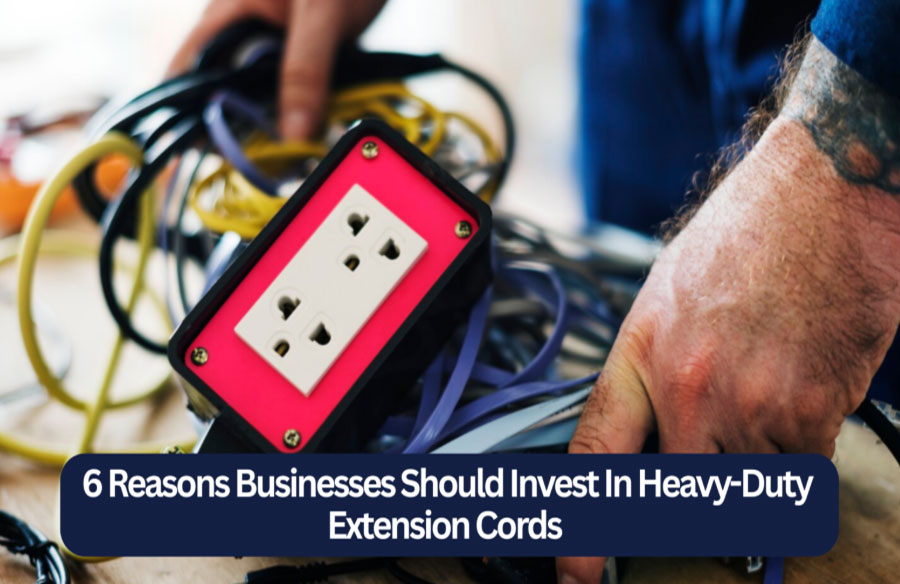
When power needs to change, businesses often reach for quick fixes like casual extension cords, but those temporary solutions frequently fail under real operational stress. Poor quality cables not only disrupt processes but also pose safety hazards and hidden costs that can quickly add up.
Rather than coping with downtime and danger, companies can take control of their temporary power distribution using industrial power cords and heavy-duty extension cables designed for heavy use and demanding environments.
Heavy-duty cords deliver more reliable performance, improved safety compliance, and longer service life compared with consumer-grade products. In this article, we walk through six strategic reasons your business should move beyond everyday cords and invest in robust, professional heavy-duty extension cables.
1. Workplace Safety With Industrial-Grade Extension Cords
Businesses that use electrical systems cannot compromise safety. The ordinary use of extension cords by Americord is intended to be used in light loads and could cause severe trips, shock, or fire hazard when overloaded, damaged, or used outside ideal conditions. On commercial sites, these common risks compound because cords are exposed to abrasion, foot traffic, and fluctuating loads.
On the contrary, UL-certified cords and industrial power cords are designed with greater safety and insulation criteria. Long-term business use of heavy-duty cords aligns with expert guidance, which requires flexible cords to be rated for the usage environment and properly grounded to reduce hazards.
Furthermore, electrical hazards continue to pose substantial risks across a wide range of work environments, particularly when equipment and power distribution systems are not properly rated or maintained.
By selecting heavy-duty extension cords by Americord that meet these design and certification criteria, businesses actively reduce risk exposure and promote safer work environments. Following cord safety tips ensures compliance with workplace electrical safety standards.
2. Prevent Equipment Damage With Heavy-Duty Extension Cords
 Downtime of the equipment due to inadequate power supply is costly. Tools may malfunction or wear prematurely when the current supply is unstable.
The everyday extension cords often cannot maintain consistent voltage over longer distances or high load demands. This uncertainty speeds up the process of motor wear and heat stress, plus disrupting the accurate action of sensitive devices that relate to the quality of power.
Heavy-duty extension cables and industrial power cords are engineered with thicker conductors and appropriate American Wire Gauge (AWG) to maintain stable temporary power distribution. The ratings support higher current loads without excessive voltage drops. Using wires and plugs sized for your tools reduces resistive losses and maintains steady power delivery across operational zones.
A strong power distribution plan entails the absence of daisy chaining (connecting two or more cords with each other), which is another root cause of heat build-up and interconnection. Companies that invest in heavy-duty models discover that their investment will pay off in fewer replacements and less maintenance.
3. Durable Heavy-Duty Extension Cords Lower Long-Term Costs
It’s easy to underestimate extension cord costs when buying inexpensive units in bulk. What is less apparent is that cheap cords have a short lifespan when placed in a normal industrial environment, and therefore, you have a lot of replacements, unforeseen downtime, and overall increased ownership cost.
Companies that use heavy-duty alternatives discover that the higher initial cost makes them less frequently replaced and less in need of service. Industrial power cords and heavy-duty extension cables use reinforced sheathing, durable jackets, and strain relief to withstand mechanical stress, while reducing cord safety risks and long-term replacement costs.
These upgrades matter: durability prevents costly mid-project failures and limits interruptions that disrupt schedules and productivity. Long-term use of heavy-duty extension cords by Americord helps limit indirect costs related to workplace injuries caused by damaged or unsafe cables.
4. Flexible Heavy-Duty Extension Cords for Indoor and Outdoor Use
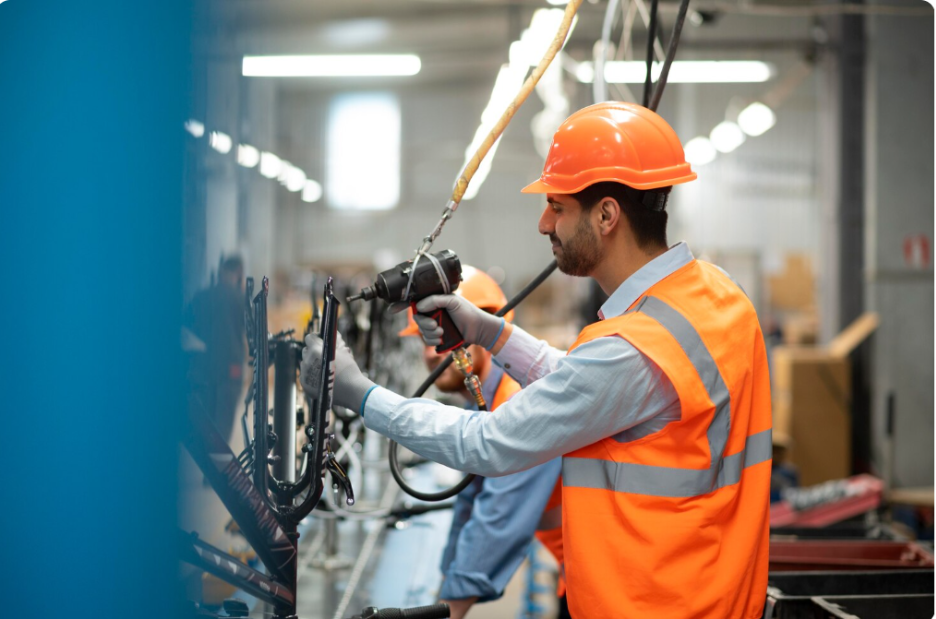 Business activities do not always remain in one setting. Businesses frequently shift production lines, stage equipment outdoors, or host temporary events that require adaptable power solutions. Regular domestic cords cannot withstand the effects of rain, dust, or changes in temperature.
Heavy-duty extension cables and UL-certified cords by Americord with a rating that fits both indoor and outdoor usage. Outdoor-rated cords incorporate water-resistant jackets and UV-stable materials that maintain flexibility across seasons and environments. The correct type of cords allows teams to safely operate power both between floors of the warehouse, job sites, yard, or temporary sites.
This kind of flexibility supports business agility. Teams can deploy equipment efficiently using extension cords rated for the conditions and load. Flexible deployment increases productivity while minimizing the need for costly hardwired installations.
5. UL Certified Cords Ensure Compliance and Workplace Safety
Compliance with electrical codes and safety regulations ensures that businesses avoid paying fines, litigation, and insurer pressure. Electrical codes provide clear guidance on when and how extension cords may be used in temporary power delivery. Businesses that rely on professional-grade extension cords that carry relevant certification marks demonstrate compliance with these published standards.
The implementation of cables that comply with these requirements helps planners and safety officers not justify the risky workarounds, and fewer violations of the code are detected during audits. This regulatory confidence streamlines operations and allows safety teams to focus on proactive risk management.
Compliance also sends a strong message to employees and clients that your organization prioritizes safety and professionalism. Investing in certified, heavy-duty extension cords upholds internal policies and reinforces a culture of responsibility around electrical infrastructure.
6. Reliable Power Distribution with Industrial Extension Cords
 Increased productivity is usually not noticeable until it is gone. Power interruptions, circuit breakage, and overheated cords cause work to stall and interrupt timeframes, as well as set workers on a mission to find alternatives. Heavy-duty extension cables assist in eliminating a significant percentage of such interruptions by providing reliable service on a daily basis.
When teams trust their temporary power systems, they can plan to work more efficiently, stage larger areas without fear of overloads, and coordinate equipment setups without compromise. This reliability also streamlines onboarding: new staff quickly learn that quality electrical infrastructure is in place, fostering consistency across shifts and projects.
Improved productivity translates to reduced surprises for the operations managers. Consistent power delivery streamlines planning and reduces maintenance disruptions.
Conclusion
Heavy-duty extension cords enhance the safety, dependability, and efficiency of operation of those businesses that need a regular power supply. Professional-grade cords will safeguard equipment, reduce downtime, and adhere to the electricity standards; hence, they are a wise investment in the long-term operation.
The choice of UL-certified cords, industrial power cords, and heavy-duty extension cables is guaranteed to deliver quality power, minimize wear, and facilitate safer and more efficient work processes. These solutions will enhance the safety of the workplace and simplify the everyday processes.
For businesses looking to upgrade their infrastructure, exploring Americord’s heavy-duty extension cord collection provides access to reliable, industrial-grade options designed for demanding environments. Invest in quality cords today to enhance productivity, safeguard employees, and protect your equipment.