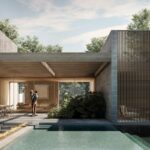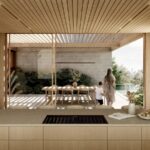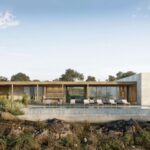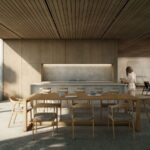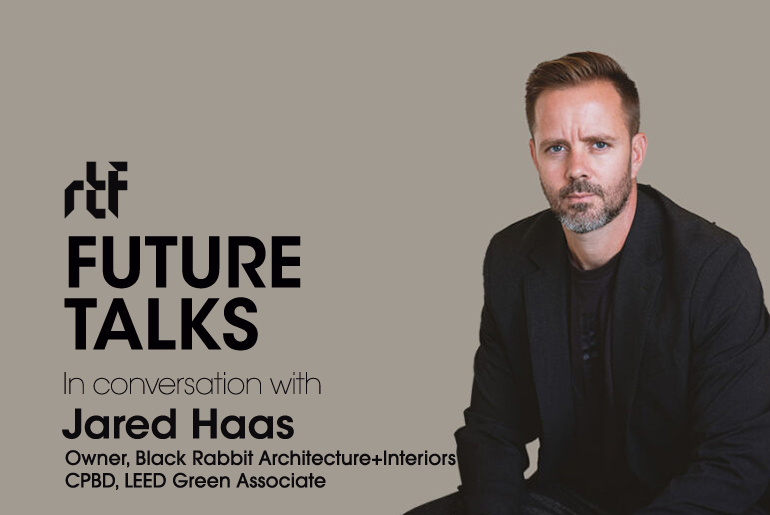
Welcome to Future Talks by RTF, where the narratives of design are passionately crafted by the pioneers shaping the architectural world. Today, we embark on an illuminating conversation with a visionary, Jared from Black Rabbit Architecture+Interiors, whose journey from initial design musings to pioneering transformative spaces resonates with depth and authenticity.
Jared’s odyssey commenced amidst an exploration of architectural aesthetics, a quest to create what was “cool,” yet evolved into a profound pursuit of crafting experiences. Reflecting on his early days, he describes the shift from creating fleeting moments of visual allure to a deeper endeavor—crafting spaces that evoke enduring emotions, be it joy, nostalgia, or excitement. His unwavering goal: to transcend mere structures, forging connections that resonate long after the initial encounter.
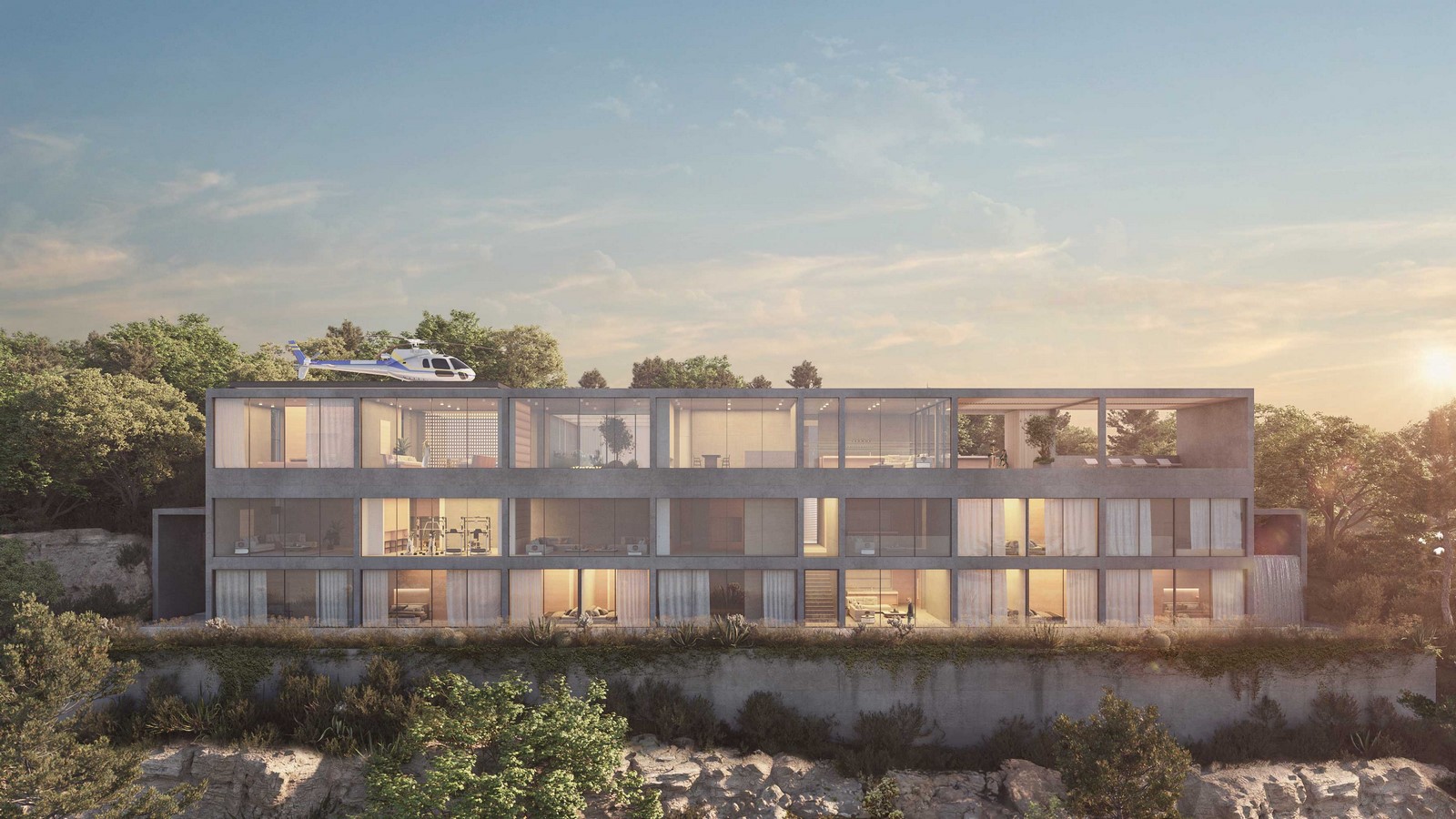
At Black Rabbit Architecture+Interiors, Jared leads a team committed to cultivating authentic living environments. Within the dynamic constraints of client desires, budgets, and contextual intricacies, Jared devised six foundational principles guiding their ethos. Innovating beyond traditional boundaries, the firm integrates a vertically integrated approach, incorporating a construction team to ensure greater control over project execution.
Join us as we delve into the insights of an architect whose ethos transcends design, encapsulating a profound responsibility towards creating meaningful, transformative spaces. Jared’s journey and perspectives promise to inspire architects and design enthusiasts alike, nurturing a deeper understanding of the intricate interplay between architecture, emotions, and innovation.
RTF: Hi Jared, We are glad to have you as a guest on Future Talks by RTF. Thanks for joining us. Tell us about the initial part of the architectural journey.
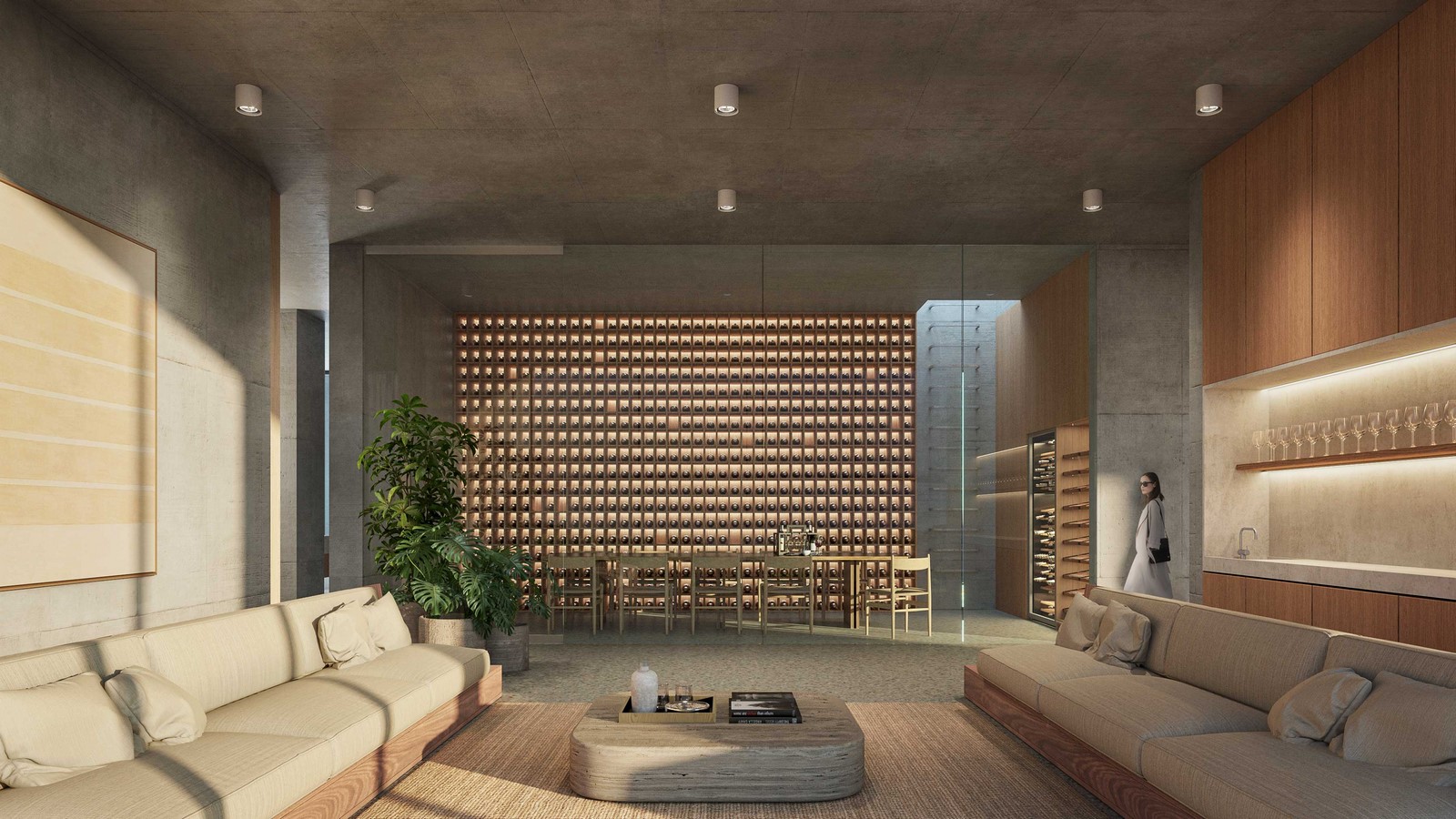
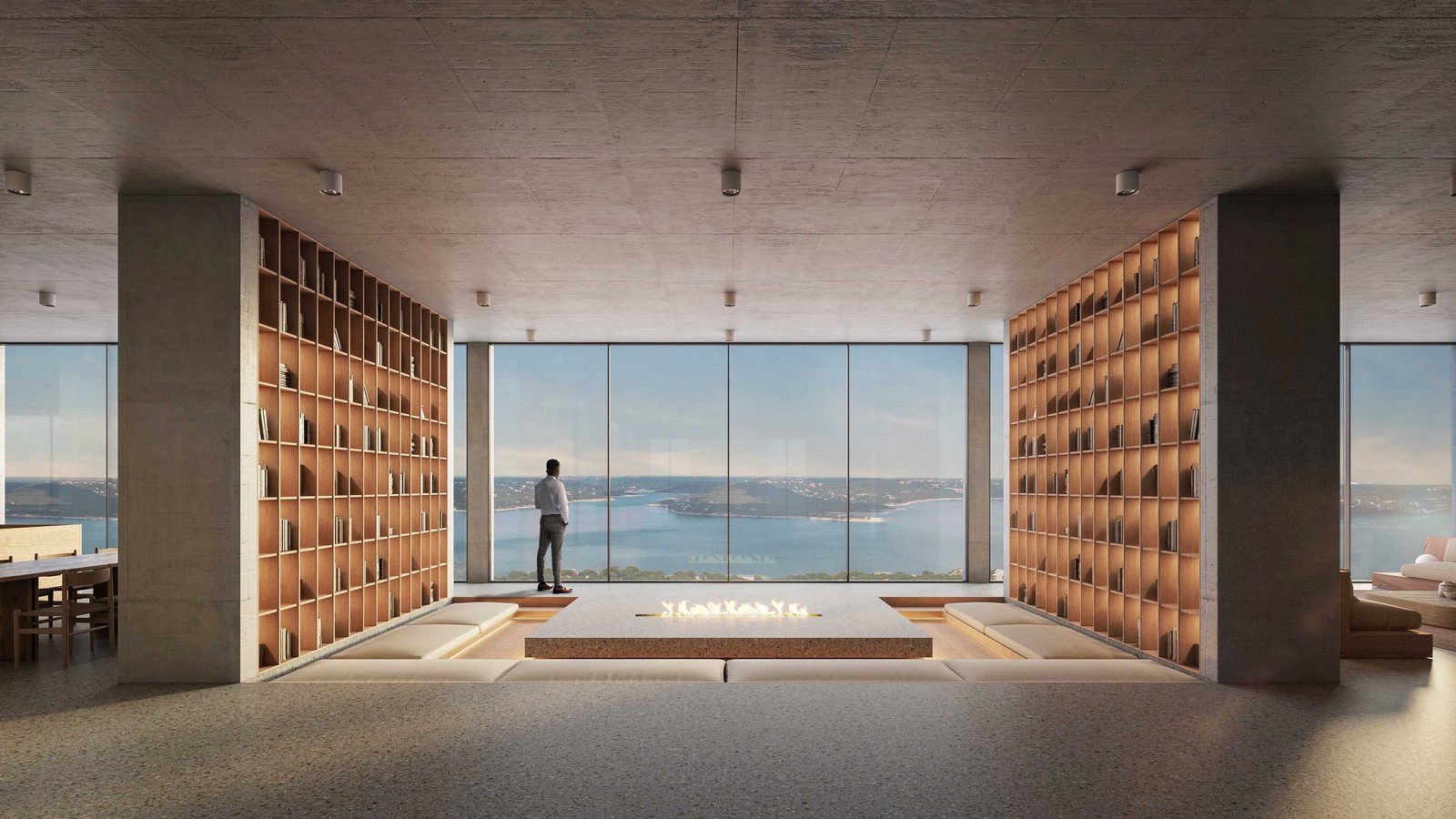
Jared: I had spent my formative years trying to figure out how to design something cool for the sake of looking or feeling cool. In retrospect, my designs were terrible and often equated to what is referred to as “architectural masturbation”. Over time, I learned from my surroundings and started honing in on trying to create experiences instead. To do this, I had to learn what was responsible for creating an experience. Like a good work of art, movie, or song, a successful space evokes an emotion. It could be a moment of joy, or pain, or nostalgia, or excitement, or relief, or disgust, etc. The type of emotion is irrelevant, but once sparked, I have achieved my goal. My worst fear is creating a building that feels cool for a fleeting moment, or worse, blends into the background scenery altogether. I strive for experiences that spark lasting emotions.
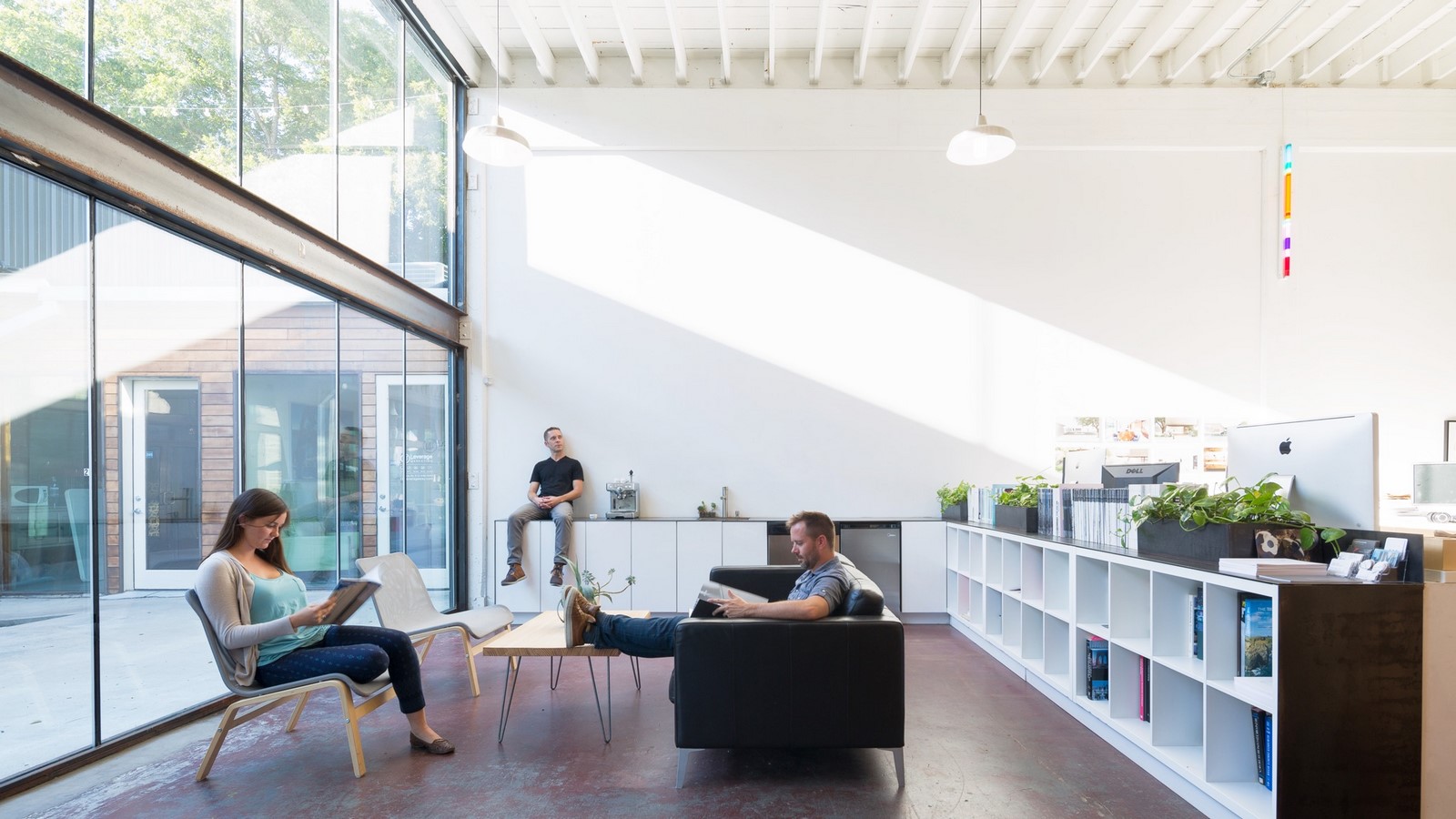
RTF: What is your idea of Architecture and how does Black Rabbit reflect it?
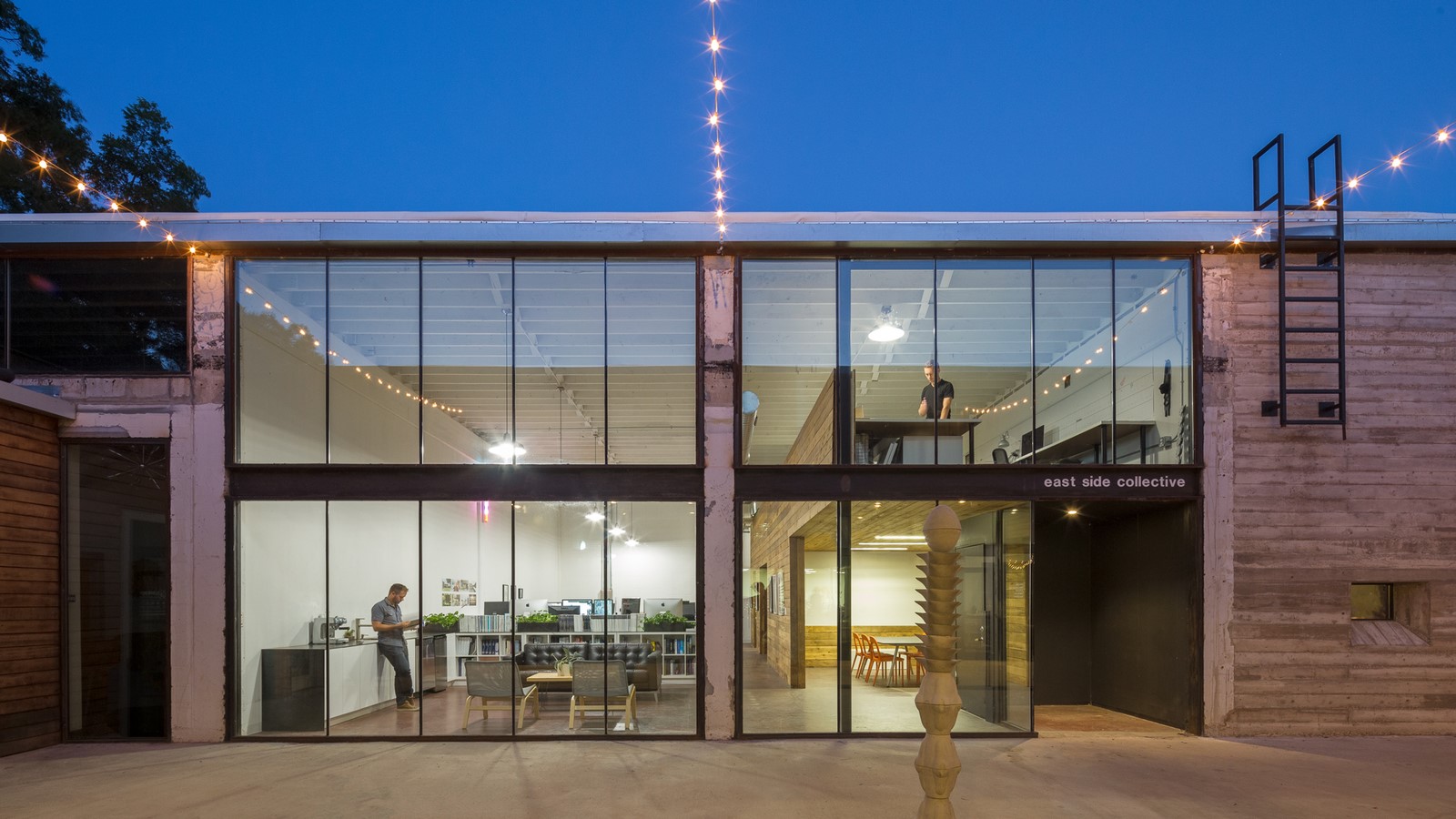
Jared: Our ethos is centred around creating authentic living environments. As a service-oriented profession, we are at the mercy of designing to the desires of our clients, budgets, timeframes, project teams, contextual environments, and bureaucratic conditions. Given these fixed conditions of any project, I decided to break down our values into 6 principles that can be applied as much or as little as possible.
Fixed conditions can create barriers and often limit our abilities. We have slowly been expanding into a more holistic approach of a vertically integrated process that helps remove some of these barriers. We added a small construction team a few years ago so we can have better control of the execution of some of our more unique design projects. We are nearing completion of our first single-family spec project. Design-build-develop projects allow us to push beyond our traditional boundaries when clients may not.
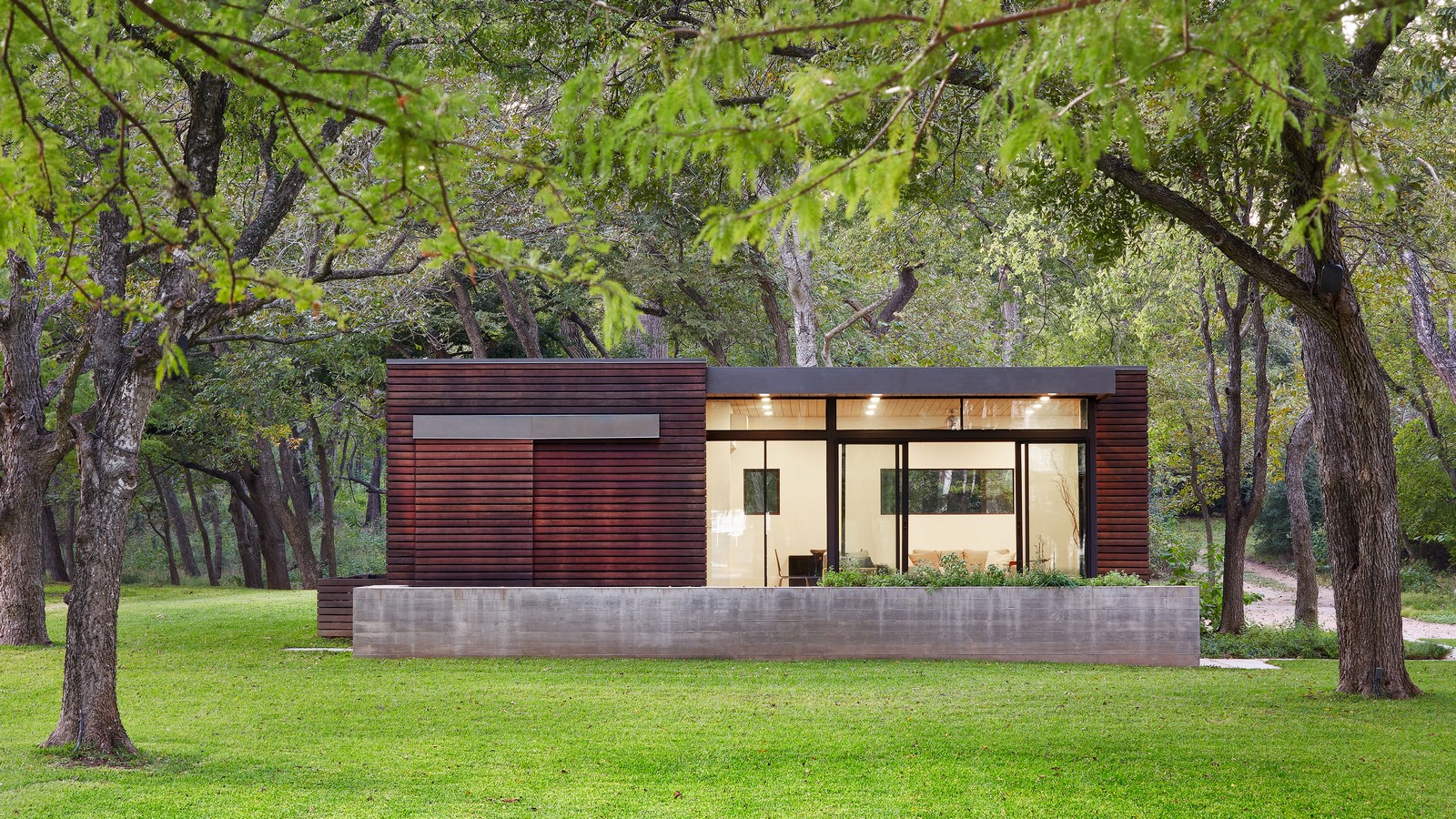
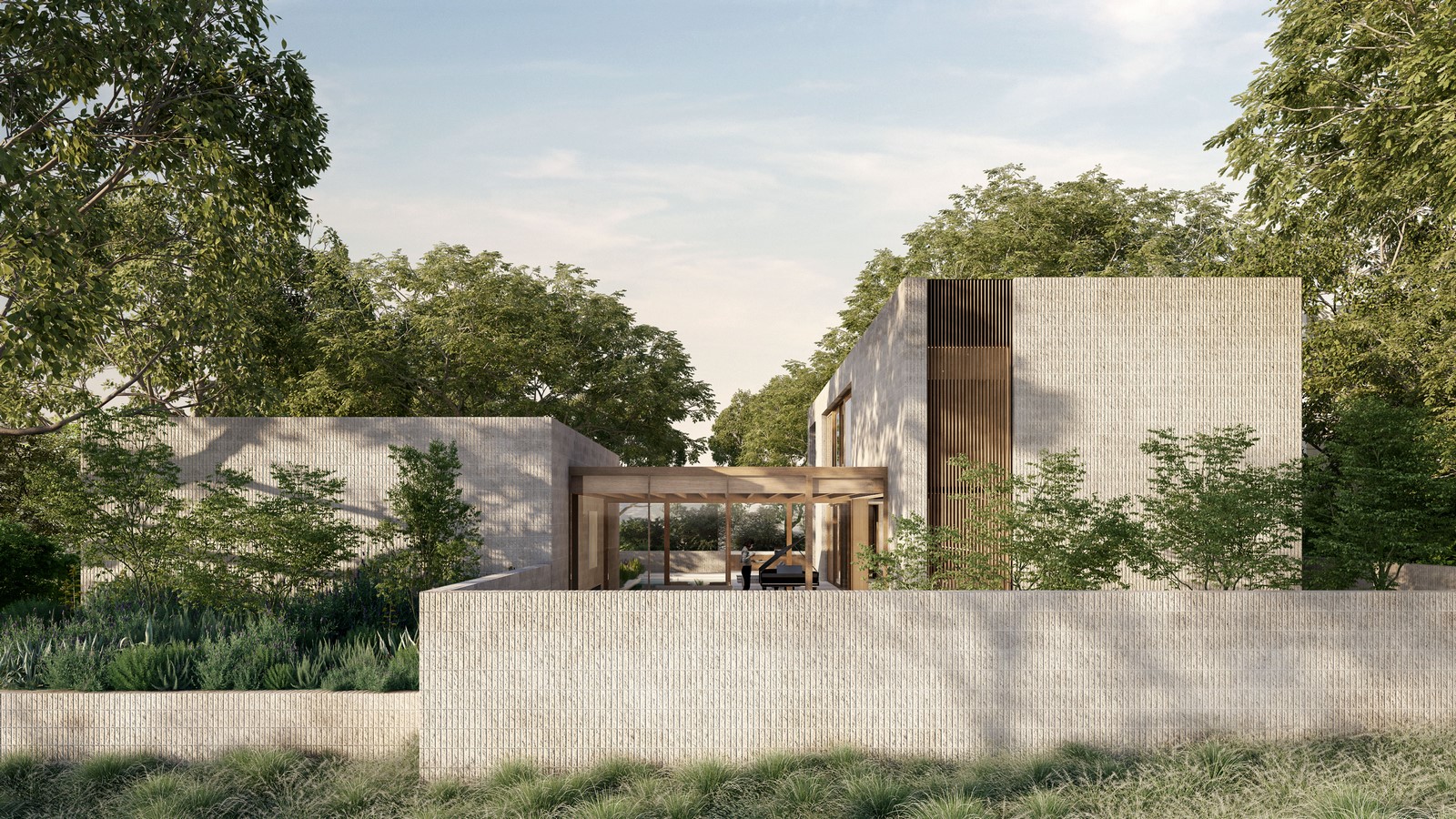
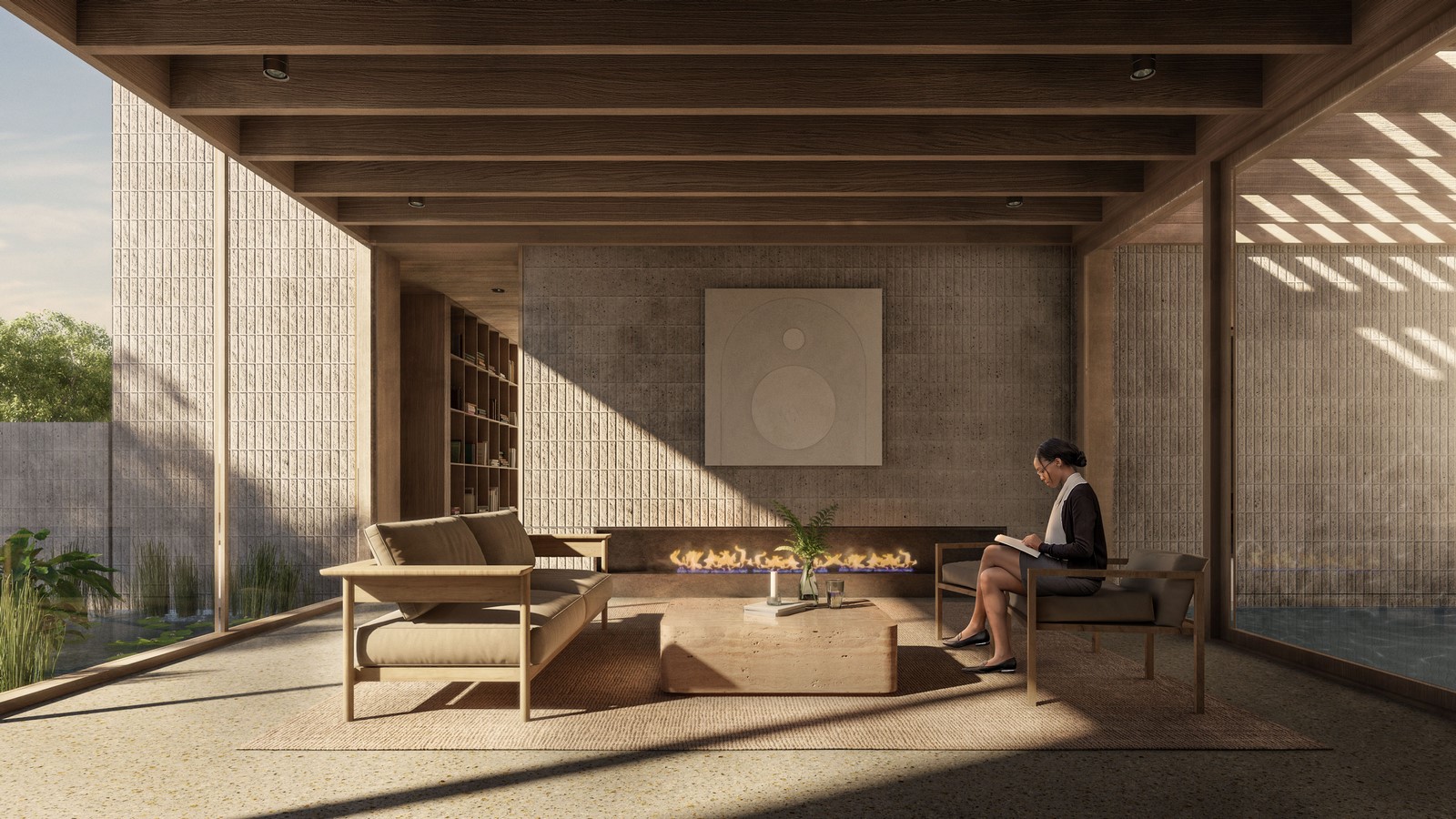
RTF: Tell us about some of your most rewarding projects.
Jared: Reward happens often with the process of creating a project as well as creating a final product. In terms of the process of a project, we have had some incredibly fun and/ or influential experiences working with clients and teams that have had similarly aligned values. This is a tough profession and a tough process and we go through a lot. It’s the people that align with you and value what you do that make it all worth it at the end of the day. Residential projects in particular tend to be very intimate and personal. Lifelong relationships are often a byproduct of these projects.
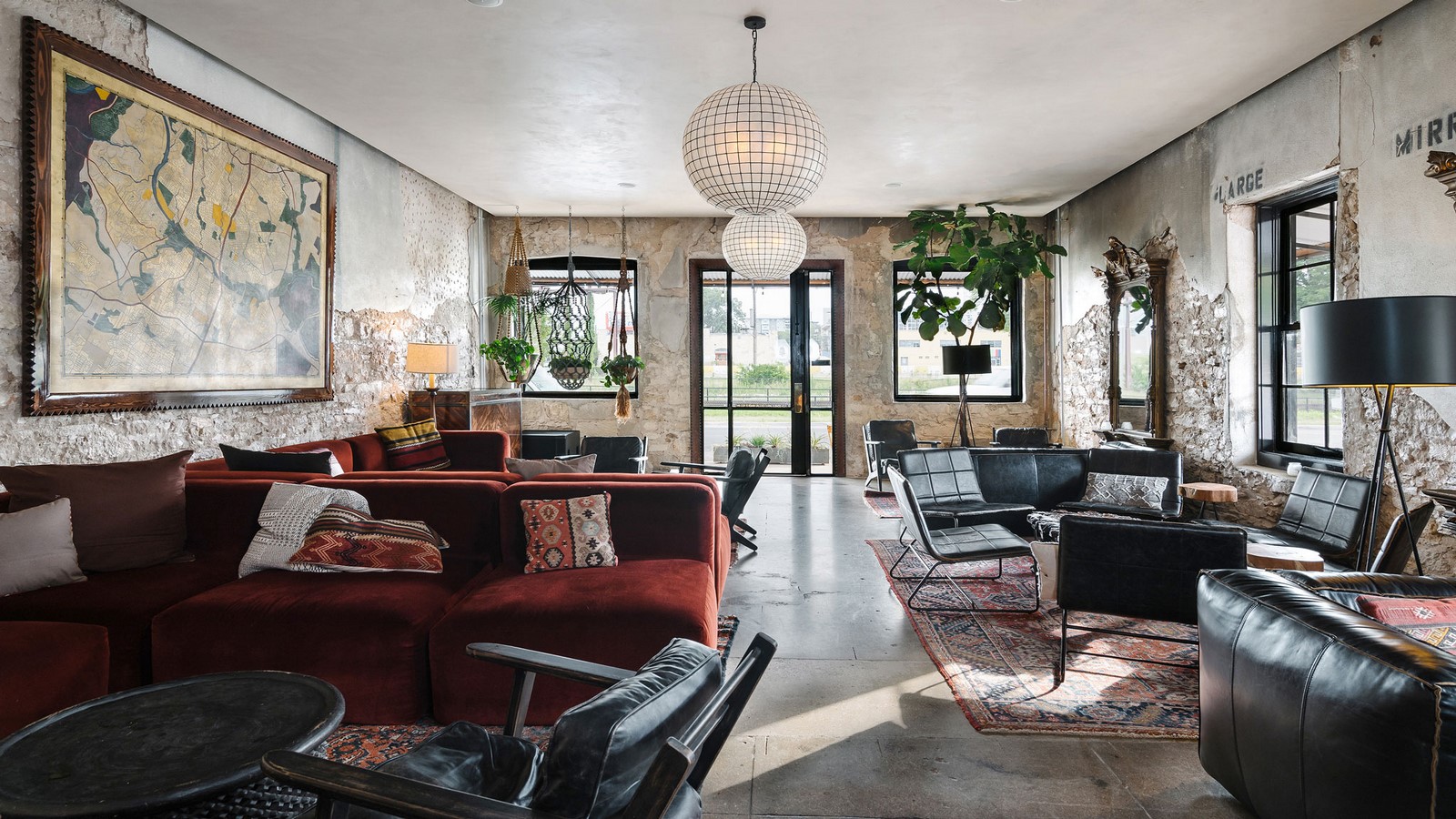
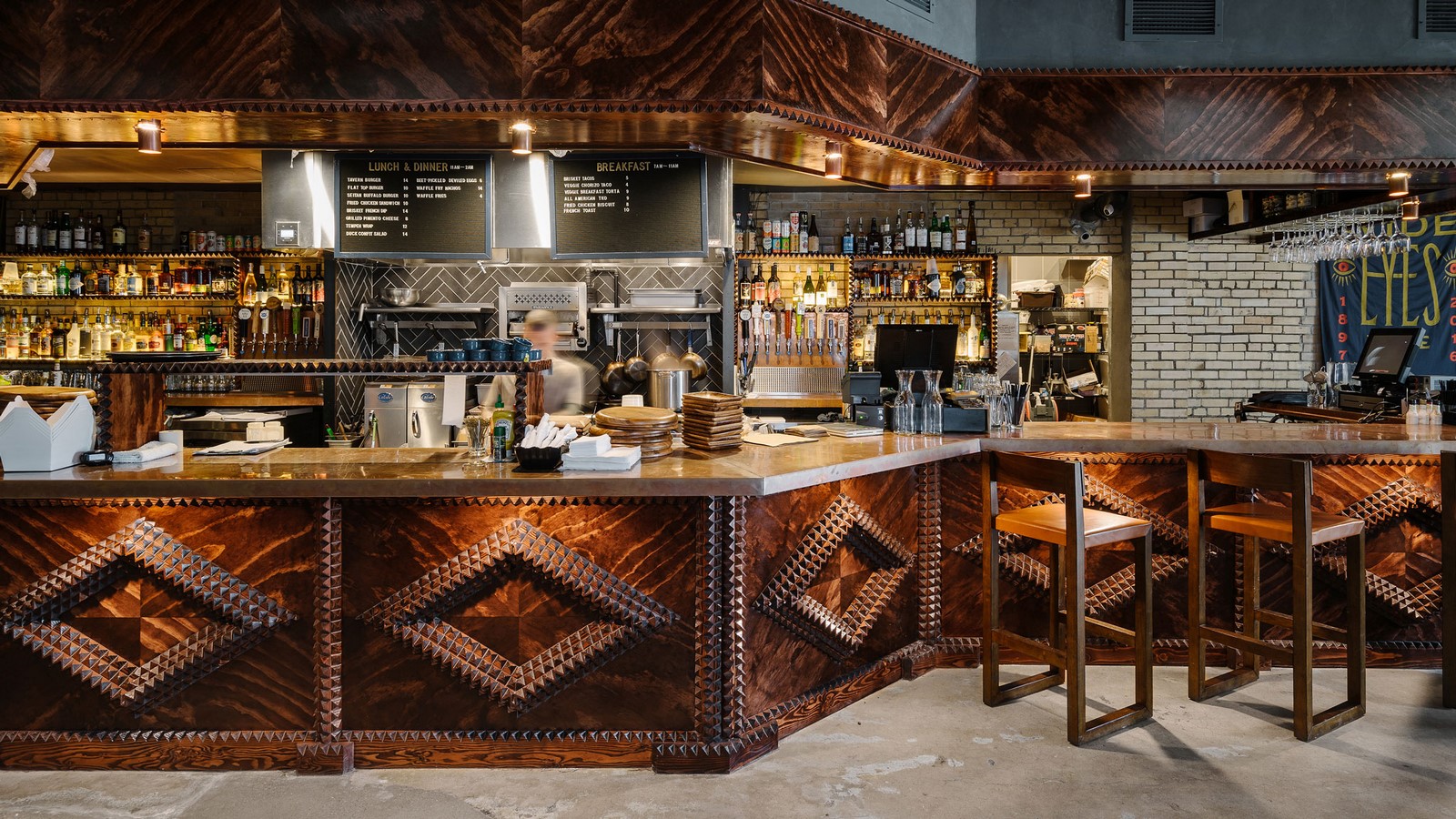
In terms of producing a product, I get the most joy from projects that exemplify as many of our principles as possible. Commercial projects tend to be the most rewarding here because we often can publicly experience these spaces ourselves and with others.
It has taken us over a decade, but we are finally now starting to work with clients and teams that are more aligned with our values. We are having more fun with our teams and are at the cusp of producing products that we have been striving towards for many years now. We are very optimistic about our future.
RTF: What are your views on working collaboratively with clients, consultants and contractors?
Jared: We are more focused on refinement rather than growth. We are less focused on being production-oriented and like to keep it boutique and bespoke. This requires top-level employees and more sophisticated clients and collaborators. We are looking at streamlining our approach so we can create a more holistic product.
RTF: How do you look at the responsibility of architecture firms being far more than just ‘designing’?
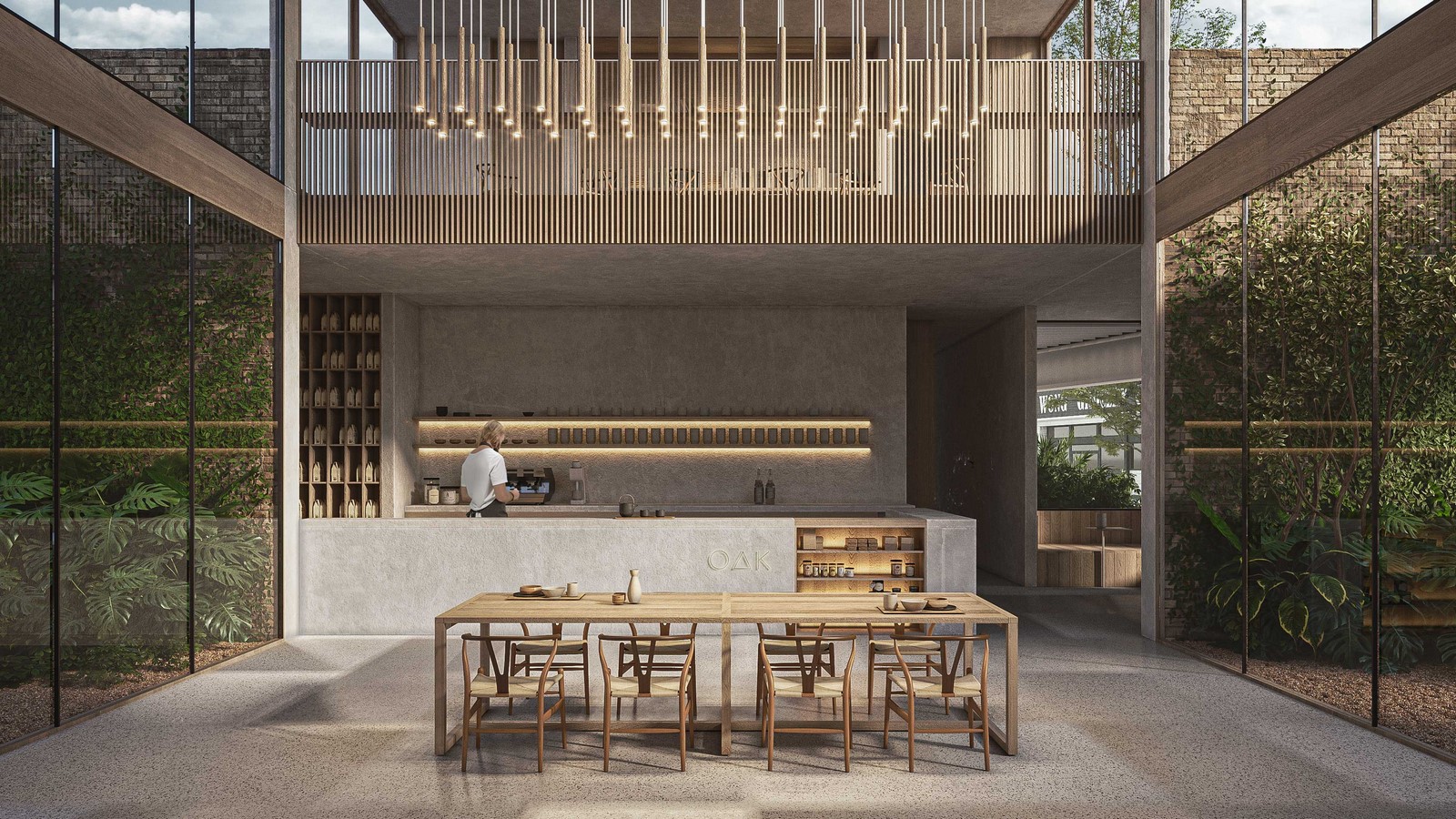
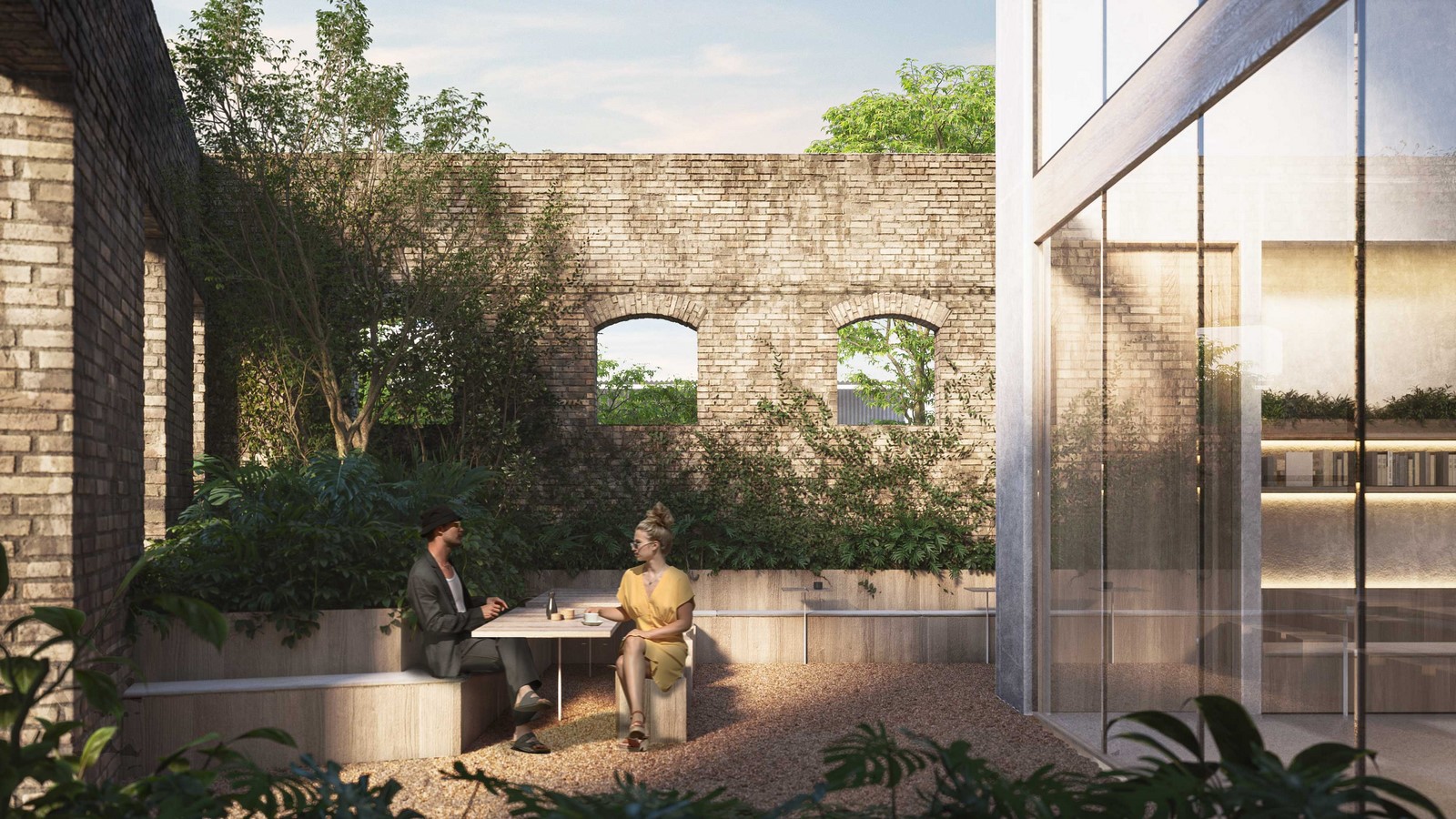
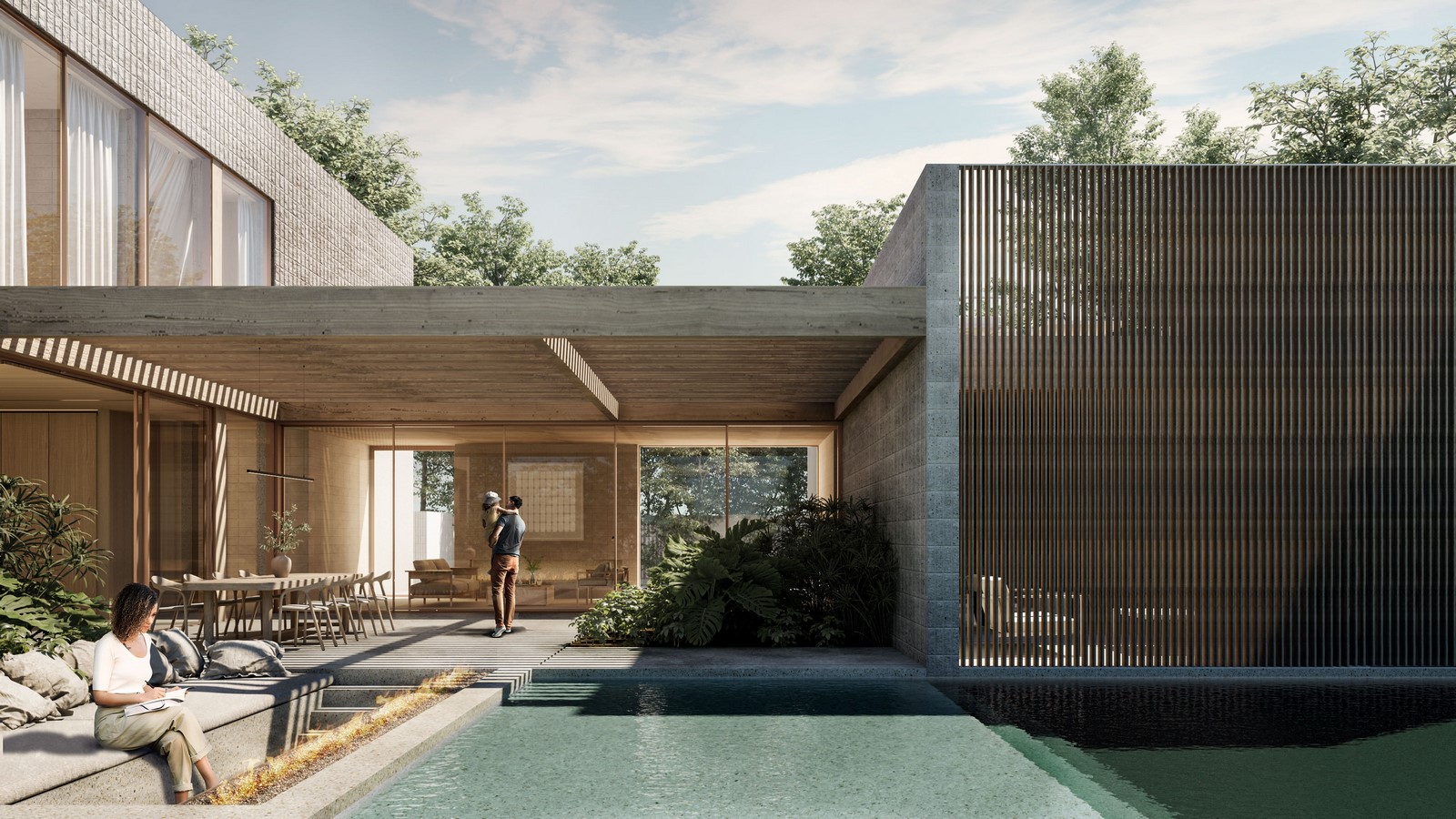
Jared: Innovation in our industry has remained stagnant for decades. Major disruptions are at the forefront, including AI, 3D printing, drone technology, etc. I think there are great things to come with technology, which will also have negative consequences that are yet to be realized. We are more focused on blending modern technologies with old world traditional values to produce more physically and socially healthy environments. We are currently in discussions with a 3D printing startup company to look at creating earthen structures at a faster and more economical pace.
RTF: How do you keep yourself motivated? What would you suggest to the budding architects who await success in the field? What must be the mindset?
Jared: Getting good work published is the easy part. Getting good work is the tough part. Since our profession relies on clients, spend the extra effort finding that client that shares your values. They will respect your expertise and abilities and allow you to more aptly design your conscience.
Don’t be afraid to (respectfully) push back when clients demand mediocrity. Clients often know what they know and fear what they don’t. What they tend to know is what has been accomplished in the past and present. We are all inundated with norms in our surroundings. It takes an entirely new skillset to learn to work with clients to get them to think outside of the box and see your vision. As long as you can exude to the client that you are looking out for their best interest, clients will often end up thanking you in the end.
Don’t be afraid of contention, getting fired, or failure. Success is predicated upon failures. Failure is our innate way of learning and is our best teacher. Endure the pain of failure. Over time, you will even learn to embrace it, listen to it, and learn from it.
Thank you so much for doing this interview with us. It has been a pleasure getting to know about you and your work. We’re sure that your insights will be highly valuable to our audience which includes architects and design students.