Welcome to Future Talks by RTF. We are thrilled to bring you yet another segment of captivating conversations with one of the visionaries shaping the future of architecture and design. Please join us in exploring the fascinating world of Charla Akguner–Taylor, the brilliant mind behind CHEG Architecture.
In the realm of design, where creativity meets functionality, Charla Akguner–Taylor has carved a niche with CHEG Architecture, a multi-disciplinary studio that transcends conventional boundaries. With a rich tapestry of experiences spanning over two decades, Charla has curated a portfolio that goes beyond mere structures; it tells compelling stories through architecture, interior design, bespoke joinery, and occasional furniture pieces.
At the heart of CHEG’s philosophy is a commitment to weaving narratives into the very fabric of their designs. The studio is renowned for its ability to orchestrate a harmonious interplay of contrasting elements—playing with light and shade, blending calmness with vibrancy, and seamlessly marrying the old with the new. Charla’s insatiable curiosity for the emotional connection between spaces and their inhabitants propels the studio to embrace the subconscious experiences within our built environment.
What sets CHEG apart is an unrelenting passion for the unexpected. Charla infuses each project with elements that surprise and delight, fostering a sense of wonder and curiosity in every space created. Their approach is anchored in site sensitivity, client-centricity, and thoughtful design—resulting in spaces that are not only emotive but meticulously refined; playful yet resonating with purpose.
For Charla Akguner–Taylor and the CHEG team, architecture is not just a profession; it’s a reverent exploration of the profound impact it has on the lives it touches. By harmonizing dichotomies and teasing out the playful essence from the everyday, they create refined solutions with a touch of whimsy. Today, we embark on a journey into the mind of a design maven, exploring the philosophies and inspirations that drive CHEG Architecture to push the boundaries of what is possible in the world of design.
RTF: Hi Charla, we are so glad to have you as a guest on Future Talks 2.0. Thanks for joining us. So, what led you to pursue a career in architecture and design?
Charla: As a child I loved drawing houses and building them out of Lego, similar to many architects. I found paying attention to little details and visualising how the house would be if it were ‘alive’ enticing.
I have always been drawn to the emotive nature of the creative process but am also intrigued with the practical side of how things work, often putting broken things back together in order to understand it.
Architecture is a perfect blend of these contrasting yet complementary elements. It also allows me to work with individuals in a creative capacity and contribute to the evolving fabric of our culture.
RTF: How would you describe your overall design philosophy or approach to architecture and design?
Charla: I place great importance on the added value to people’s life thoughtful, sustainable and emotive design can have. It’s a commitment to enriching everyday experiences. This in turn leads the organic nature in which we approach each project, making them client-centric and site-specific.
Buildings are catalysts for enriched experiences. Like a quiet room harbouring a tiny giggle, I have always been drawn to the element of surprise. The unspoken emotions that nestle within spaces interweave through our work at CHEG.
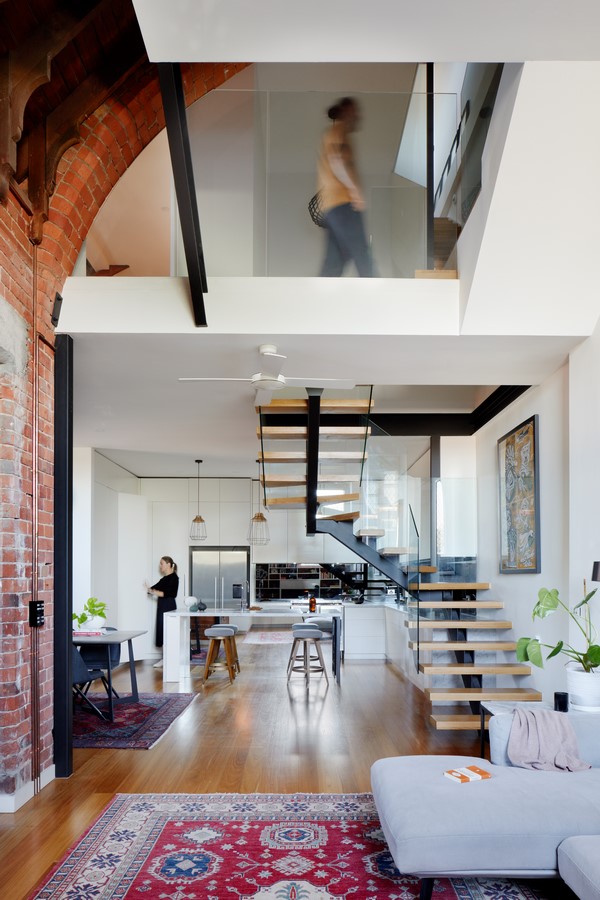
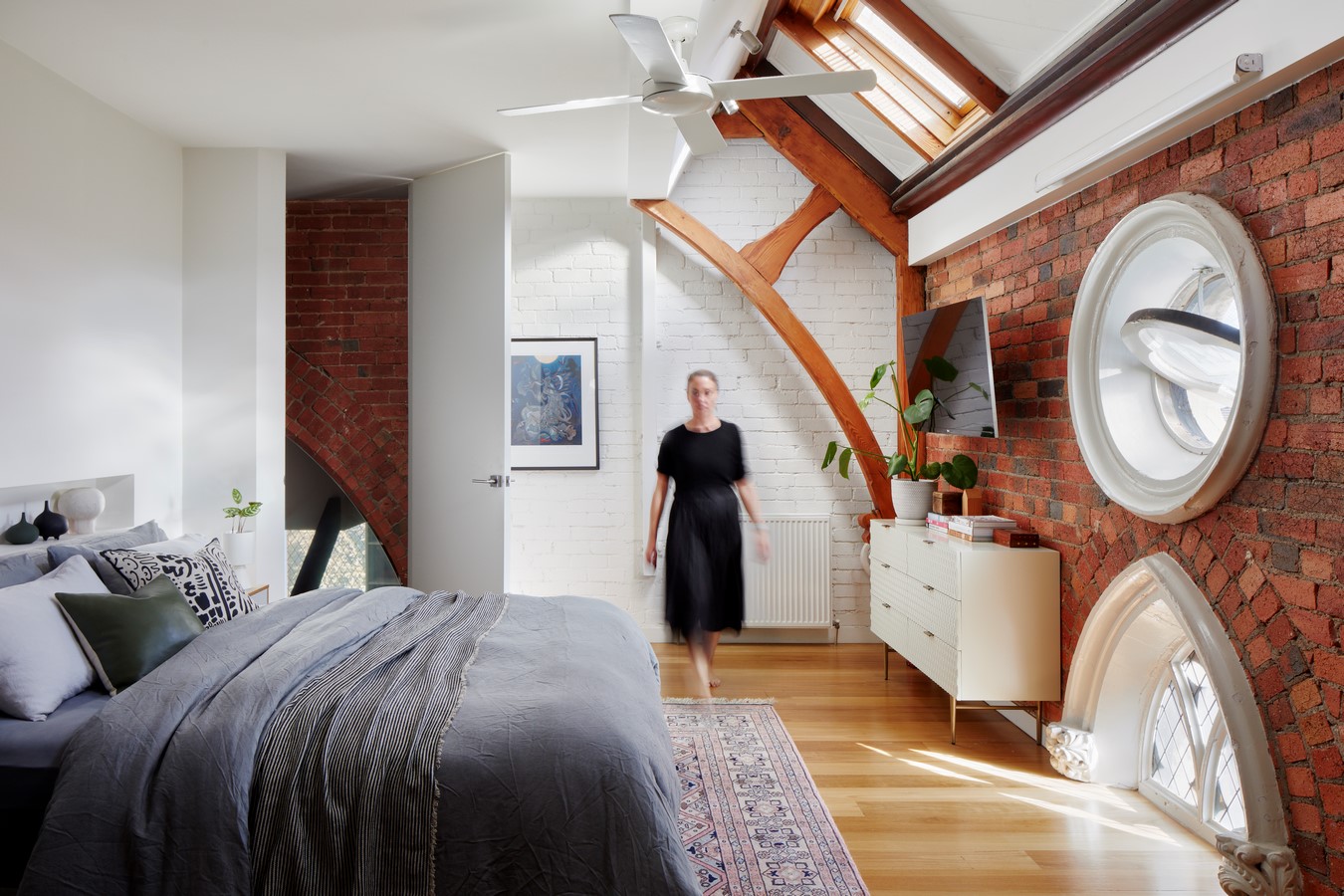
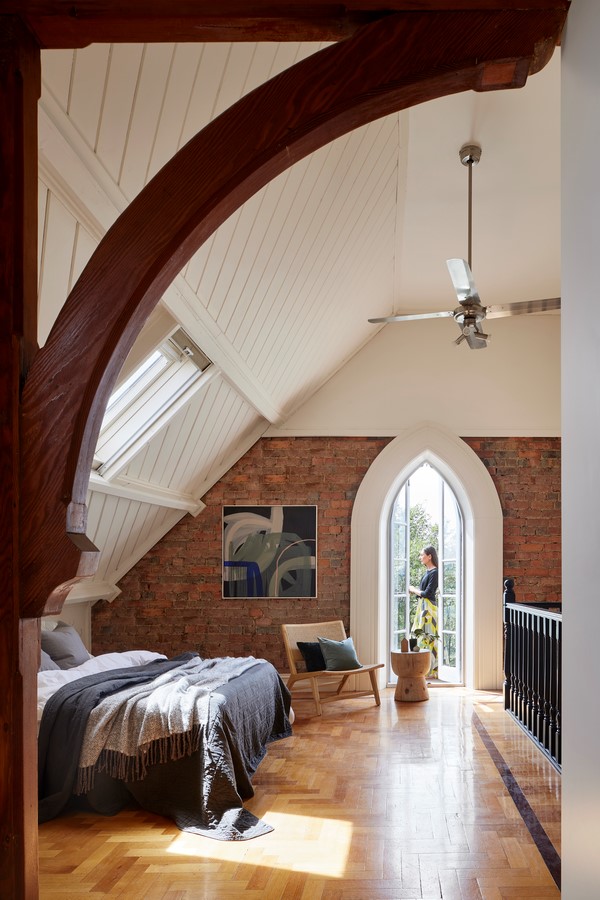
Exploring themes of balance through contrast, we ignite the beautiful dance between opposites, working with old and new, playful and serene, light and dark, tranquillity and vibrancy.
This results in innovative, emotive, playfully refined spaces within structures which ‘live and breathe’ amongst its inhabitants. Our projects tell their own story of the past, present and envisioned future of the space, the building, its owners and encompassing land. This shapes flexible spaces which evolve with and are as unique as the individuals who inhabit them.
We firmly believe the way architecture and interiors subconsciously affect us is as vital as our conscious perception of them. It’s not just about what you see; it’s also about how a space makes you feel beneath the surface.
RTF: Do you have a singular design process that you follow or does the approach vary and change based on every project?
Charla: My first aim is to understand my client, their lifestyle, wants, needs, hopes and plans for their future. I move to analysing the site and surrounding neighbourhood. Collating that information I get a sense of what the building and spaces within should feel like. I draw inspiration from a myriad of sources including music, art, nature, technology. I map out spaces required and circulation created, analysing their relationship to one another – at the same time slowly moulding the overall shape of the building. My approach is to constantly move between 2D and 3D throughout the entirety of the project, building it up as a whole.
I spend time on site throughout the process – initially studying it then watching the build grow. I adore the energy of a construction site where everyone is working as a team amongst the beautifully chaotic mess, to make the design come to life.
This process is similar for all projects because it is natural. However the details, quirks and nuances of each project and client allow for organic tweaks to the progression which personalise it. Each project has its own individuality within our normal process.
RTF: How do you approach getting your projects featured in publications? Do you manage the communications and PR in-house or have this task outsourced to a PR & communications agency?
Charla: Sharing our journey and work with others, allows us to communicate who we are at our core and collaborate with like-minded clients and professionals. To communicate this authentically, we take care of it in house. We hope our projects speak to those who are intrigued by who we are and how we work. We welcome those who want to create together, whether it be a colleague or client.
Being featured can be exciting and the recognition from the public and industry peers can be a great encouragement – signalling people are responding well to what you are doing. It can inspire architects to keep creating thoughtful design solutions which help shape our community, society and world. However, it shouldn’t engulf an architect’s ability to connect to the humans, animals and nature involved and consider the real world implications of a build. Being published is a communication tool with which to engage people, collaborate and listen to feedback in order to grow.
RTF: Can you share any challenges you’ve encountered in the process of getting your work published and how you overcame them? Are there any lessons you’ve learned over the years that have significantly improved your success in this area?
Charla: Timing is a delicate balance as most publications have their schedule of topics / themes set out for the year. The project may not align with the scheduled topic or the overall look / feel / vibe of the publication.
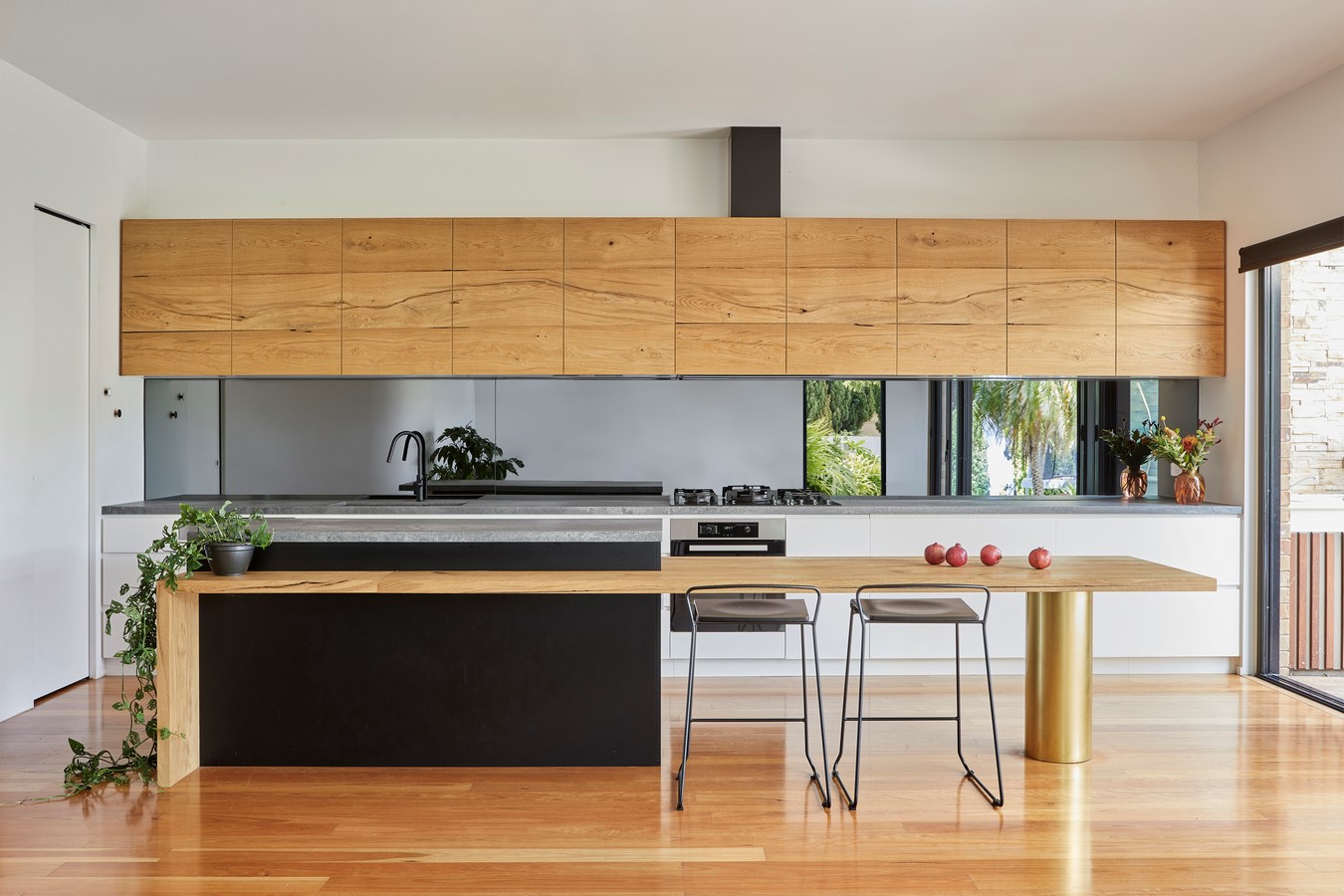
Selecting a photographer that takes time to understand the story of the architecture / interiors they are shooting and can then bring that out through their lens has been key in the communication of our work. Projects that are well styled or have creative object arrangement to further enhance the story are also valuable.
RTF: How do you measure the impact of having your work featured in publications, both professionally and personally?
Charla: Through features we can speak to people who appreciate what we do and how we do it and can communicate the essence of our projects in an authentic manner. Exposure allows our work to be a participant in today’s design discussions and ideas. It can provide extra assurance for our potential clients and is a celebrated example of our work to refer to.
Being featured can provide incredible encouragement to continue creating in a manner that is aligned with who we are and can keep communications within a wide network alive. It allows a potential client, without pressure, to determine if they believe we will be a good fit.
However, our greatest reward will always be the ability to be proud of the end result and for our clients to respond well to their new spaces. If the architecture fails our clients and the surrounding community, the recognition isn’t fully deserved.
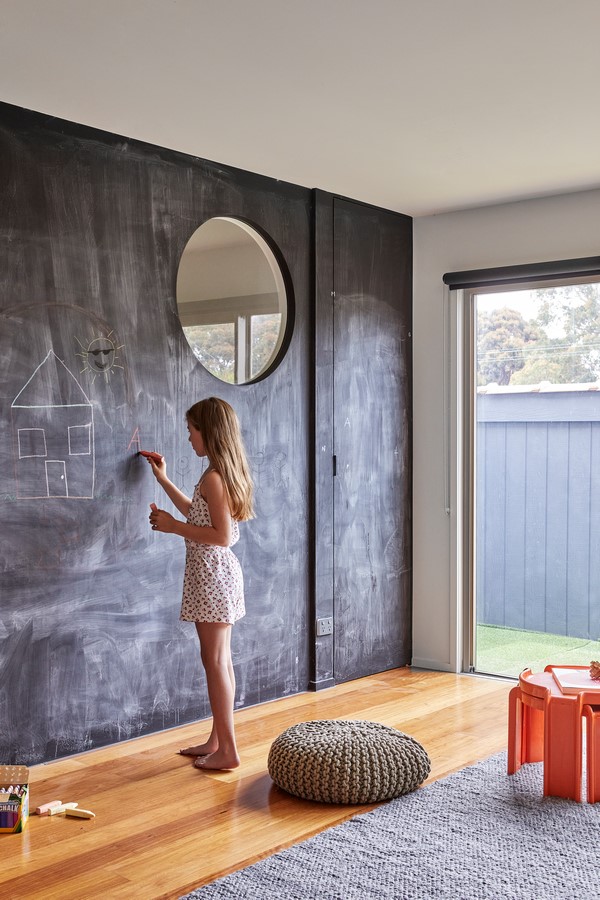
RTF: What advice would you give emerging architects looking to increase their chances of publishing their work? Are there any specific resources or platforms that you would recommend for architects seeking publication opportunities?
Charla: Focus on what it is you are trying to communicate and which projects represent this well. Look at which publication may align best with your story.
Invest in great photographers who have the ability to convey your message and help tell the story of the project.
Platforms which aid in the process involved in creating marketing packages for your projects and allow for an easier way of collating and sending them to publications are great.
There are businesses providing valuable, accessible information, blogs, podcasts and coaching options you can explore.
Entering competitions is powerful in nurturing your creativity without restraints while gaining exposure for your work.
Stay connected to your architecture community. There are generous people who are willing to share their insight into what has and has not worked for them.
RTF: Which project of yours has been the most rewarding for you in terms of learning and/or exposure?
Charla: Every project we have undertaken has brought its own rewards and lessons.
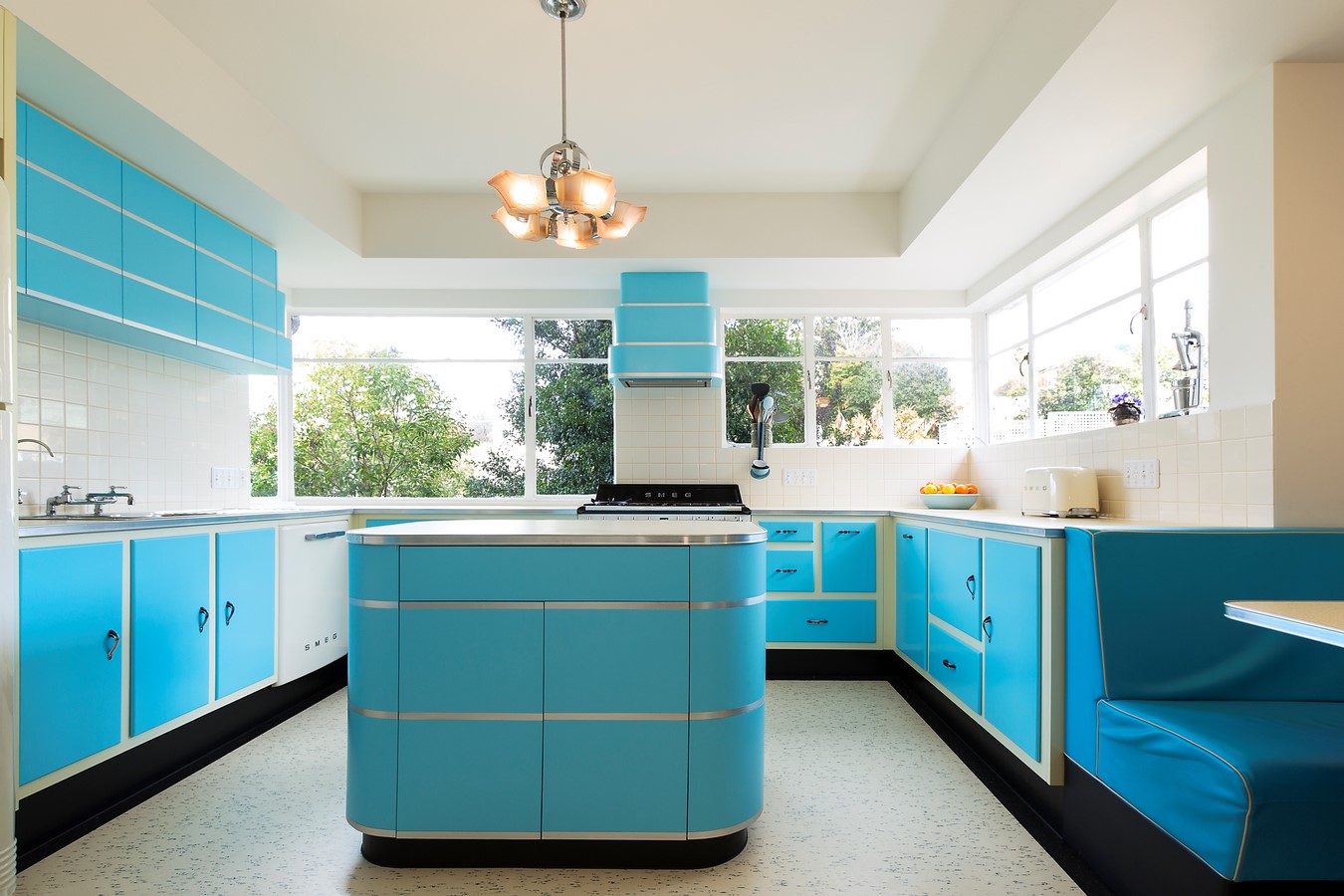
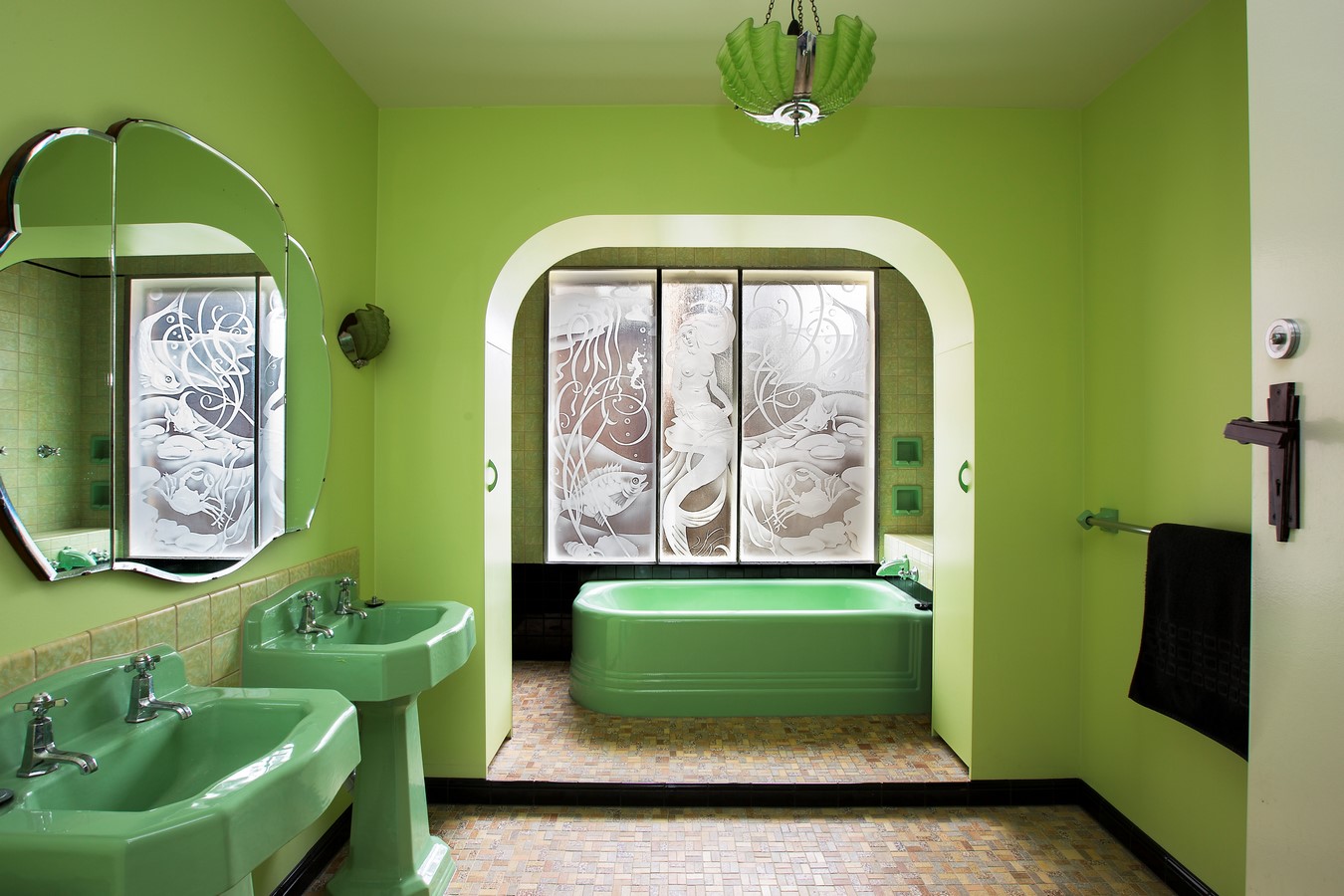
Our DecoD project has gained some fun exposure. It was featured in the Momentum Energy advertisement, has been featured in the Australian drama series ‘More Than This’ (Paramount Plus) and was a finalist in a previous Dulux Colour Awards. It has received great feedback from lovers of architecture, bold colour and Art Deco.
It is a fun, playful renovation + a significant extension to a mid 1940s Art Deco mansion – complete with its own ballroom! It uses strong colour and form to tell the story of the home and the beautifully creative and talented family who occupy it.
RTF: In your opinion, what are the most critical skills and knowledge areas that architectural education should emphasize?
Charla: In order for an architect’s design ideas to eventuate, one of the most important skills we can develop is the art of communication This skill goes a long way in helping everyone involved remain on the same page and work together to bring the design to life.
Focusing on the ability to make creative choices with sustainability, longevity, reusability and impact in mind is important. Architects must be resourceful and continually investigate new materials and methods.
Exploration of ways in which new advancements can make architecture more efficient, sustainable and accessible is vital.
The practical experience of basic construction – learning to build a section to scale is very valuable.
Steps to building your architectural career after competing your degree and the requirements to opening up your own studio should have strong education presence.
RTF: Share a piece of advice for young architects wanting to start their own practice.
Charla: Try not to let fear or complacency hold you back from creating if that is what is in your heart. Be resourceful. You’re not expected to know everything but you are expected to keep learning and searching for better ways to do what we do.
Keep in mind the beautiful designs we create in our minds must be translated into the real world. It takes a large, dedicated team of professionals to make your designs come to life so keep teamwork and communication at the forefront of your journey.
Take pride in owning your own success and failure but most importantly, learn from it regardless.
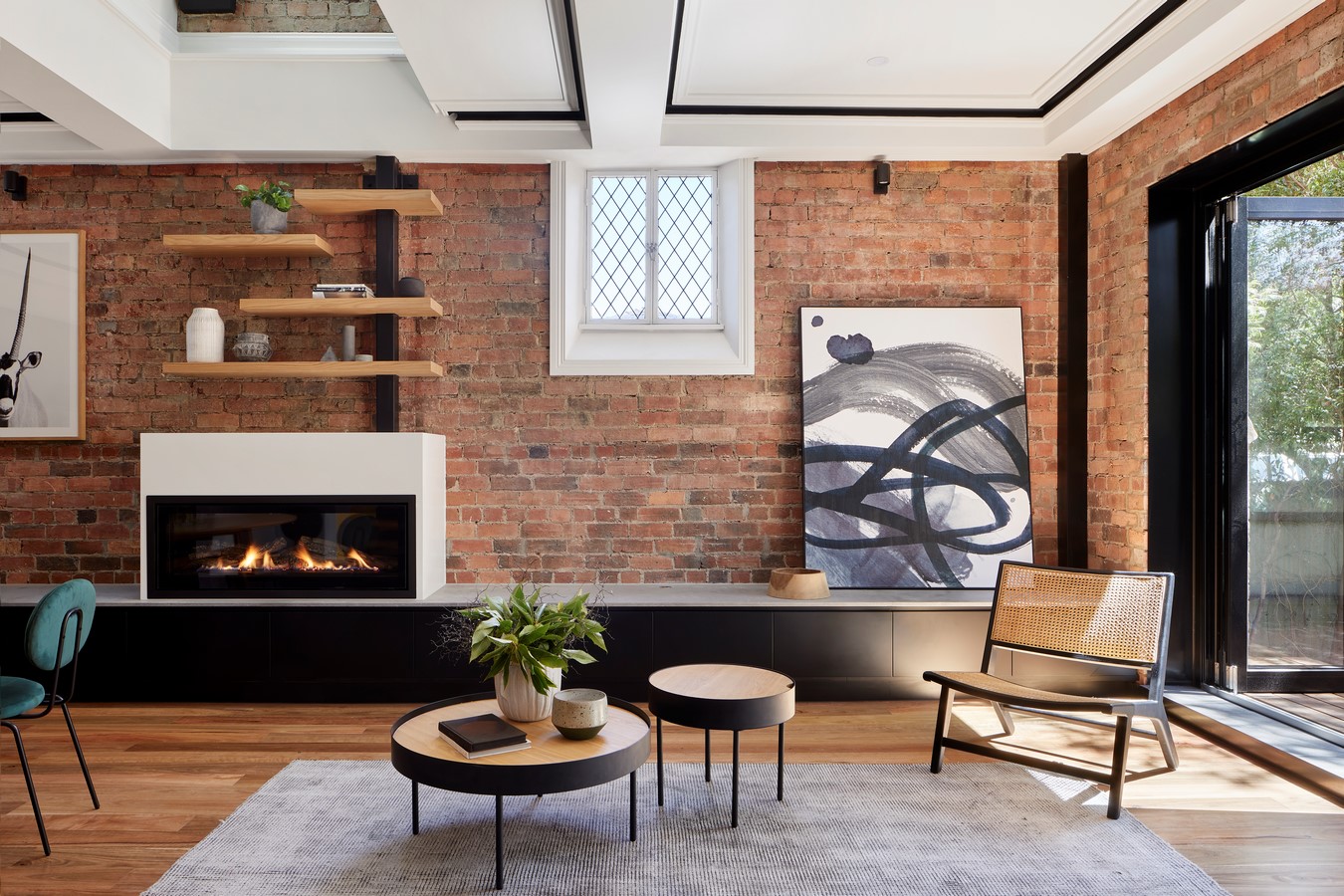
RTF: How will architecture and design transform in the coming years?
Charla: I feel architects will work towards incorporating sustainability throughout every stage of the architectural / construction process. Waste management, efficient construction methods, considered material and product selection, analysis of the life cycle of a building will all need to become a prerequisite of building approval.
Building materials themselves will continue advance and we will hopefully see more sustainable, lightweight and less impactful structures.
As the social needs evolve and the world moves through a constant state of flux, so too will architecture’s response to current times, so I hope to see more innovative solutions that challenge long standing and potentially outdated methods.
Architecture will hopefully be more people and community oriented and in turn be more accessible to all. I hope the value of good architecture and design in general, is communicated better to the public so our services can be of use to many.
Technology has an exponential growth rate and architects need to continually adapt and educate themselves on how best to use new advancements to their benefit.
RTF: What’s your take on the integration of AI and architecture/design?
Charla: The integration of AI in architecture and design holds immense potential.
It will automate routine tasks, allowing architects to streamline their process and focus more on other aspects of our job. Visual representations that aid clients such as 3D renders will become more efficient and immersive with AI as will basic spatial planning. Simulation of the behaviour of buildings under different conditions will be possible, helping forecast performance and understand how structures will respond to environmental changes.
However AI cannot replace the human element of the formula, nor can it detect the essence of a community or the personalities, dreams and hopes of clients – at least not in the foreseeable future. As the day to day mechanics of delivering an architectural project may be restructured, architects will need to finely attune their skills to encompass the human user experience of the buildings and spaces we create.
Thank you so much for doing this interview with us. It has been a pleasure getting to know about you and your work. We look forward to publishing this interview on our website soon.
Charla: Thank you for your interest in CHEG architecture and for the work you do in advancing our profession.