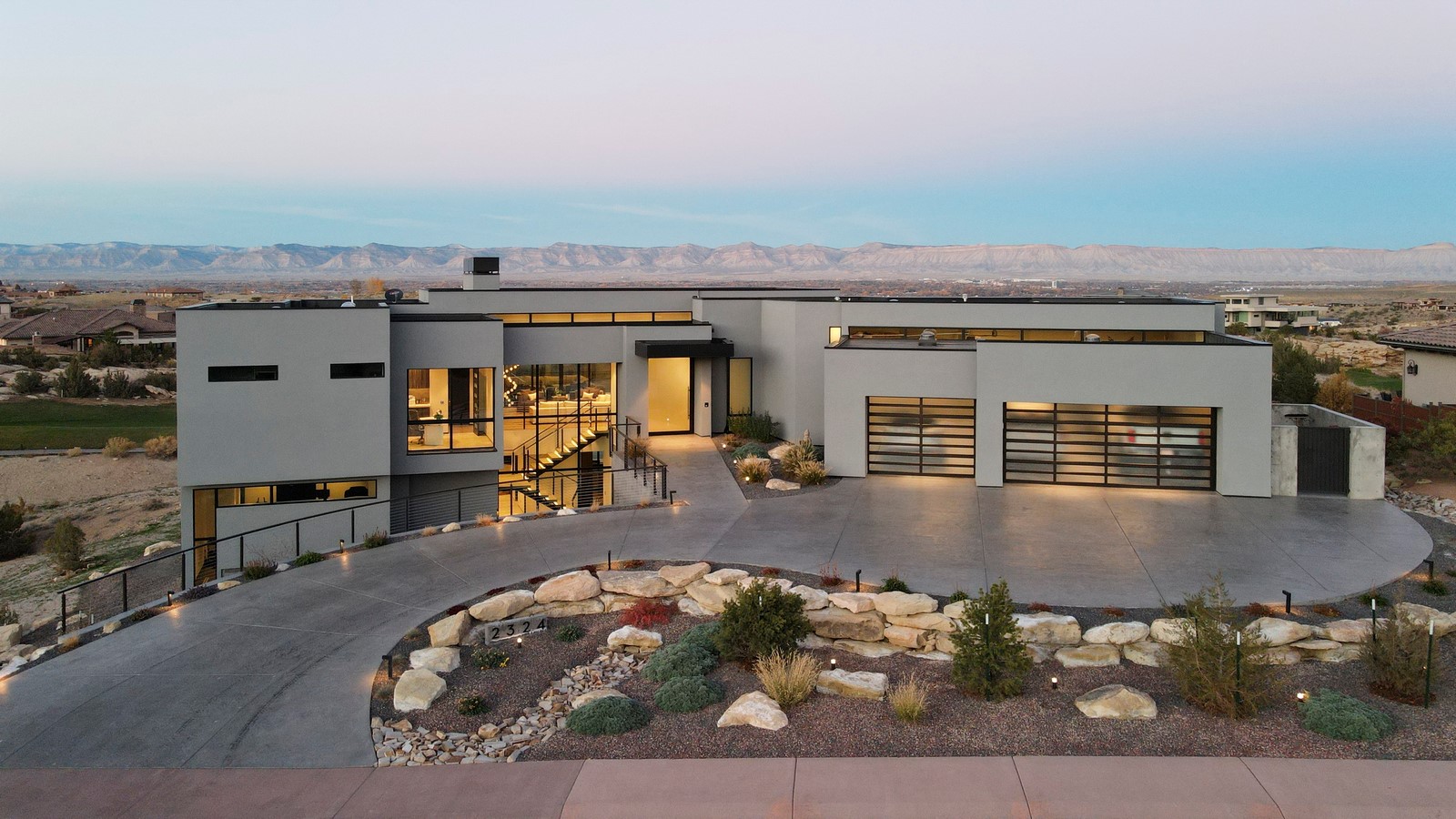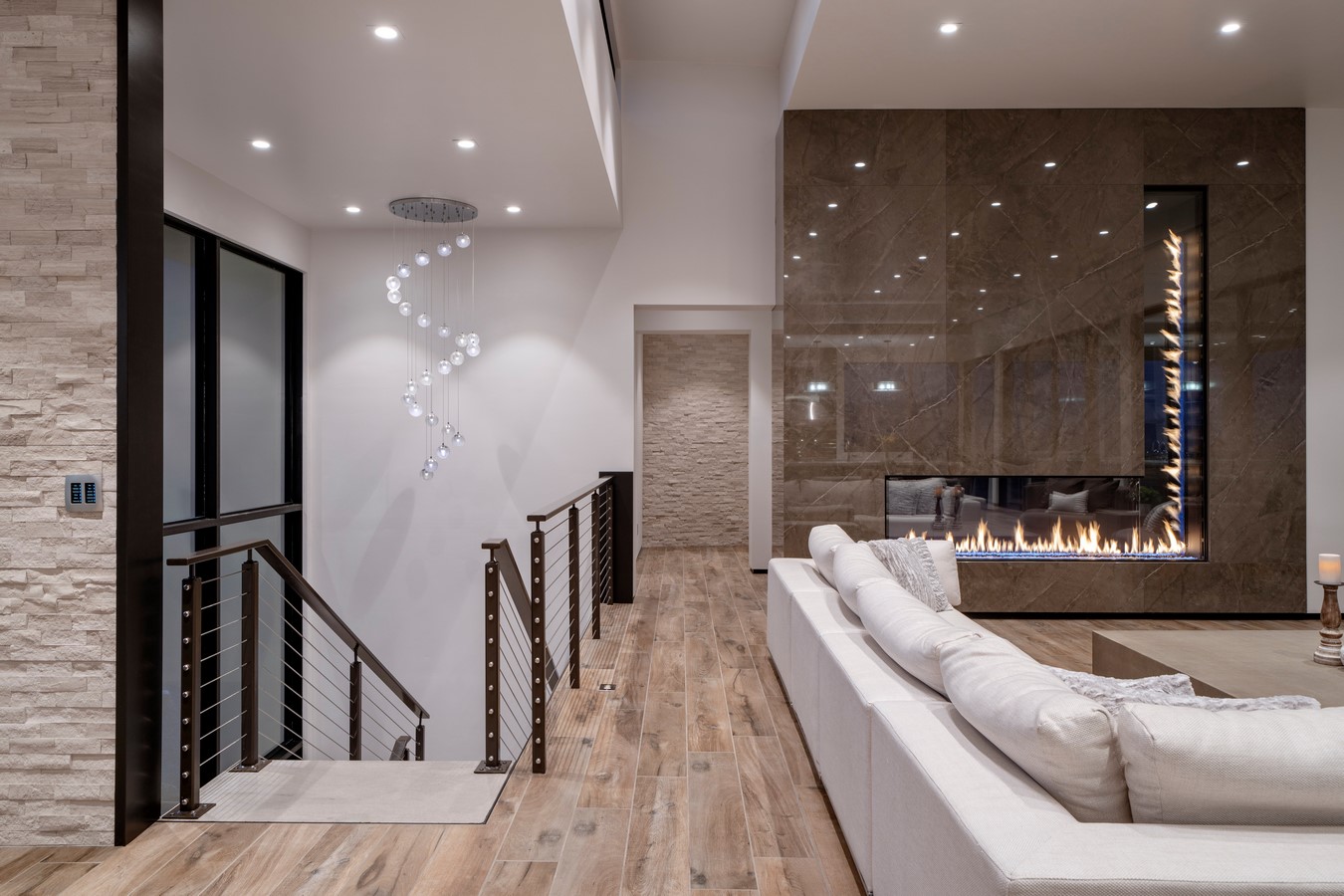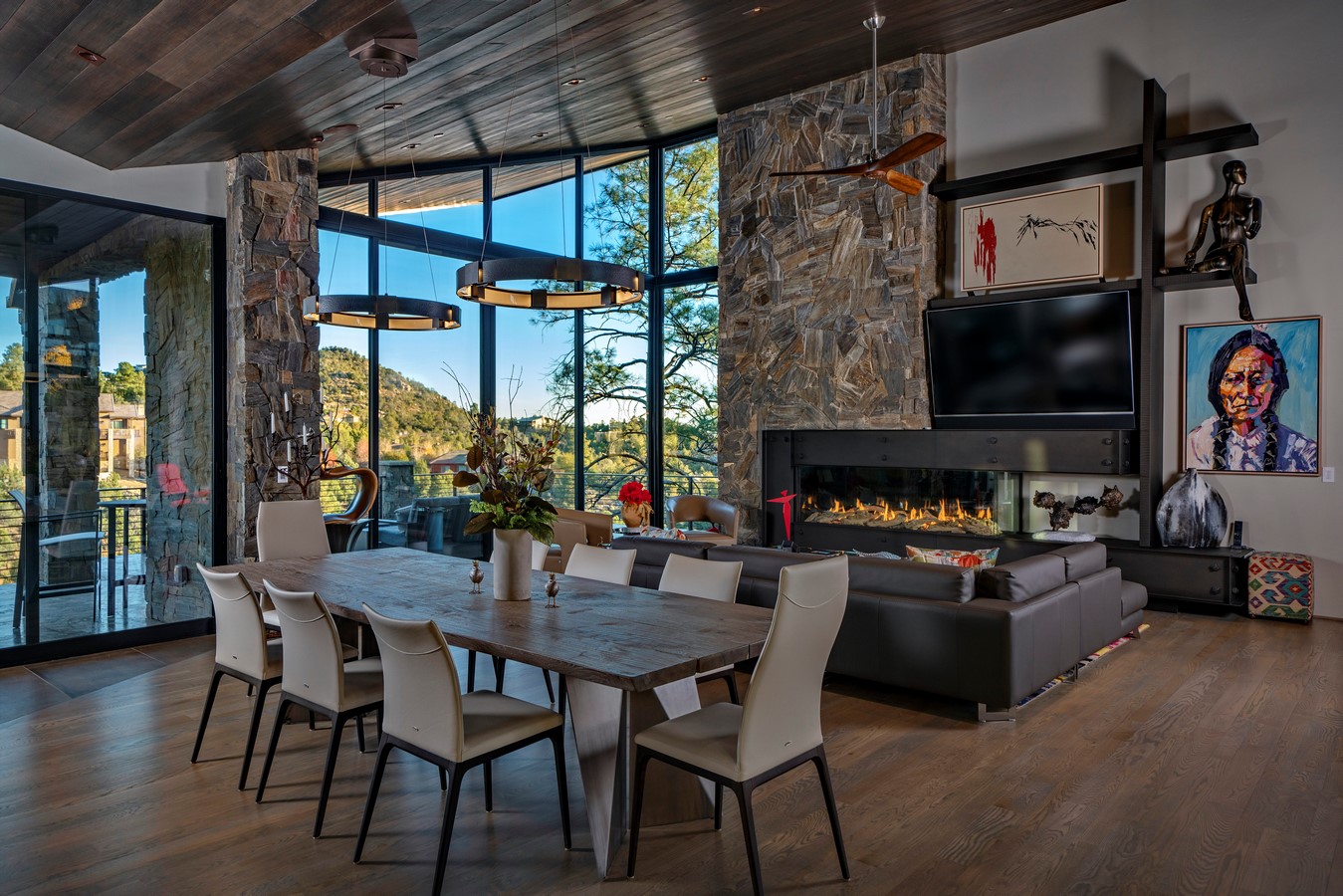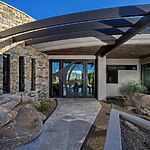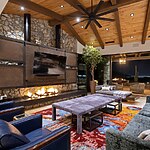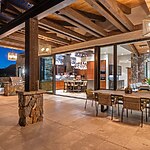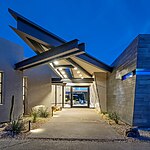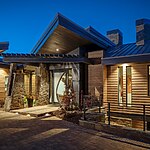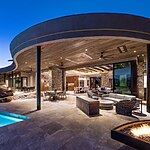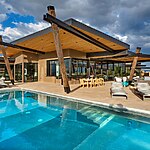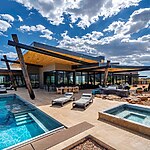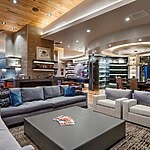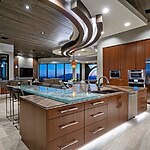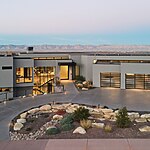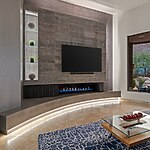
Ladies and gentlemen, design enthusiasts, and future architects, welcome to another enlightening episode of Future Talks by RTF, where we engage in conversations with the trailblazers shaping the architectural landscape. Today, we are privileged to host a distinguished guest, Mr. Marc, the visionary mind behind Soloway Interiors.
With an illustrious career marked by a commitment to multi-dimensional approaches in architecture, Mr. Marc has navigated the dynamic realms of design with finesse and innovation. As the founder of Soloway Interiors, he has not only overcome challenges but has turned them into stepping stones for growth, beginning with modest projects and evolving into a portfolio that reflects diversity and excellence.
Join us as we delve into Mr. Marc’s insights on sustainability in urban design, the evolving role of architectural criticism in the digital age, and the significance of a social media presence for architects. From his early experiences to the most rewarding projects, Mr. Marc will take us on a journey through the architectural world, offering valuable lessons and perspectives for aspiring architects and design enthusiasts alike.
So, without further ado, let’s embark on this enriching conversation with Mr. Marc, exploring the mind of a visionary architect who has not only shaped spaces but also cultivated a profound appreciation for design in the hearts of those he influences.
RTF: Hi Marc, We are glad to have you as a guest on Future Talks by RTF. Thanks for joining us. How crucial is a multi-dimensional approach towards building one’s own firm?
Marc: Adopting a multi-dimensional approach in architecture is indispensable. In an ever-changing environment, openness to adaptation is paramount. This approach involves staying attuned to design trends, technology, and socio-economic shifts. It fosters a culture of continuous learning, ensuring the firm remains relevant and innovative. Embracing change is not just a strategy; it’s a mindset. It’s about proactively anticipating shifts, staying curious, and cultivating a firm culture that thrives on innovation. In doing so, the firm not only survives but leads, shaping the future of architecture through a holistic understanding of evolving needs and contexts.
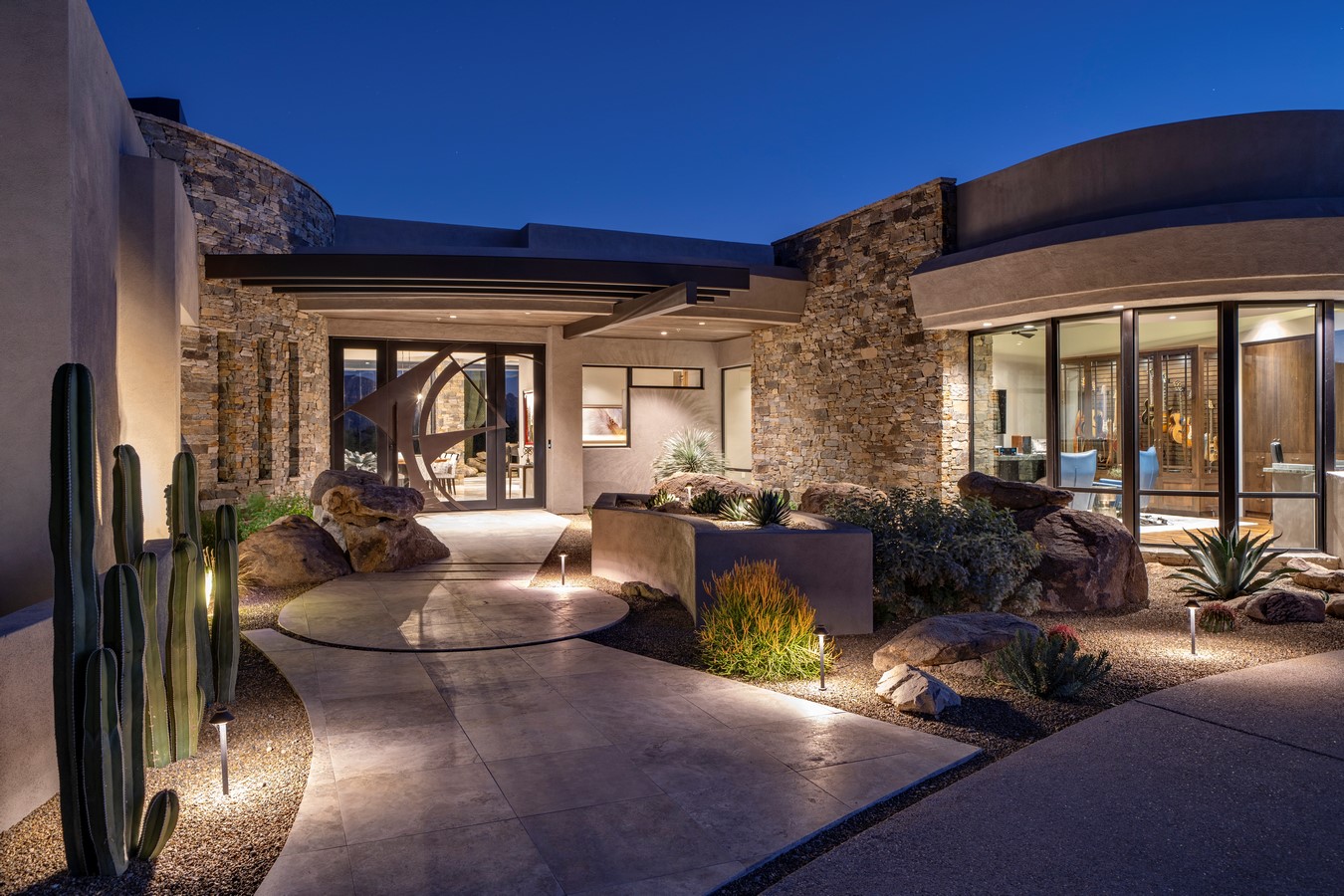
RTF: What were the challenges you faced initially working towards Soloway Interiors?
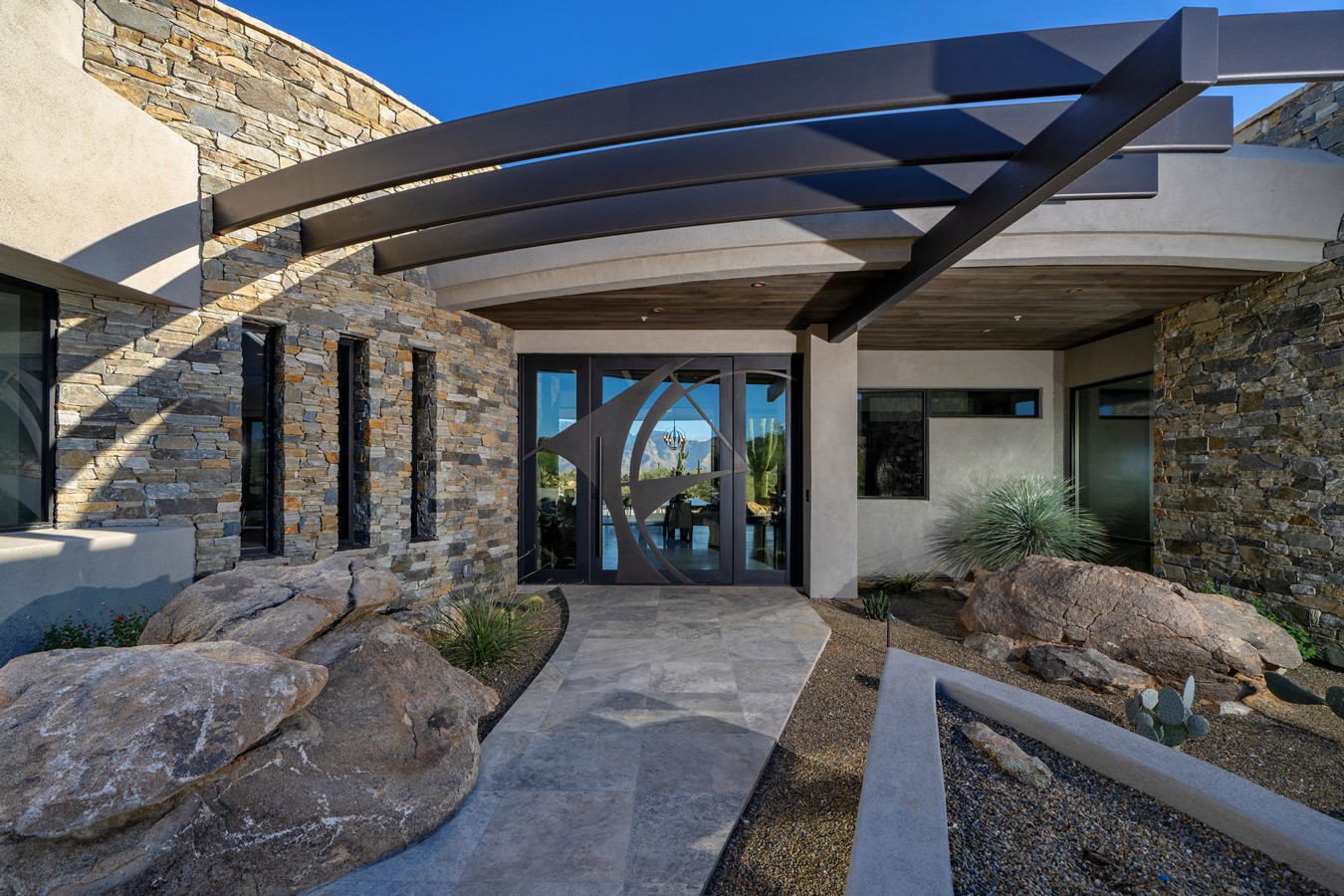
Marc: In the initial stages of our architectural firm, we faced the challenge of starting with very basic projects, primarily focusing on simple additions and small residences. Our primary goal during this phase was to ensure the utmost satisfaction of each client, regardless of the project’s scale. This client-centric approach was both a challenge and an opportunity.
We dedicated ourselves to perfecting even the smallest details in these early projects, understanding that client satisfaction was paramount. This meticulous attention to client needs and project execution, though challenging, laid the foundation for our growth.
As we progressively took on more complex and diverse projects, the experience gained from these simpler beginnings proved invaluable. It taught us the importance of adapting to varied client expectations and the nuances of different types of architectural projects.
Our journey from working on modest additions to handling more sophisticated architectural endeavors reflects our firm’s commitment to continuous improvement and client satisfaction. Each project, no Marcer its size, was a stepping stone towards building a portfolio that now proudly showcases a wide range of successful and diverse architectural accomplishments
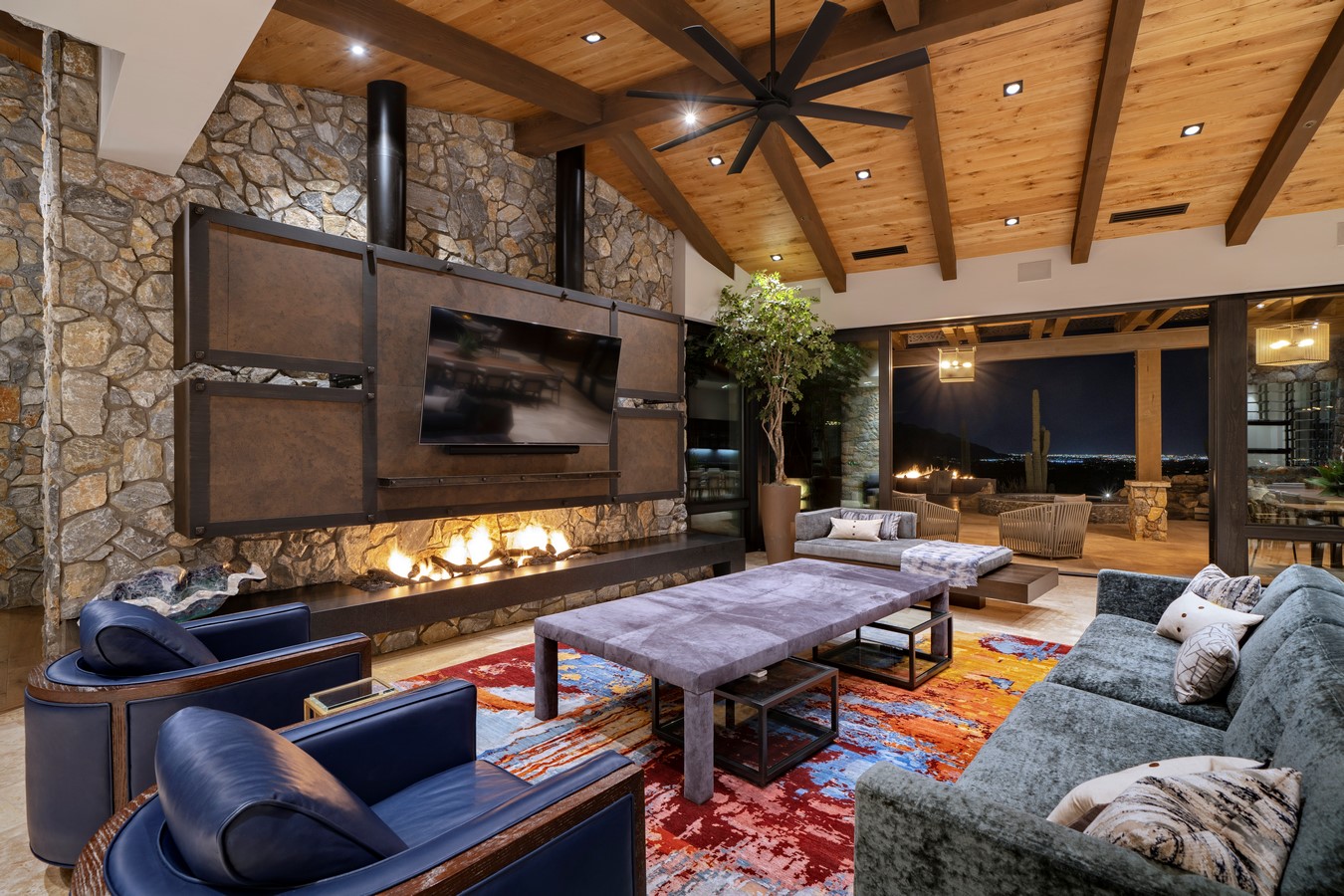
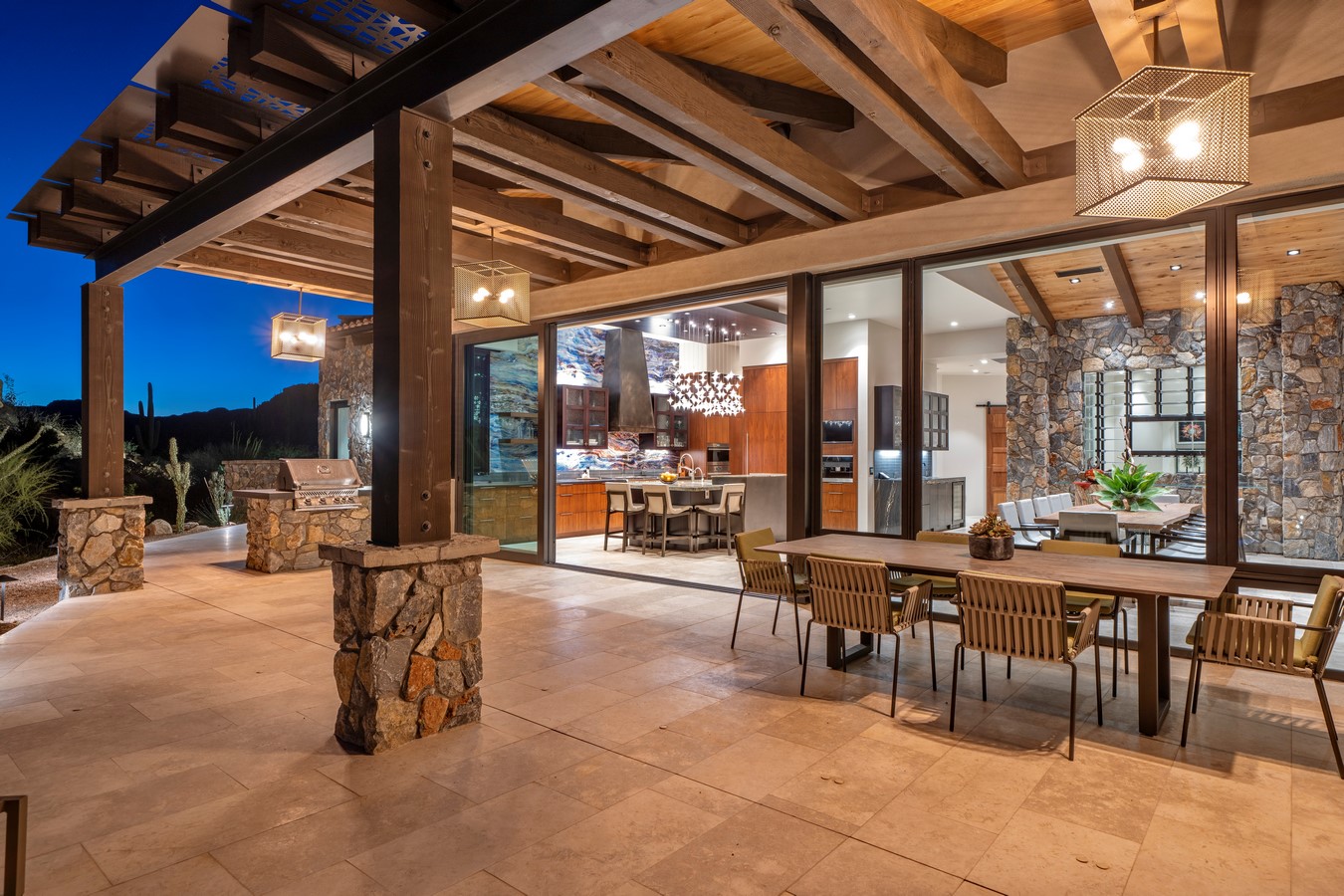
RTF: Soloway Interiors taking a time-lapse of their projects reflects their inclination towards the journey and presentation of the projects. How has the presentation of projects changed with time?
Marc: Our project presentations have undergone a noteworthy transformation, from primarily 2D representations to dynamic renderings and animations. This evolution aligns with our commitment to provide clients with detailed previews, ensuring they grasp every nuance of the design concept. This shift is fundamental to our philosophy of transparency and the prevention of any unwelcome surprises, reinforcing our dedication to delivering a comprehensive and engaging experience for our clients.
RTF: What are your views on sustainability in urban design and architecture? How far have we come from sustainability renders and plans to their real-life execution?
Marc: Sustainability in urban design and architecture is crucial. We’ve made significant strides from conceptual plans to real-life execution, emphasizing the use of eco-friendly materials and utilizing solar orientation studies to prioritize energy efficiency. Despite progress, challenges persist, with cost being a significant factor. While many client’s express interest in green home designs, the associated expenses often lead them to forgo these features. Balancing sustainability with affordability remains a key consideration for wider adoption in the built environment.
RTF: What does the mindset of young architects need to be in order to excel in the design industry? How has your journey been?
Marc: Young architects need a mindset of continuous learning, adaptability, and a passion for innovation to excel in the design industry. My journey has been a dynamic exploration, marked by embracing challenges, fostering creativity, and staying committed to evolving with the ever-changing landscape of architecture. Working my way through school for various firms was an essential part of my path, in lieu of waiting for the first job after graduation. This hands-on experience not only provided valuable insights but also fueled my determination to establish my own firm at the earliest opportunity. It underscored the importance of practical knowledge and instilled a proactive approach in shaping my career.
RTF: What is your perspective on the evolving role of architectural criticism and the influence of architectural critics in the digital age?
Marc: The evolving role of architectural criticism in the digital age is marked by the accessibility of opinions through social media. While platforms allow for diverse perspectives, dealing with criticism often involves responding to anonymous negative comments. I’ve found that engaging by asking for specific feedback sometimes reveals a reluctance to elaborate, highlighting the boldness of opinions in the perceived anonymity of online spaces. Navigating this dynamic landscape requires a balance of addressing concerns and maintaining a constructive dialogue within the realm of architectural discourse.
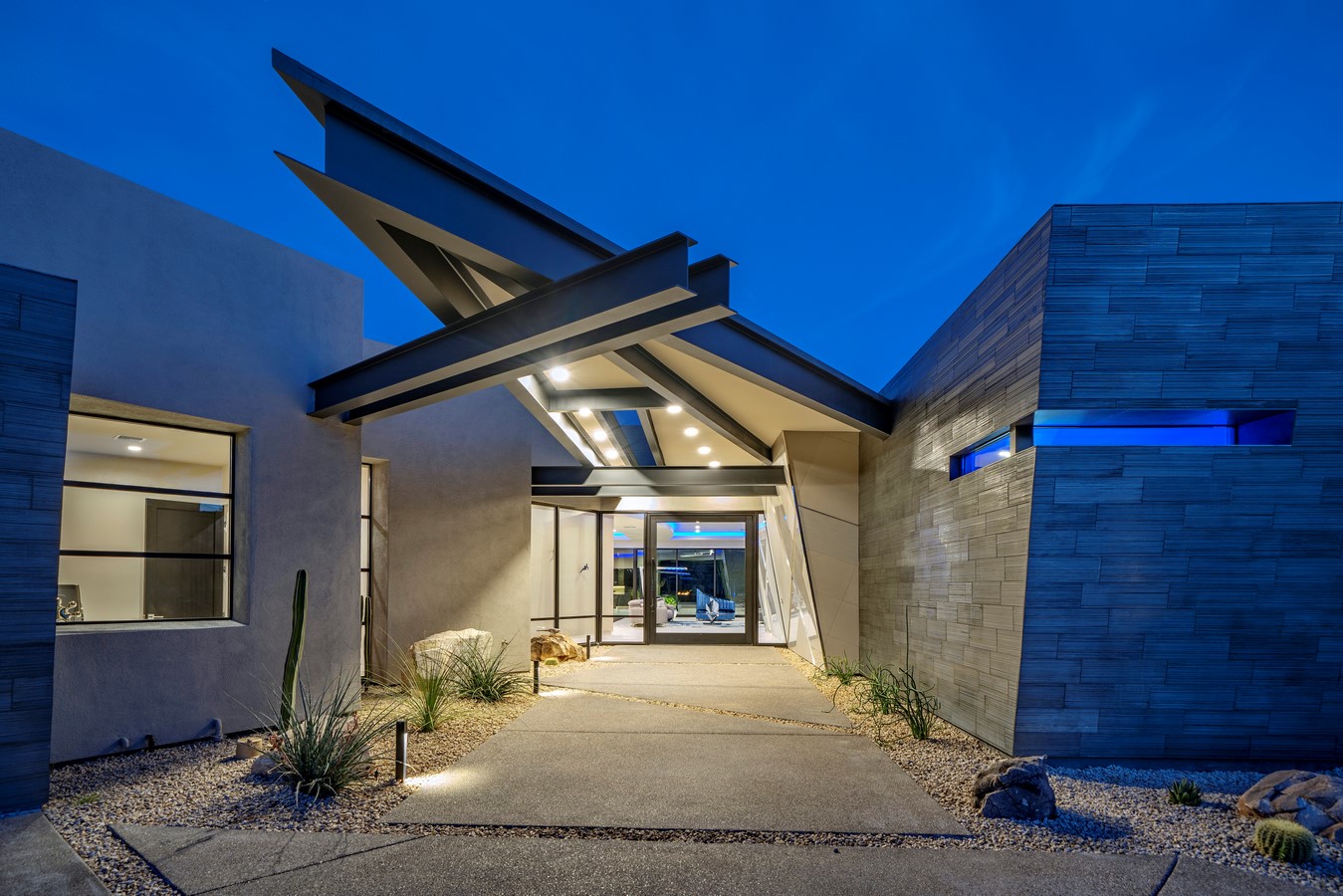
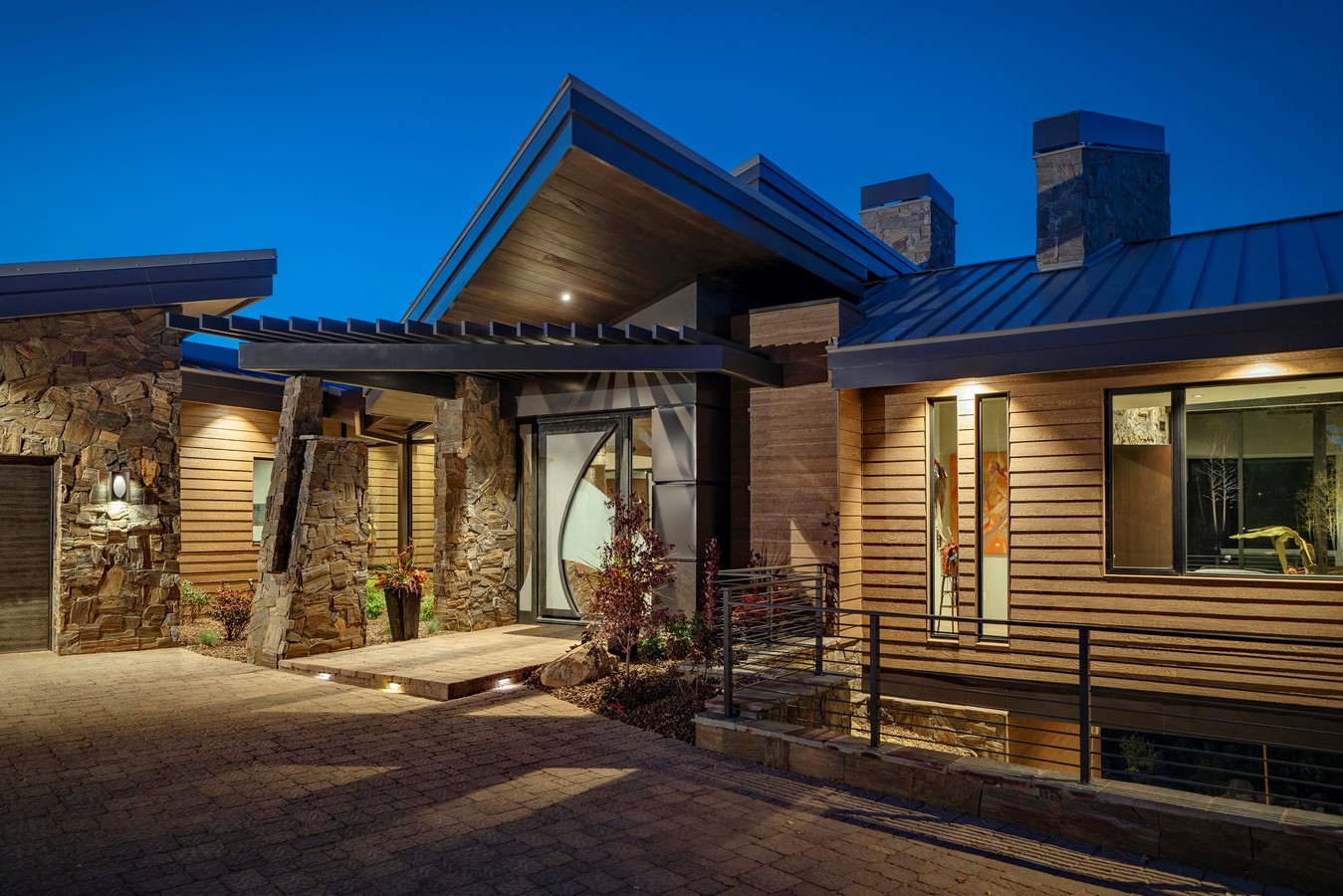
RTF: How do you approach getting your projects featured in publications? Can you share any challenges you’ve encountered in the process of getting your work published?
Marc: Getting our projects featured in publications involves a strategic combination of compelling storytelling, high-quality visuals, and proactive engagement with media outlets. The primary challenge faced has been time constraints due to our busy schedule, limiting our ability to dedicate sufficient resources to the process of submission and follow-up required for successful publication.
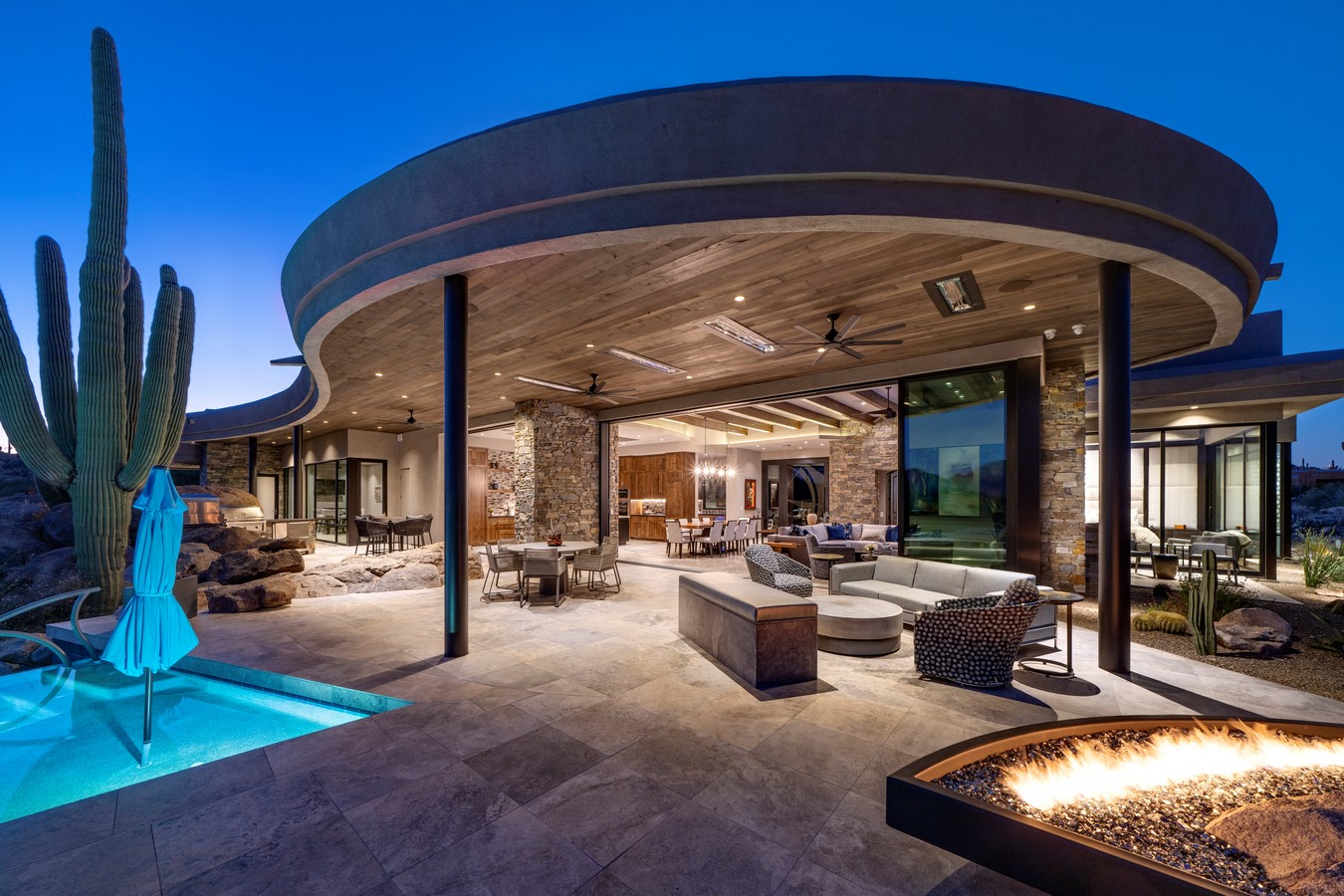
RTF: How do you tailor your communication and publication strategies to resonate with different target audiences, whether it’s clients, peers, or the general public?
Marc: Adapting communication strategies is key. For clients, it’s about practical benefits; with peers, innovation, and technical insights; and for the public, societal contributions and visual appeal. Tailoring content ensures meaningful engagement and connection across diverse audiences.
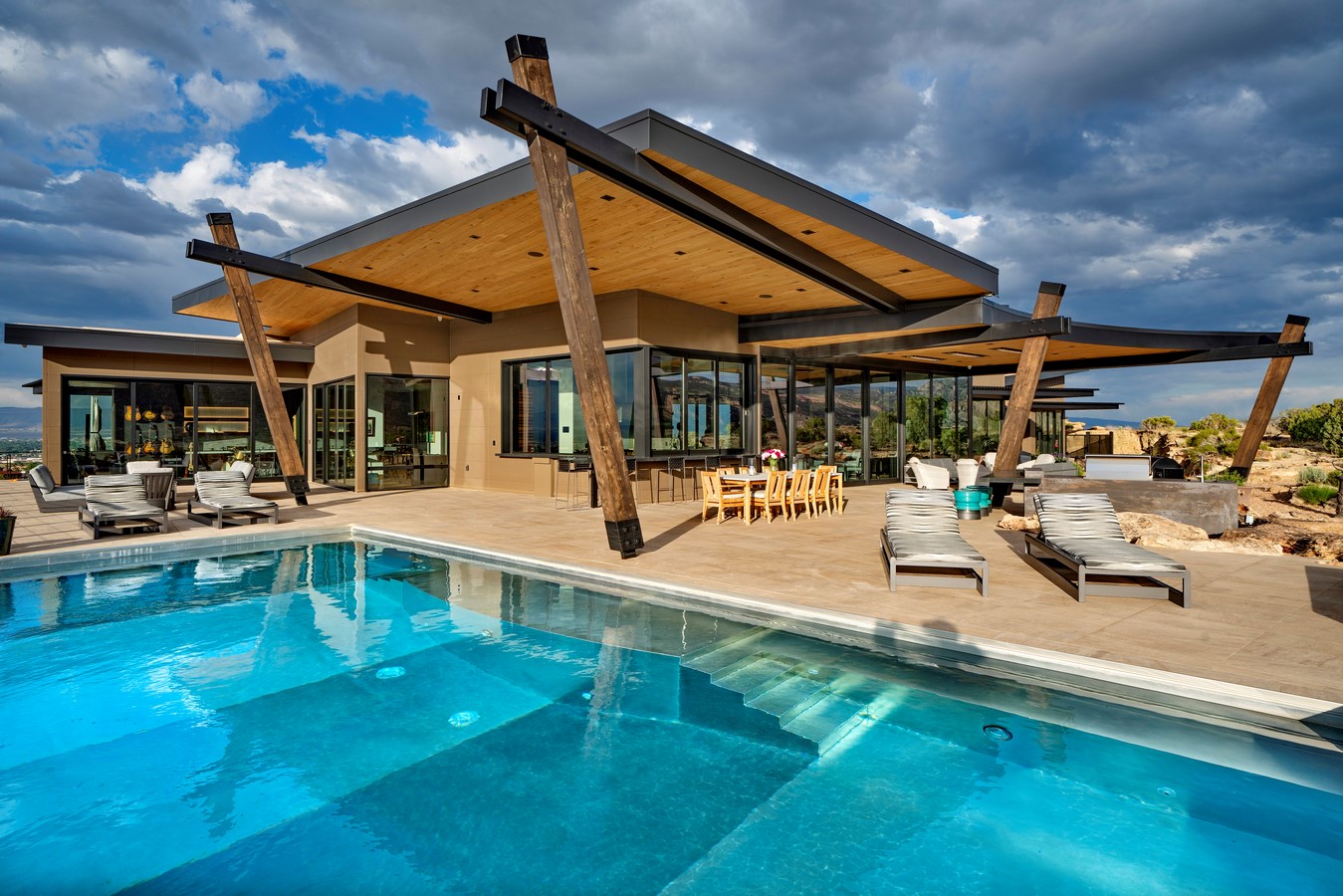
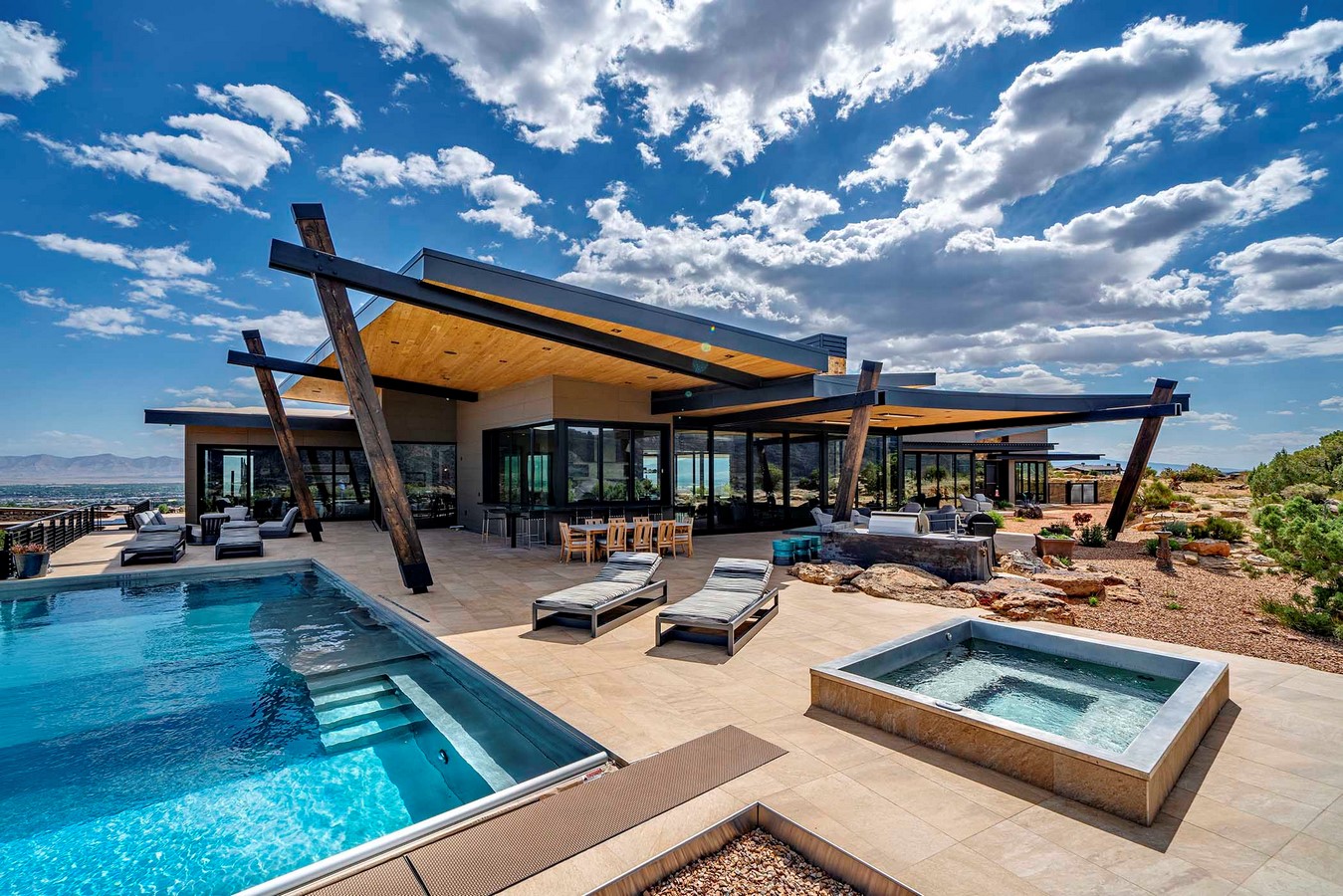
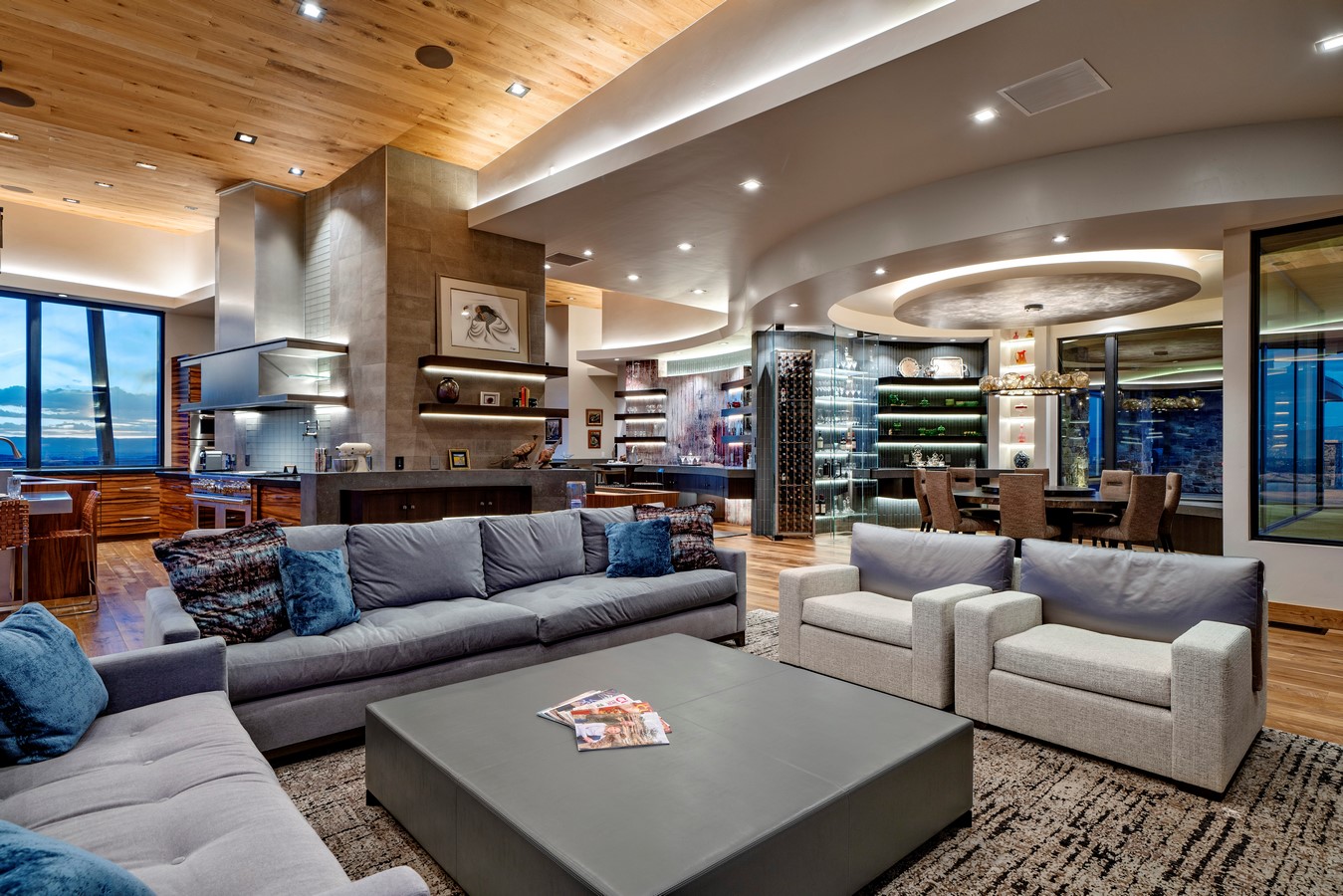
RTF: What do you think of building a social media presence for architects? How important is it and what does it demand from the architects who choose to do it all on their own?
Marc: Building a social media presence for architects is crucial in today’s digital landscape. It’s a powerful tool to showcase work, engage with a wider audience, and stay relevant. Managing it independently demands consistent effort in content creation, understanding platform dynamics, and fostering meaningful connections. It’s not just a promotional tool; it’s a platform to share insights, contribute to discussions, and build a distinctive online identity.
RTF: Which has been the most rewarding project for you until today? And, what factors made it so?
Marc: Selecting a single most rewarding project proves challenging, given that each endeavor unfolds as a unique journey with our exceptional clients—a labor of love shaping my architectural experience.
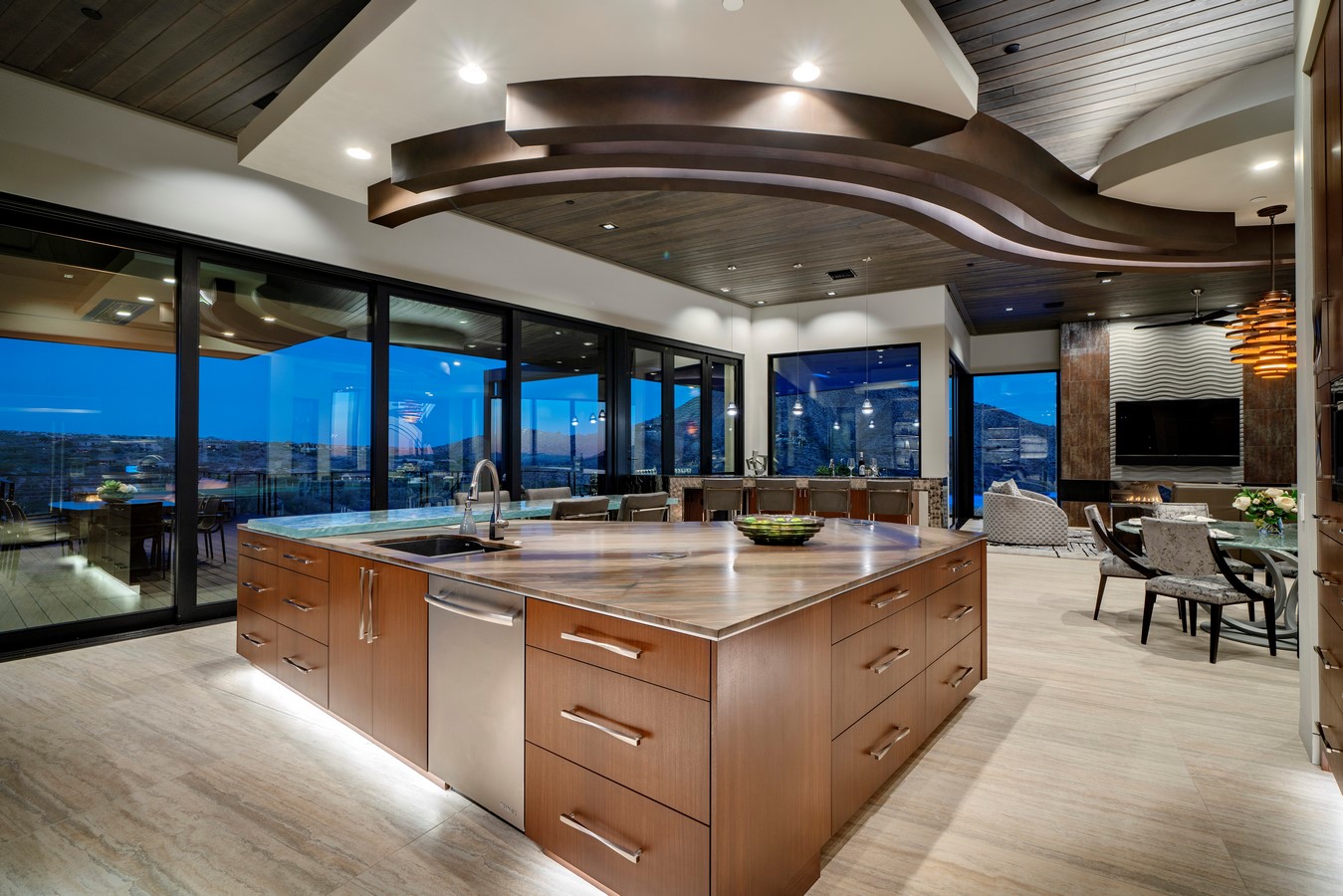
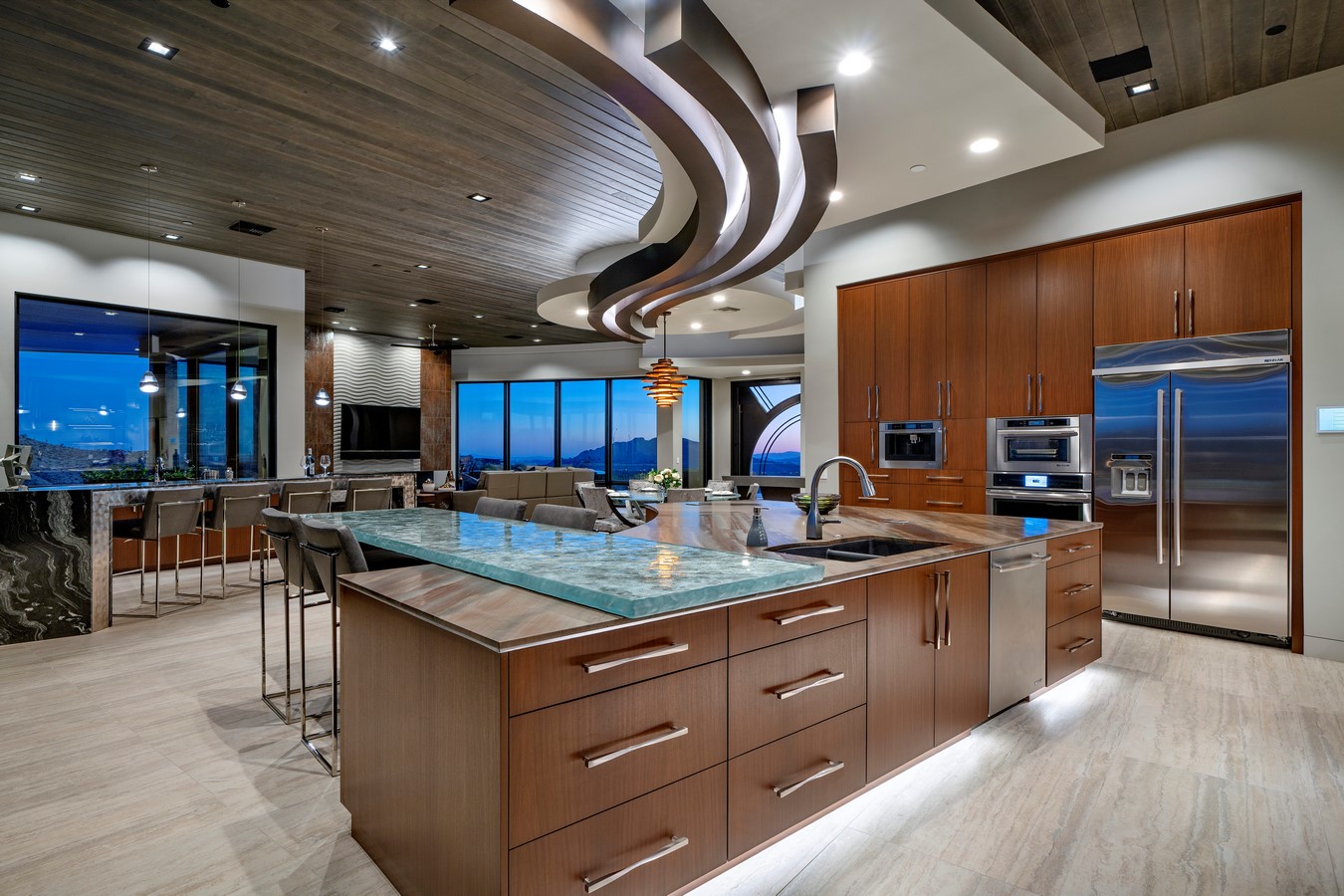
RTF: How does a community make ‘An Architect’? And how important is the role of parents in shaping a child, who is sensitive towards art and architecture?
Marc: Becoming an architect in a community involves fostering creativity and curiosity, with exposure to diverse architectural styles. Personally, knowing I wanted to be an architect since age 8 highlights the crucial role parents play. Actively listening to a child’s interests is vital, as my experience shows how parental support guides towards a fulfilling career aligned with passions. By nurturing these interests, parents significantly contribute to shaping a future architect with a profound appreciation for design.