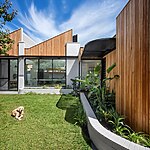
Welcome to Future Talks by RTF, where we delve into the innovative minds shaping the architectural landscape. In this installment, we are privileged to converse with Chris Rowlands, the visionary founder of RADS. Established in 2012, RADS began its journey with a singular focus on lifestyle projects, carving out a niche in hospitality and residential domains. Over time, this dedication has evolved, expanding the firm’s repertoire to encompass boutique commercial ventures.
What started as a one-person endeavor has blossomed into a five-member strong practice, earning accolades in both local and national architecture and interior design spheres. The imprint of RADS’ creativity extends beyond borders, with its projects finding their way into global publications. At the helm of this innovative firm is Chris and his dedicated team, committed to crafting architectural marvels that not only inspire but also embody a profound commitment to sustainability.
Join us as we explore the ethos, inspirations, and forward-thinking strategies that drive Chris Rowlands and RADS towards delivering meaningful architectural outcomes in an ever-evolving world.
RTF: Hi Chris, We are glad to have you as a guest on Future Talks by RTF. Thanks for joining us. What is your design philosophy and how was it shaped? How is it reflected in the work of RADStudio Architecture?
Chris: Glad to be invited, thankyou. Early on I was mostly drawn to experiential spaces exploring; volume, light, texture & mood. That later developed into seeking meaningful experiences through architecture. I touched on this a little more in the interview.
Today we express this through briefing conversations that inspire and drive our conceptual direction on projects. All part of our process which is a series of conversations that end up becoming a built project.
Part of our philosophy is also sharing built outcomes. As architects we place an importance on celebrating the entire process from concept to completion.
RTF: How have you shaped yourself creatively? What are the constant efforts towards it?
Chris: Mostly through experience, observation and awareness. Every project is an opportunity to learn more about yourself and the experiences we create as architects. I like to listen and read from other creatives about how they apply themselves to a creative process. For example, listening to a musician talk about music may spark a thought. Every additional influence can either open up new ways of thinking about the creative process or validate the path we are on. Conversation and collaboration amongst designers is a great way to remain present in a creative headspace.
RTF: Which has been the most rewarding project for you until today? And, what factors made it so?
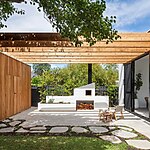
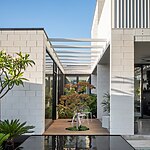
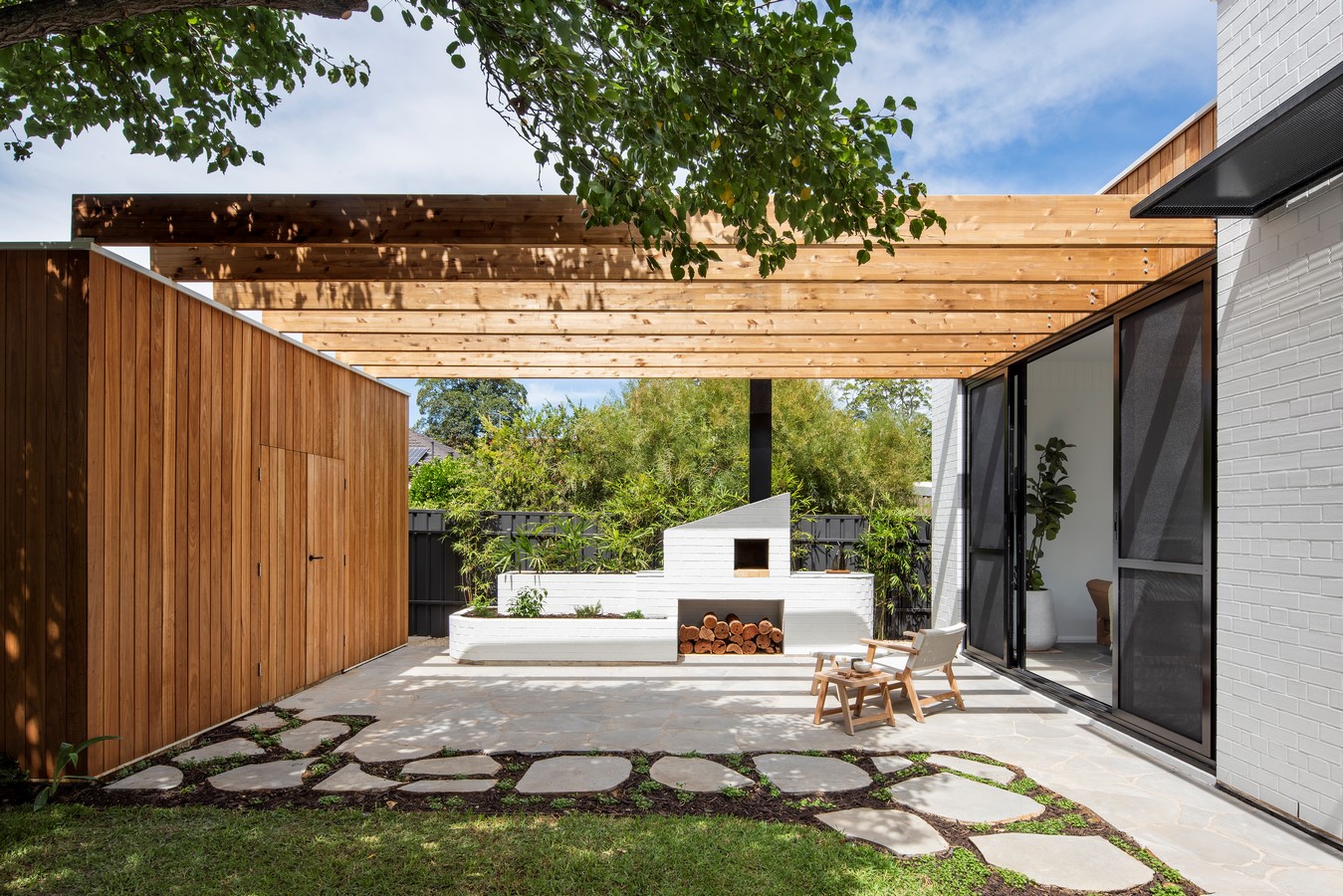
Chris: I had a pair of projects that finished at a similar time that both offered very rewarding experiences, those projects are Gilbert – A Goodwood House & The Cycad House. Both clients were extremely trusting and engaged in the process in a very productive way. Our brief and project development was quite personal.
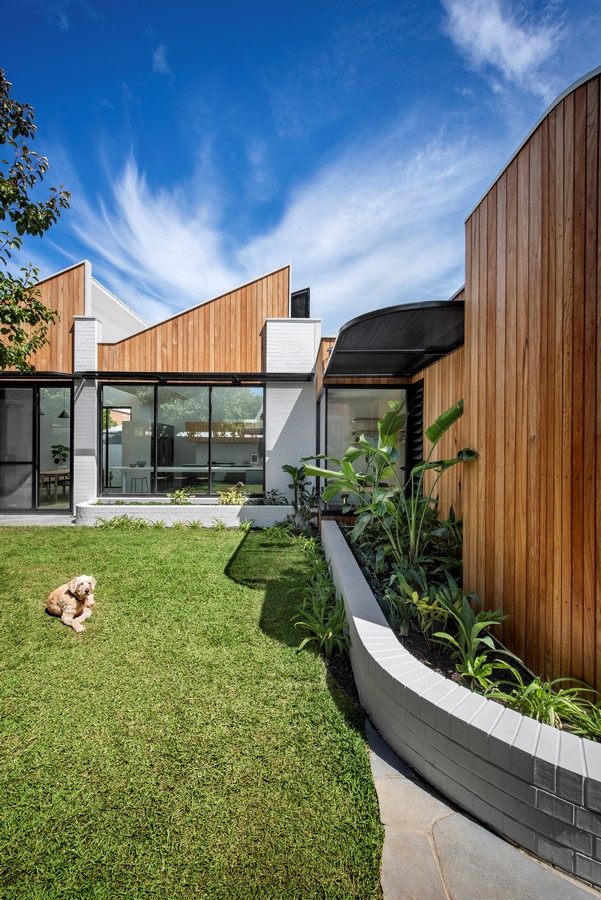
For Gilbert, we got to learn some intimate details about Sam’s memories and connection with architecture. Details and material selections evolved the more we learned about our clients. Part of this process was also seeing a young couple expecting design a home for the intended family. At the end of the defects stage we saw the home occupied for a family of five.
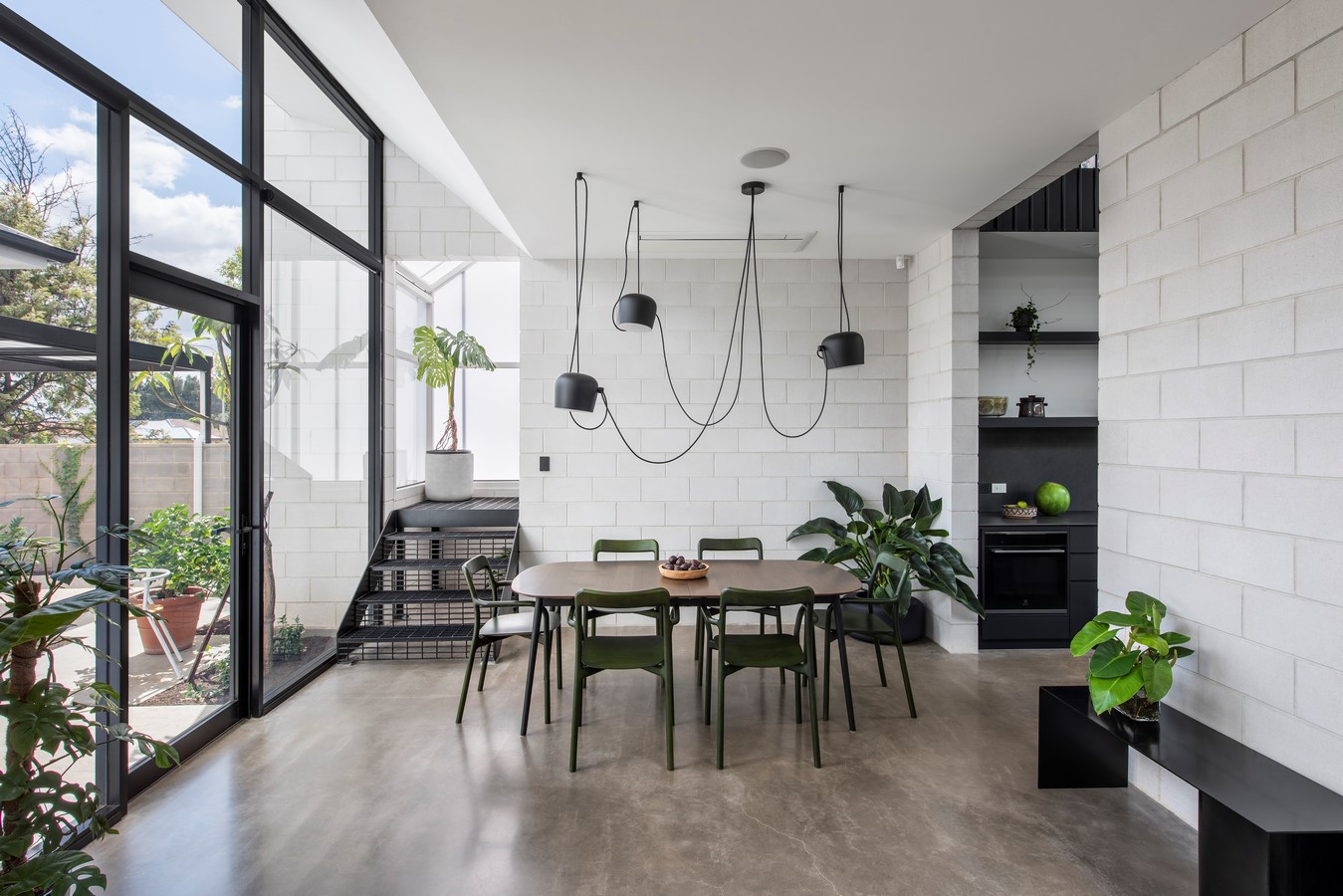
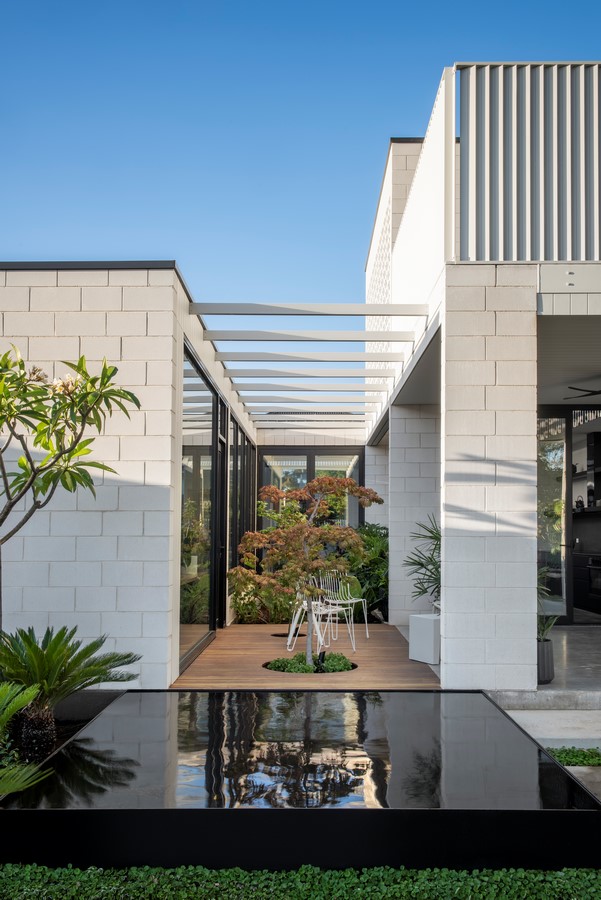
Cycad, similarly tapped into some really meaningful discussion about our client, Ngoc. She inspired our design direction with her knowledge and love for architecture she grew up with in vietnam. Her passion for gardening and how that would integrate into a brutalist architectural home gave us so much to work with. Ngoc’s generosity and kindness throughout the build touched all involved.
Both of these projects were incredibly rewarding from a client relationship experience. So much so it triggered internal conversations with the team about what our goals are as architects.
RTF: What is the process of establishing a common ground when dealing with a client’s demands and your ideas? How important do you consider ‘The Art of Persuasion’ for architects?
Chris: Every relationship whether it be personal or professional is never going to be one in the same. Like every relationship if things aren’t quite kicking off then its more than likely not going to work. Establishing if we are the right fit early is a very honest and important step before presenting ideas.
Part of our process is engaging in conversations at the beginning of a project to make sure what our clients want to do is what we are capable of and what we want to do.
Good design sells itself. We believe in our process to attempt to satisfy a brief with clear communication rather than pitch an unsuspecting and overwhelming idea. Its not always perfect but continual communication is highly valued in delivering ideas.
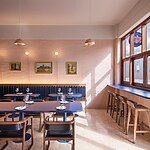
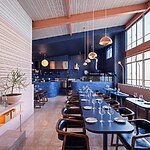
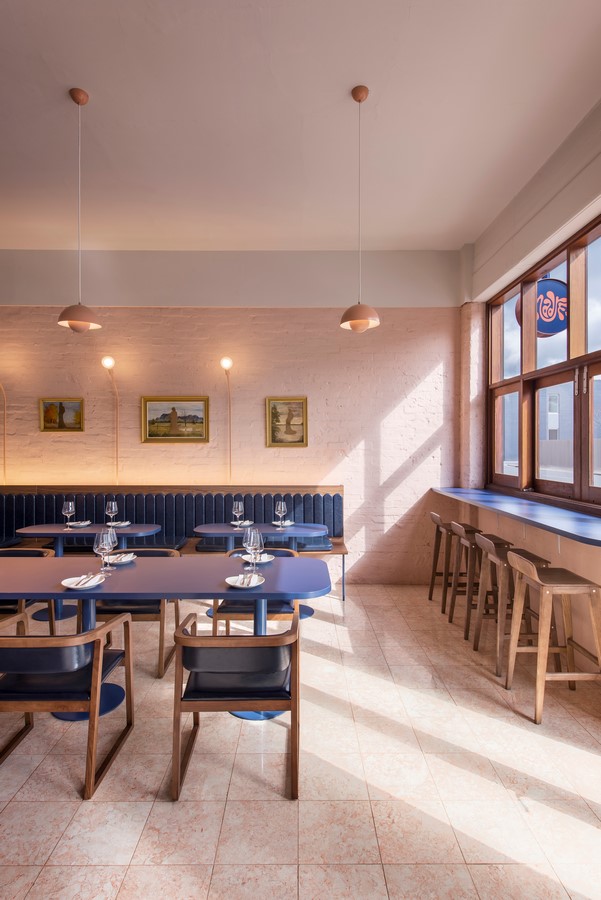
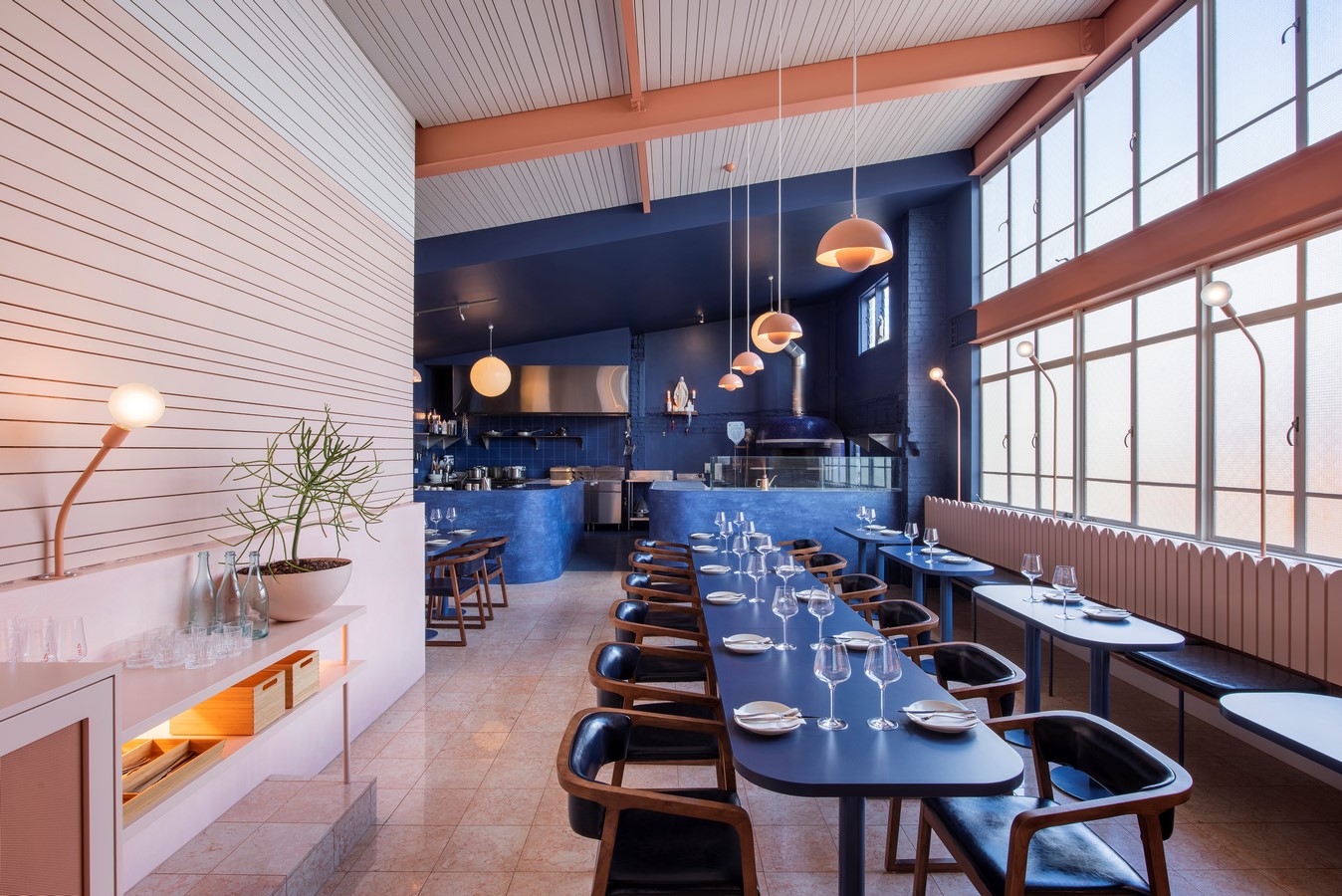
The best case scenarios is when there the conversation goes so well the interaction between client, architect and project team continues to elevate the project, we had a great experience with this on a restaurant, Madre.
RTF: What methods do you use to engage with your audience and encourage meaningful discussions around your architectural projects and ideas?
Chris: Social media is a great way for us to control our voice to a wide and varied audience. Its an opportunity to provide a continual feed of what excites us. It might be capturing a very intentional moment in perfect conditions in its rawest form. In terms of meaningful discussions, vignettes and our tone give away a little something about our identity and express what we are paying attention to.
Preparing and presenting for awards programs or media submissions is a nice way to sit back and review what we have delivered. Internally this sparks great discussions about the project. Publically, it’s a very vulnerable moment to lay it all out open to widespread criticism to an audience that don’t know the origins of the project. We make sure that the objective information aligns with our practice objective when speaking about our work.
RTF: How do you tailor your communication and publication strategies to resonate with different target audiences, whether it’s clients, peers, or the general public?
Chris: We don’t really. We speak about what’s true to our practice and projects hoping that we end up engaging with like minded people in a variety of audiences that resonate with the messaging.
So far that’s worked for us to maintain organic growth in the areas we want to be.
RTF: How do you manage time and resources efficiently when dealing with the demands of maintaining an online presence, creating new work, and pursuing publication opportunities?
Chris: For a small practice like ours it needs to be planned into the working week or it doesn’t happen. Its something I’m trying to improve on, when things get busy with projects unfortunately the media communication can drop. I’m very aware that its important to prioritize and plan time to ensure our presence remains relevant. Its not a small task.
RTF: What’s your take on AI and architecture/design?
Chris: Unknown waters for me at this stage. We’ve had many conversations about this internally at RADS. I need to spend some time better understanding how the capabilities may fit within our systems.
I’m sure that I’m using AI without even knowing about some tasks now. Either way it’s developing and happening, it’s how the systems develop to ensure the human element is highly valued.
RTF: How do you keep yourself motivated? What would you suggest to the budding architects who await success in the field? What must be the mindset?
Chris: Architecture is a very demanding career. Very! Motivation is important, at times the pressure of the profession can create cloudy views and become extremely overbearing. Taking the time to step away is really important, visit places and people that inspire and reignite your passion. Its only probably until now i really learned the importance of time away from the routine.
Collaborate and engage in conversation with your peers. I often compare the procurement of a building to a team sport. If your team is high quality and headed for the same goal it keeps me motivated, efficient and determined to impress.
Surround yourself with good people.
Make sure you are working on projects that you vibe with.
Focus on being a self improver. You will never stop learning through architecture. Each project is a new opportunity to be a better version of yourself.
RTF: What are the other paths you stroll on when not working?
Chris: Cooking is my cathartic escape that still allows a little creativity on a sunday afternoon.
Spending time with my partner Georgia and my dog Bruce.
Health and fitness is a priority for balance, getting down the coast for a little surfing or fishing. I recently decided after five years of mostly social boxing training that I would jump in the ring for the first time for the Australian Masters Games. That was one of the most daunting situations I’ve put myself in but an incredibly rewarding experience to learn a lot about myself.