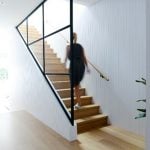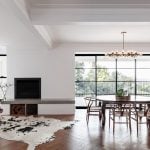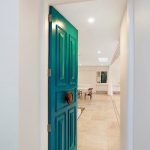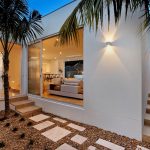
Ladies and gentlemen, it is an absolute pleasure to introduce you to a true luminary in the world of design, Lesley McClennan. With over two decades of experience, Lesley has not only reshaped the spaces we inhabit but has also transformed the way we perceive design itself. Her journey began in the vibrant city of Melbourne, Australia, where her deep appreciation for aesthetics and an unwavering commitment to enhancing the functionality and beauty of spaces set the stage for an extraordinary career.
Lesley’s educational background in building construction and interior design provided her with a rock-solid foundation, allowing her to seamlessly marry form and function in her projects. She has left an indelible mark on some of Australia’s most prestigious Retail, Commercial, Hospitality, and Residential projects. Today, from her base in Sydney, Australia, her company, “The Design Consultant,” continues to exceed expectations and deliver outstanding results.
What sets Lesley apart is her remarkable ability to capture the unique essence of her clients’ visions and translate them into captivating designs. Her portfolio is a testament to her versatility, ranging from opulent residential spaces to cutting-edge retail interiors. She possesses a rare talent for crafting designs that not only reflect her clients’ personalities and needs but also infuse her signature touch of elegance and sophistication.
Beyond her client work, Lesley has been a beacon of inspiration in the design community. She has shared her knowledge through lectures, written insightful design articles, and even served as a judge for national design awards. Her invigorating presence has graced design industry functions, where she has inspired fellow designers and enthusiasts alike.
Lesley McClennan’s dedication to her craft, her unwavering commitment to excellence, and her extraordinary ability to transform design dreams into reality have firmly established her as a pivotal figure in the realm of interior and building design. With a future that shines as brightly as her creative brilliance, Lesley continues to shape and inspire the world of design. Join us as we delve into her captivating journey and glean wisdom from her profound expertise through our special segment known as Future Talks by RTF.
RTF: Hi Lesley, We are glad to have you as a guest on Future Talks by RTF. Thanks for joining us. How important do you consider a ‘Design Consultant’ statement in your projects?
Lesley: Including a design consultant statement in projects is important, as the statement outlines the role and responsibilities of the design consultant, which can help clarify expectations, define deliverables, and establish accountability. It is good practice to have a clear design consultant statement which forms the return project brief and essentially it also forms part of the contractual agreement and assists in avoiding misunderstandings and disputes. Design is a personal and creative process, so it is important for a designer to understand their client and the project in order to make it unique.
RTF: What is your approach towards design and how was it shaped in your initial years?
Lesley: My approach to interior and building design involves the combination of creativity, functionality, and practicality. I have always used a key design checklist which has been a valuable tool for building foundational skills that have shaped my pathway through the industry by helping with organized thinking, methodology, quality assurance, communication and efficiency and overall ensuring consistent high quality work.
Key Design checklist:
- Defining Goals: understanding the project objectives and preferences. What’s the purpose of the space? What’s the preferred style or theme? What’s the budget and timeline?
- Research: Sourcing inspiration from magazines, websites, and social media. Researching different styles and elements for the project.
- Space Planning: Evaluating the space and creating a functional layout or layouts. Consider traffic flow, furniture placement, and thinking about how the spaces will be used.
- Colour and Lighting: selecting and working with a color scheme that complements the style and lighting that suits the room’s purpose. Proper lighting can enhance the atmosphere and is crucial to creating the rooms atmosphere. Interior and exterior.
- Fixtures, Fittings & Furniture : Selections needs to reflect and be in keeping with the space and style of the project. There needs to be a balance or aesthetics with comfort and functionality. Accessories and decor add personality & individuality to a space.
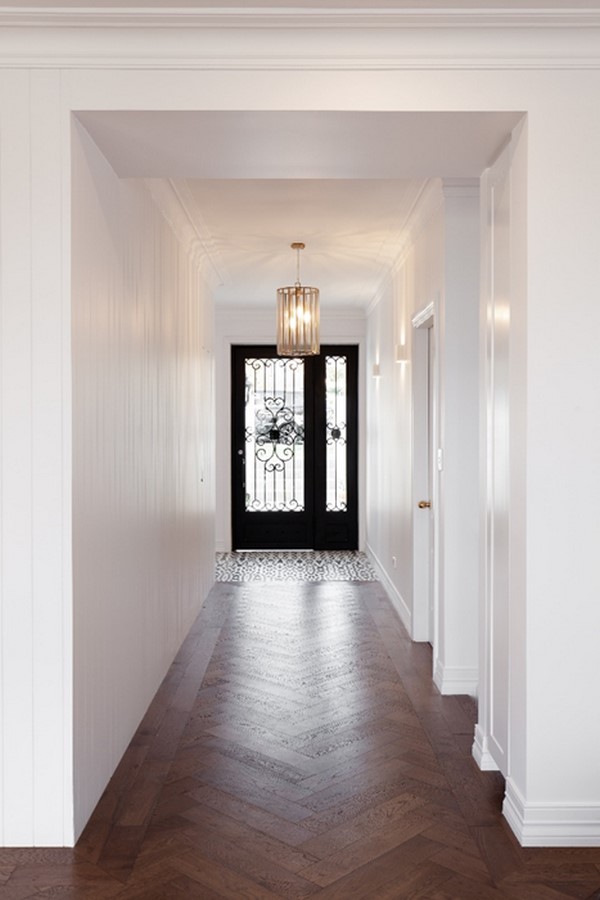
- Material Selection: Choosing materials for flooring, walls, joinery, ceilings, from a creative application perspective is one aspect of design however selections need to be fit for purpose in terms of durability, maintenance, and how they work aesthetically into the overall design concept.
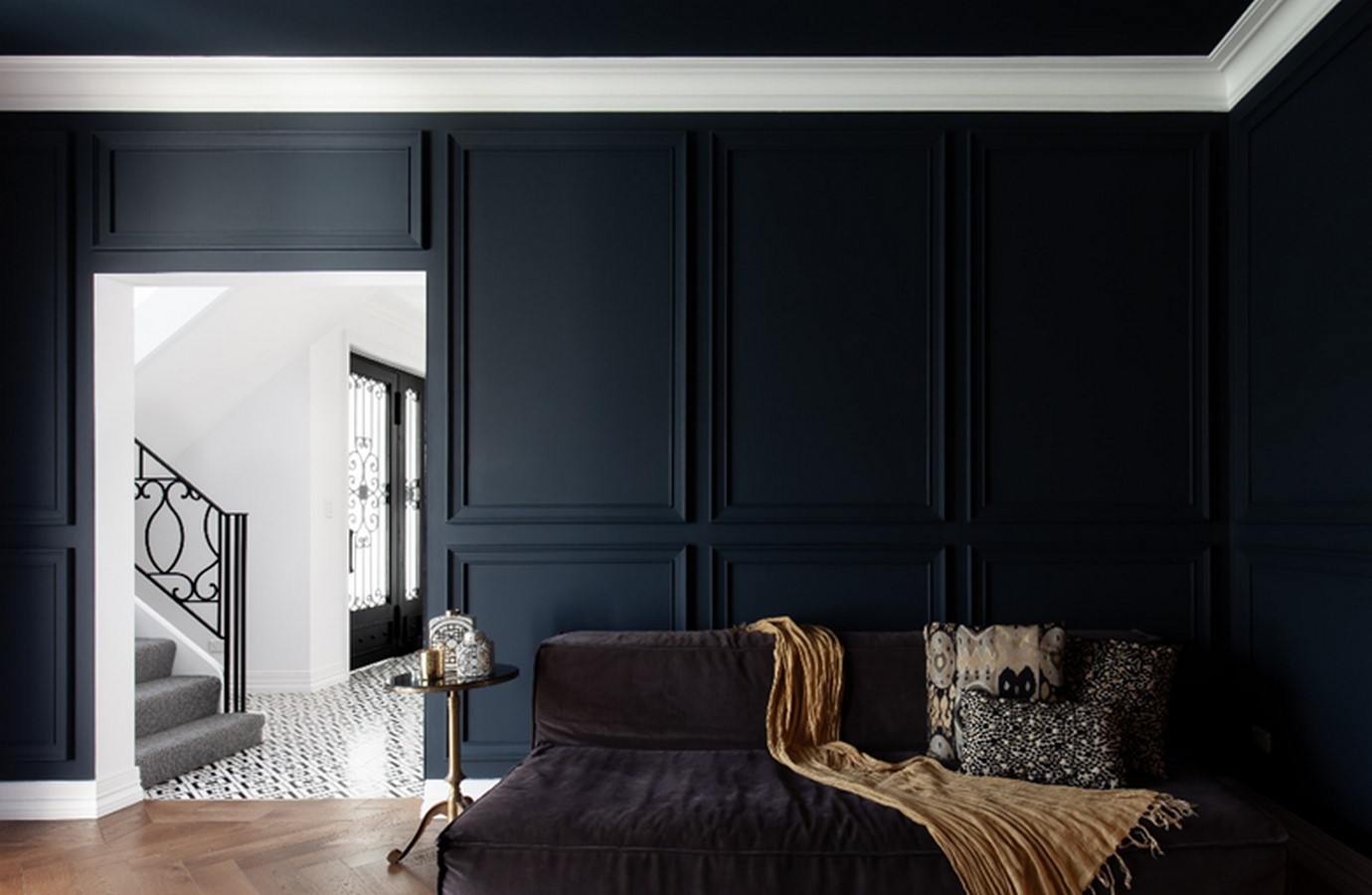
- Budget Management: Stay within the budget by prioritizing essentials and finding cost-effective solutions.
- Sustainability: Consider if there are any eco-friendly options to material selections and see if these can be incorporated into the design and within the budget.
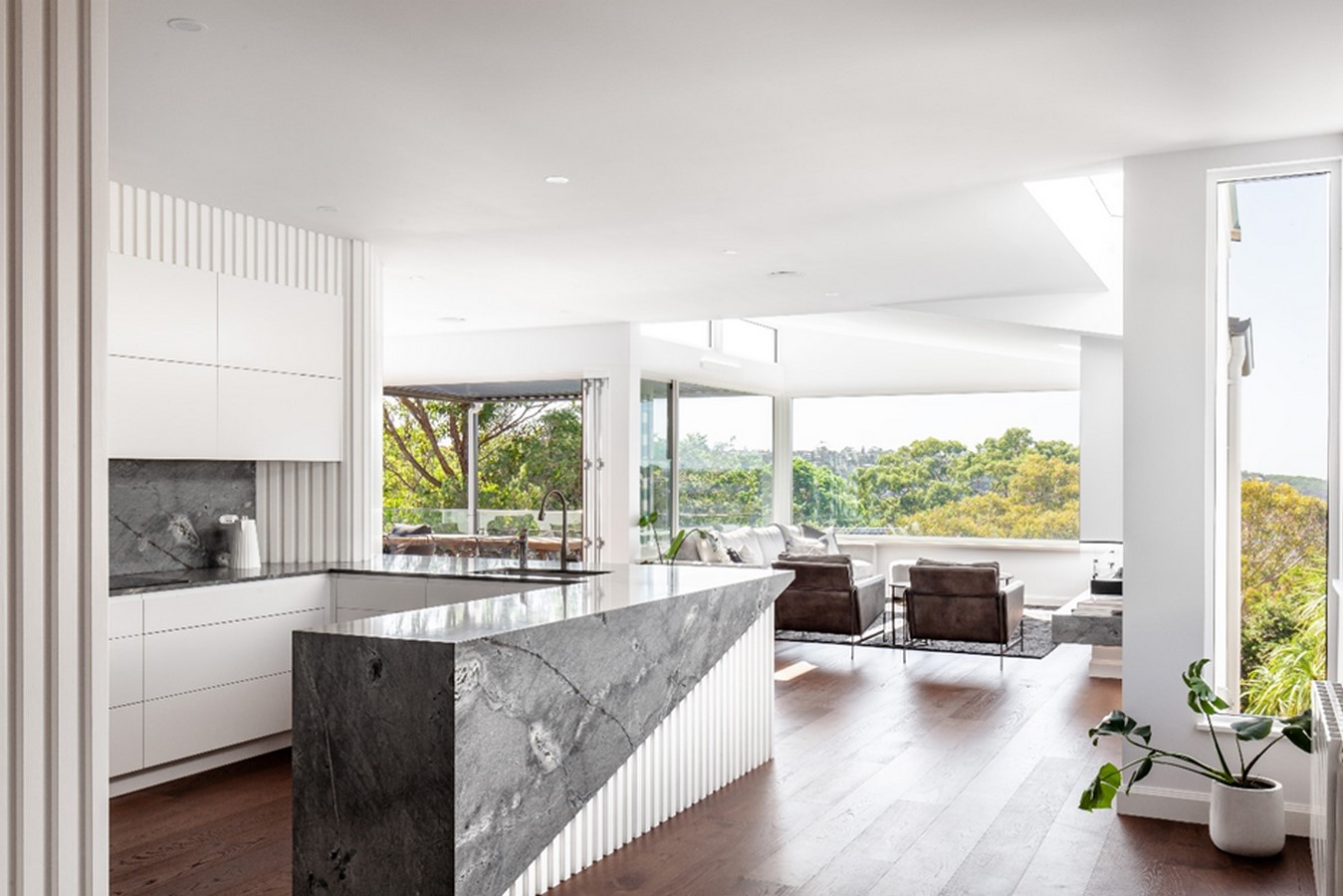 RTF: What are your views on working collaboratively? How exciting and challenging it is at the same time?
Lesley: I think working collaboratively on interior and building design projects can be exciting and offers several benefits. It combines diverse expertise which leads to innovative solutions. Teamwork can promote efficiency and can reduce project costs and can ensure that final designs are well-rounded, functional, and aesthetically pleasing. On the flip side it can be challenging as architects and designers can be passionate and working collaboratively can lead to differing opinions which in turn can potentially delay projects and increase costs.
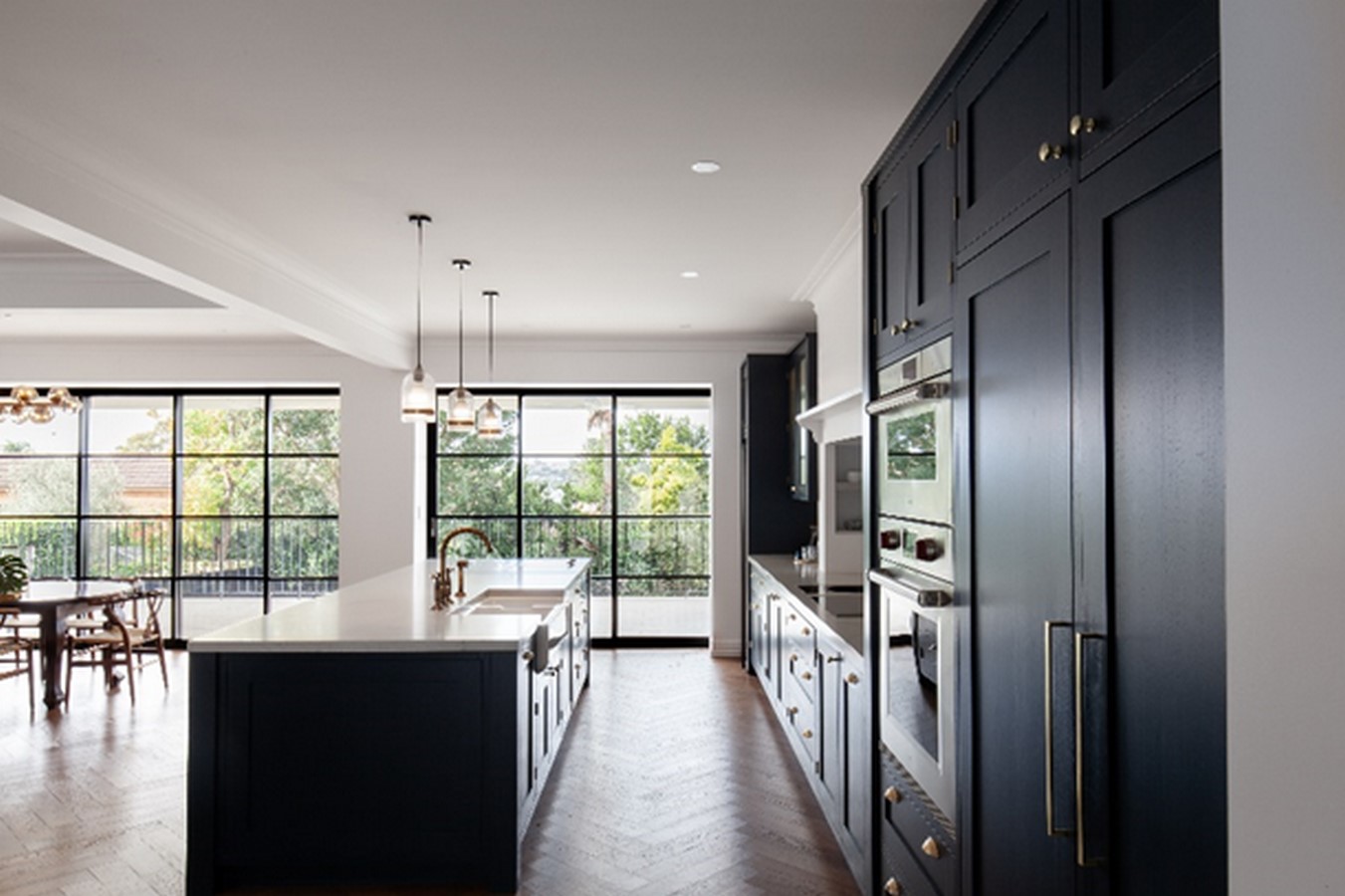
RTF: How important do you consider visiting sites regularly?
Lesley: Site visits during the building phase are essential not only to monitor progress, but to ensure adherence to plans and specifications, identify and address any issues or discrepancies, and maintain quality control. Site visits allow the designer and client to make real-time decisions, address unexpected challenges, and ultimately ensure the project stays on track and meets its goals.
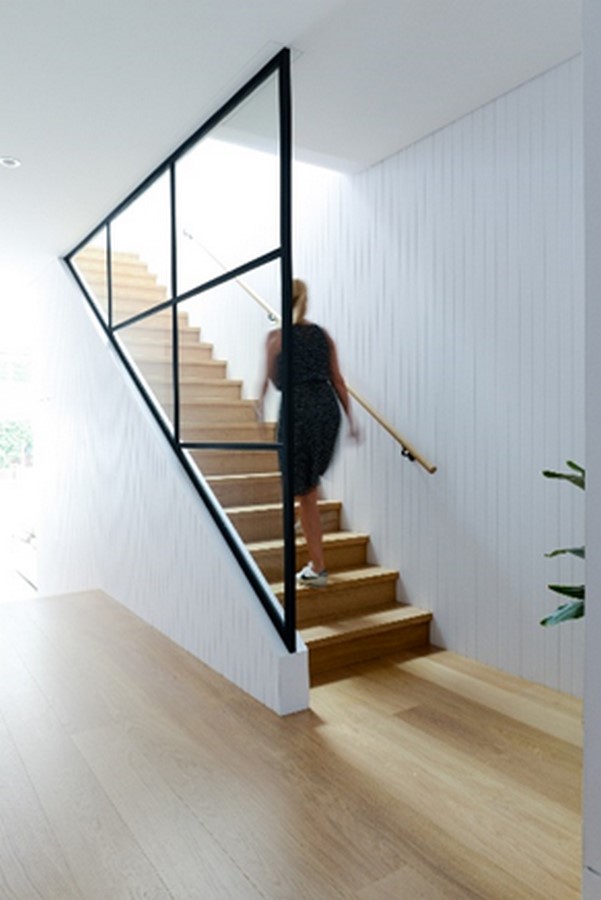
RTF: How do you approach getting your projects featured in publications? Do you manage the communications and PR in-house or have this outsourced to a PR & communications agency? Which approach do you think is better and why?
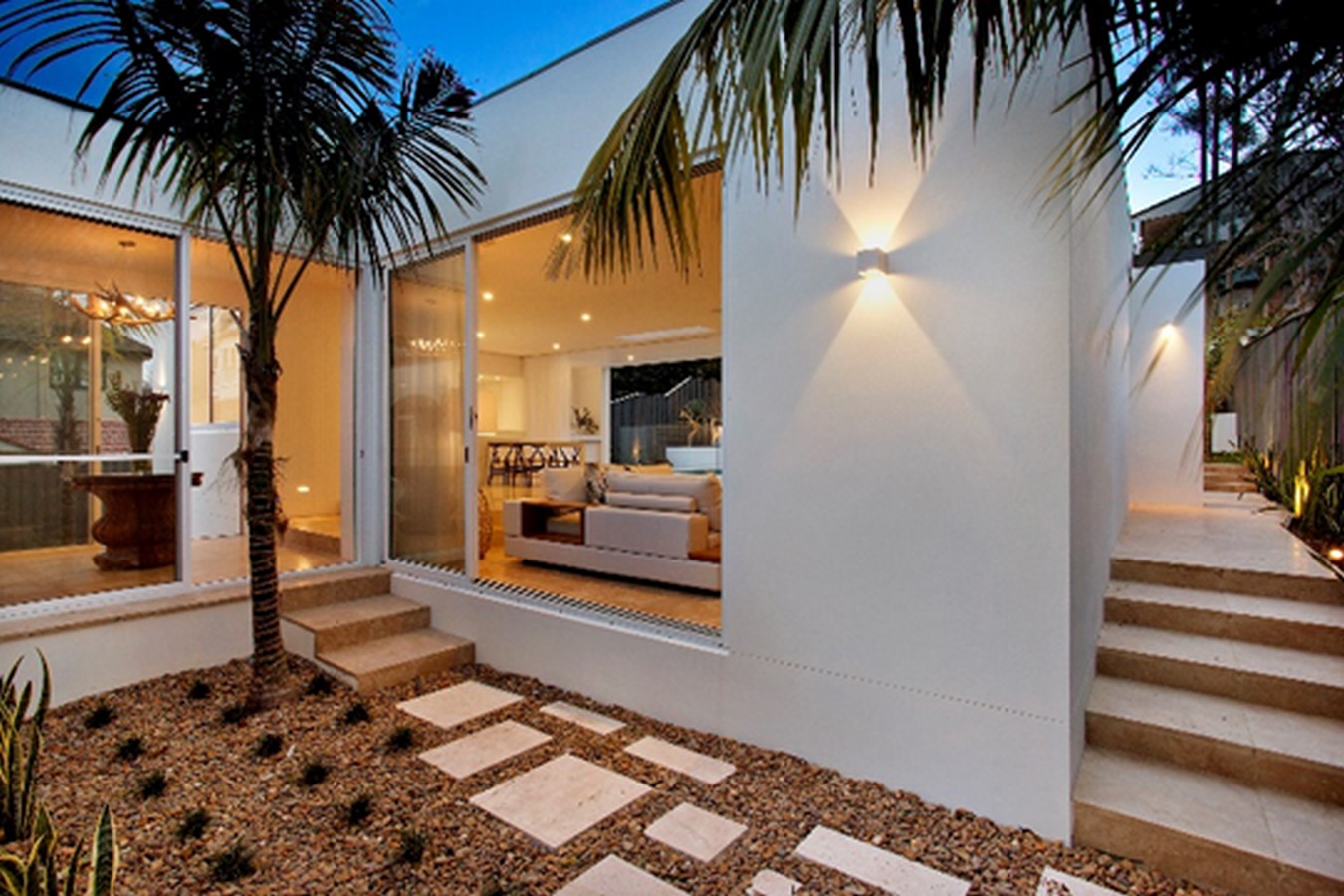
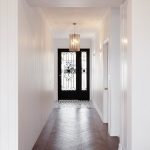
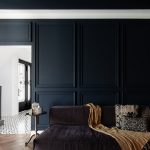
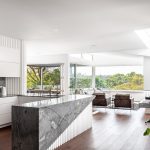
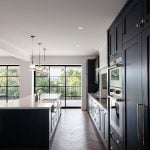
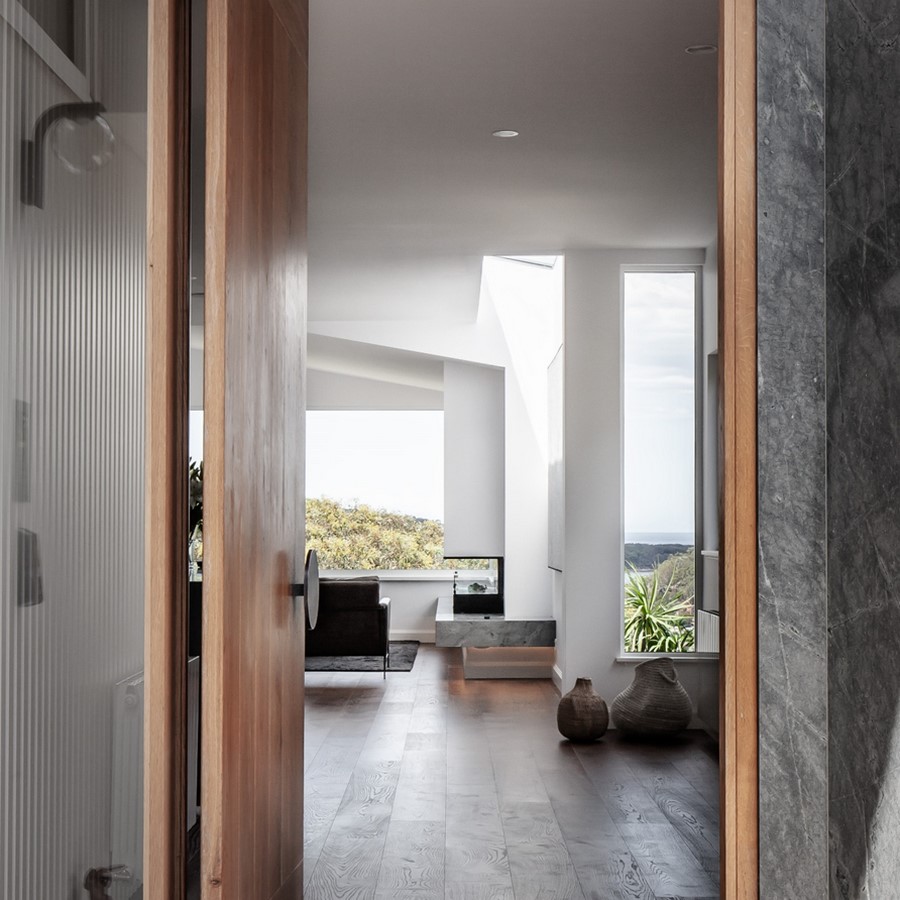
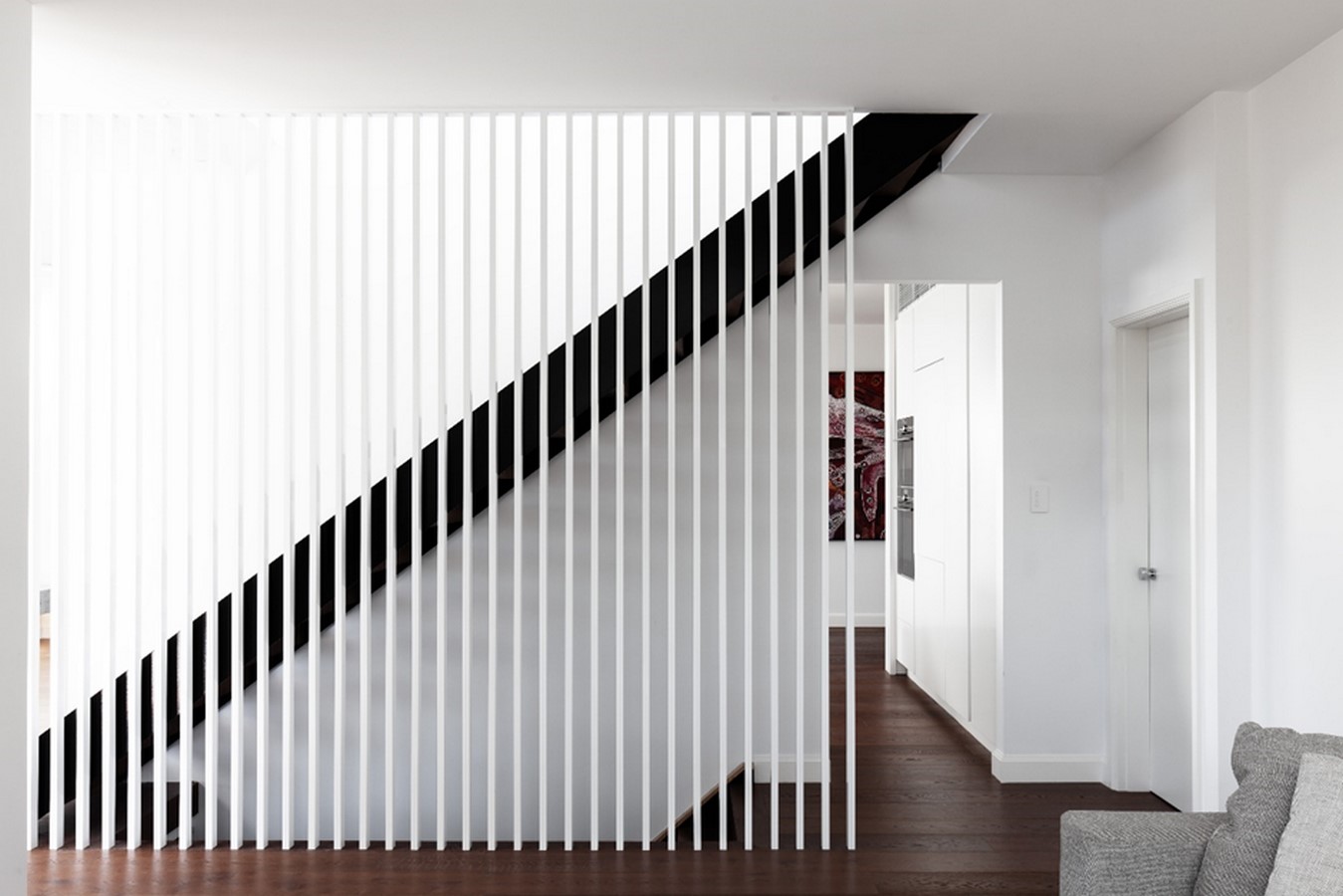
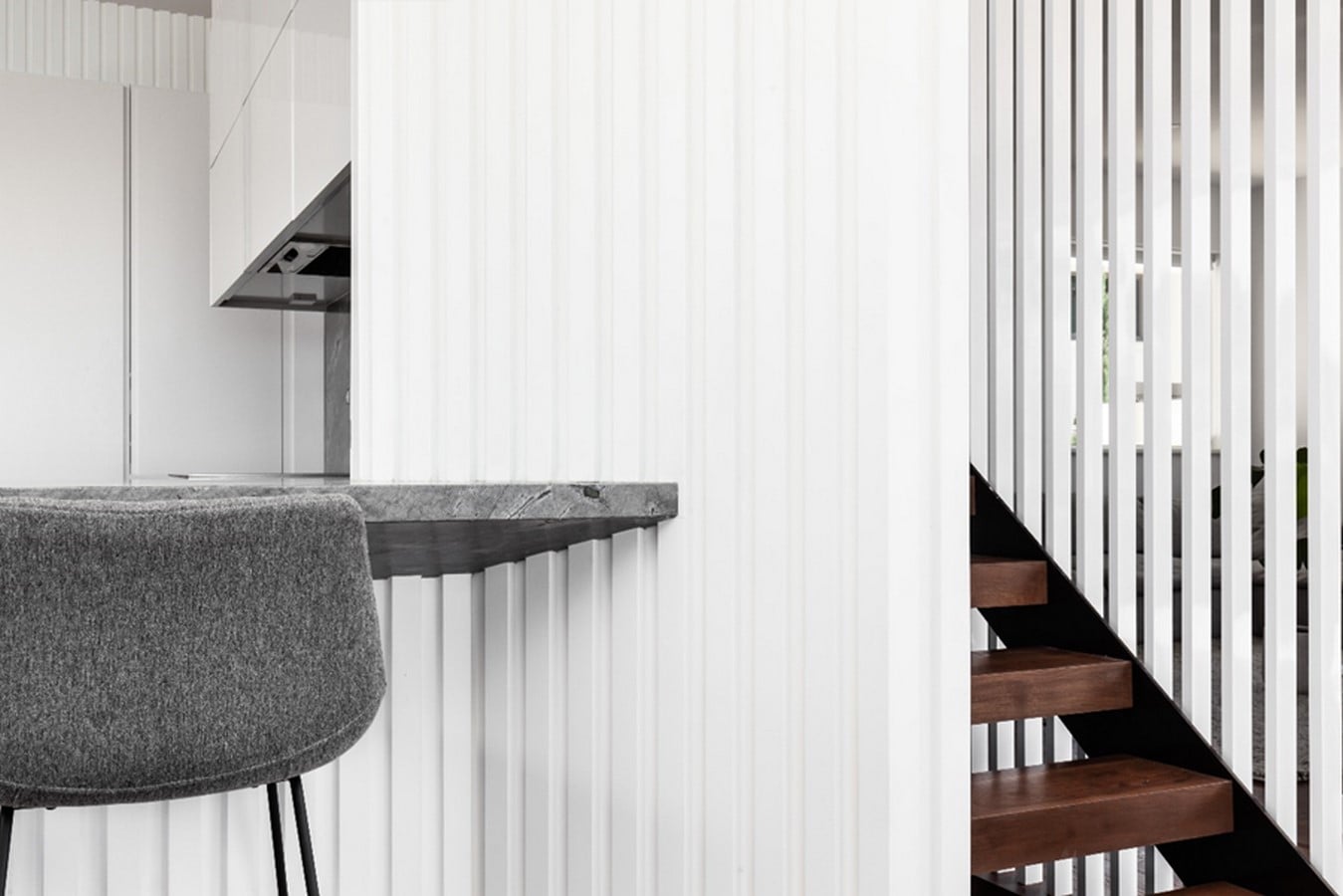
Lesley: To be honest I haven’t really pushed to have our work featured in publications. When our projects have been featured, I have been contacted directly by editors. These projects have been award winning projects (see photos below).
I like to manage in house the PR and communications for my business so that I can control cost, offer faster response times, and maintain the alignment with my business’s goals, brand image and culture. It is also a more personalized way to approach public relations.
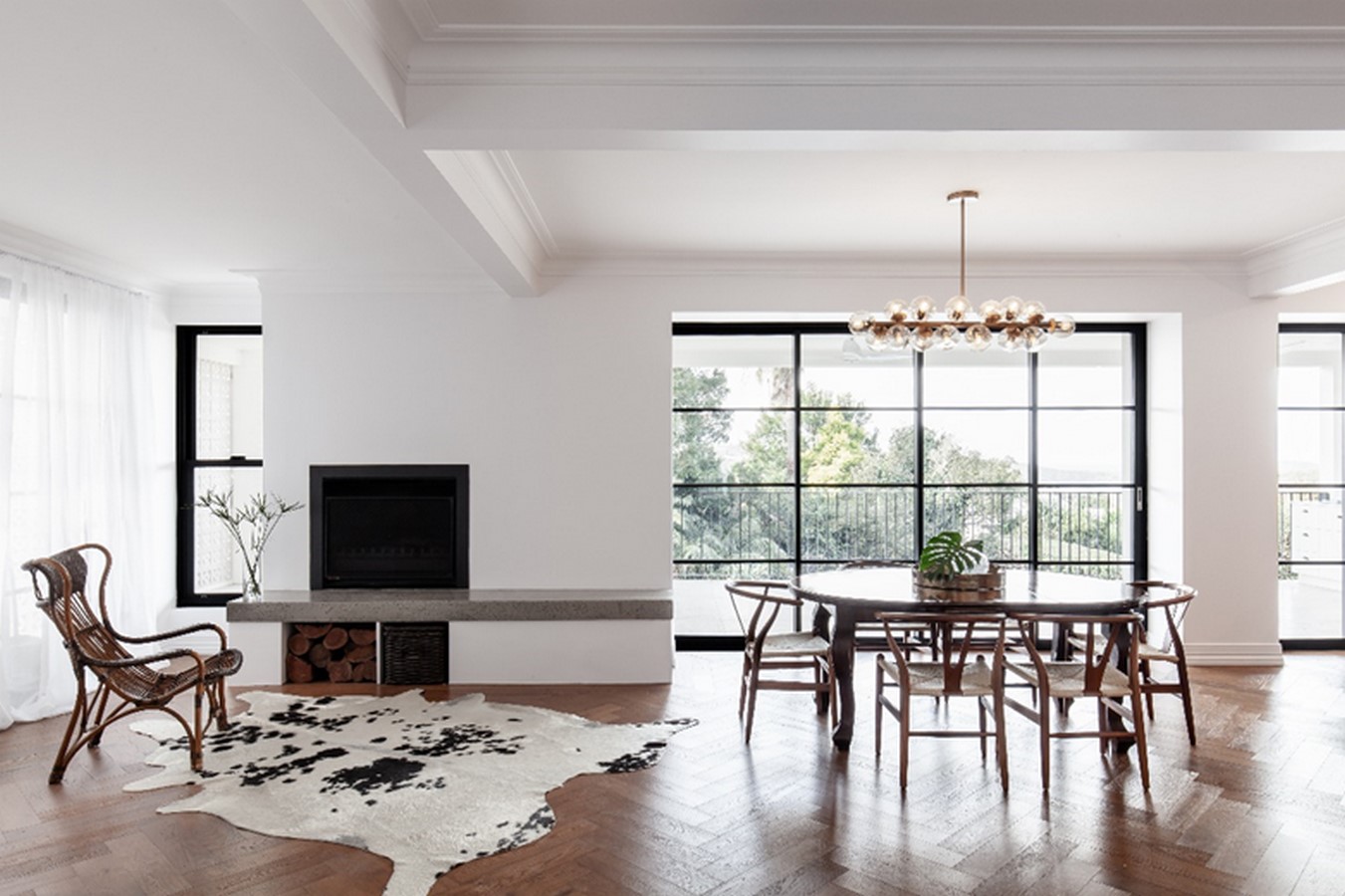
RTF: Can you share any challenges you’ve encountered in the process of getting your work published and how you overcame them? Are there any lessons you’ve learned over the years that have significantly improved your success in this area?
Lesley: As mentioned above, I haven’t really pushed to have our work showcased; however I imagine that the challenges in getting projects published would be the strong industry competition, editorial space limitations, project alignment with the magazine themes and meeting their specific style. I think having good relationships with editors, submitting well-crafted pitches, tailoring designs to suit upcoming magazine themes and maintaining a strong portfolio would assist in getting projects published.
When I started my building design practice, I thought having work featured in publications was crucial for gaining industry recognition, acknowledgement, and validation. Now I don’t think this. I think return clients and referrals are the biggest compliment and endorsement that a business can get.
RTF: How do you look at the work beyond designing for young designers, such as the likes of involvement in publishing, handling media and building an online presence?
Lesley: The design industry has evolved so much over the last decade that I think the working future beyond design is going to be exciting for young designers, however I also think it is going to be very different to how it is now. Young designers have very diverse skills – design, PR and business which will open opportunities for them to go into a much broader range of industries other than design, maybe publishing or even starting up e-design services. Young Designers might not reply heavily on publications for exposure as they can use social media as a powerful platform to showcase their work and connect with a broader audience and potential clients.
I think AI and VR (virtual Reality) are evolving technologies that will guide the future of Architecture, Building and Interior design. VR will be the new visualizations that we present to clients, allowing them to “walk through” their future space before construction, visualising layouts and materials in detail.
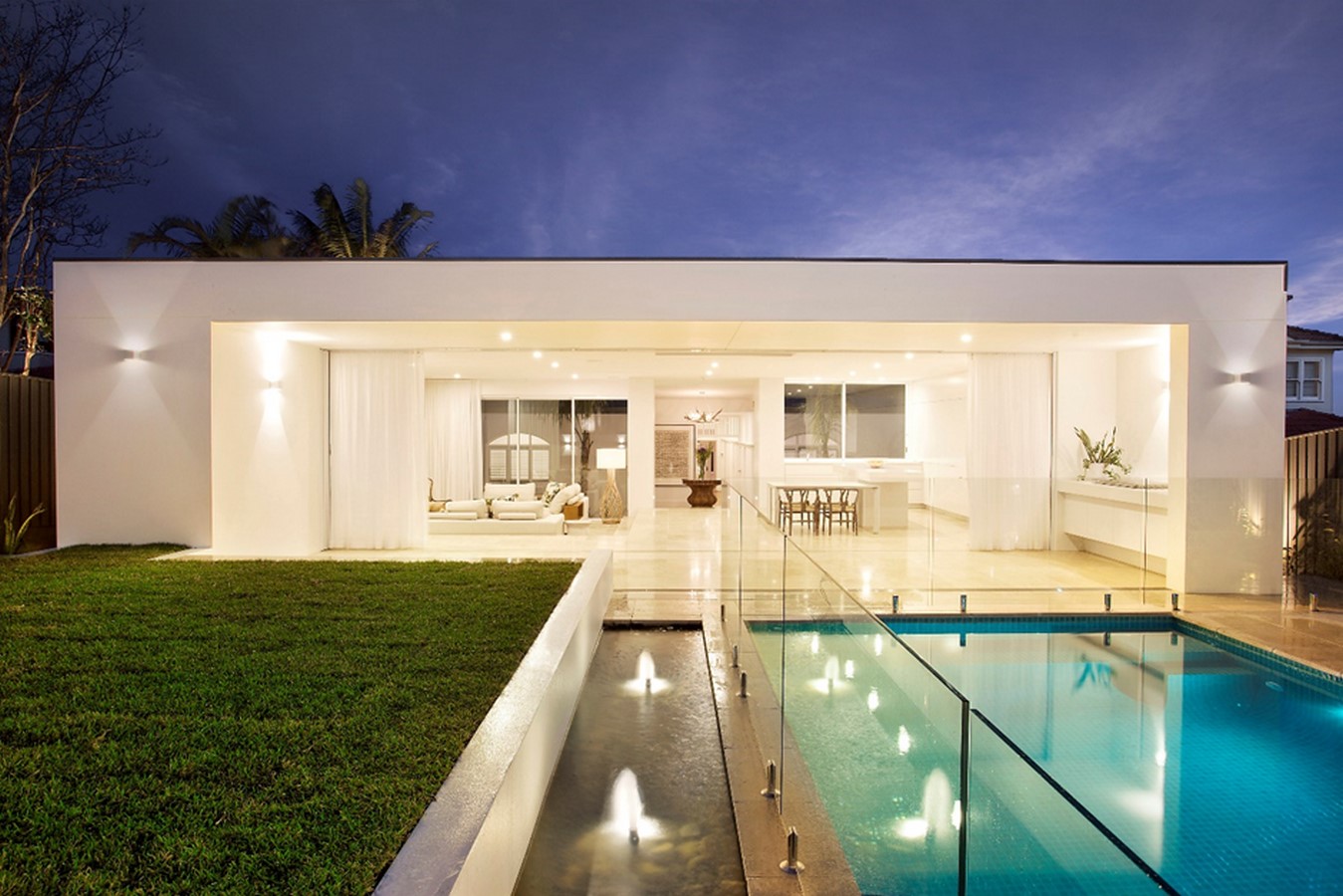
RTF: What is your idea of finding one’s own design voice in a world full of ideas?
Lesley: In a world full of creative minds, you can find your own design voice by exploring various styles, seeking inspiration, and reflecting on personal preferences, values, and experiences. It’s really important to develop a unique style that sets you apart from others, have a strong portfolio showcasing work, build strong relationships for networking, stay updated with trends and technology, embrace sustainable design practices, provide exceptional customer service, enter industry awards, be innovative with materials and design concepts. It is essential to combine creativity, expertise and strong business skills to find your design voice in this very competitive field.
RTF: How has Artificial Intelligence influenced design?
Lesley: AI has transformed interior and building design by enabling automated design simulations, predictive modeling, and virtual walkthroughs. AI will also streamline material selections, energy efficiency analysis and cost optimization and could enhance design creativity and efficiency by helping designers make informed decisions and deliver more sustainable and innovative solutions. I think AI can influence design by offering innovative alternatives and solutions that could be considered and further developed or resolved and possibly then integrated into projects.
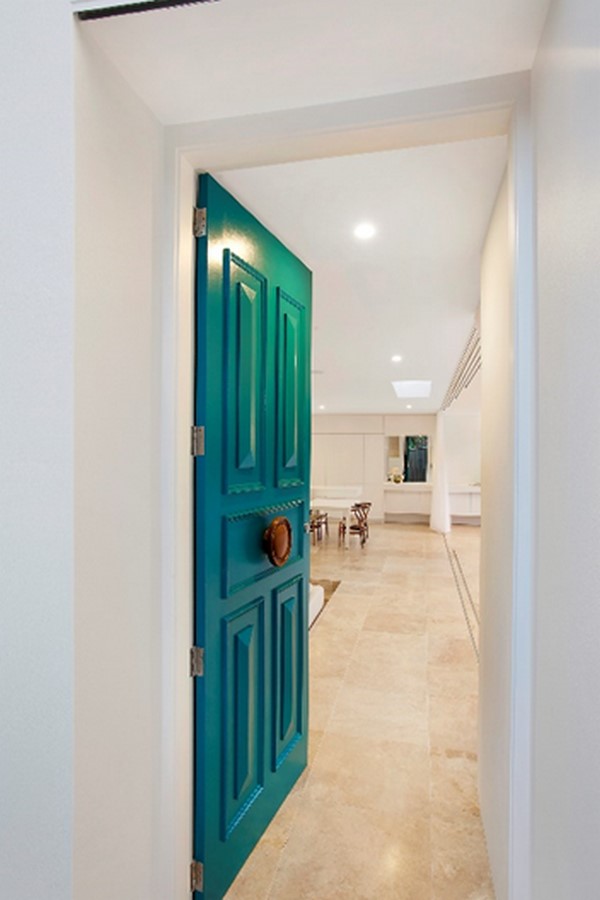
RTF: How have you shaped yourself creatively? What are the constant efforts towards it?
Lesley: As an interior and Building designer I have constantly nurtured creativity by staying inspired through travel, art & architecture. It is vital to be continuously learning and staying updated with industry changes, trends, and technology. You need to stay engaged in self-reflection, push design boundaries and look for fresh perspectives possibly through collaboration with diverse professionals. Seek feedback from Clients. Build a strong portfolio, attend industry workshops and experiment with new design techniques so that your creativity evolves.
RTF: What are the other paths you stroll on when not working?
Lesley: Outside of work, my life involves family, friends, travel, exhibitions, and theatre. Travel adventures with family and friends exploring new places and creating memories are a highlight of my non-working time. I always find design inspiration through travel.