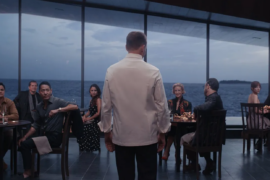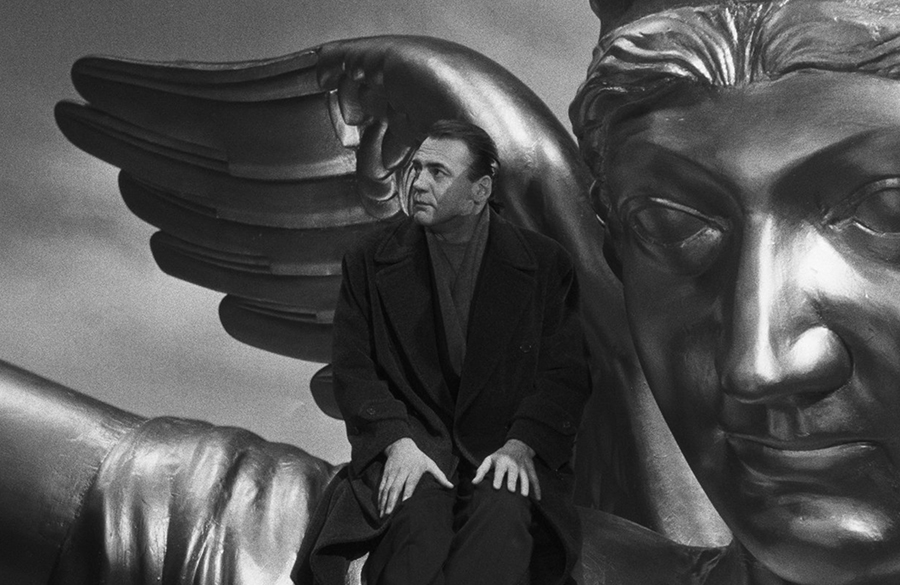
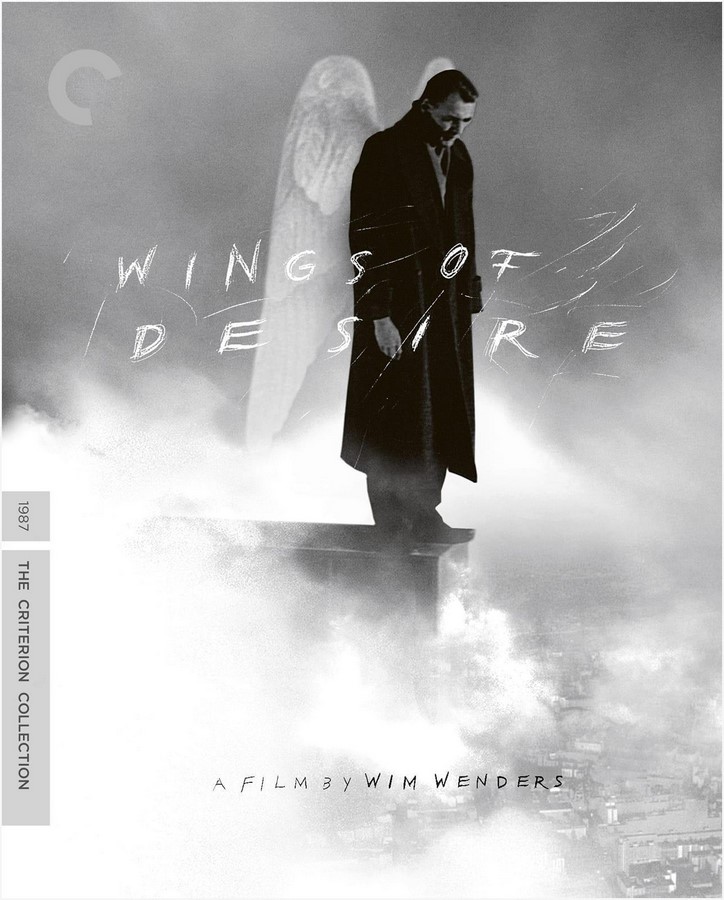
Wings of Desire, directed and written by Wim Wenders, is a contemplative and existential film which approached with high expectations due to admiration for Wim’s previous works. The film follows the perspective of guardian angels as they observe and interact with the human world, hearing the inner thoughts and feelings of the people around them. The film follows Bruno Ganz’s character, a guardian angel who observes the inner thoughts of humans, revealing their fears, regrets, and desires. The angels live eternally but lack the sensory and emotional richness of human life, which Ganz’s character longs for intensely, especially the experience of love and romance.
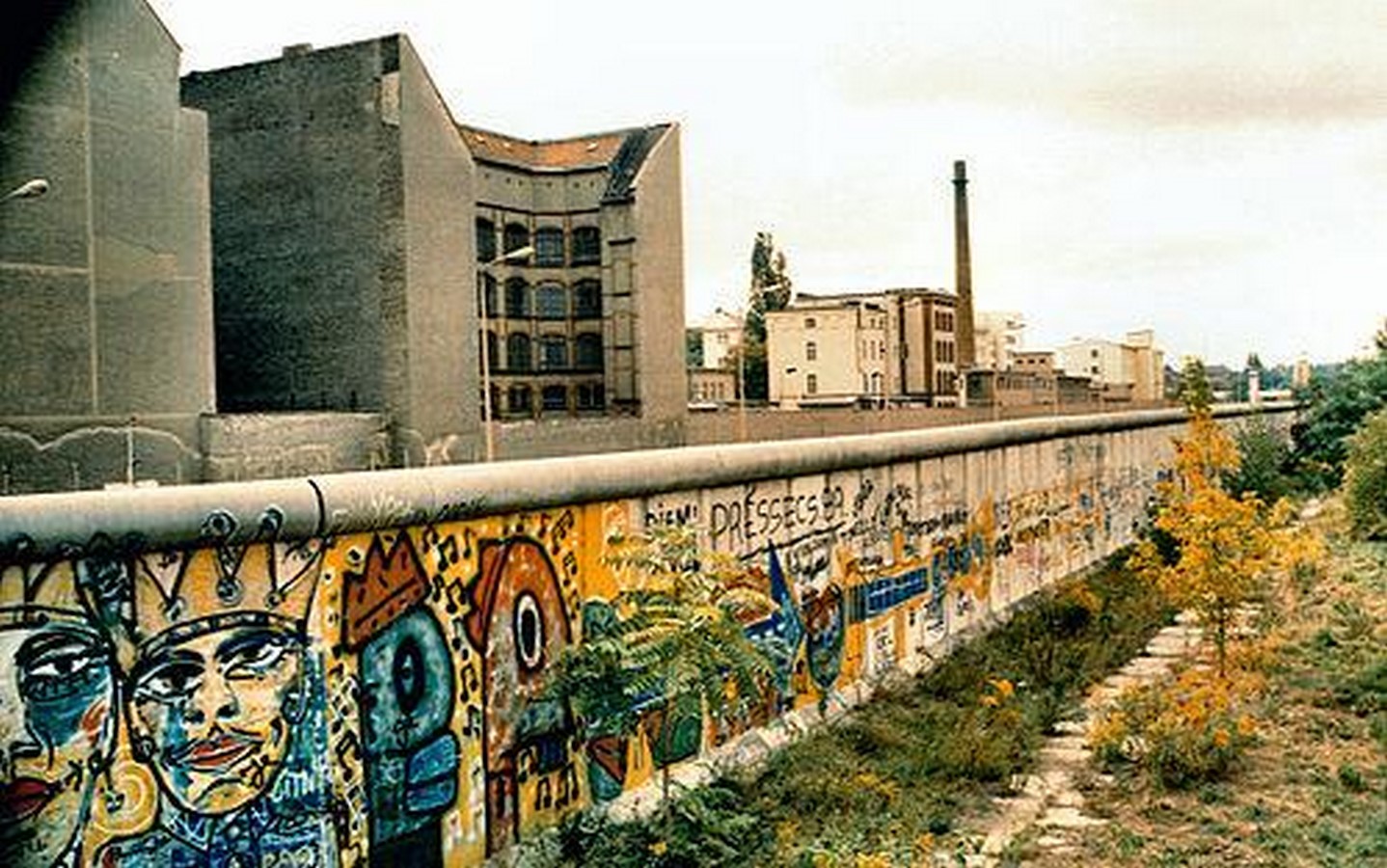
Berlin and the Berlin Wall as a Character
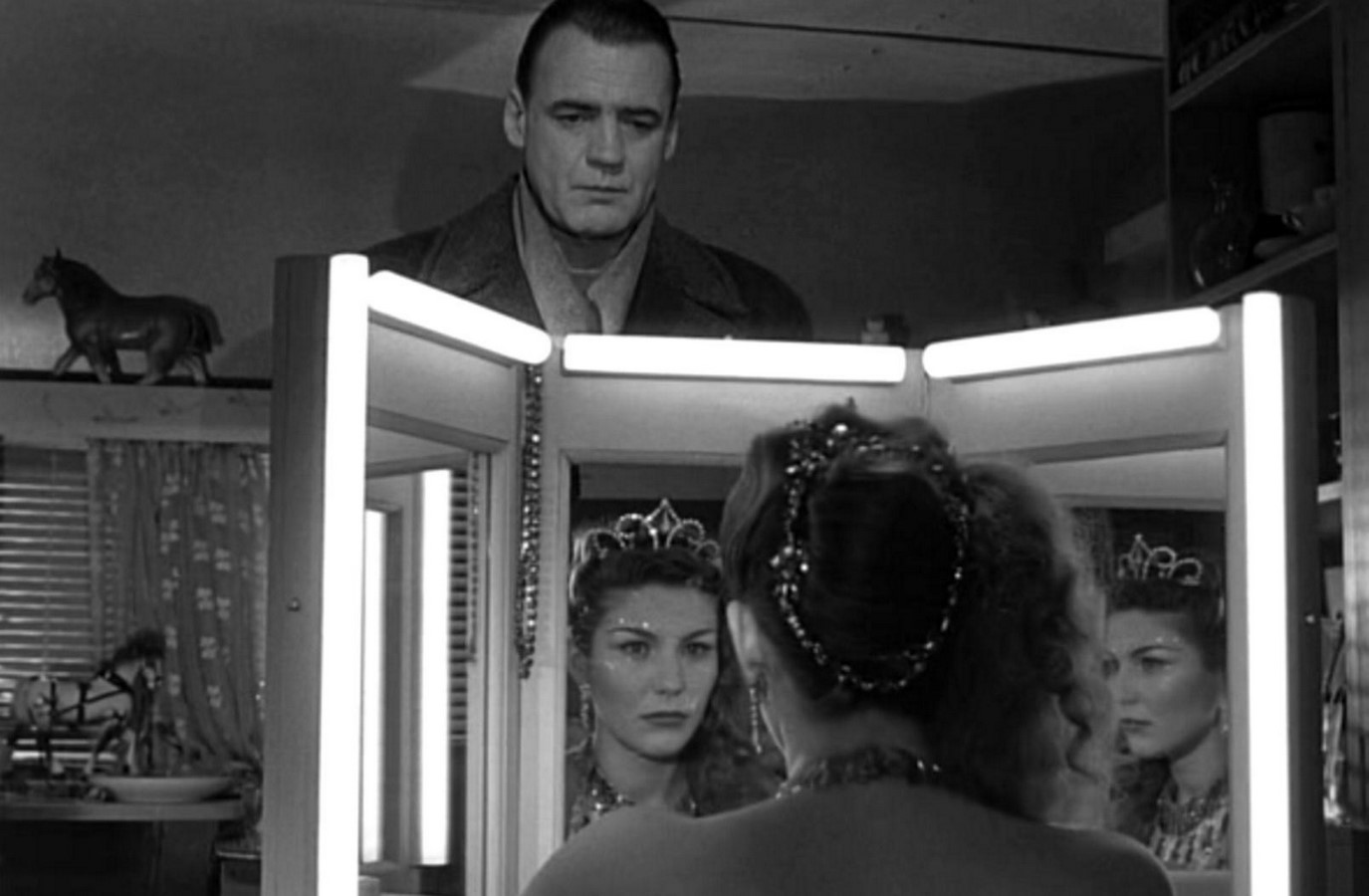
The film is set in Berlin, where the two angels Damiel and Cassiel wander around the city, reading the thoughts of the stressed citizens who also wander around the city. Wender tells this story from the point of view of the unseen entities lurking around the city. The film’s unique use of black-and-white cinematography to represent the angels’ view of the world contrasts with vibrant colour scenes that depict human perspectives. The colour seeps into the frame when Daniel experiences the world as a human, which emphasises observing life. This visual technique underscores the thematic divide between eternal, detached angelic existence and the vibrant, sensory richness of human life. The motion of the camera also goes gently, with the perspective of angles, creating a sense of intimacy and detachment.
The movie yearns for connection and the sensation of love and explores Daniel’s longing to encounter Marion, showing us how love can ground us and bring fragility to life. The angel’s perspective captures the city of Berlin as a haunted city. The division of the Cold War, which is visible in the Berlin Wall, presents as a subtle barrier showing angels’ separation from the living. The movie shows tenderness to the character of Daniel, helping convey wisdom and childlike wonder, giving the movie an emotional connection along with warmth and humour.
Architectural Memory
The film is an architectural memory where Berlin holds scars and borders with traces of war, division and reconstruction. The Berlin Wall functions as the most powerful architectural character with a built form imposing invisibility. The film’s visual landscape is dominated by two spaces – the Berlin State Library and the Victory Column. The library has a modernist design of staircases, balconies and halls that become a spiritual spot for the angels. The Victory column offers a vertical axis from the angel’s view with respect to the city. Wender also elevates the urban spaces by presenting them through an angel’s gaze. There is also emphasis that the building is not simply to occupy space but to inhabit it. The temporary structures mentioned in the film, a cafe, a circus tent, are fragile and mirror the human condition. The way humans dwell, love and live in a space gives the space meaning and not the consistency of staying in the same space.
In Wings of Desire, Berlin plays the protagonist as it contains architecture as a symbol of existential states with division, resilience and fragility. Wenders’ decision to film in both black and white focuses on architecture as a memory, and the shift to colour highlights the transition from inhibiting architecture to observing it. This idea provides a clear idea that architecture is multisensory and is lived through touch, sound and memory. Cave’s onstage performance is more than a cameo—it serves as a powerful conduit for the film’s emotional and spiritual undertones. His music embodies the intensity and passion of human existence, reinforcing the romantic and existential themes with respect to architectural backdrops. The film’s slow, free-flowing structure creates a meditative cinematic experience but may challenge viewers accustomed to conventional narrative momentum. This observation touches on how pacing influences audience immersion, particularly in films exploring abstract themes where narrative drive is secondary to mood and contemplation.
The film also features prominent performances, such as Peter Falk’s acting role as an actor within it and Nick Cave’s live performance, which adds some emotional depth and spiritual meaning to the narrative. The film gains praise for its atmosphere, direction, and philosophical perceptions, yet the reviewer mentions certain drawbacks. These include heavy dialogue, as well as occasionally overly articulate inner monologues that feel unrealistic, and moments in which the narrative pacing is coupled with focus drift, because the secondary angel character is present.
The movie stands as an architectural text. Human longing and memory then occupy the built environment like a stage. It creates a human experience since architecture is inseparable from everyday spaces, and it connects humans to space. It reminds us all that architecture is beautiful since it not only takes some form, but it also holds onto memory plus shapes any perception for the purpose of enlivening a life. Its combination of spirituality, art, and deep desires calls viewers to an experience that lingers long after the movie ends.
Citations:
- Wings of Desire review – Wim Wenders’ elegiac hymn to a broken cold-war Berlin (2022) The Guardian. Available at: https://www.theguardian.com/film/2022/jun/22/wings-of-desire-review-wim-wenders-elegiac-hymn-to-a-broken-cold-war-berlin(Accessed: 22 August 2025).
- Wings of Desire – Review (2018) Cinema from the Spectrum. Available at: https://cinemafromthespectrum.com/2018/04/12/wings-of-desire-review/(Accessed: 22 August 2025).
- Wings of Desire (1987) | Movie Review | Wim Wenders (2024) YouTube. Available at: https://youtu.be/0xjUrjIRp5I?si=pO6pAIlz-0K4bPEY(Accessed: 22 August 2025).