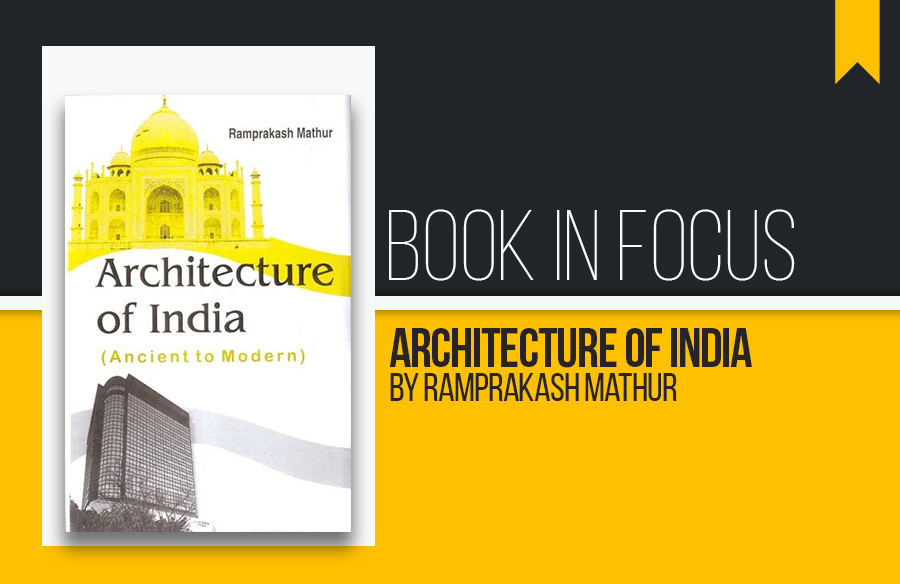
Certainly, the enduring accomplishments of Indian civilization include its architectural design. India’s art and architectural heritage traces back to almost five millennia ago. While Harappa, Mohenjodaro, and Lothal in the Indus Valley display evidence of organised urban centres, the beginning of Indian architecture is often linked to the spread of Buddhism under Ashoka’s reign, which led to the construction of Buddhist monasteries and stupas.
The Guptas, Chandellas, Solankis, and Gangas all supported art and architecture. The peak of Indian architecture is reflected in the Gupta period. The architectural design of the southern Hindu school flourished from the 8th century. The Pallavas, Cholas, Hoysalas, and rulers of the Vijayanagara Empire were instrumental in the advancement of architecture in the southern regions of India.
The Mughals built countless exquisite forts, palaces, mosques, and gardens, elevating Islamic architecture to a new height. The Red Fort and Jama Masjid in Delhi, the Taj Mahal, the Agra Fort, and Fatehpur Sikri in Agra, the Badshahi Gardens in Lahore, and the Shalimar Gardens in Kashmir are examples of Mughal architecture.
The coming of Muslim rulers brought in fresh architectural features such as floral designs, domes, and graceful calligraphy.

India’s diverse architectural landscape comprises a wide range of styles and influences, all of which have been moulded by the country’s rich history and regularly incorporate and modify various elements throughout the years.The outcome is a changing variety of architectural creation that still maintains some level of consistency throughout time. This architectural legacy is a long-lasting accomplishment of Indian civilization. This book presents different aspects of Indian architecture throughout history. It aims to present a comprehensive overview of Indian architecture by selecting architectural styles from the Indus Valley era to the post-independence era in a balanced manner.
Author.
With an impressive twenty-five years of experience in the postgraduate department of numerous universities and institutes, Ramprakash Mathur is a highly esteemed teacher of history. He has actively taken part in numerous international and national conferences, earning him several prestigious national and international awards. Dr. Mathur’s expertise has led to his honorary membership in various historical and cultural associations both in India and abroad.
Moreover, he has written numerous textbooks on global and Indian history, demonstrating his love for research and his reputation as a celebrated historian. His extensive trips have enabled him to explore the diverse history and culture of many countries around the world.
Chapters.
The opening chapter, aptly titled “Introduction,” acquaints us with the expansive yet significant elements of architecture. Ramprakash conducted an extensive study not only on Indian architecture and its styles, but also on the diverse facets of Vedic design theories. This is evident as the author endeavours to offer us a concise yet captivating glimpse into the origins of shilpakala, or architecture as we know it. Within this book, Ramprakash provides a brief insight into foreign architecture and how it contributed to a subtle distinction between an artist and an architect. Furthermore, this book gradually navigates us through the various evolutions of temple styles during the Vedic age.

In the following chapters of the book, the author takes us on an exciting journey into the dimensions of Vastu shastra and Shilpa shastra. Through convincing examples and scientific analysis, Mathur effortlessly demonstrates the importance of Vastu shastra in the field of architecture. This knowledge further aids in comprehending the diverse range of temple architecture styles found in India. Ramprakash Mathur effectively presents the historically and culturally important temples of India, demonstrating the pinnacle of Indian architectural prowess through clear and informative descriptions.
Indian culture consists of more than just Hindu or Buddhist culture. Its architecture is just as diverse and colourful as the rest of the vibrant tapestry. In his research, Ramprakash has examined all facets and designs of Indian architecture, from temple architecture to colonial architecture. This showcases the diverse architectural beauty of India, which holds the history of every foreign colony that has ever set foot in the country and immortalised their presence. From neo-gothic to renaissance, from Mughal tracery to European halls, India has witnessed and embraced a multitude of architectural styles.


Following India’s independence, the notion of a unified and cohesive nation became an undeniable reality, evident in various artistic expressions, especially in the realm of architecture. The urgent push for modernization further solidified this concept. The author eloquently elucidated the lack of transformative architecture among Indian architects after independence, despite the immense potential that existed. The book also extensively explores the two schools of thought in architecture and delves into the advantages and disadvantages of modern attempts in town planning and architecture.

Finally, the author endeavours to evaluate the development of Indian architecture over time, providing insight into the losses and gains of cultural and architectural evolution. India has embraced various aesthetics from Vedic to modern, despite numerous trials and errors, ultimately glorifying the country and its people for preserving stories through its architecture.