The Bruges History
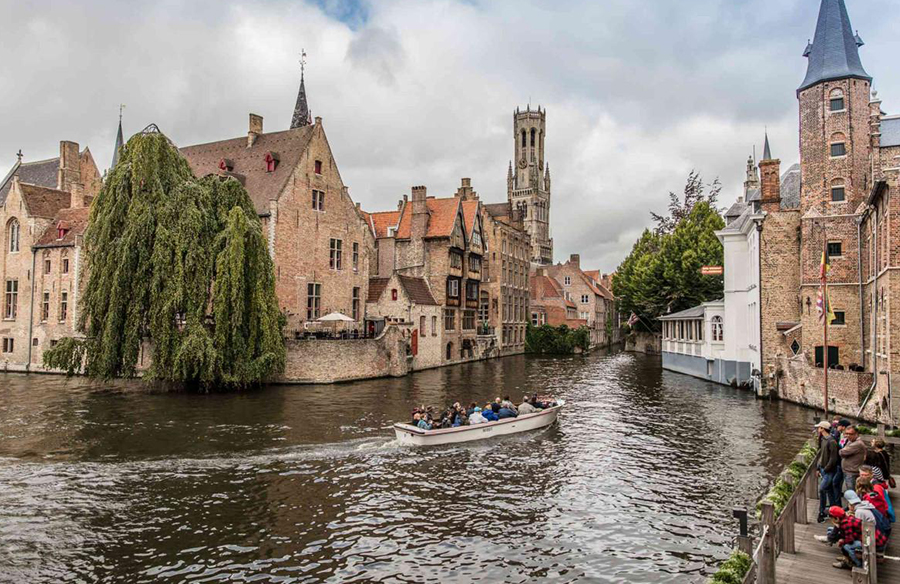
The cultural and economic interactions with the rest of Europe have impacted Bruges. During the Gallo-Roman era, trade relations were established with Scandinavia, and the development of a port and economic hub linked Bruges to the rest of medieval Europe, beginning with Great Britain. This thriving city became a centre for Flemish painting in the 15th century, helped along by connections to trade and culture. Artist Jan Van Eyck, who was a key figure in the development of the early Netherlandish school of painters and significantly impacted the European art scene at the time, reaffirmed this. Through its art school, the city also had a patronage centre and promoted the growth and popularity of painting.
The Historical Core
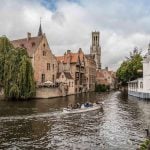
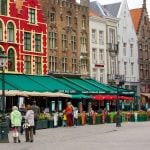
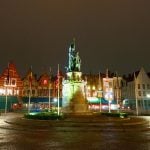
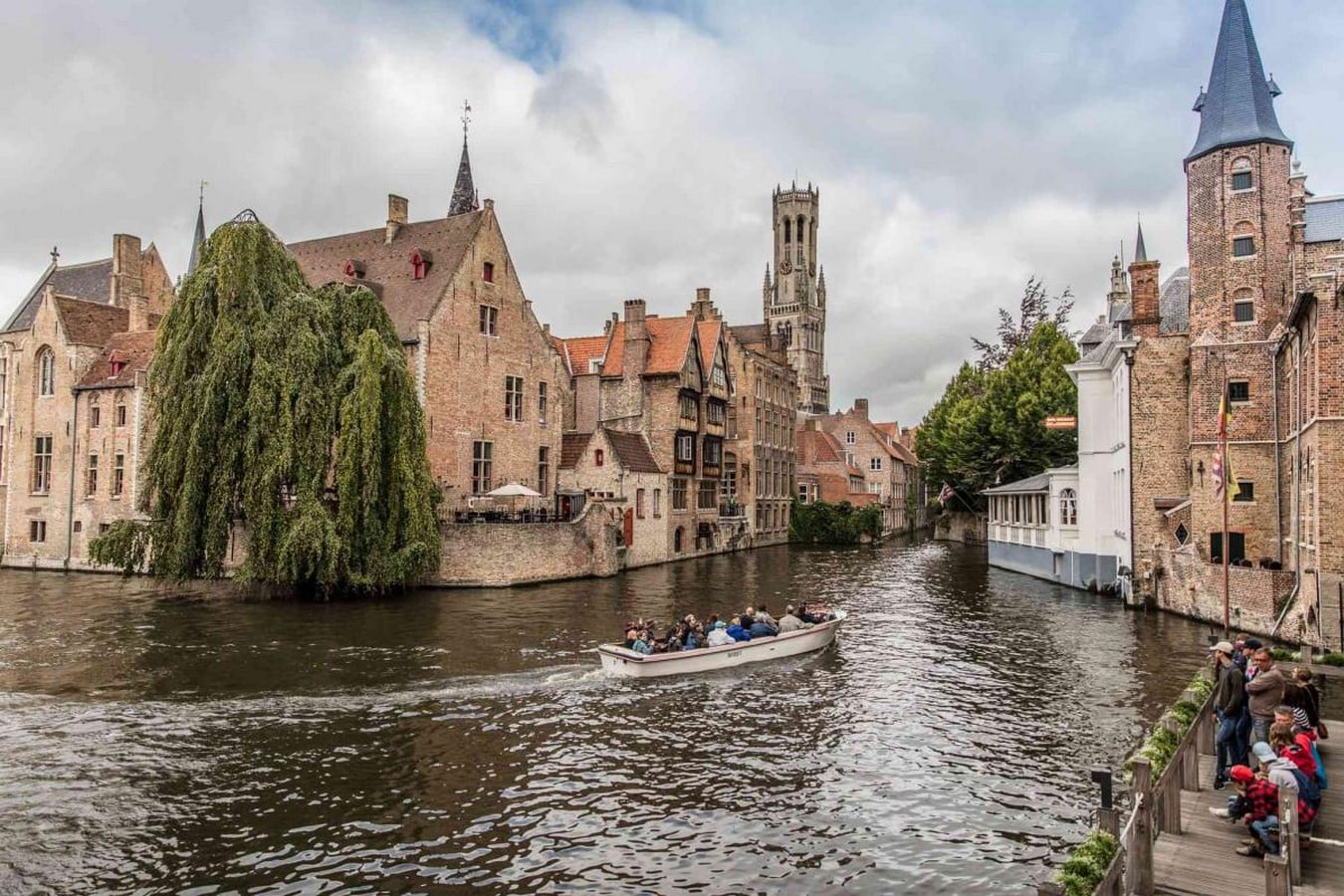
The entire city’s defences are included in the historic centre, which has remained within the same limits as the old city for so long. The historical heart of Bruges is crisscrossed by natural and man-made canals constructed in the Middle Ages, lending the area charm and a romantic, poetic atmosphere. Some places, including Market Square and Burg Square, have acquired a special significance. One of the attractions is Burg Square, which for more than a thousand years has represented the cooperation between civil and ecclesiastical institutions. Many public organisations, such as the civil justice departments, also have headquarters there. The Market Square is home to the Waterhalle, a representation of local power, the belfry, and the market halls.
Style of Architecture
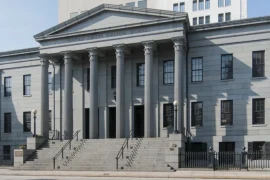
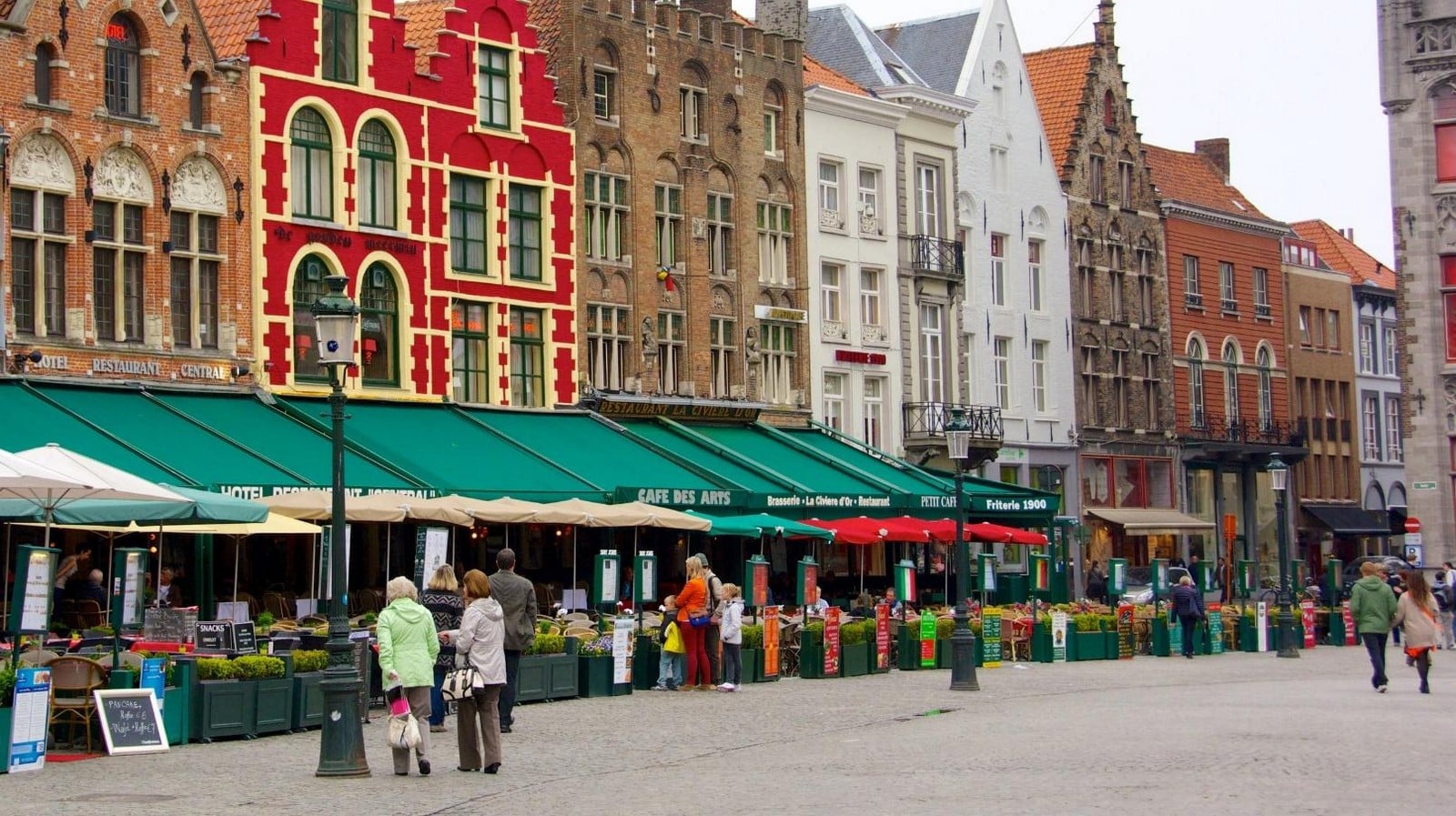
The travée bourgeoise style dominates the architecture of Bruges, which is predominately Gothic with Middle Ages-era brickwork. Later, Bruges’ urban environment saw a significant transformation in the 1830s with the introduction of rail services. Originally, it was intended to replace medieval structures with Haussmannian structures, but this only transpired in the vicinity of the new theatre, which is now completely devoid of any signs of its former medieval existence. Bruges’s historic structures and artistic legacy were attempted to be restored in the late 19th century. English architects who drew on a distinct Neo-gothic design influenced by the original Gothic spirit of the old city renovated the façades of many of the structures. We can go back in time because of this architectural synthesis.
The Bruges’ past
English, French, and Flemish speakers all coexist in Bruges. The Viking word for the quay is where the name “Bruges” first appeared. Forty thousand people made up Burges in the fourteenth century, comparable to London. At the time, it was the centre of economic activity in Europe, as a bridge for trade between northern and southern Europe. Due to its prominence as a textile hub and the ease with which commodities could be transported along the canals, it was one of the wealthiest cities in the 12th century. When Flemish art and trade were at their height in the 12th–15th centuries, it is said that Bruges was at its most prosperous. It served as the Dukes of Burgundy’s preferred residence during that century. When Bruges’ harbour sank in the 16th century, the port was moved to Antwerp, ending Bruges’ Golden Age, and the city’s economy crashed. In the 17th century, when the lace business was growing, it attempted to regain the dominance of its illustrious history. Tourism accounted for most of Bruges’ income when tourists learned about its splendour and attractions in the 20th century. Bruges receives more than 8 million visitors each year.
Bruges’s architecture
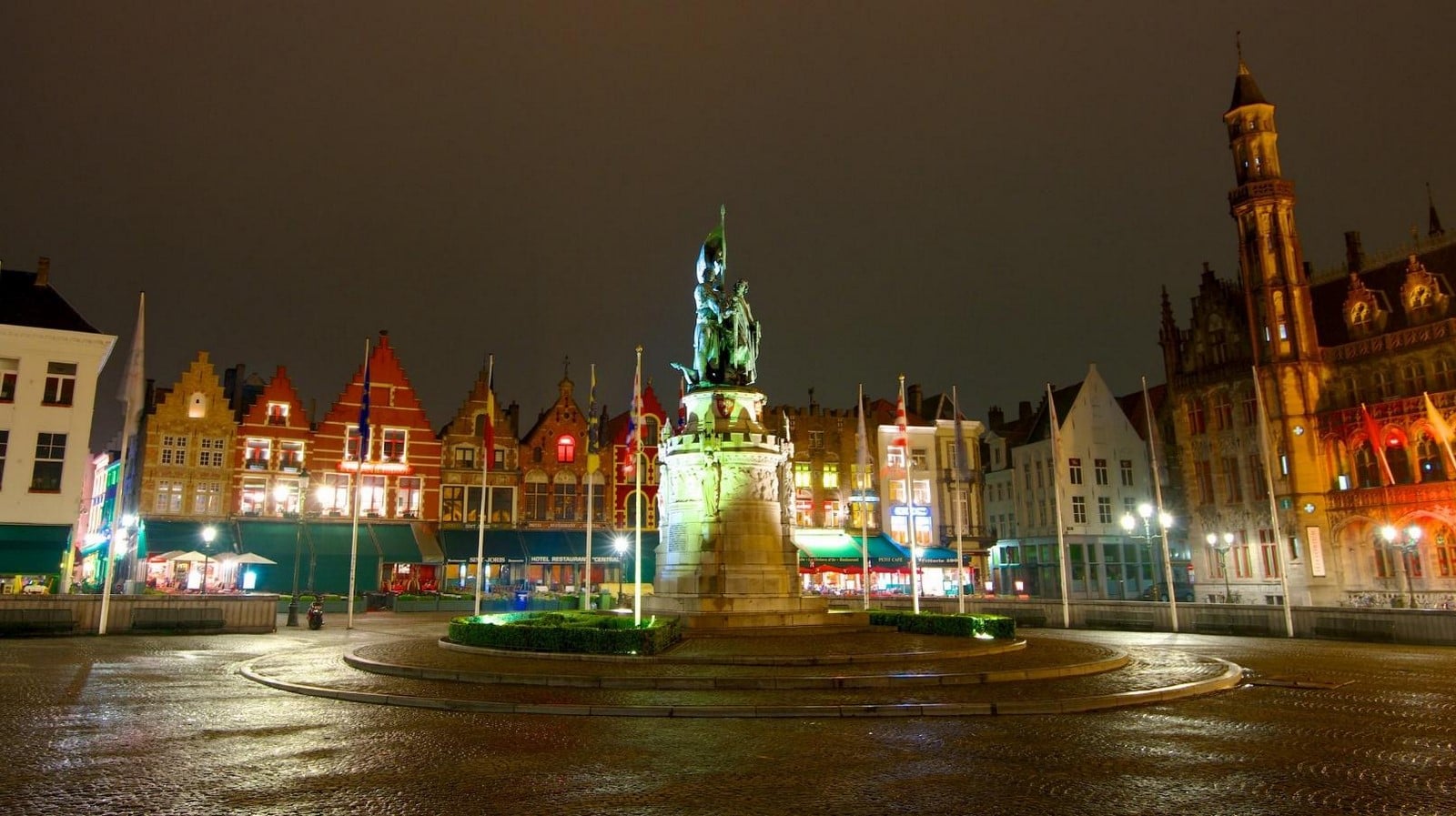
A canal built in 1562 made it easier to go by water by linking the market square with the port of Zeebrugge on the North Sea. A moat that was fortified surrounded Bruges. Since trade was the main industry, canals were constructed all over the city. The first stock exchange was established in Bruges. Bruges maintains its medieval character and is recognised by UNESCO as a World Heritage Site. The Gothic forms that made up a large portion of the city’s architecture are still present in this historic district. It also contains evidence of the contributions that trade has made to architecture.
Northern Europe was known for its brick gothic architecture. A Neo-gothic style was created as part of the process of repairing Bruges’ old buildings in the 19th century. An 83 m tall belfry constructed in the 13th century that has 366 steps to the top and overlooks the market square dominates the skyline of Bruges. Old gabled buildings in Bruges’ market square are surrounded by streets built in the style of medieval architecture. The Burg Square, close to the market square, is the origin of Bruges’ history, politics, culture, and religion as they were shaped by six centuries of architectural design. The lower chapel of the Basilica of Holy Blood, which was constructed between the years 1134 and 1157, is unmistakably Romanesque in style thanks to its hefty columns and rounded arches. The inaugural assembly of the European Union took place in a town hall constructed in the fifteenth century, and a room adjacent to it displays historical city maps and paintings. The 1500s saw the start of a 200-year trend for lace clothing. People today are still eager to learn the art. The Church of Our Lady, the second-largest church in the world, is home to a 400-foot brick tower that serves as a reminder of the richness and power of Bruges.
Political, social, and cultural dynamics
The commercial and cultural centres of Europe are located in Bruges. As the home of the Flemish masters, it is the origin of Western art. Jan van Eyck and Rogier van der Weyden were two Bruges artists who mastered the new technique of oil painting. Around Bruges, there is a wide variety of cultures. The two industries that hold Bruges’ economy together are textiles and beer. They perfected the craft of making lace fabric and sold it all over the world. The fish market is constantly busy. The fish are always expensive and fresh. The proceeds from the auction of the first barrel of fish taken are donated to charity. The committed craft in this city is well known. Aside from its architectural history, Flemish fry production includes things like cloth, beer, and chocolate. Politics, culture, and society all have an impact on how a city develops.
REFERENCES LIST:
- Bruges (no date) VISITFLANDERS. Available at: https://www.visitflanders.com/en/flemish-destinations/bruges (Accessed: 29 May 2023).
- Visit Bruges: Best of Bruges, Flemish Region Travel 2023: Expedia tourism (no date) Expedia.co.in. Available at: https://www.expedia.co.in/Bruges.dx6155224 (Accessed: 29 May 2023).