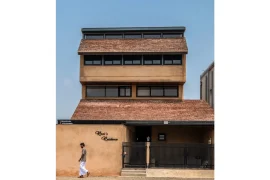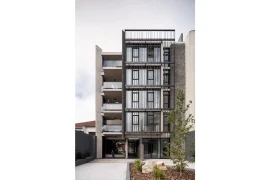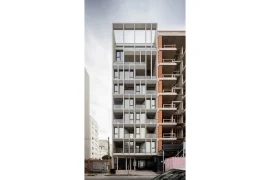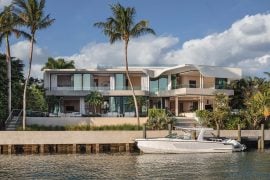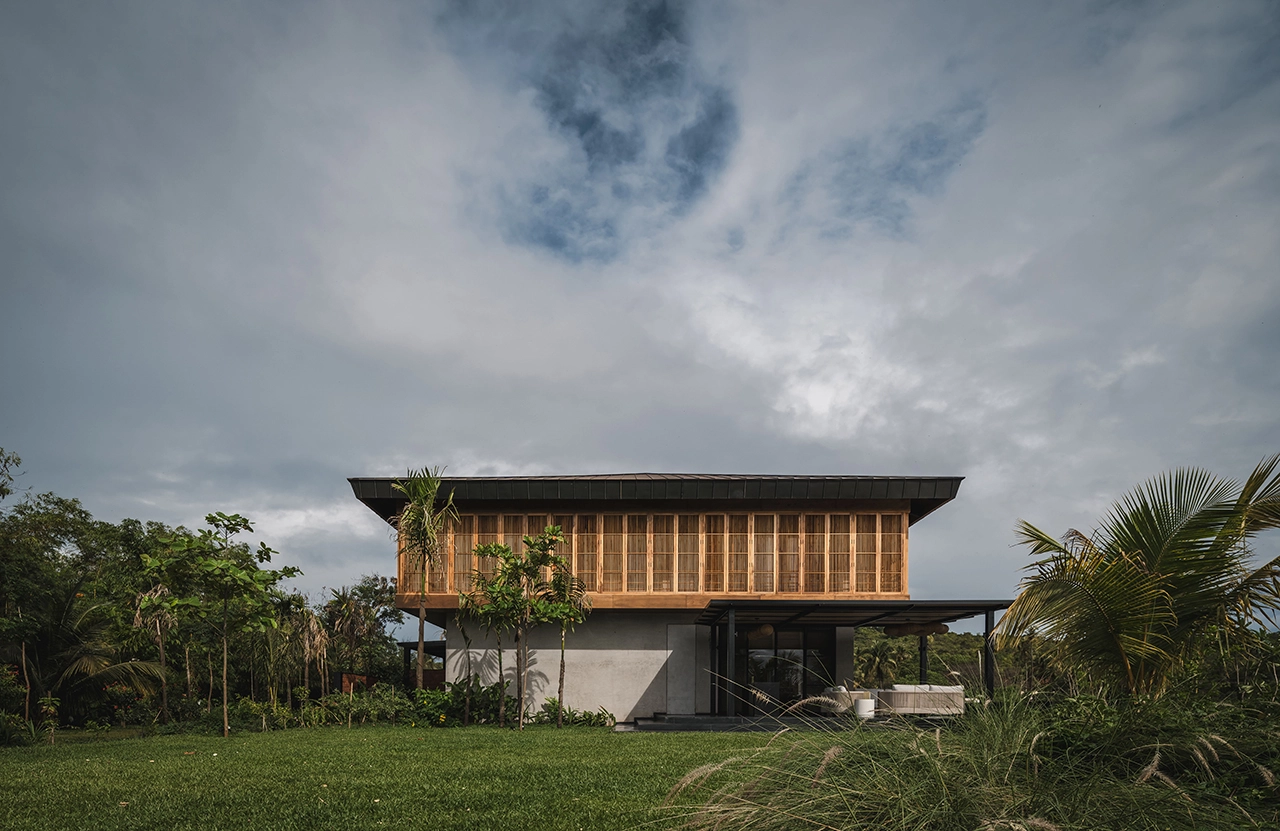
Rising like a sculpted monolith along the edge of a salt pan, the house presents itself as an exercise in pure, elemental architecture: a place suspended between land and water, tradition and modernity, solidity and gentle openness.
Project Name: Salt Pan House
Studio Name: We Design Studio
Location: Agarvado, Goa, India
Date of Completion: May 2025
Area: 6,000 sq.ft
Principal Architect/Designer: Nupur Shah, Saahil Parikh
Photography Credits: Ishita Sitwala, The Fishy Project
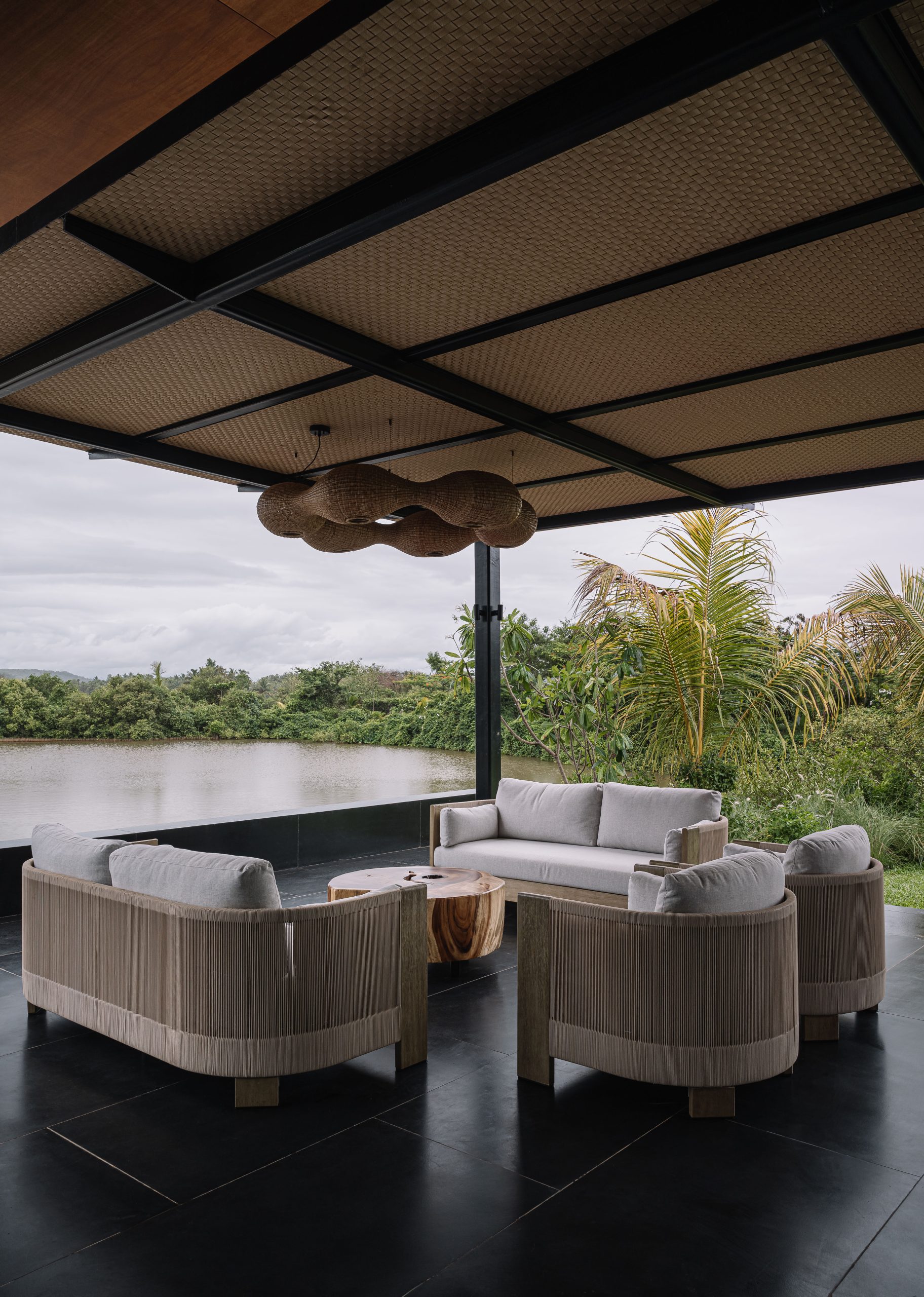
Set within a ten-acre estate slowly assembled over nearly a decade, the home is quietly cradled between the Chapora River and a protected mangrove belt, its orientation determined by three man-made salt pans that shape both its footprint and its overarching design ethos.
With tight regulations limiting how much could be built, the project called for a design stripped of excess and architecture distilled to its essential intent. This was never envisioned as a home for adornment, but as one meant to be uncovered layer by layer. From the earliest conversations, architect and client shared a commitment to restraint: a response guided by climate, context, and the honest expression of materials rather than decorative flourish.
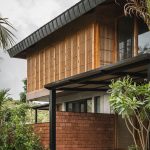
The structure reveals itself as a vertical composition of concrete, timber, and zinc. A monolithic concrete plinth grounds the home; above it rests a teakwood louvered volume that feels almost weightless. Crowning the ensemble is a titanium-zinc pitched roof that hovers delicately like an elevated canopy. This dialogue between mass and levity, solidity and porosity, defines both the visual identity and the function of the home.
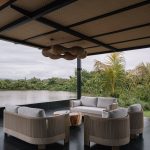
The building is positioned along the southern edge of the site’s largest salt pan, allowing the architecture to extend naturally into the landscape. A long, linear pool mediates the space between home and salt pan, its infinity edge dissolving into the mirror-like water beyond, transforming the pool into a poetic extension of the site’s calm, reflective character.
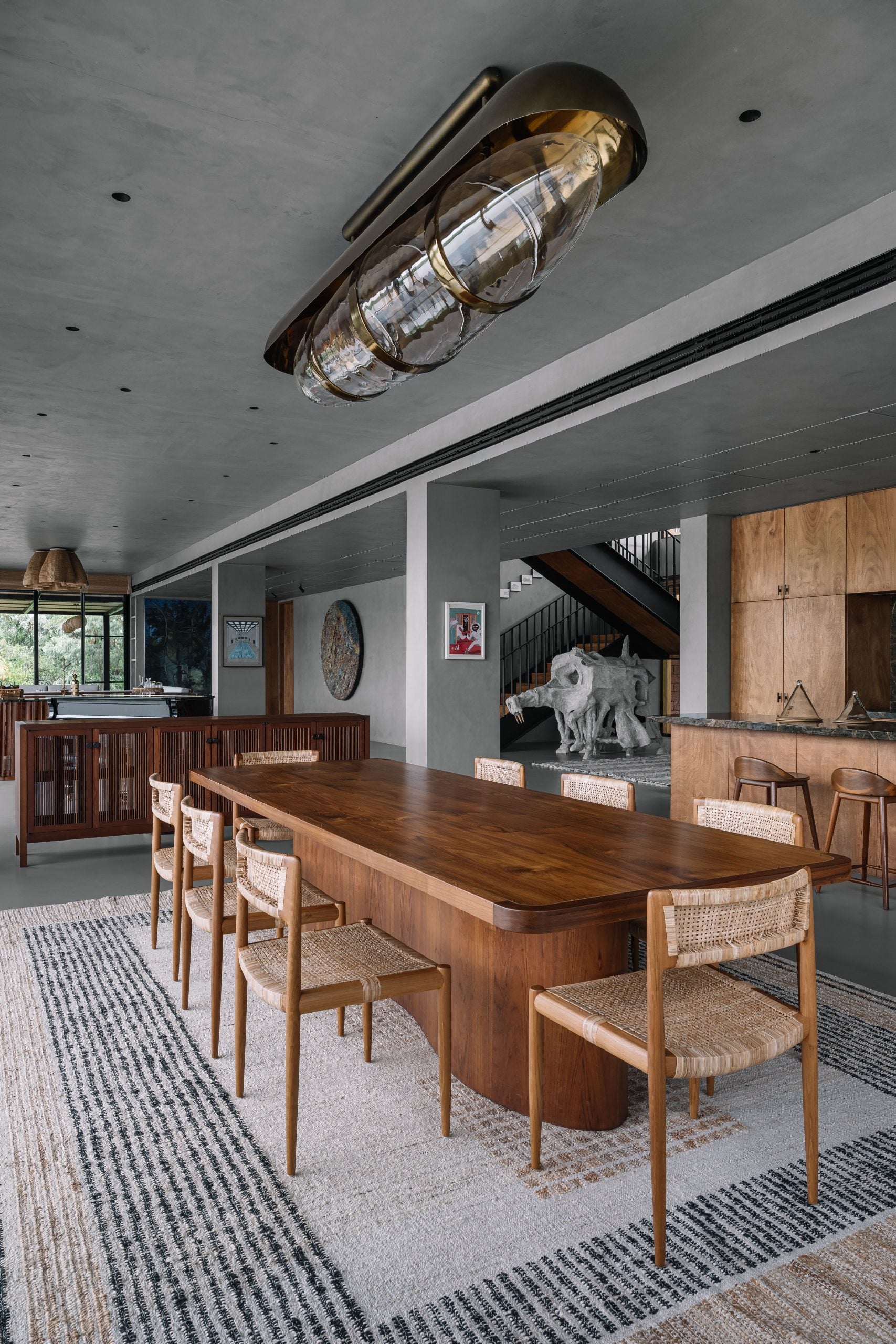
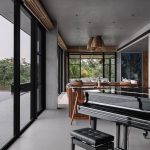
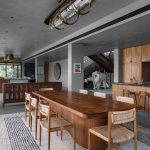
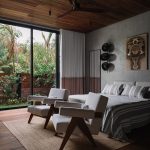
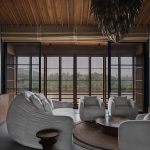
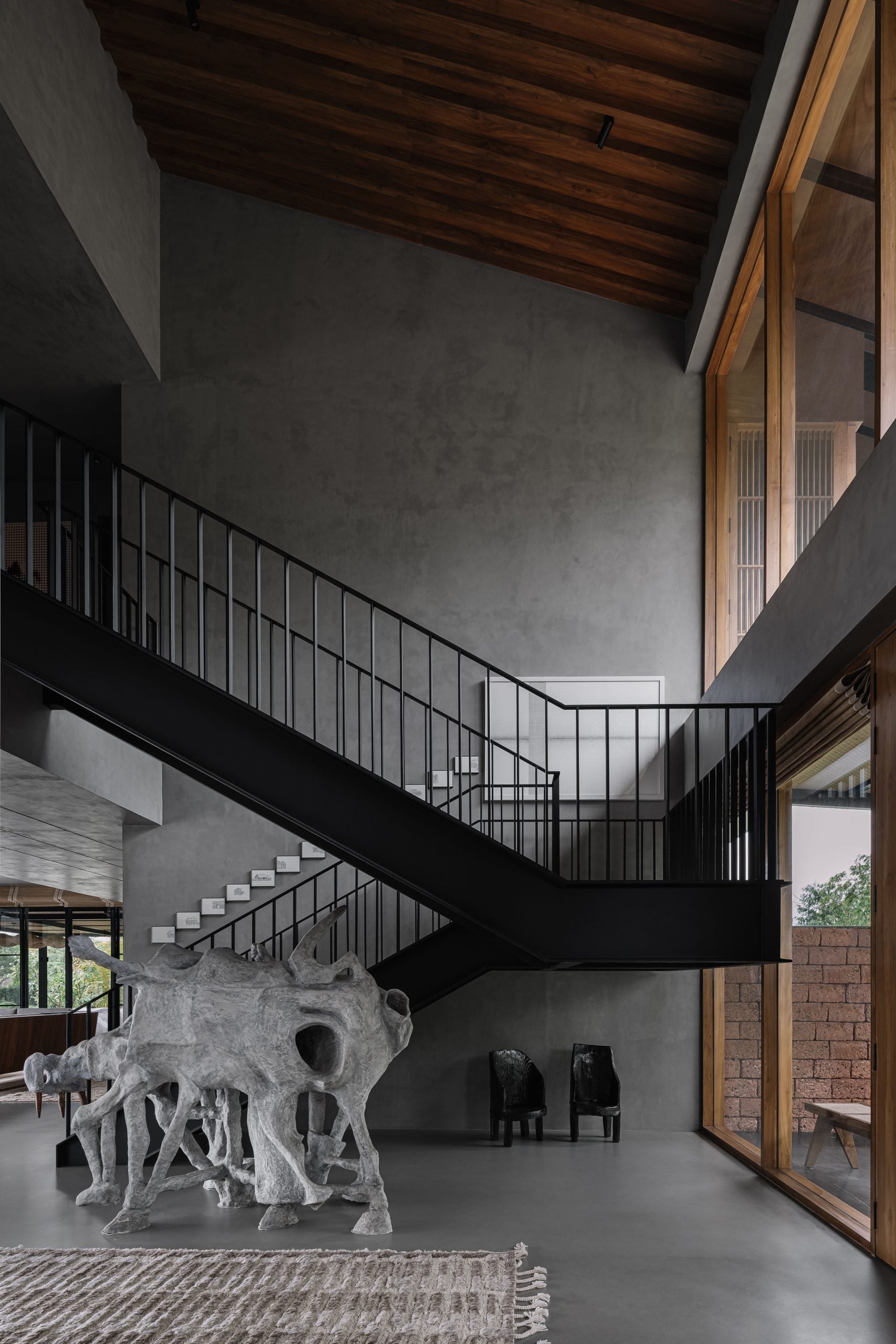
Arrival unfolds as an intentional journey. A steel-framed canopy, bordered by laterite walls, leads into a double-height lobby that acts as the home’s central spine. Beyond it lie the living, dining, and bar areas, all opening to the pool deck through sweeping glass doors and shaded verandas. These interfaces dissolve the threshold between inside and outside, inviting natural light and panoramic views deep into the home. A guest suite on the ground floor is oriented toward a lush green belt to the south, offering privacy and immersion in the landscape.
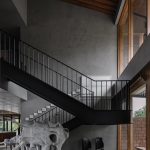
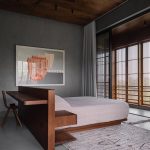
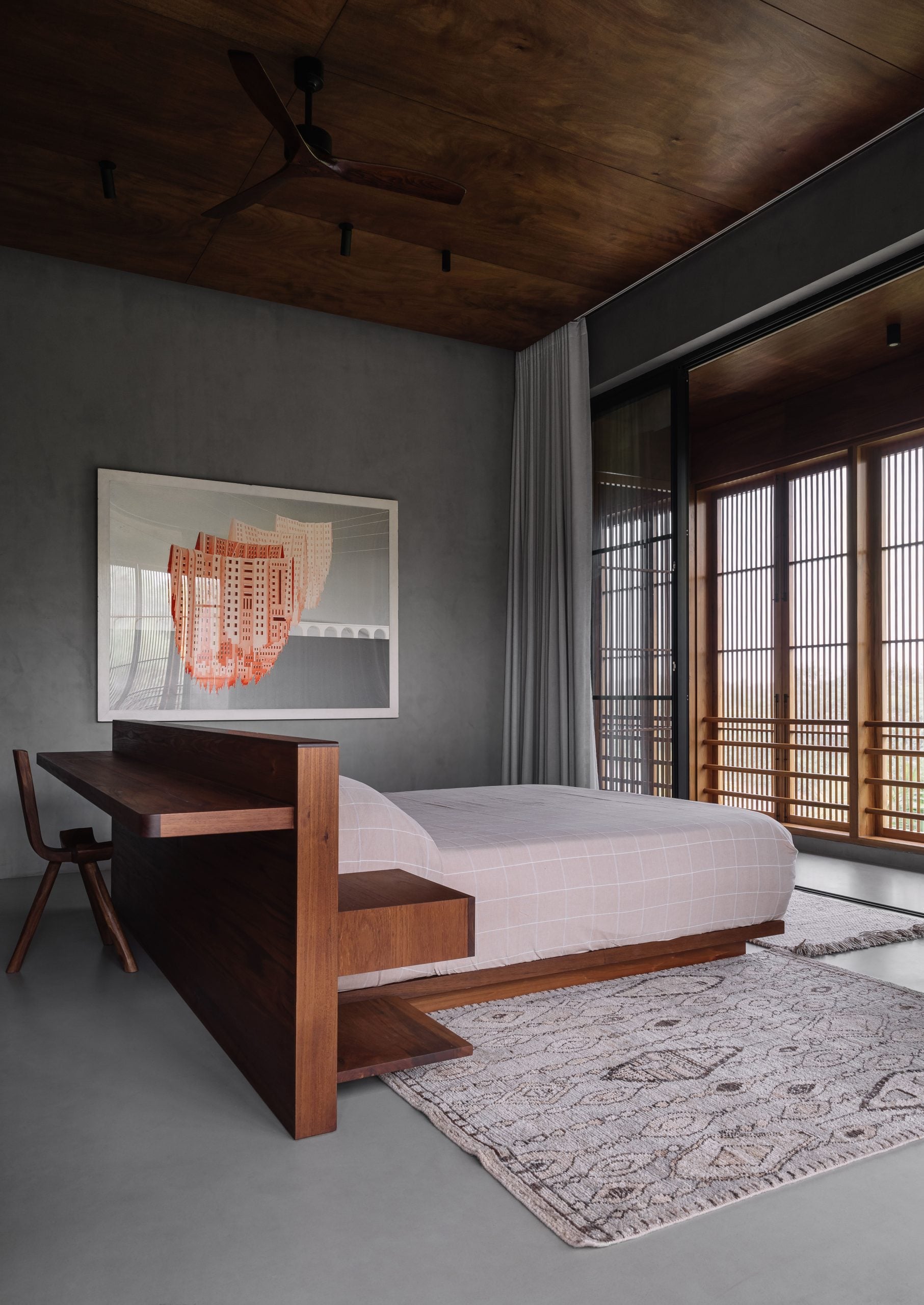
Movement through the home echoes the same sense of quiet drama. A free-standing metal staircase rises through the double-height volume to a first floor that hosts four bedrooms and a family lounge. Encircling this level is a continuous balcony veiled by operable teak louvers, which provide shade from the tropical sun and protection during the monsoon. A level below, accessed via steps from the pool deck, is a dedicated spa area with steam, sauna, and changing rooms. This sanctuary of wellness is seamlessly integrated into the architecture.
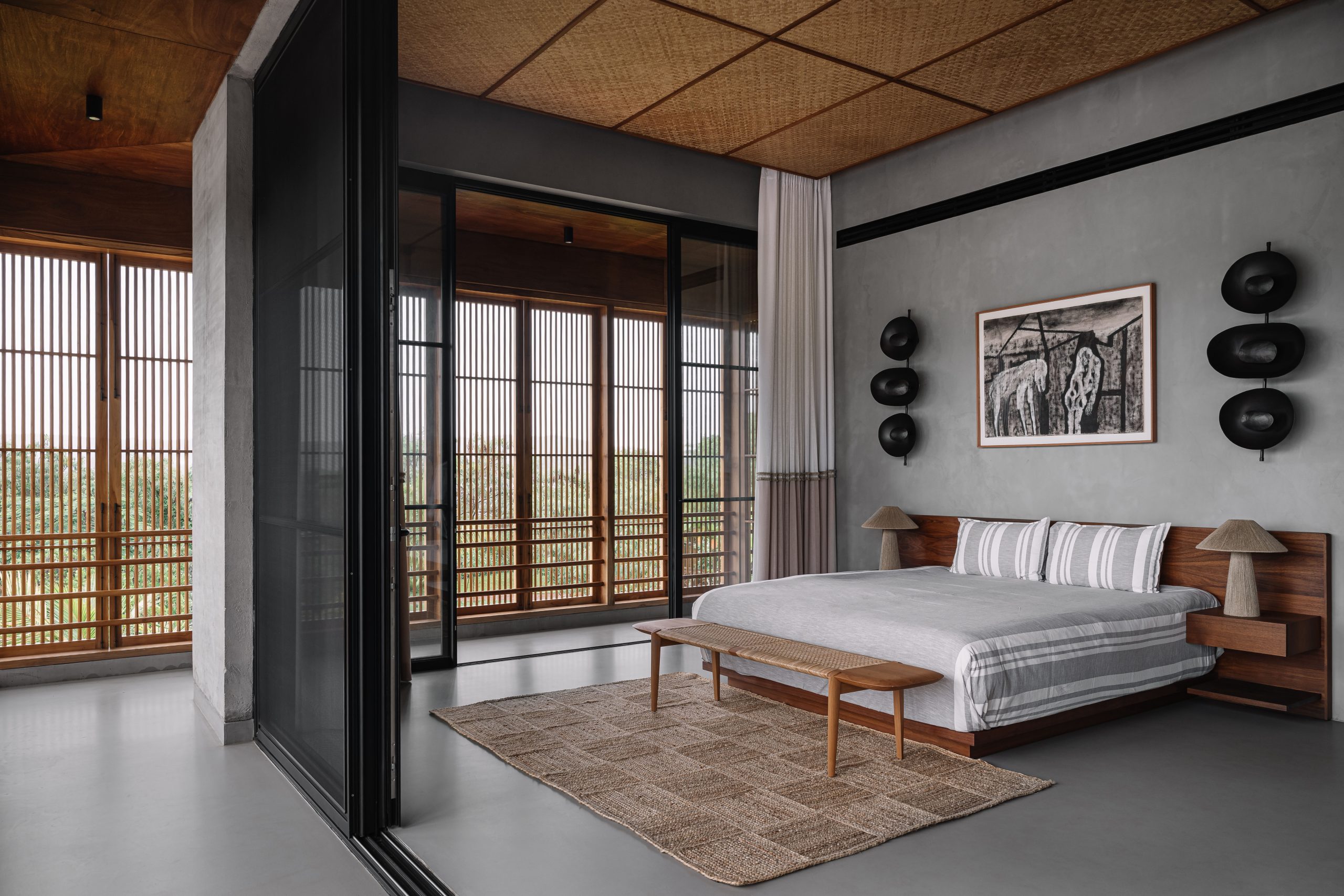
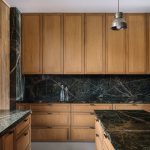
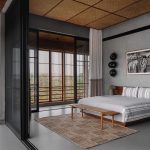
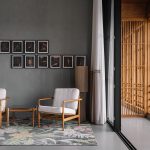
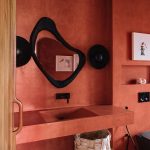
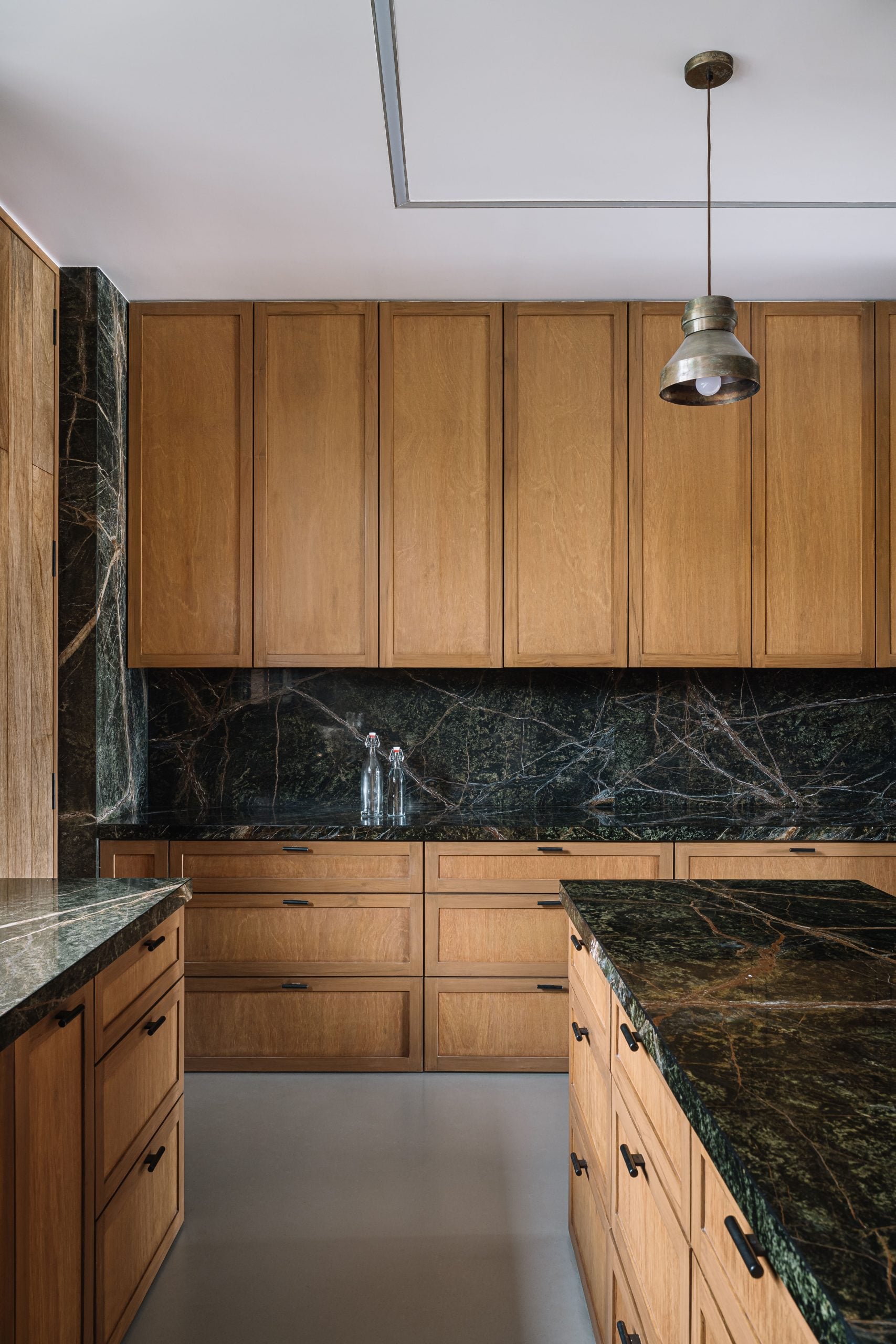
The material palette is rooted in authenticity and tactility. Surfaces celebrate natural texture and the beauty of imperfection. Staff quarters built in exposed concrete and locally quarried laterite pay homage to regional building traditions. The ground floor is finished in hand-polished cement plaster, while the teak-screened upper floor glows warm and lantern-like after sunset. Inside, pigments of grey, black, green, mustard, and terracotta enrich cement walls and floors, softened by cane detailing, exposed plywood, and expressive slabs of Indian granite.
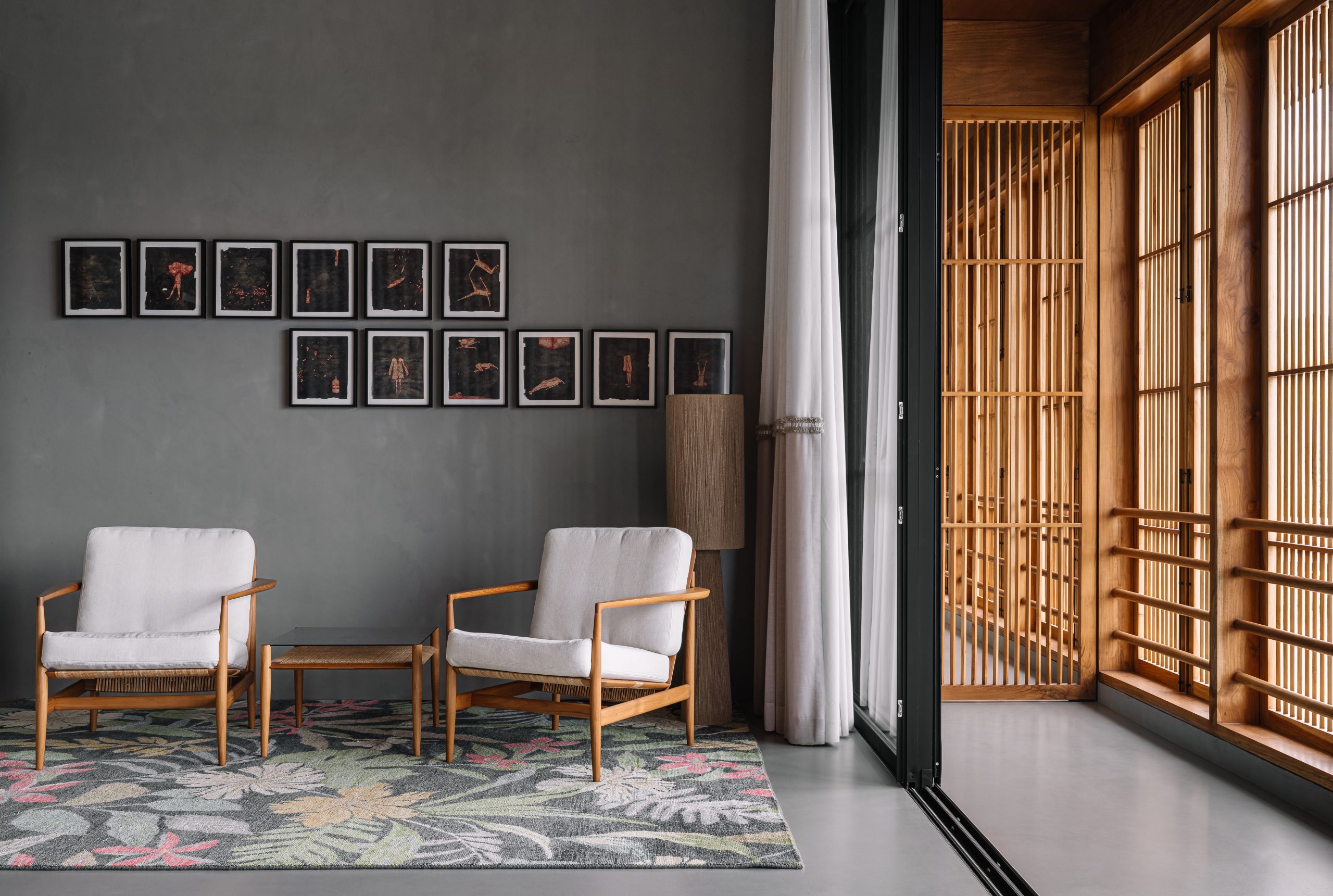
The wider property is layered with meaningful experiences: a private pickleball court, an all-weather gym crafted from recycled timber, a yoga pavilion, and a private jetty. A greenhouse supports home-grown produce, reinforcing a self-reliant lifestyle. Throughout the interiors, artworks from the client’s personal collection that has grown over decades lend emotional texture and cultural continuity.
Despite its scale and panoramic setting, the home remains strikingly compact, efficient, and intimately tied to its environment. Services are concealed within architectural recesses, preserving openness in the primary spaces. Building within the coastal regulation zone introduced challenges, from constructing a temporary coffer dam for the pool to integrating an existing municipal drain into the landscape plan. Each constraint was approached as an opportunity, allowing the design to evolve with ingenuity rather than compromise.
In its entirety, this home becomes more than a residence, it is a living landscape. A place where material truth, environmental sensitivity, and crafted detail converge with quiet confidence, shaping a retreat that feels both poetic and profoundly grounded.