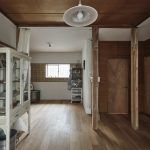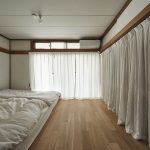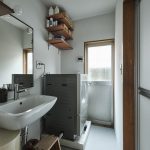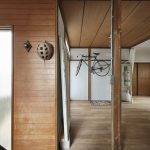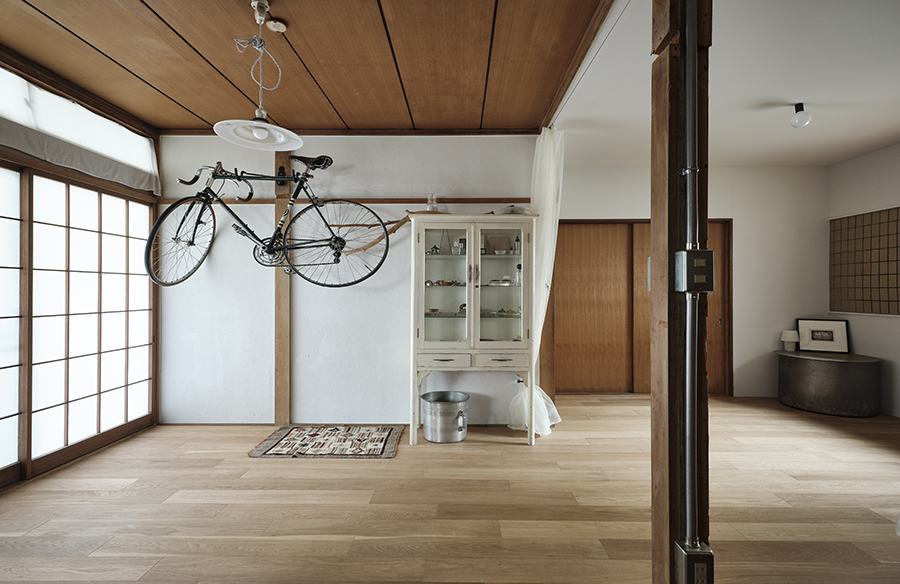
Tucked away in the quiet residential streets of Nukui, Tokyo, Nukui House is the thoughtful renovation of a 1976 wooden home carried out under Roovice’s Kariage initiative. The project showcases the potential of Tokyo’s aging housing stock, illustrating how strategic updates can breathe new life into existing structures while addressing the city’s growing number of vacant homes.
Project Name: Nukui House
Studio Name: Roovice
Year: 2024
Dimension: 103.89 m²
Photography: Akira Nakamura
Context and Initiative
Kariage offers a zero-cost revitalization model for owners of vacant properties, contributing to the solution of Japan’s akiya (empty home) issue while preserving architectural memory. Located in Nerima Ward, Nukui House is a two-story, 103.89 m² home that originally featured a 3DK layout on the first floor and a 2LDK on the second. After the previous resident moved to the countryside, the neighboring couple purchased the property to secure access to the road for future development. With no immediate plans to rebuild, they partnered with Kariage to prevent decay and bring the house back into use.
Design Strategy: Preserving Character, Enhancing Usability
The renovation focused on preserving the home’s original character while improving its spatial quality, light, and function. Selective wall removal and room reconfiguration allowed for a more open, adaptable layout without compromising the house’s core structure.
First Floor: Creating a Sense of Flow
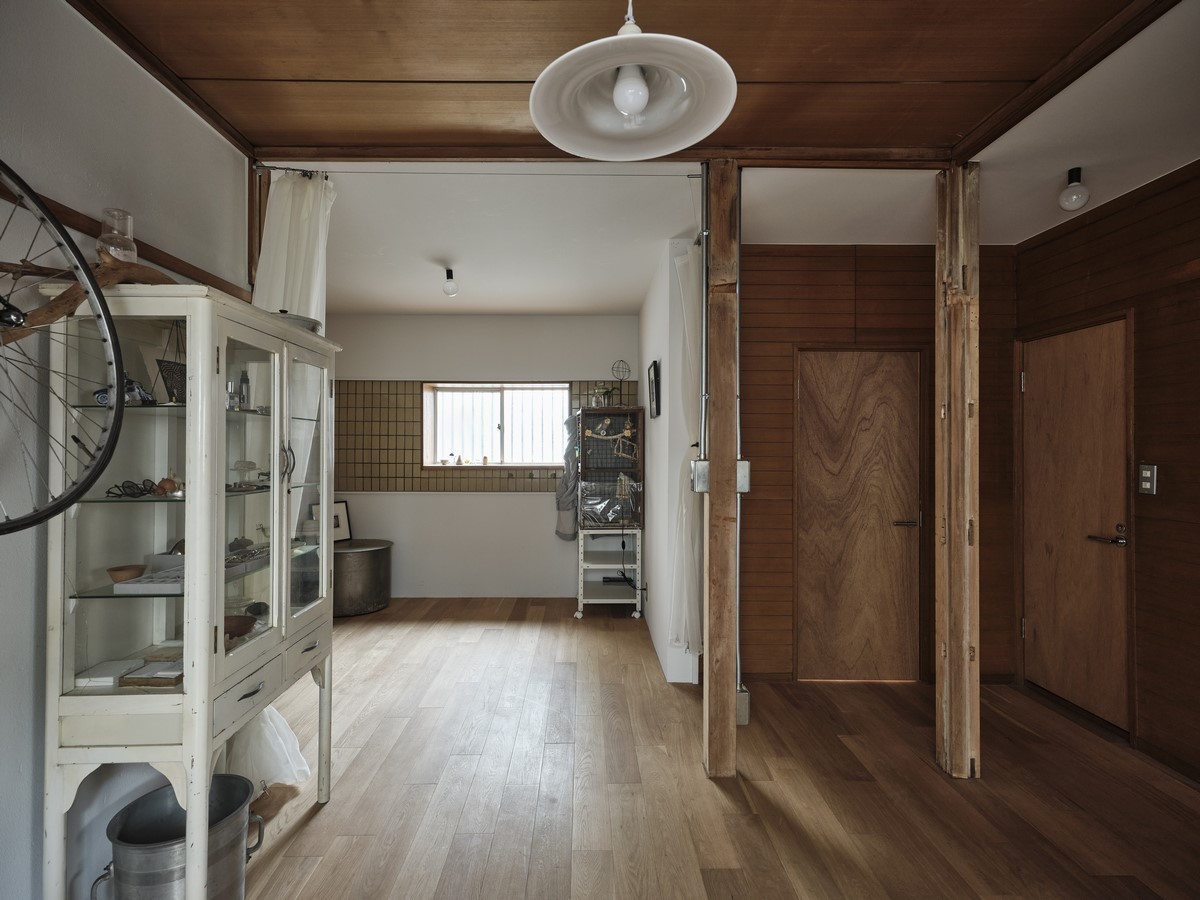
Originally divided into small rooms, the 3DK first floor was opened up by removing corridor walls to form a spacious entrance that flows directly into the living areas. The former kitchen was dismantled, though its tiled surfaces remain as a nod to the past. A new tiled bathroom and toilet were added, while flooring was updated and walls painted white to form a neutral base. Refurbished shoji and the replacement of tatami with modern flooring in the entrance area bridge traditional and contemporary design.
Second Floor: Blending Past and Present
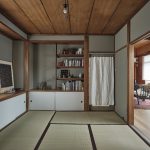
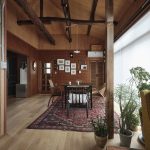
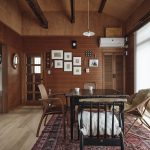
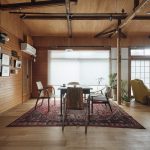
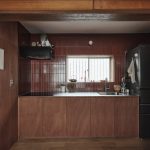
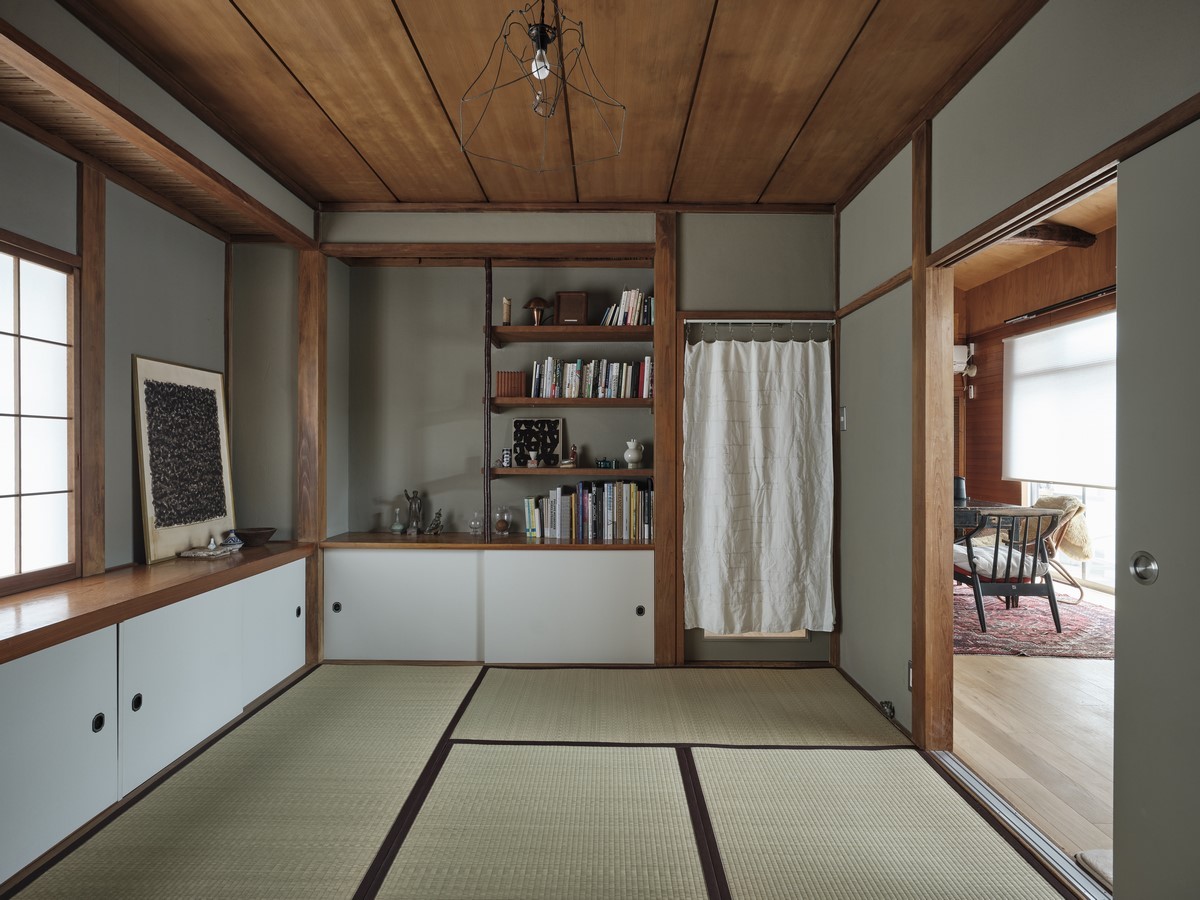
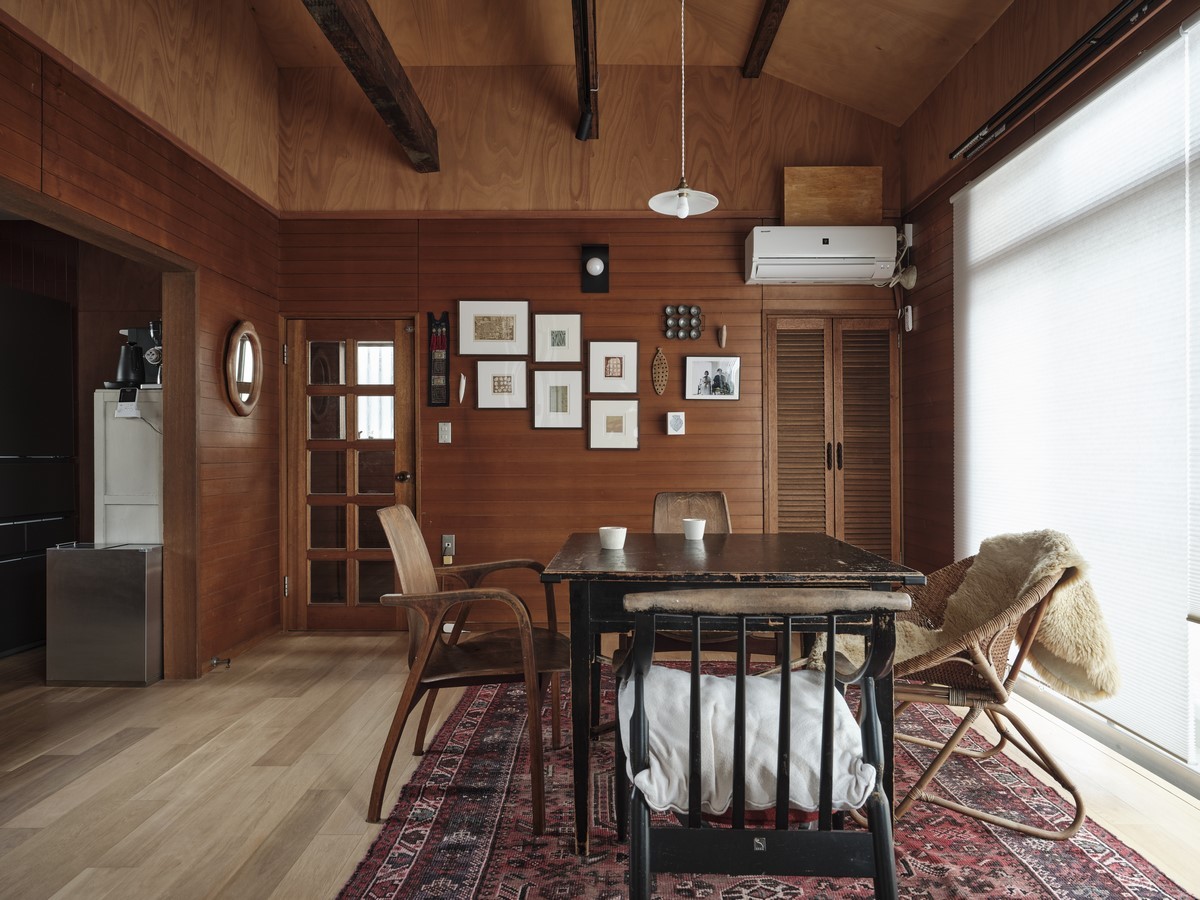
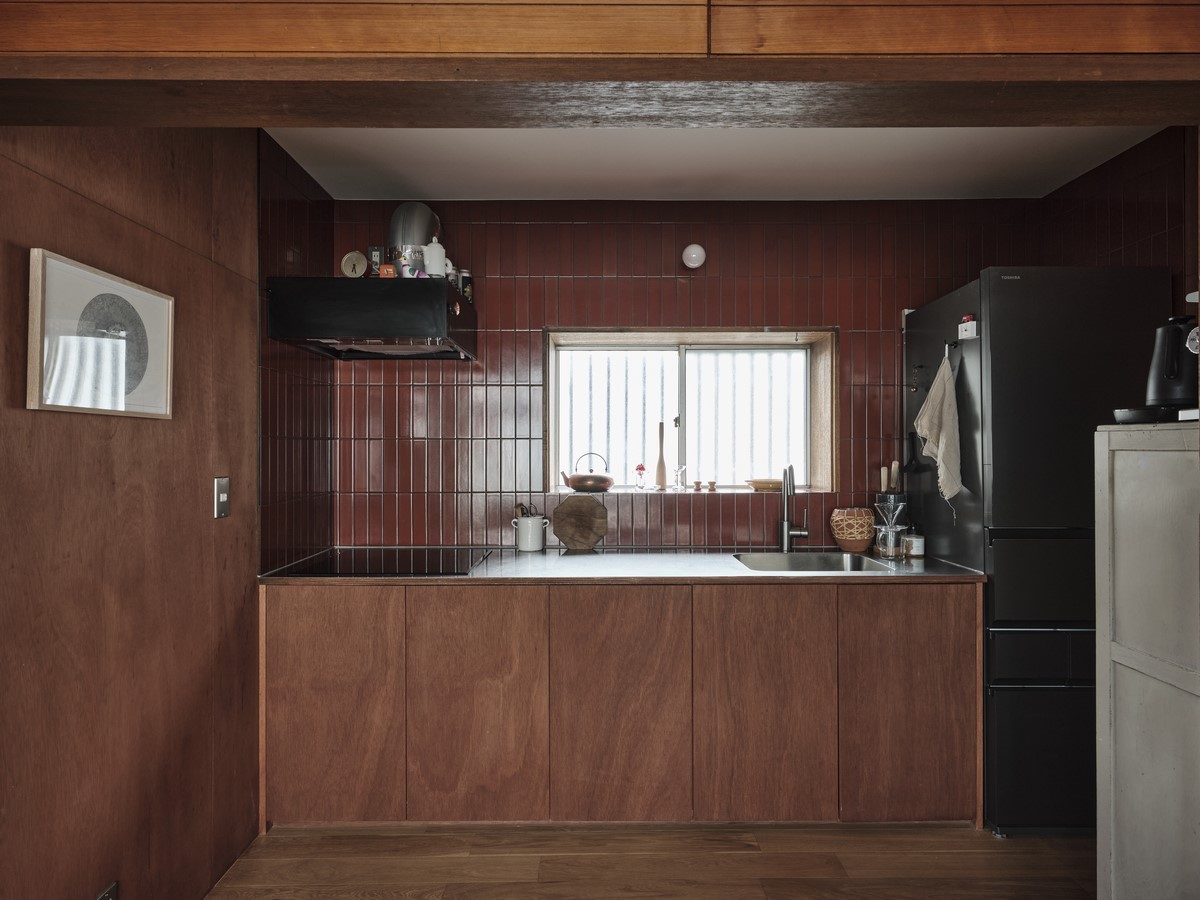
Upstairs, original features were preserved and integrated with thoughtful updates. The distinctive red kitchen tiles were replaced with new red tiling, maintaining visual continuity. A custom modern kitchen was installed to enhance usability. Wooden wall panels were retained, and the ceiling boards removed to expose the beams—highlighting the home’s craftsmanship while improving vertical space. New insulation was added behind fresh boards, keeping ceiling height consistent. An old partition was removed to form a larger LDK, improving daylight and connectivity, while the traditional tatami room was refurbished and walls repainted.
Outcome: A Cohesive 3LDK with Generous Entryway
Now reconfigured into a functional 3LDK, the renovated home offers a more flexible, light-filled layout. Material choices and finishes reflect both its heritage and its adaptation to modern living. As part of the Kariage initiative, Nukui House stands as a compelling example of how careful renovation can extend the life of old homes while contributing to sustainable, community-centered urban regeneration in Tokyo.