Crafting Hands
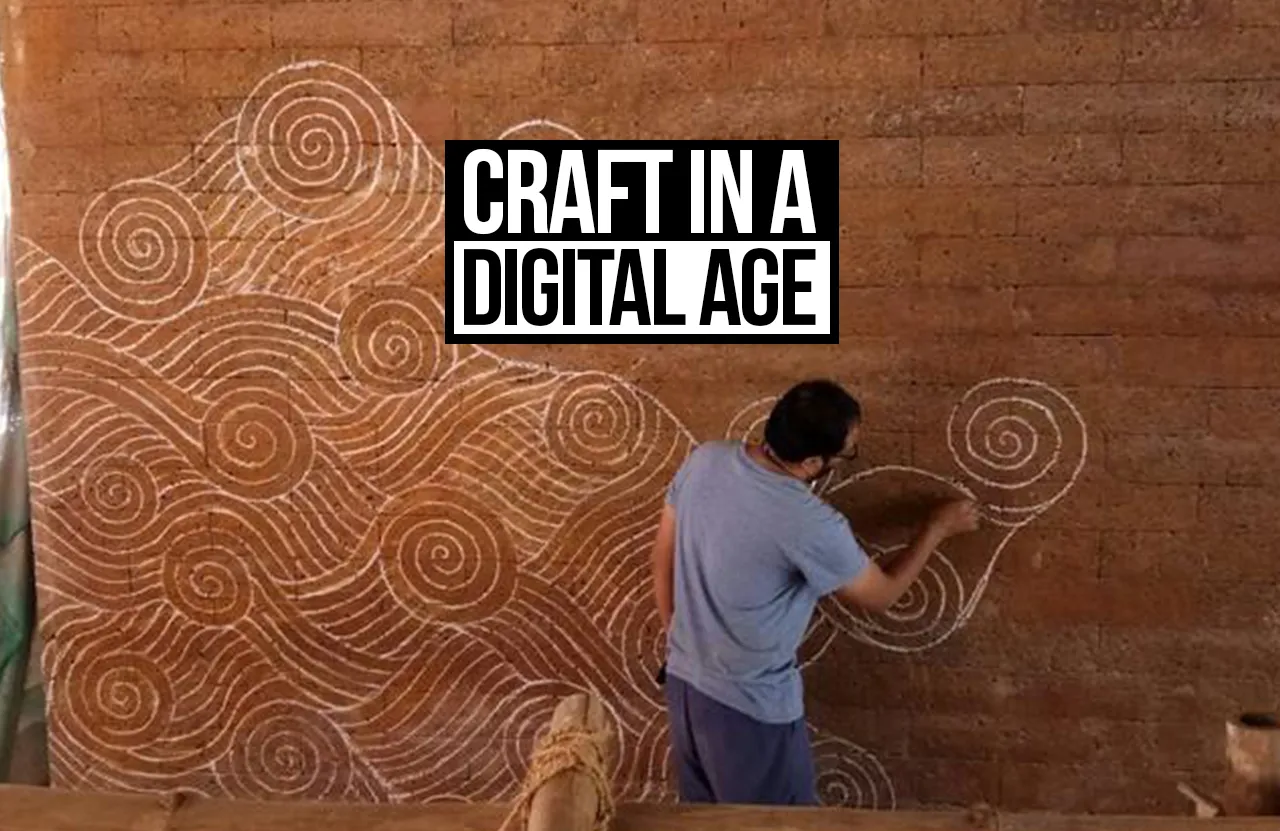
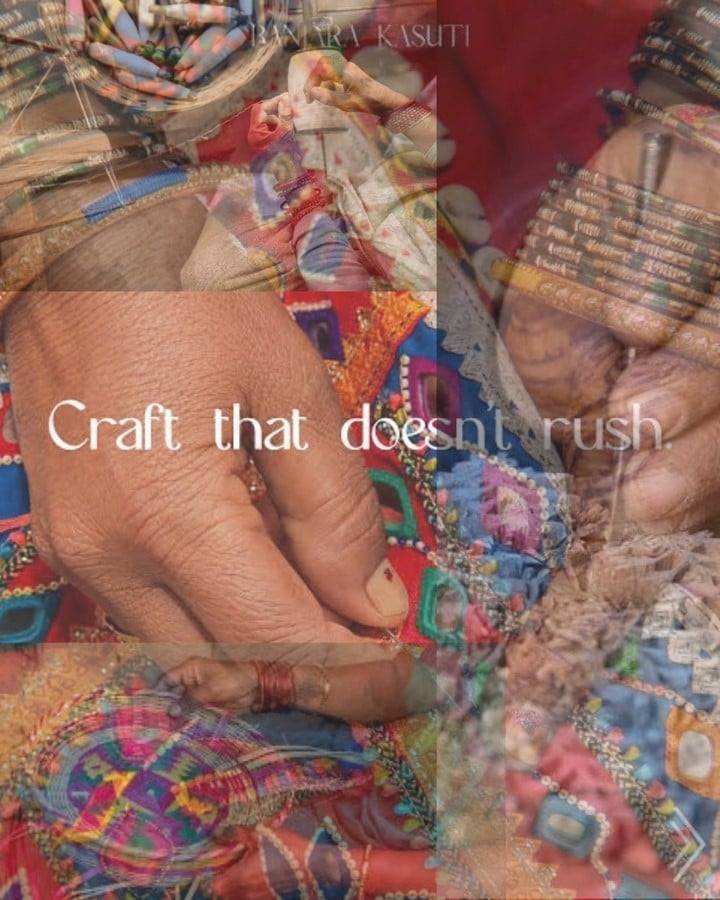
To craft means to create with hands that accumulate knowledge, material, and technique. It is the lived tradition, human skill, and community heritage expressed through handmade arts, textiles, and objects. Through the years, we recognise craft in our day-to-day. Everything from the furniture we use, clothes we wear, and even the way we choose to approach design in itself is a craft. It is not merely the act of making something by hand, but the knowledge and understanding that goes into making it.
Little Things
In the field of architecture, the gradual shift is seen from creating things through a more hands-on approach on site to focusing more on an efficient and digitized way of handling the process. Digital tools now shape drawings, models, material studies, and construction techniques, streamlining communication and coordination between different parties. This has made the process of production faster, but what we notice is the shift from creation to production. In present-day scenarios, what is built follows a standardised template, due to which not all, but enough of the real estate architecture we see no longer feels like design that is crafted through knowledge and technique but like a mechanised system of producing mundane structures. Somewhere along the way of efficiency and digitisation, architecture feels standardised in everyday scenarios for the common man, and only certain classes of people get to experience architecture as a craft.
More Clicks Than A Crack!
The streamlining of functions that take place while putting up a building may have helped the architecture field save costs and complete projects sooner, but digital convenience has also reduced the need to interact with traditional craftsmen unless the design is specifically curated for a client. The process may be tedious in terms of contacting craftsmen to collaborate for projects that cater to the common man, but since when did the experience of craft become a privilege? Not to sideline the fact that the process is a to-and-fro loop that requires enough leeway, which many project schedules might not offer in the present day, but to create is to collaborate, which is a lot more than just a tap on the screen. While in some fields the pressure for speed, repetition and commercial efficiency can turn digital tools that help people with their craft into mere instruments of standardisation, others solely depend on their hands-on craft-making as an identity and means to earn a living.
Craft as an Identity
Human evolution has been defined by our ability to make things with our hands, and craft, in a way, has inherently become a part of our lives. The reason to make has evolved as well, from basic survival or utility to cultural identity to decorative art. The need changes based on the circumstances.
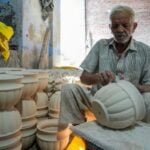
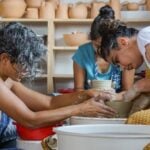
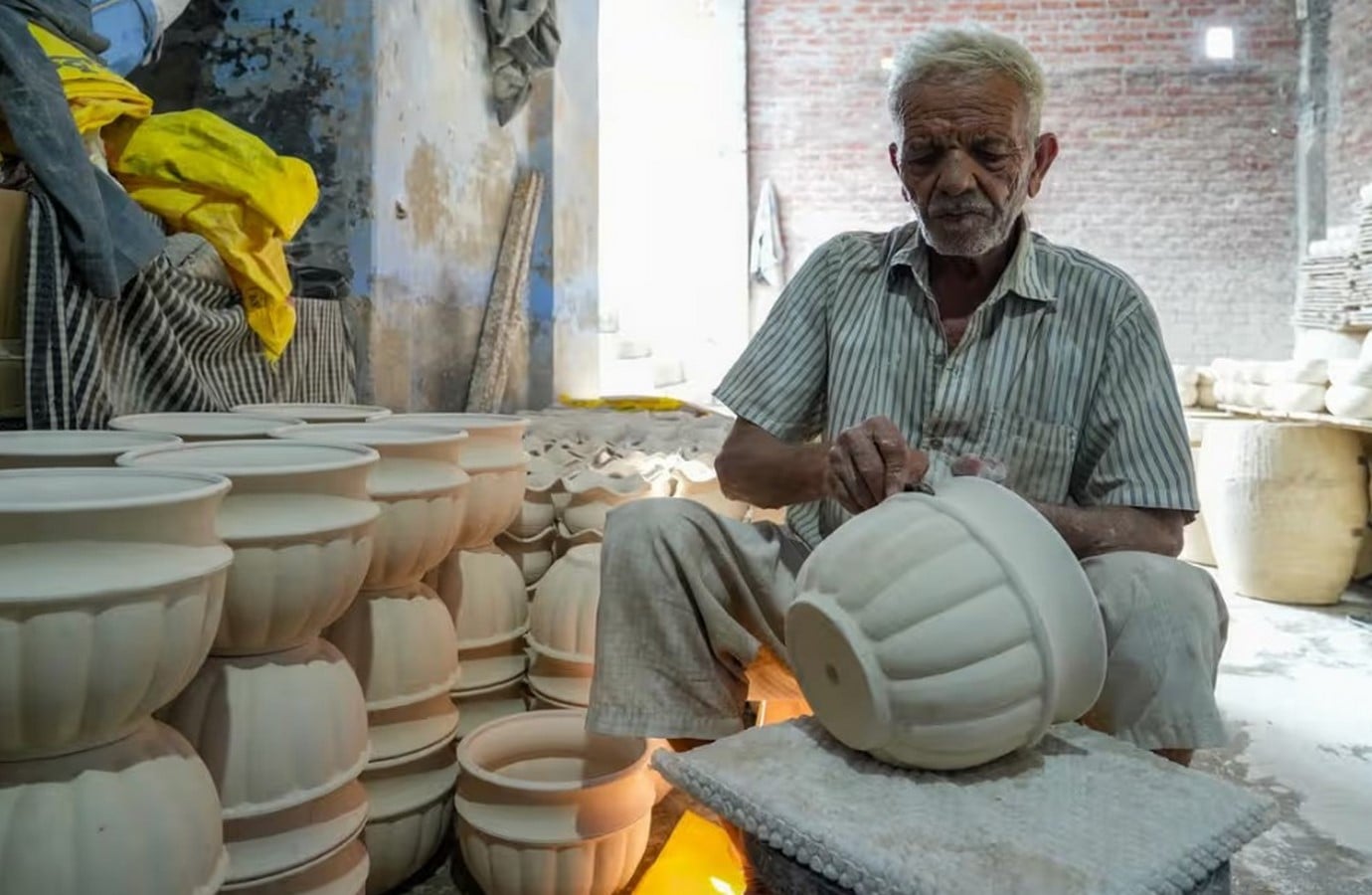
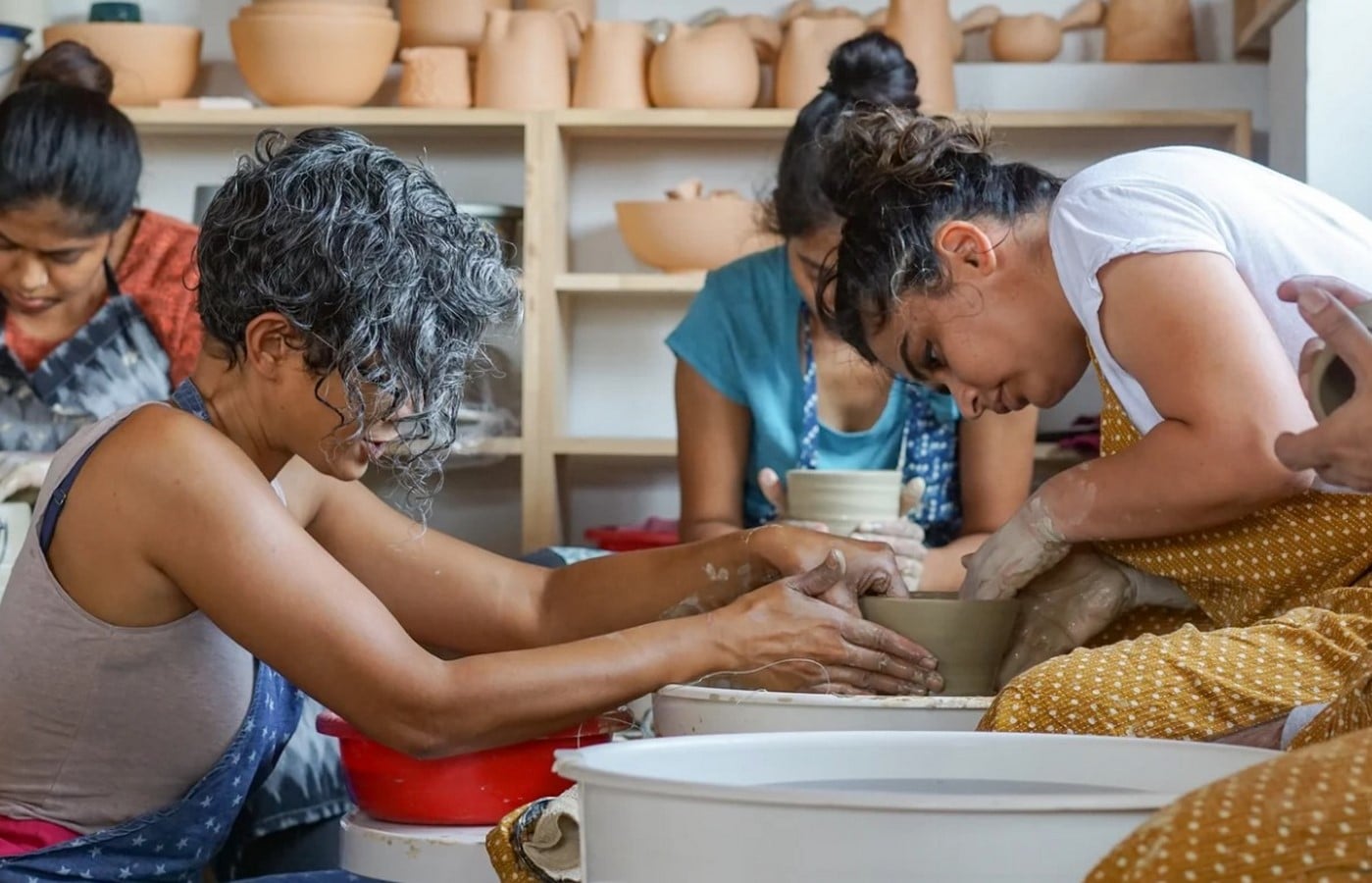
For many indigenous groups, geographic isolation or historical marginalisation means that crafting isn’t just a business; it is the literal backbone of their economy. Potters, weavers, woodworkers, and metalworkers are all communities that depend on craft as a means to survive.
In the present-day scenario, access to craft is now also seen as a luxury. The mechanised way of working in offices, both architectural and non-architectural, has made people crave a sense of creation that has been streamlined in the form of workshops, experiences, and niche markets that may feel like new experiences but are actually just craft that has been existing for years and has come to their notice because the experience is being sold.
Architecture, in a way, has also been going through a patch where some continue in the streamlined, mechanised process of construction, whereas others, through the act of their own exploration, have craft that has been inculcated into their design. The duality could be based on intent, time, funds, and profit. Architecture allows for collaboration, and perhaps the question in this age of digitisation isn’t whether technology is good or bad for craft, but rather to reconsider craft in a digitised world that not only enhances the identity of a design but simultaneously preserves age-old crafts rather than preserving the aesthetic of it.
The Art of Making in a Digital World
Contemporary architecture can interact with craft in different ways.
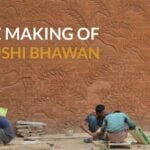
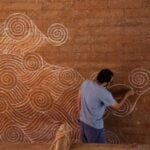
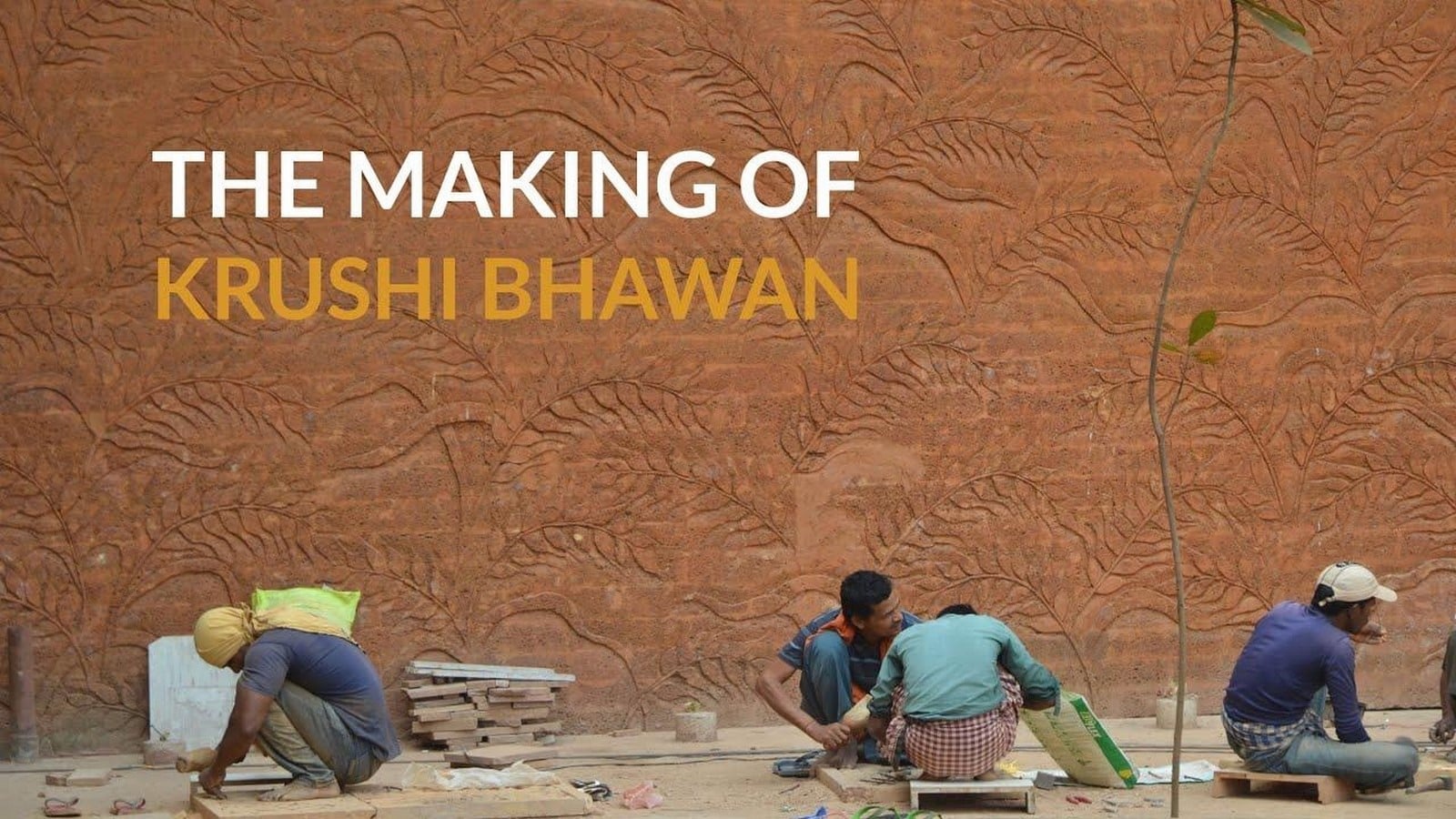
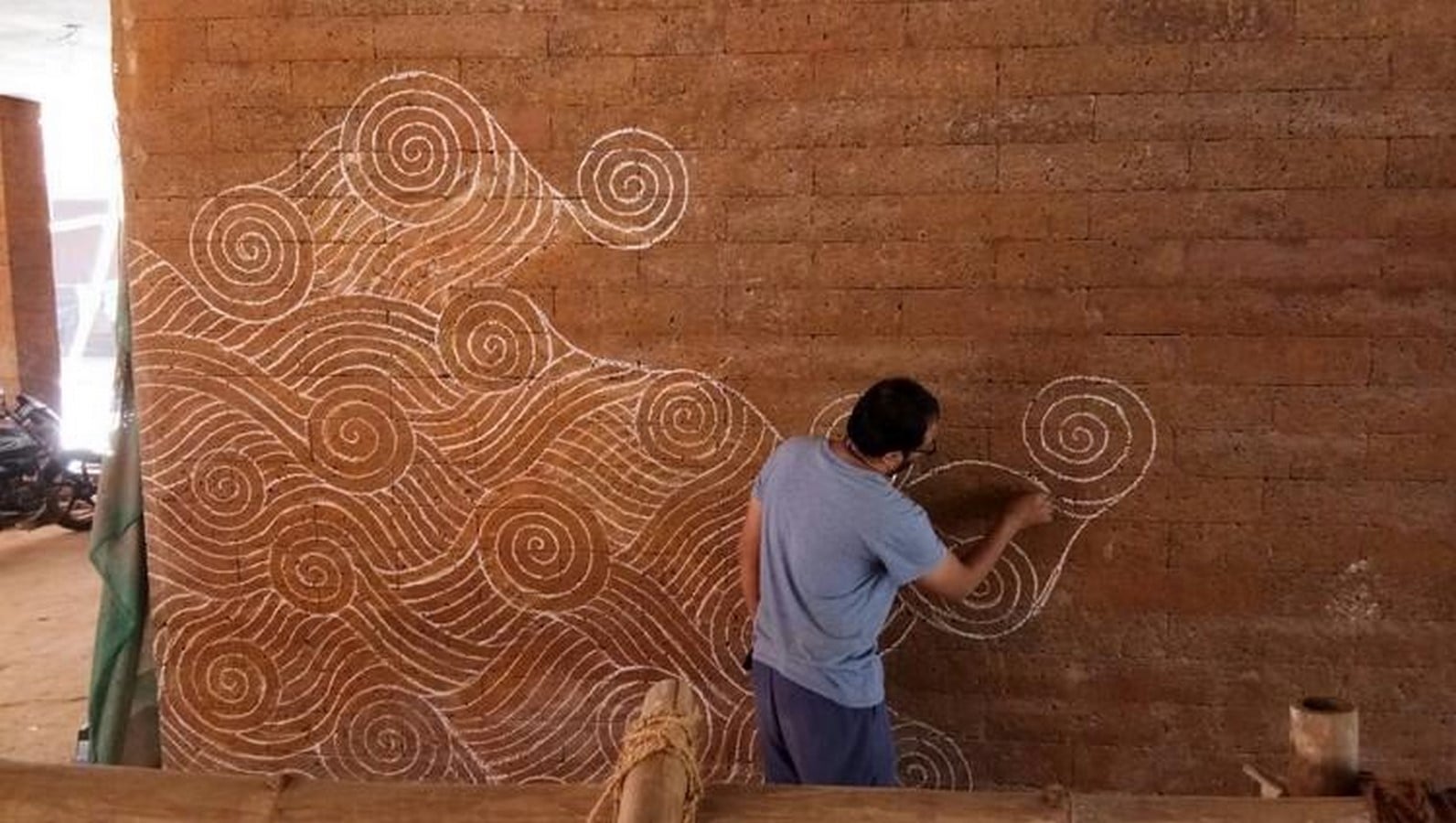
The Krushi Bhavan by Studio Lotus could be seen as an example where traditional craft can shape the identity of a contemporary institutional building. That craft need not remain confined to handmade objects or traditional buildings. It can inform contemporary institutional architecture and become part of how a building expresses its regional identity.
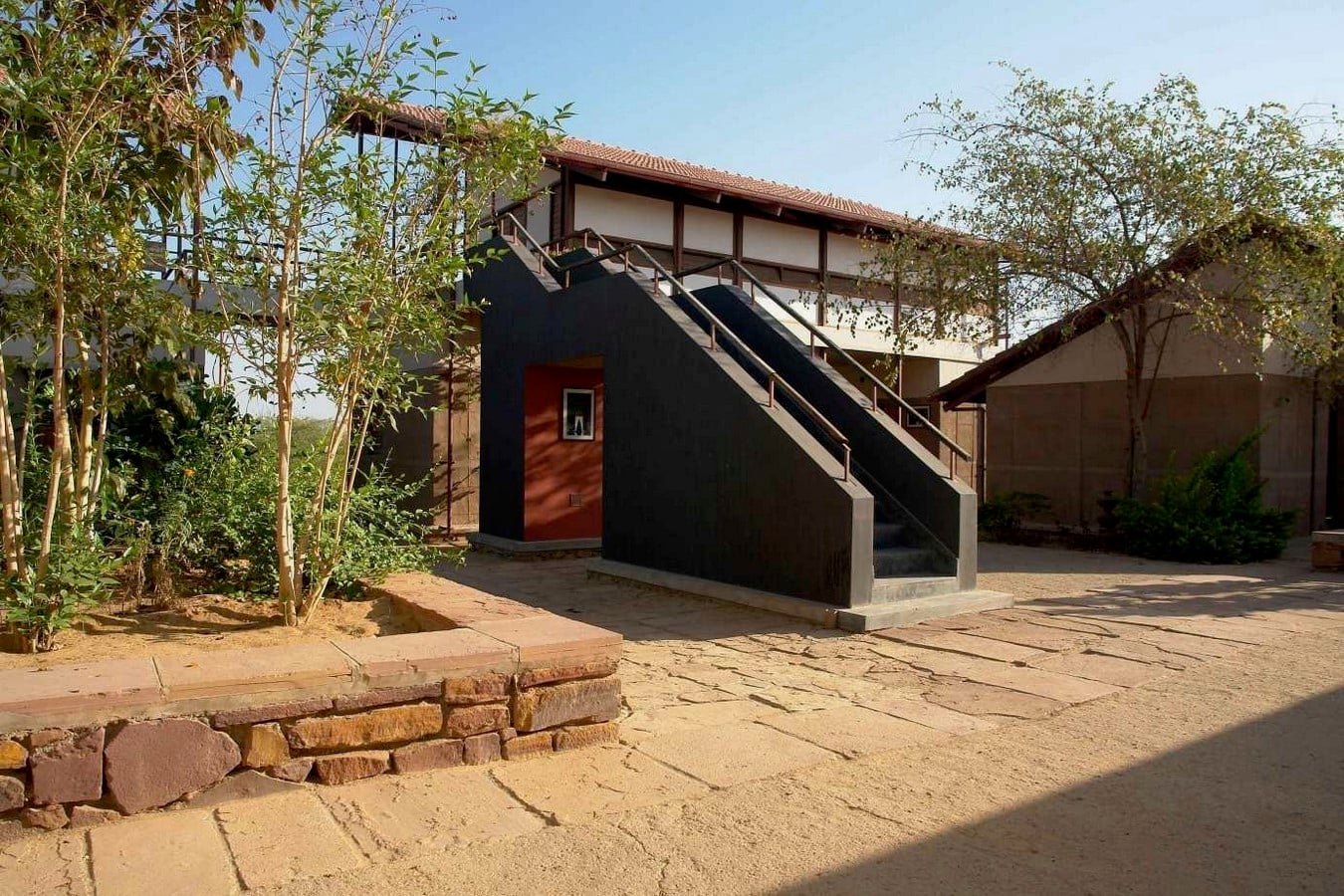
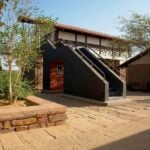
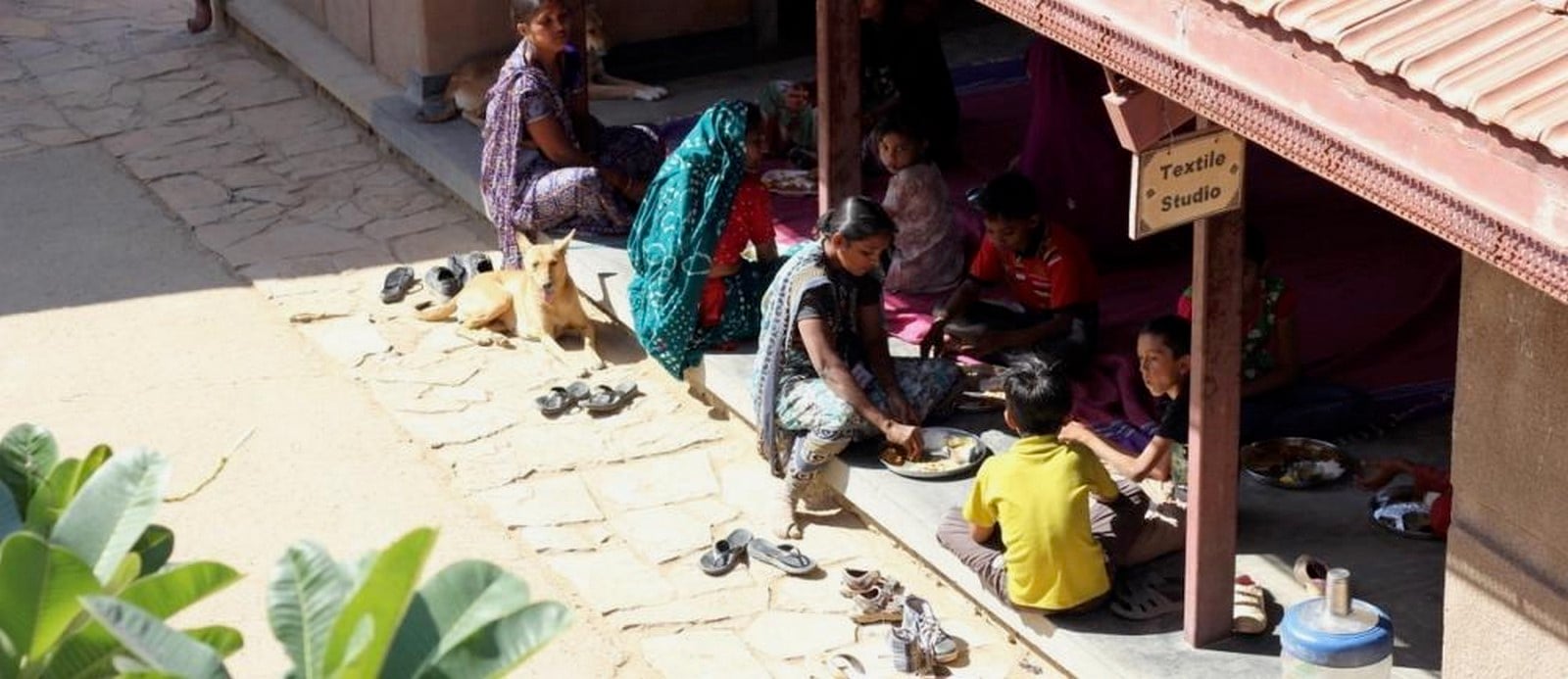
The Khamir campus, designed by architect Neelkanth Chhaya, on the other hand, brings together artisans, craft organisations and visitors to support the traditional crafts of Kachchh. This example shows how architectural practice can work alongside craftspeople and draw from their construction knowledge, rather than treating them merely as people who execute a finished design. The space is not only for experiencing craft but also a space for artisans to practice, research, and organise.
Digital tools are required in contemporary architecture, so the question isn’t about which is better or whether we go back entirely to traditional methods but more about how contemporary architectural systems can make room for craft as knowledge, collaboration, and livelihood, rather than reducing it to a visual element.
REFERENCES:
- Morriss-Kay, G.M. (2010) The evolution of human artistic creativity, Journal of anatomy. Available at: https://pmc.ncbi.nlm.nih.gov/articles/PMC2815939/ (Accessed: 12 October 2026).
- i64278 (2024) How indigenous communities craft: A tradition rooted in culture and connection, TheRecycle Challenge. Available at: https://www.the-recycle-challenge.com/post/how-indigenous-communities-craft-a-tradition-rooted-in-culture-and-connection (Accessed: 12 October 2026).
- Khamir Campus (no date) Khamir. Available at: https://khamir.org/visit/campus (Accessed: 12 October 2026).
- Abdel, H. (2020) Krushi Bhawan / Studio Lotus, ArchDaily. Available at: https://www.archdaily.com/941738/krushi-bhawan-studio-lotus (Accessed: 12 October 2026).