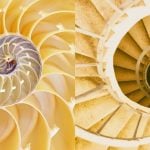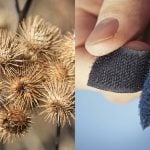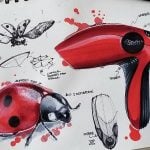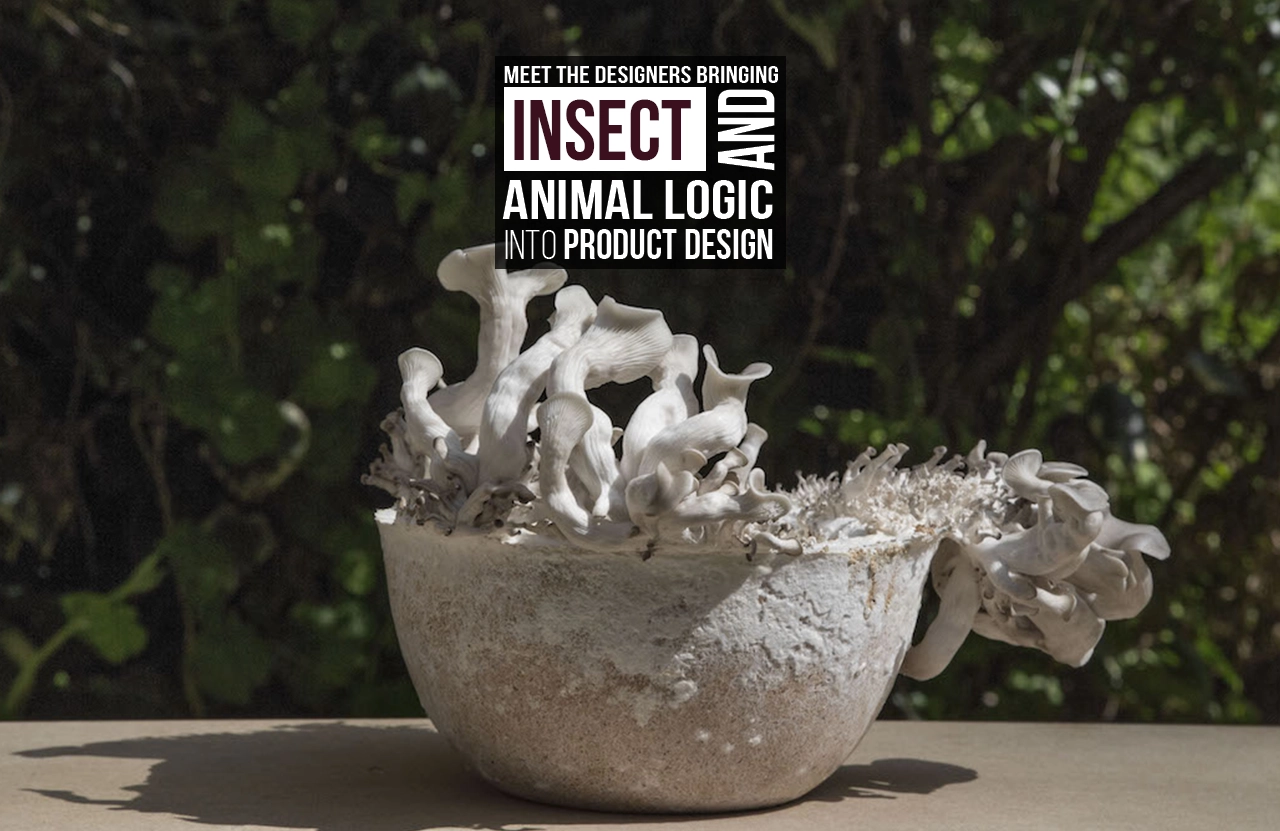
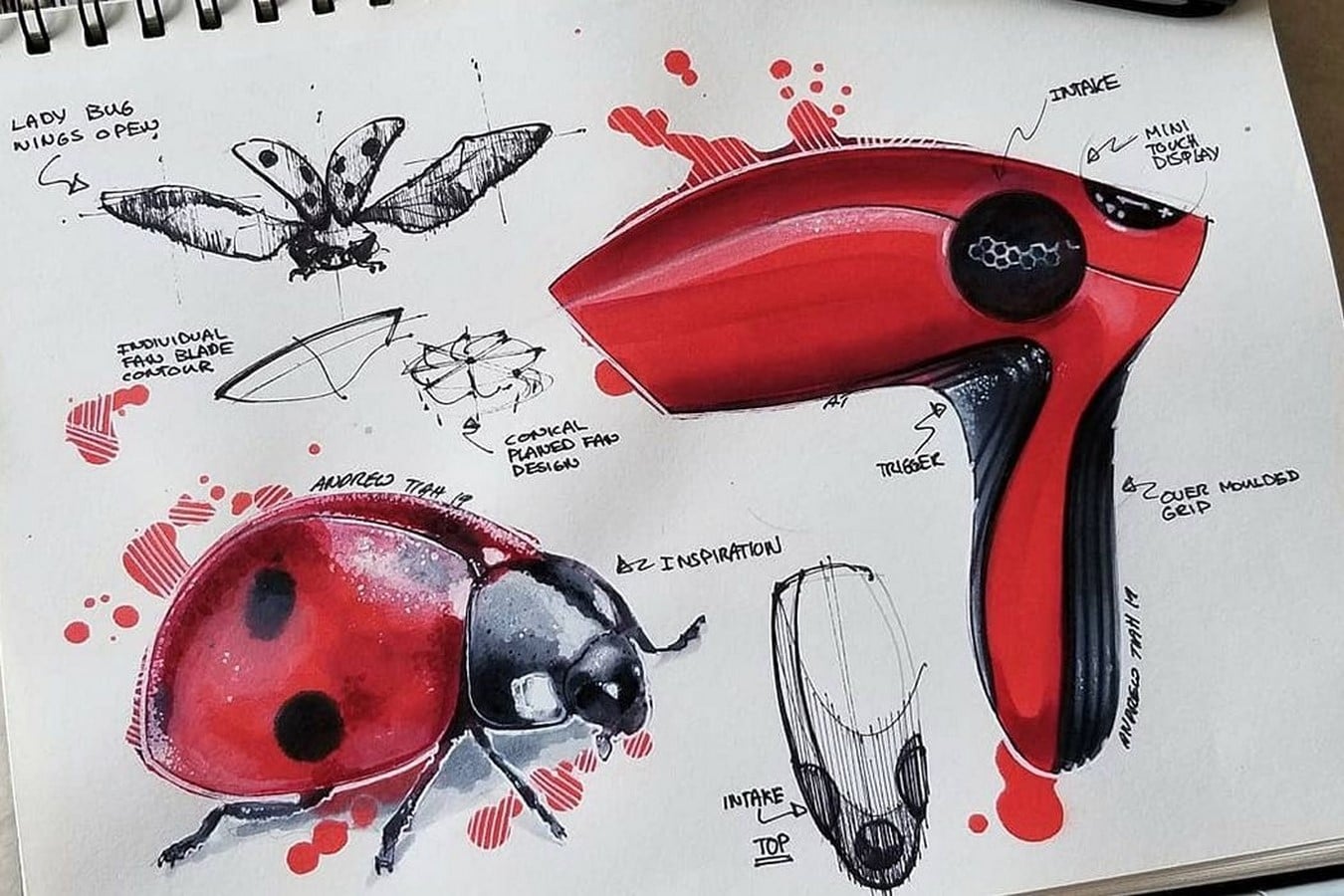
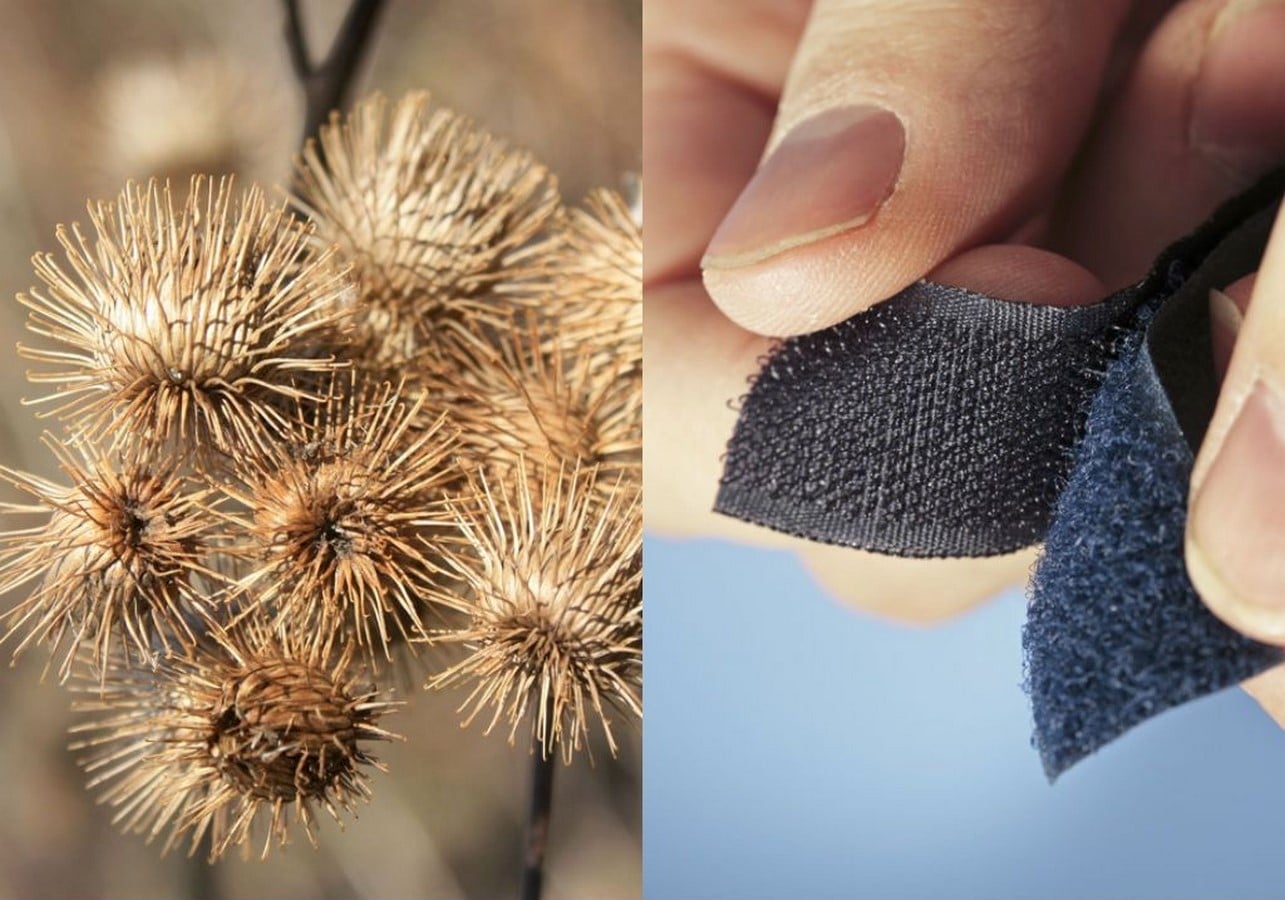
Product design has traditionally treated nature as a source of visual inspiration. A chair may resemble a beetle, a lamp may imitate a bird’s wing, or a building component may take the form of a shell. However, a growing group of designers is moving beyond appearance. They are studying how insects and animals produce materials, respond to their environments, communicate, and share resources—and translating those forms of biological intelligence into products.
This approach includes biomimicry, biodesign, and interspecies design. Although the terms overlap, they describe different practices. Biomimicry applies principles observed in nature to human-made products. Biodesign works with biological materials, organisms, or processes. Interspecies design expands the idea of the product user to include non-human organisms. Together, these approaches challenge designers to reconsider not only what a product looks like, but also how it is made, whom it serves, and what happens to it after use.
From Animal Form to Product Logic
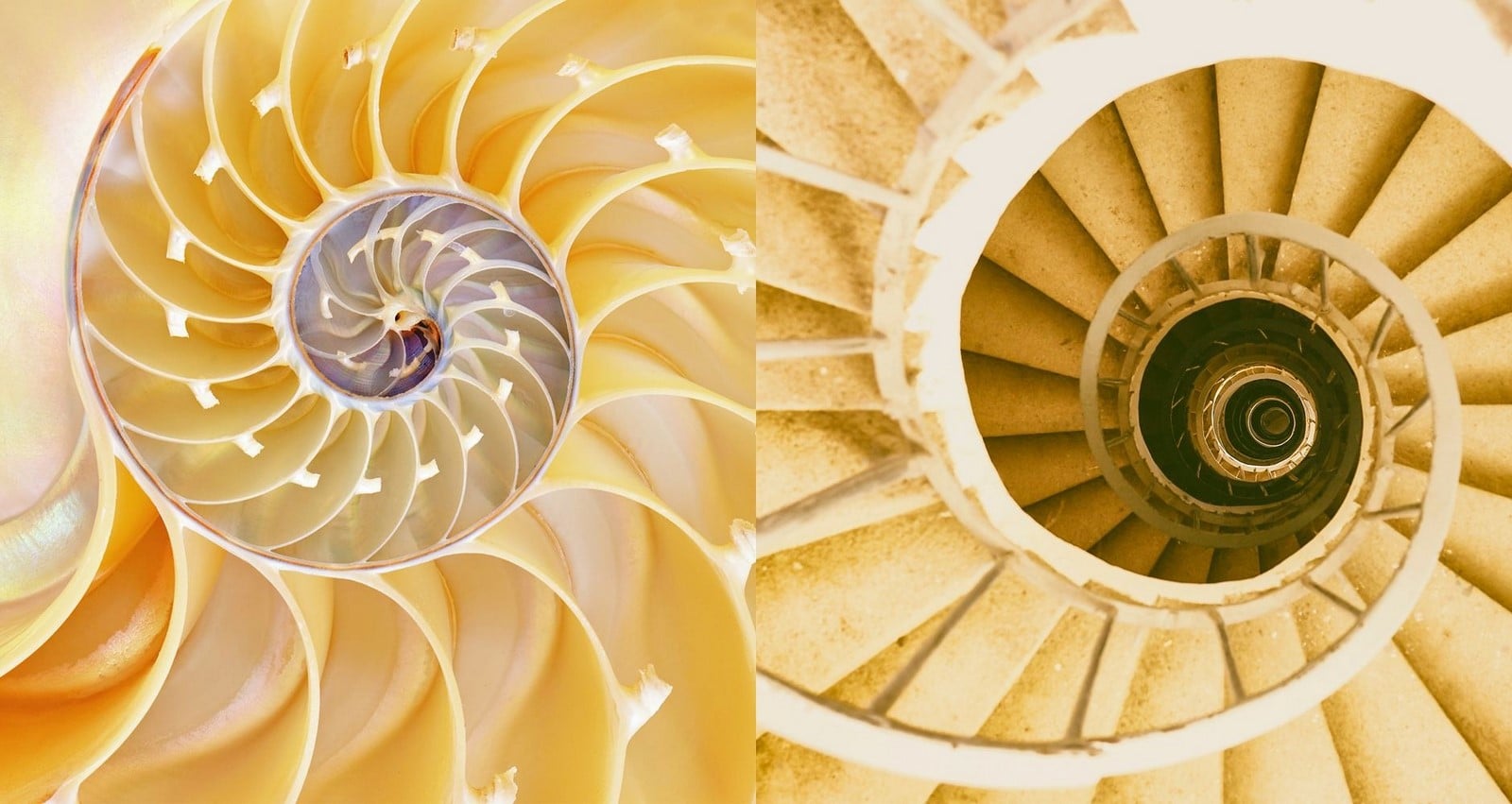
The difference between animal-inspired form and animal-inspired logic is central to this movement. Copying the shape of an insect does not necessarily make a product more efficient or sustainable. Studying an insect’s exoskeleton, however, may reveal possibilities for lightweight protection, modular construction, or material efficiency.
Similarly, examining a spider web can encourage research into tensile structures, while studying a beehive may raise questions about cellular organisation and efficient use of space. These observations do not provide ready-made product solutions; instead, they offer biological strategies that must be critically translated through the specific lens of material properties, fabrication methods, and user needs.
Biological systems are also highly specific. A structure that works for a beetle may not be suitable for a chair, package, or electronic device. Therefore, responsible biomimetic product design requires more than visual analogy. It requires assessing how the material performs, examining its properties, and understanding the ecological context that originally gave rise to the biological strategy.
Marlène Huissoud and Insect-Produced Materials
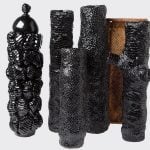
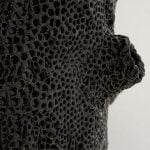
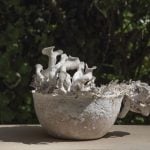
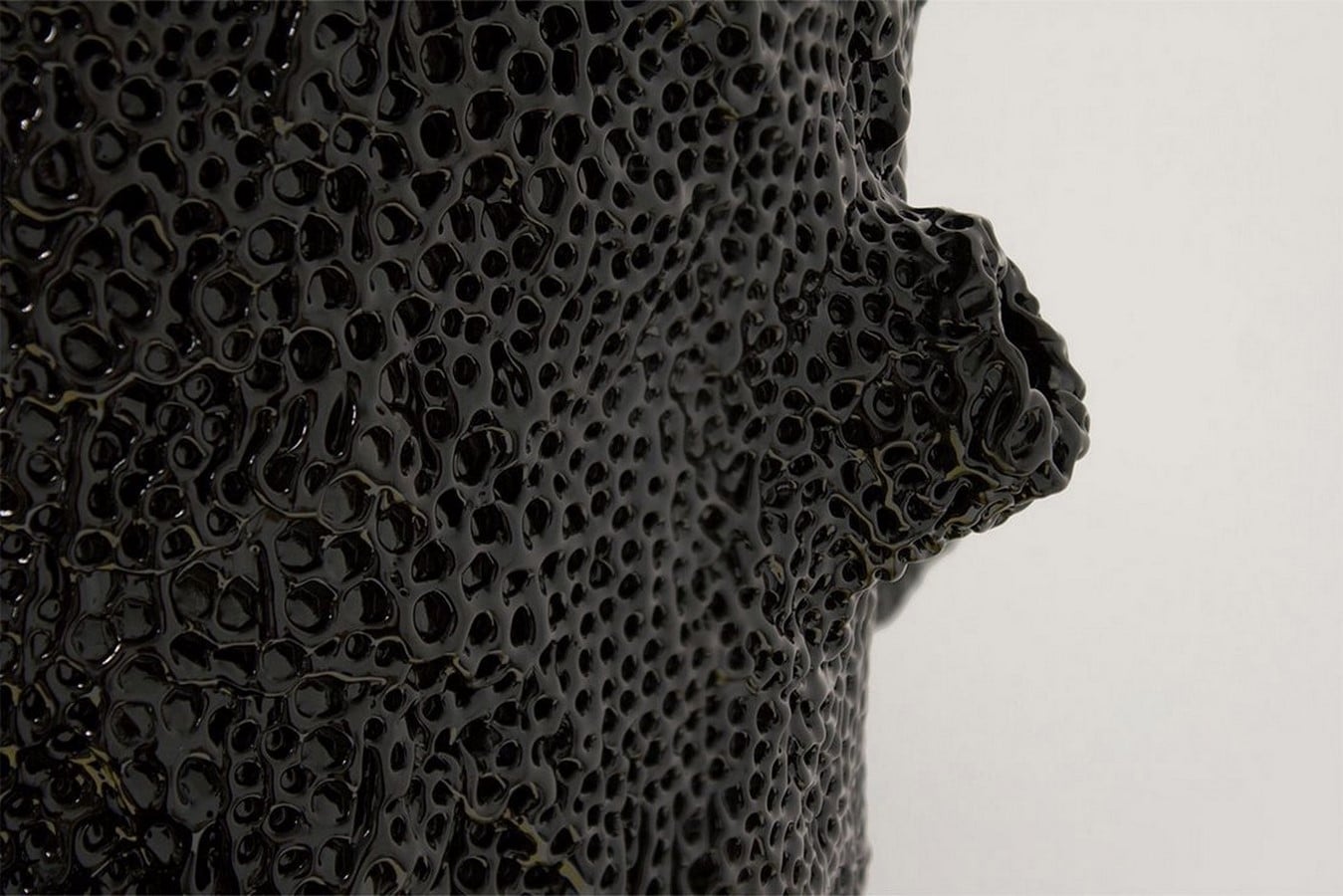
French designer Marlène Huissoud explores how insects can contribute directly to product materiality. Her work examines substances associated with bees and silkworms, including propolis and discarded cocoons.
Propolis is a resin-like material collected and processed by bees. In design applications, it can function as a natural coating or binding substance. Silkworm cocoons, meanwhile, offer a source of fibrous material. Huissoud’s work demonstrates how product designers can investigate materials produced by insects rather than merely shape them to resemble them.
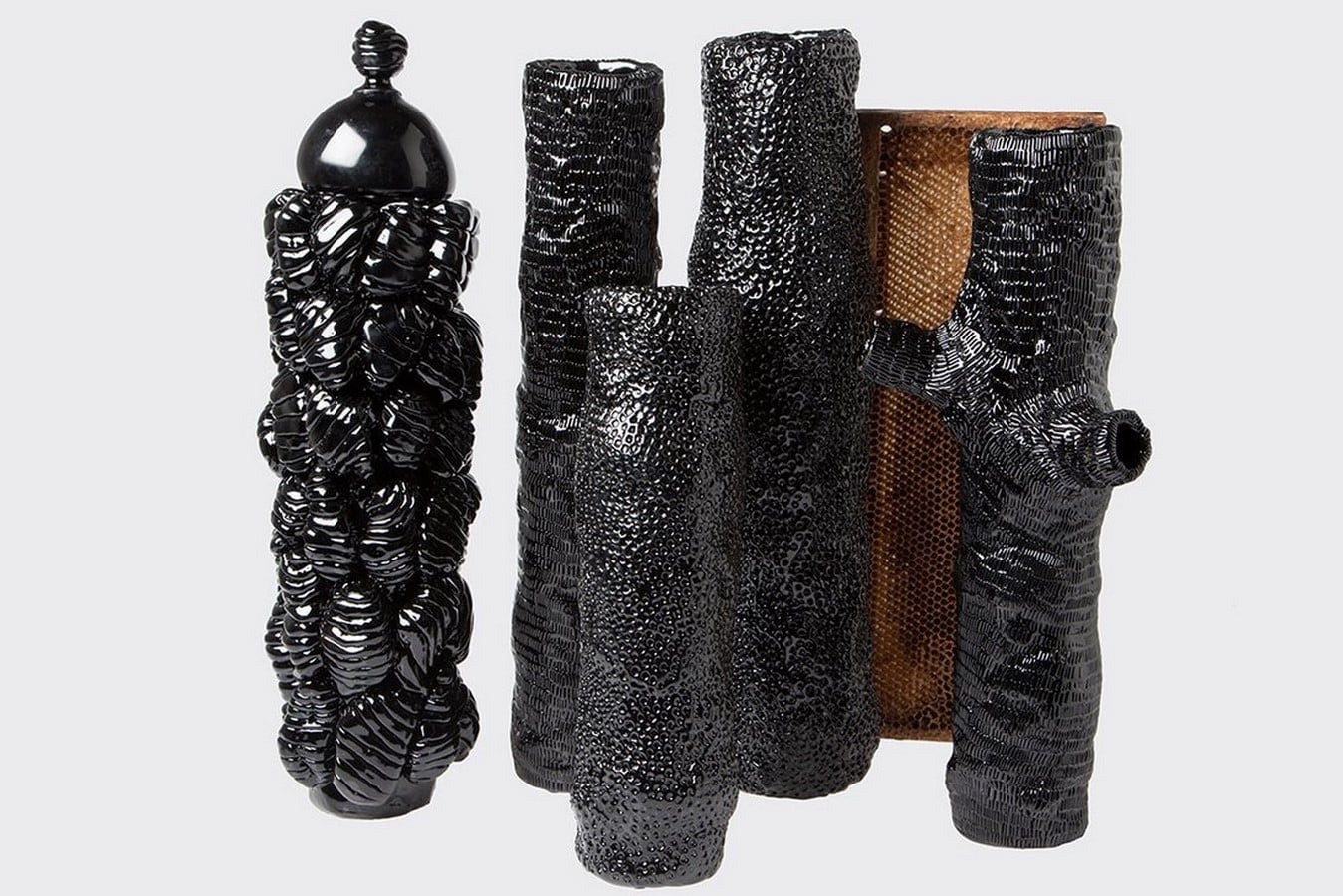
This changes the conventional relationship between designer and material. It requires assessing how the material performs, examining its properties, and understanding the ecological context that originally gave rise to the biological strategy. In Huissoud’s practice, the material carries a biological history. It is connected to an organism’s labour and behaviour.
The approach also introduces important questions. Are insects being respected as co-producers, or are they simply being treated as material resources? Does using an animal-produced material reduce environmental impact, or does it create new ethical and logistical concerns? These questions are especially relevant if such materials are considered for wider product manufacture rather than experimental objects.
Neri Oxman and Collaborative Fabrication
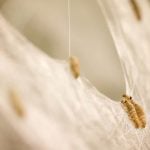
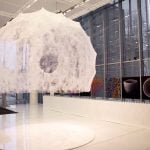
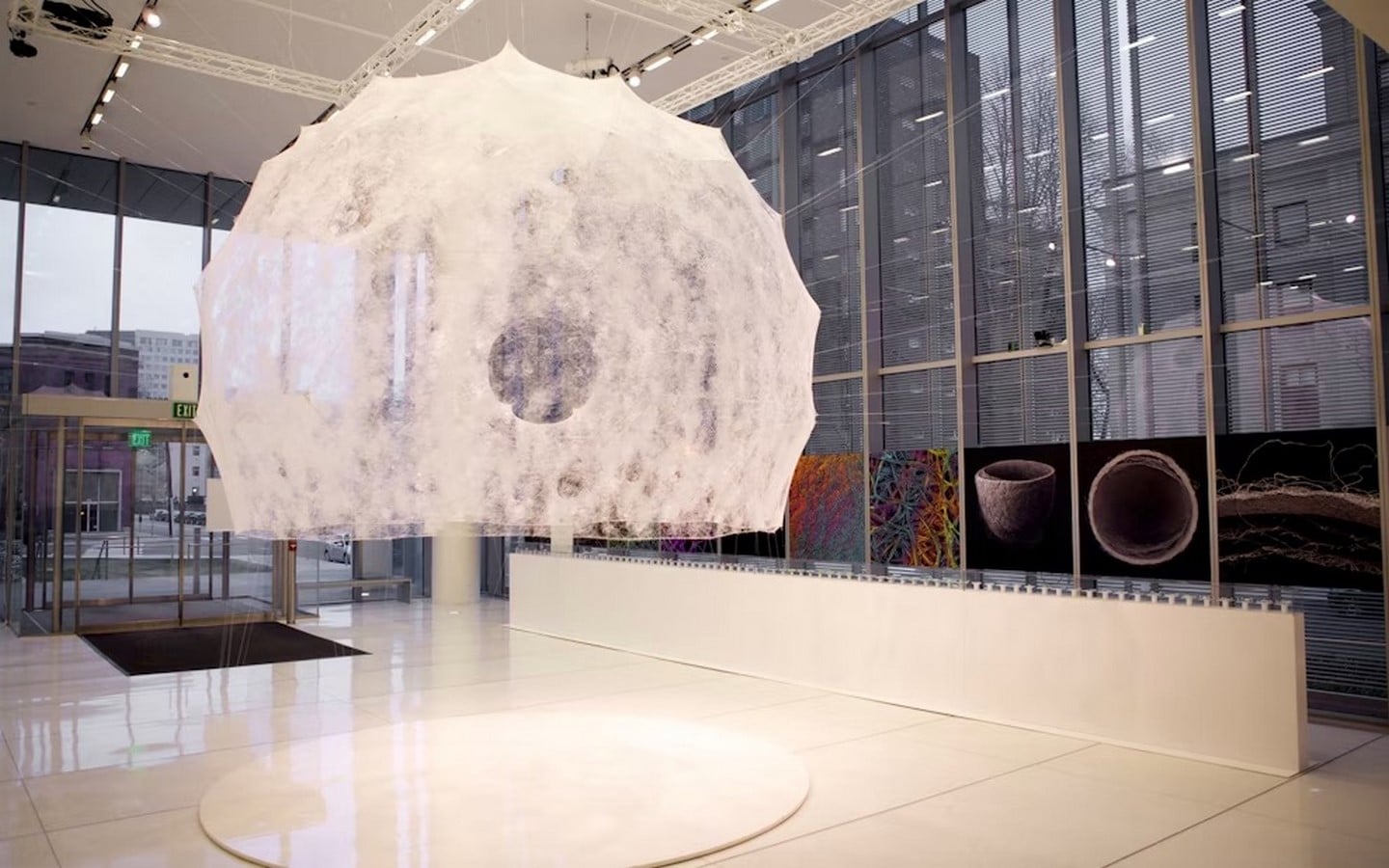
Neri Oxman’s Silk Pavilion offers another model for biological participation in product design. The project combined a digitally fabricated framework with the silk-producing behaviour of silkworms. The insects contributed material to a structure that had already been partially designed and constructed by humans.
The project is important because it presents fabrication as a collaboration between technological systems and living organisms. Instead of producing every component through machinery, the design process allowed biological activity to influence the final object.
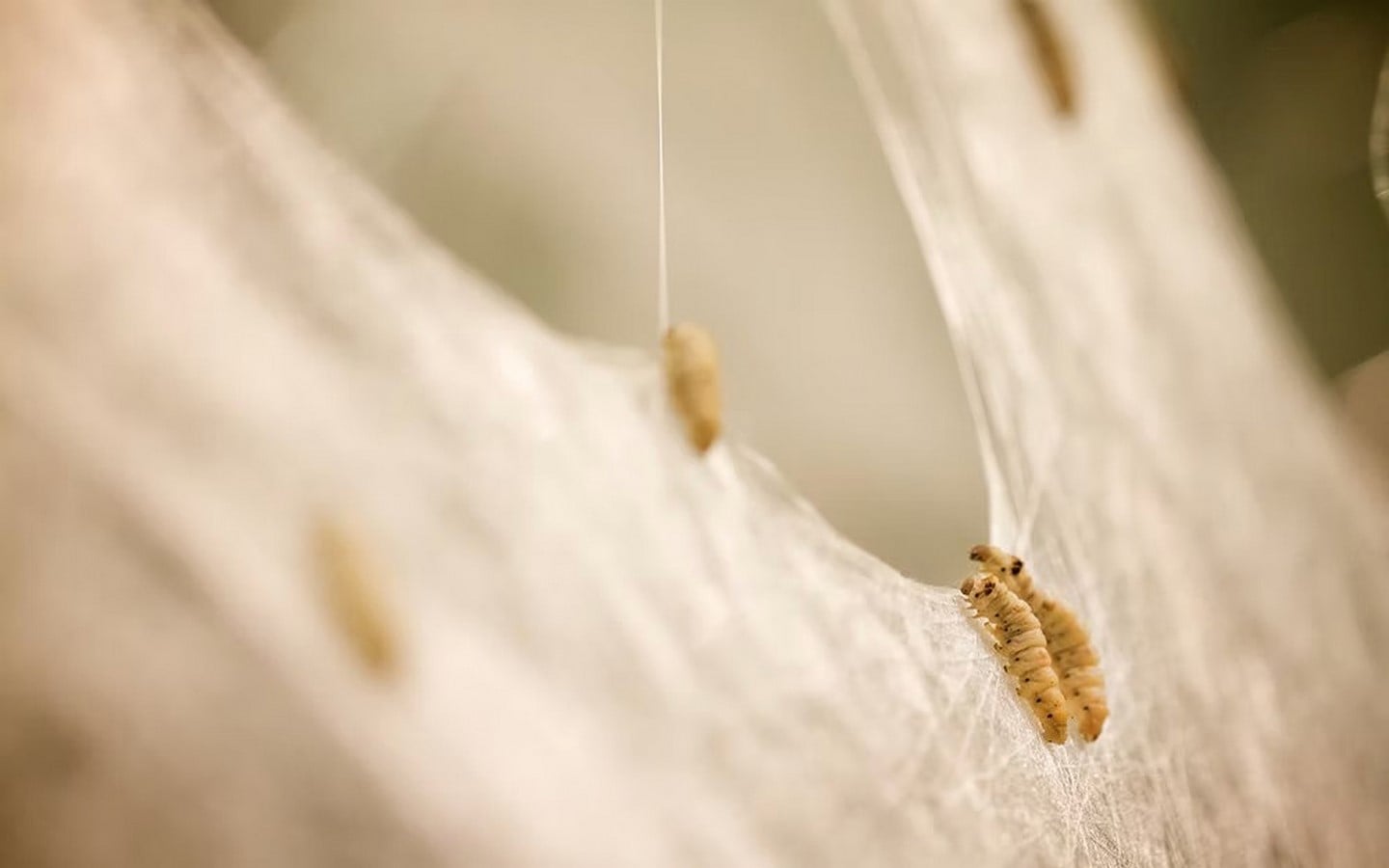
For product design, this suggests an alternative to conventional assembly lines. A product of the future could combine printed elements with components cultivated or shaped by living organisms. Implementing this type of process can minimise material waste and create distinctive surface attributes that are difficult to replicate with conventional production methods.
However, the Silk Pavilion should be understood as an experimental design project rather than proof that insect-based fabrication is ready to replace industrial production. Scaling such a method would involve questions of time, hygiene, quality control, animal welfare, environmental conditions, and consistency. Demonstrating a concept through a prototype is not the same as proving the system could work commercially.
Maurizio Montalti and Mycelium
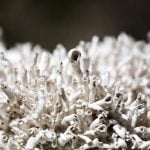
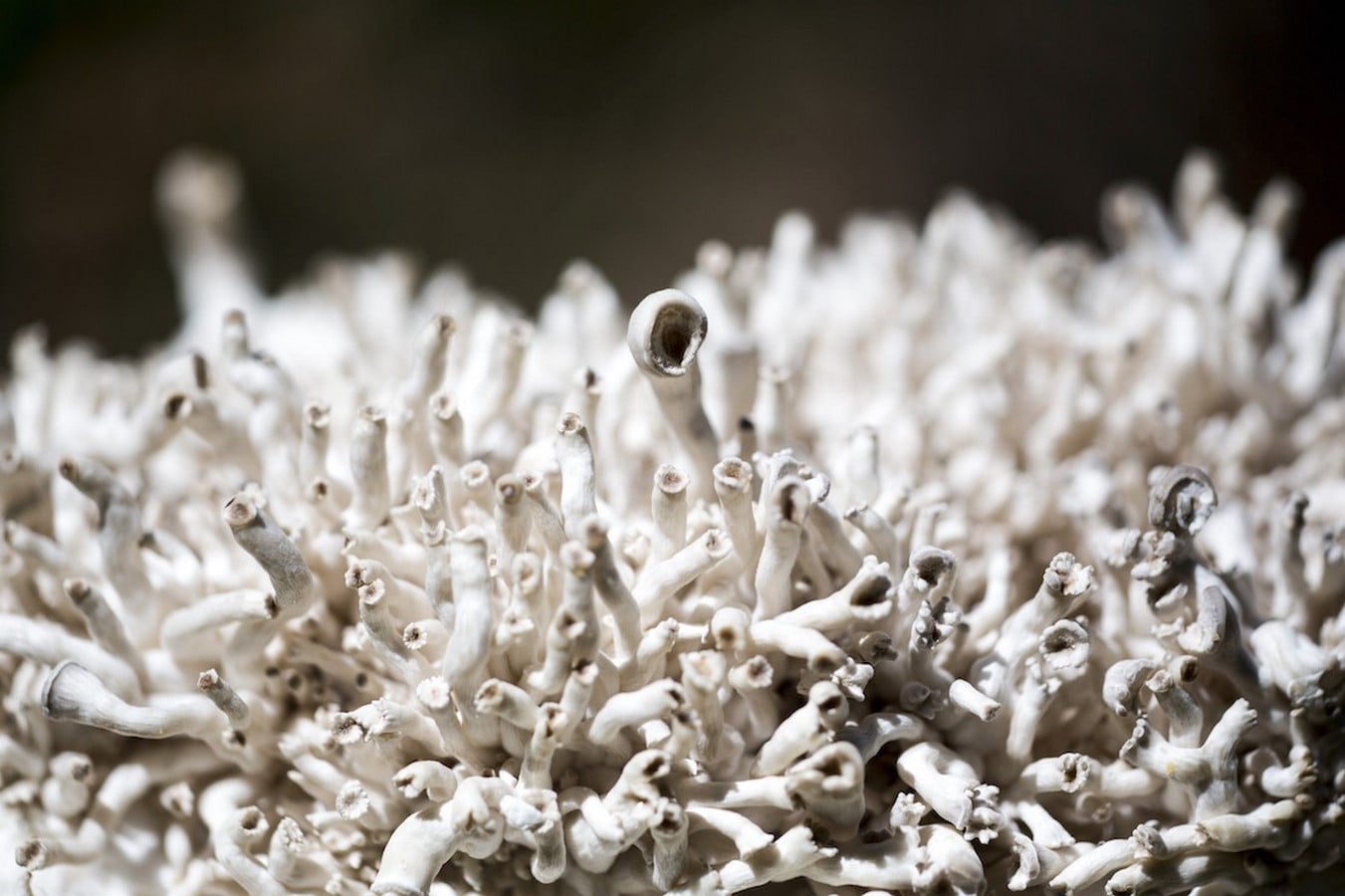
Fungi offer a further significant example of how materials can shape product design. Designer Maurizio Montalti has investigated mycelium, the thread-like network that forms the vegetative body of a fungus. Mycelium can grow through suitable agricultural or industrial waste and bind particles into a composite material.
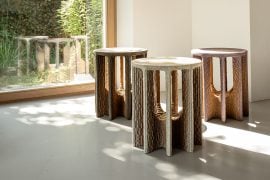
This process has attracted interest in product categories such as packaging, acoustic panels, furniture components, interior products, and leather-like materials. The appeal lies in the potential to use biological growth to transform waste into useful forms.
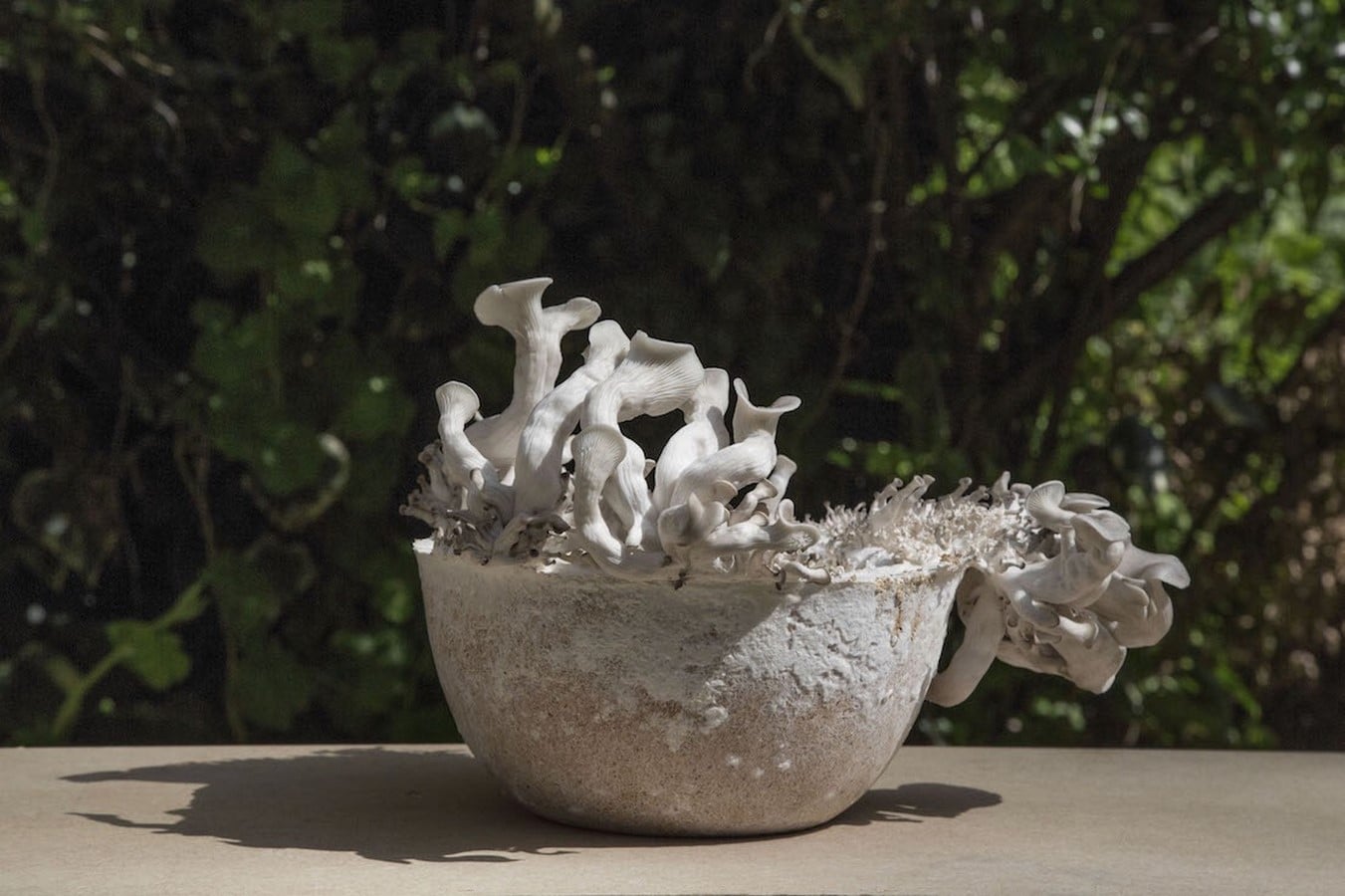
In product design, mycelium challenges the idea that materials must always be cut, carved, moulded, or chemically synthesised. A product component may instead be grown inside a mould. Once the desired form has developed, it can be dried and processed according to its intended use.
Yet “grown” is not shorthand for “sustainable.” Mycelium products can vary considerably in strength, water resistance, fire performance, durability, and finish. Coatings, additives, drying requirements, packaging, and transport can all affect their environmental performance. Their biodegradability also depends on the final product composition and the conditions under which disposal occurs.
The value of mycelium-based product design, therefore, lies not only in replacing one material with another. It lies in opening a broader investigation into waste streams, low-energy production, and biological manufacturing.
Designing Products for Pollinators: Alexandra Daisy Ginsberg
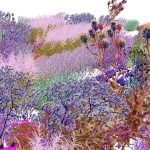
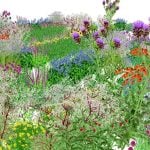
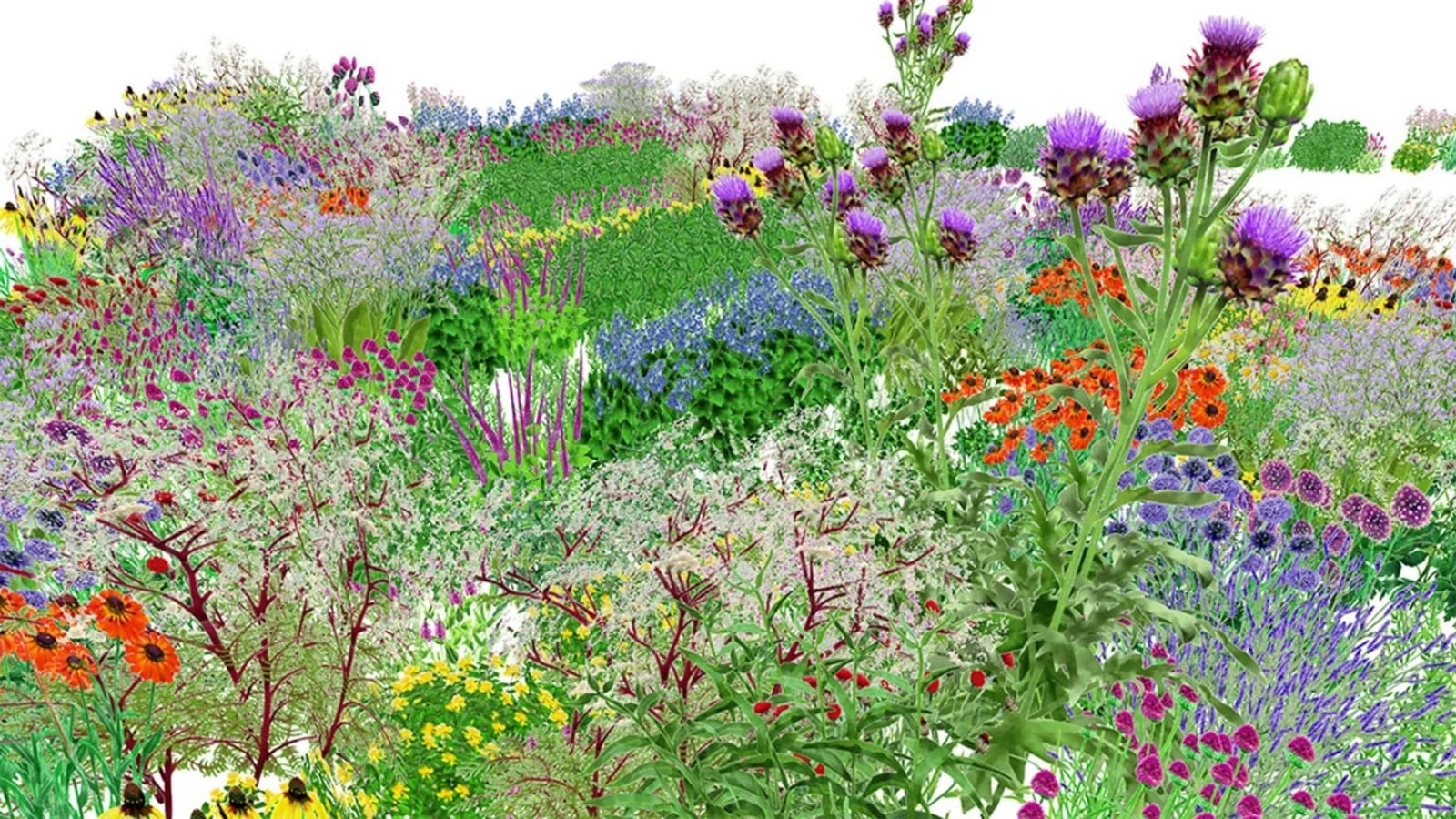
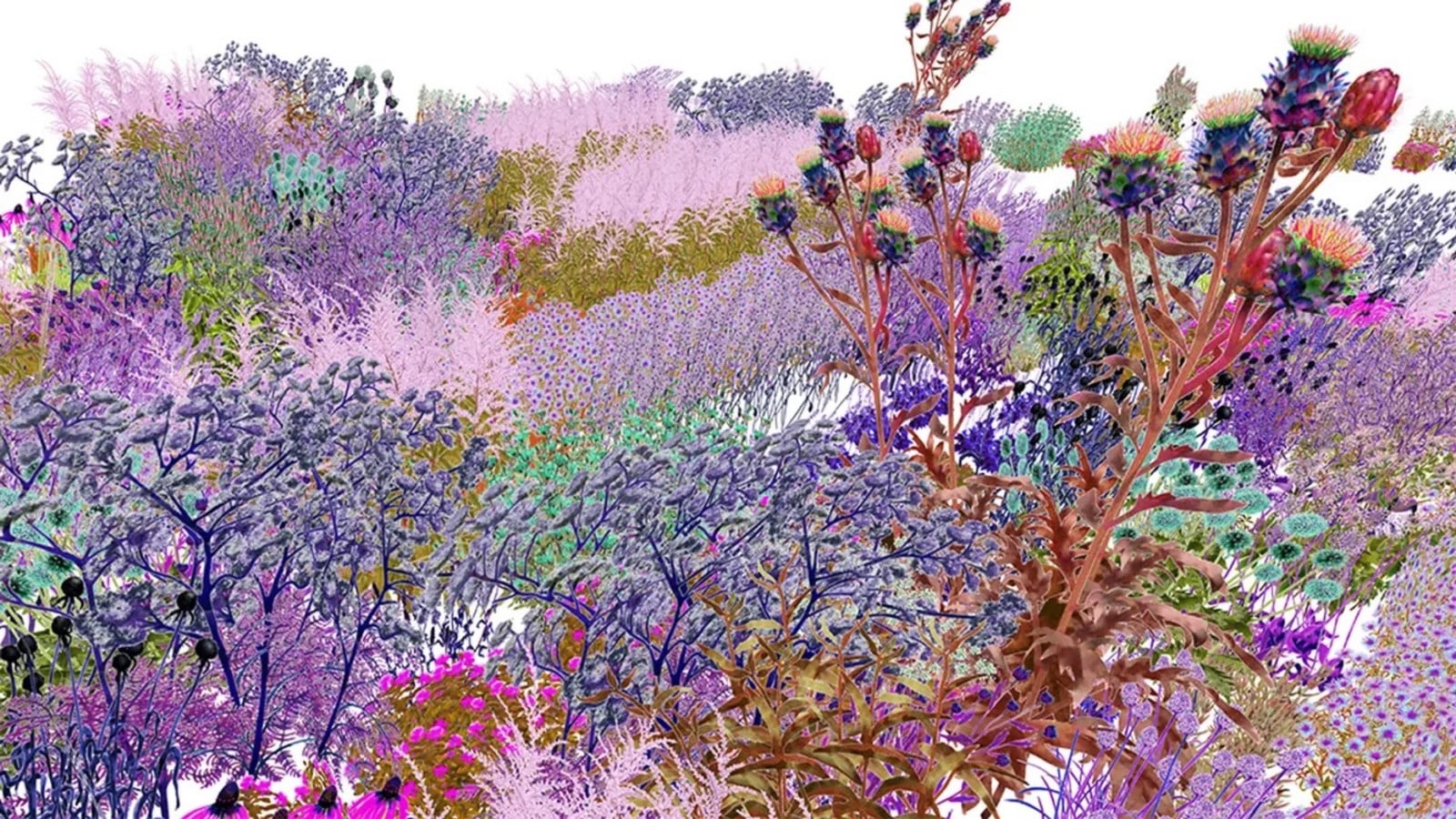
Alexandra Daisy Ginsberg’s Pollinator Pathmaker expands the meaning of the product user. Her project develops planting arrangements intended to support pollinating insects rather than being designed solely for human preferences.
Although planting is often treated as landscape design rather than product design, the project is relevant to product thinking because it treats a designed system as something that must respond to the needs of particular users. In this case, those users include bees and other pollinators.
A planting scheme for pollinators must consider factors such as flower accessibility, species diversity, seasonal blooming, and the sensory preferences of insects. These criteria differ from the visual priorities that often guide ornamental gardens. A planting arrangement may therefore be successful even when it is less symmetrical or less immediately attractive to people.
This concept extends to products and architectural elements found in cities. Items such as planters, balcony systems, street furniture, façade features, and modular garden units could be created with local pollinators in mind. How well they work would hinge on ecological study and the specifics of each location, not simply on how they look.
The goal isn’t to assume that every insect-friendly product automatically benefits biodiversity. For real impact, a product needs proper placement, ongoing upkeep, and a link to a broader habitat network. Absent these factors, something like an insect hotel, planter, or nesting feature risks becoming little more than a gesture.
Ethical Limits and Implications for Future Products
Biological product design raises ethical questions that cannot be resolved through appearance alone. Insects and animals may be treated as tools for innovation when designers control their movement, growth, or material production. Similarly, a product made from biological materials is not inherently sustainable; its environmental impact may include energy-intensive cultivation, processing, finishing, transport, short lifespan, or synthetic coatings that limit biodegradability. Designers must therefore evaluate the product’s complete life cycle, including material sourcing, effects on organisms, energy use, repairability, reuse, disposal, and scalability. Environmental value should be demonstrated through evidence rather than assumed from the use of natural materials.
Insect and animal logic can inform practical product innovations, including lightweight structures, biologically inspired packaging, fungal materials, and products that support urban habitats. However, these applications must combine biological insight with technical requirements such as safety, usability, durability, cost, and manufacturability. The future of biomimetic product design is therefore not about replacing human design with nature, but about creating responsible partnerships among biological research, digital fabrication, material experimentation, and ecological knowledge.
Rethinking the Future of Product Design
Designers working with insect and animal logic are expanding the role of biology in product design. Their projects use insect-produced materials, incorporate animal behaviour into fabrication, grow materials with fungi, and create products or systems that support pollinators and other species.
Their work demonstrates that nature can inform product design at several levels: form, structure, material, process, use, and ecological relationship. However, biological inspiration is not a guarantee of sustainability. Each product must be assessed based on its environmental impact, technical performance, ethical implications, and its ability to function beyond the prototype stage.
The most important contribution of this movement may therefore be a change in the designer’s question. Instead of asking only, “What should this product look like?” designers are beginning to ask, “What living systems does this product depend on, affect, or support?” This reframes product design less as a matter of standalone objects and more as an exercise in taking a responsible part in a world we share.
References:
- Biomimicry Institute. (n.d.) What is biomimicry? Available at: https://biomimicry.org/what-is-biomimicry/ (Accessed: 9 August 2026).
- Biomimicry 3.8. (n.d.) Life’s Principles. Available at: https://biomimicry.net/the-buzz/resources/designlens-lifes-principles/ (Accessed: 9 August 2026).
- Biomimicry Toolbox. (n.d.) The biomimicry design process. Available at: https://toolbox.biomimicry.org/methods/process/ (Accessed: 9 August 2026).
- Marlène Huissoud. (n.d.) Projects and material research. Available at: https://www.marlenehuissoud.com/ (Accessed: 9 August 2026).
- Neri Oxman. (n.d.) Silk Pavilion and material ecology. Available at: https://oxman.com/ (Accessed: 9 August 2026).
- Mogu. (n.d.) Mycelium-based materials and products. Available at: https://mogu.bio/ (Accessed: 9 August 2026).
- Montalti, M. (n.d.) Officina Corpuscoli. Available at: https://www.officinacorpuscoli.com/ (Accessed: 9 August 2026).
- Alexandra Daisy Ginsberg. (n.d.) Pollinator Pathmaker. Available at: https://www.pollinator.art/ (Accessed: 9 August 2026).
- Dezeen. (2023) Animal-centric interspecies design goes “beyond sustainability”. Available at: https://www.dezeen.com/2023/11/23/interspecies-design-sustainability/ (Accessed: 9 August 2026).
- Houzz. (2020) Biodesign: Insects, fungus and bacteria could be the future of design. Available at: https://www.houzz.in/magazine/biodesign-insects-fungus-and-bacteria-could-be-the-future-of-design-stsetivw-vs~141920536 (Accessed: 9 August 2026).
- Royal Society Publishing. (2013) Silk Pavilion: A natural history of fabrication. Available at: https://royalsocietypublishing.org/doi/10.1098/rsif.2012.0940 (Accessed: 9 August 2026).
- American Chemical Society. (2023) Sustainable mycelium-bound biocomposites: Design strategies, materials properties and emerging applications. Available at: https://pubs.acs.org/doi/10.1021/acssuschemeng.3c00831 (Accessed: 9 August 2026).
- European Commission. (2010) International Reference Life Cycle Data System Handbook: General guide for life cycle assessment. Available at: https://eplca.jrc.ec.europa.eu/ (Accessed: 9 August 2026).
- International Organization for Standardization. (2006) ISO 14040: Environmental management—Life cycle assessment—Principles and framework. Available at: https://www.iso.org/standard/37456.html (Accessed: 9 August 2026).
- International Union for Conservation of Nature. (n.d.) Pollinators and biodiversity. Available at: https://www.iucn.org/ (Accessed: 9 August 2026).