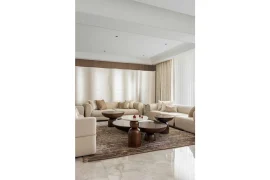
Furniture design is an intricate artwork form that goes a long way past aesthetics; it is approximately developing portions that might be purposeful, cushy, and visually attractive. As product designers, we understand the profound effect well-designed furniture can have on an area. Furniture can remodel a clean, empty room right into energetic, inviting surroundings, developing studies and enhancing the pleasant existence of customers.

The core of furniture layout lies in the ability to be of great use to the person who didn’t expect it. This person-centred approach is fundamental within the layout manner. As Steve Jobs quotes, “Design is not something about how it looks like and feels like, rather design is the way it works,” emphasising the importance of capability. When designing fixtures, we should take into account ergonomics, usability, and the precise desires of the audience.
For example, designing office chairs involves accounting for long hours of use, making sure they offer adequate lumbar help and promote correct posture. In designing a toddler’s table, issues around protection, size, and ease of use come into play. The end aim is to create portions that seamlessly mix into the user’s lifestyles, enhancing their daily stories.
Understanding the Space
Furniture doesn’t exist in isolation; it interacts with the gap it occupies. As designers, we need to recognize the spatial context wherein our designs can be positioned. This entails considering the dimensions, layout, and features of the space. For instance, a massive, open-plan dwelling region may also benefit from modular fixtures that can be without problems rearranged to match one-of-a-kind sports, at the same time as a small studio apartment may require multifunctional pieces that maximise area performance.
Saul Bass said, “Design is wandering made visible.” This quote encapsulates the idea that desirable design is set, making considerate choices on how a piece of furnishings will fit into and interact with a given space. It’s about visualising the quiet use and making sure that the design no longer only seems suitable but also works nicely within its intended surroundings.
Transforming Spaces

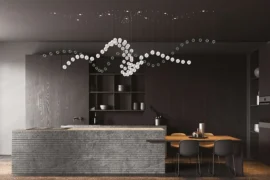
Furniture has the energy to transform areas in profound ways. It can define areas within a room, create focal points, and even impact the mood and environment. A nicely designed piece of furniture can act as an anchor in a room, imparting a sense of shape and concord. For instance, a dining desk can function as the centrepiece of an eating room, drawing humans together and encouraging social interplay.
Additionally, furnishings may be used to create a feel of going with the flow within an area. By cautiously considering the location of each piece, designers can manually motion and create intuitive pathways. This is particularly vital in open-plan spaces where defining distinct zones without using partitions may be difficult. Furniture can function as herbal dividers, creating awesome areas for eating, lounging, and operating even as preserving an experience of openness.
Material and Craftsmanship
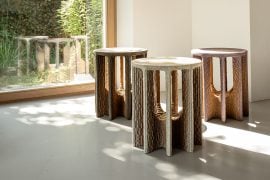
The desire for materials and the satisfaction of workmanship play a critical position in fixture design. Materials can substantially affect the look, experience, and sturdiness of a bit. Natural materials like wood and leather upload warmth and man or woman, while metals and glass can create a graceful, present-day aesthetic. The selection of substances needs to be pushed using both aesthetic and functional issues, making sure that the piece not handiest appears top but also stands the take a look at time.
Craftsmanship is equally critical. Well-crafted furnishings no longer look better but also perform better and last longer. Attention to elements in the production procedure could make a considerable difference in the final product. This includes the whole lot from the joinery techniques used to the first-rate finishes carried out. Charles Eames said, “The information isn’t the details. They make the design,” highlighting the significance of meticulous craftsmanship in developing terrific furniture.
Sustainability in Design
In contemporary international, sustainability is a key interest in furnishings design. As designers, we must be bound to create merchandise that limits bad environmental effects. This includes the usage of sustainable materials, design that would last long, reusability of the product and thinking about the end of the product. For instance, the usage of recycled or renewable substances can lessen the ecological footprint of a chunk. Designing fixtures that are durable and timeless guarantees that they’ll now not want to be replaced frequently, reducing waste.
Moreover, thinking about the stop-of-existence of furnishings is important. Designing pieces that can be without problem disassembled and recycled guarantees that they do not emerge as in landfills. This holistic method of format is essential for developing sustainable furnishings that bless each patron and the environment.
Emotional Connection
Furniture also can create an emotional reference to the client. A well-designed piece treats you with comfort, joy, or even nostalgia. This emotional connection can enhance the general experience of a space, making it more non-public and good-sized. For instance, a family heirloom piece of furniture consists of memories and recollections, which include the intensity and character of a room.
In designing furniture, we strive to create portions that resonate with users on an emotional stage. This includes expertise in the cultural and personal contexts wherein our designs may be used. By tapping into those emotional elements, we can create furnishings that now not simplest meet functional goals but also enrich the lives of the clients.
The Future of Furniture Design

Looking in advance, the destiny of fixture design is interesting and full of opportunities. Advances in generation, consisting of 3-D printing and clever substances, are organising new avenues for innovation. These technologies allow for extra customization and versatility, permitting designers to create pieces that might be tailor-made to the appropriate needs and alternatives of the man or woman.
Furthermore, the combination of clever technology into furniture is turning us into more and more acquaintances. From adjustable beds that reply to your sleep patterns to desks that remind you to take breaks, clever furnishings are improving the manner we interact with our areas. This fusion of generation and layout gives infinite possibilities for creating extra intuitive, responsive, and customised environments.
In conclusion, furnishings design is a multifaceted area that blends functionality, aesthetics, and consumer-centric questioning. By expertise in the needs of the end person, the context of the space, and the importance of substances and craftsmanship, designers can create portions that rework areas and enrich lives. As we circulate forward, embracing sustainability and technological advancements might be key to shaping the destiny of furniture design, ensuring that our creations are not handiest, stunning and functional but additionally accountable and ahead-thinking.