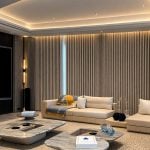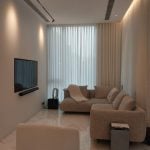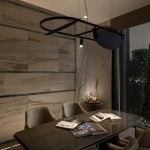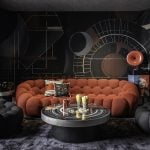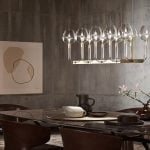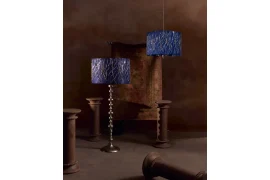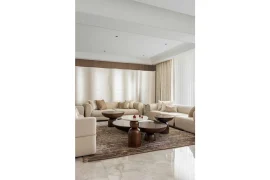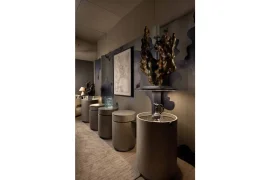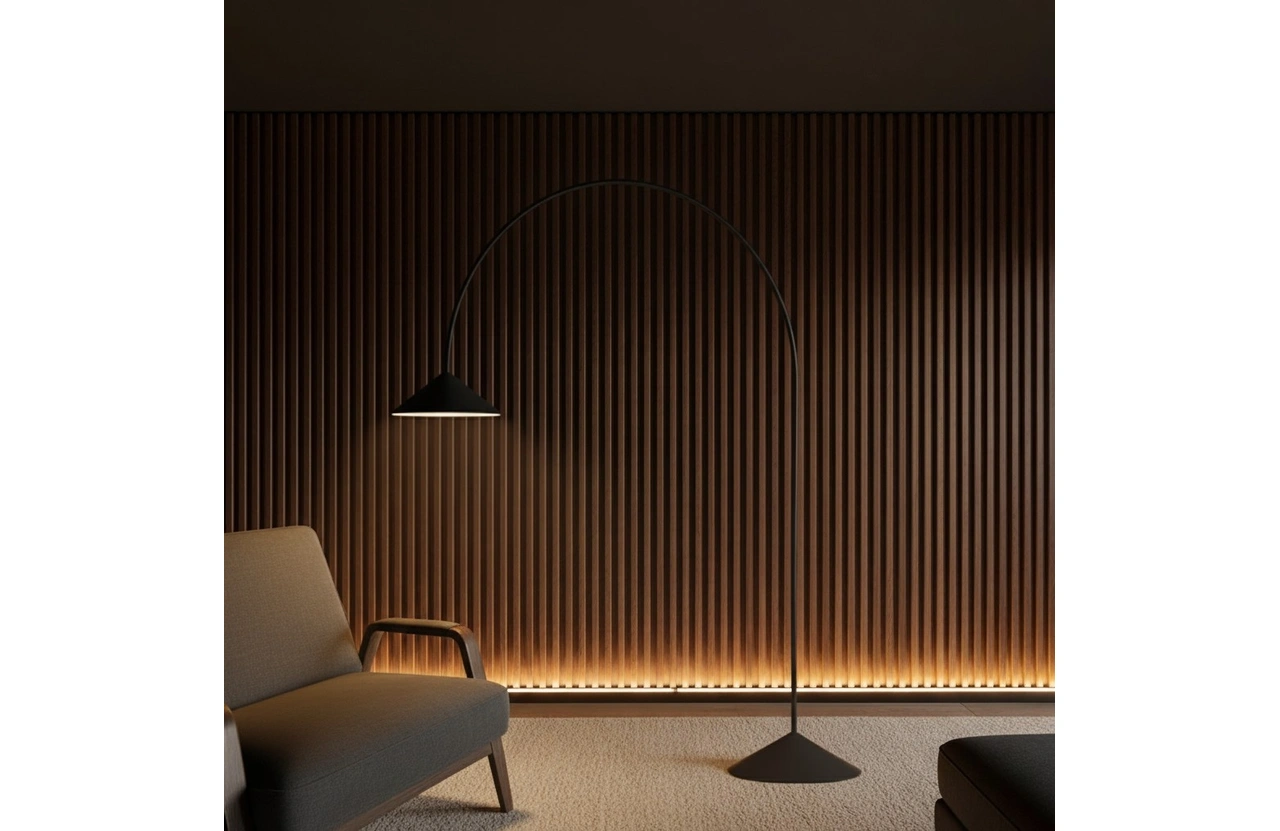
At 8 in the morning, the room feels different. The light is clearer, almost sharper, quietly pulling you into the day. By late afternoon, it softens just enough to keep pace with a slower rhythm. And by night, it settles into something warmer, more intimate, less about seeing, more about feeling.
Project Name: The Art of Layered Lighting
Studio Name: Mr. Light Illumination
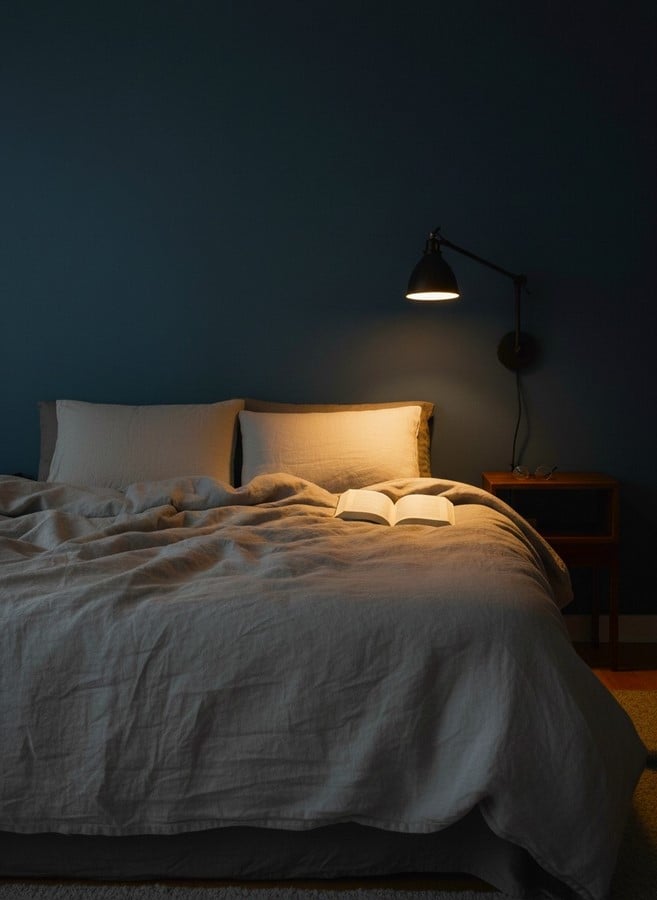
Nothing in the room has changed. The furniture is the same. The layout is untouched.
Only the light has shifted and yet, the entire space feels new.
For years, lighting has been reduced to a single, static decision, warm or cool. A choice made once, installed, and rarely questioned again. But the way we live has outgrown that simplicity. Our homes are no longer fixed on purpose. The living room doubles as a workspace. The kitchen becomes a social hub. Bedrooms hold both rest and routine. And yet, the lighting in most homes remains frozen in a single mood, expected to serve every version of the day.
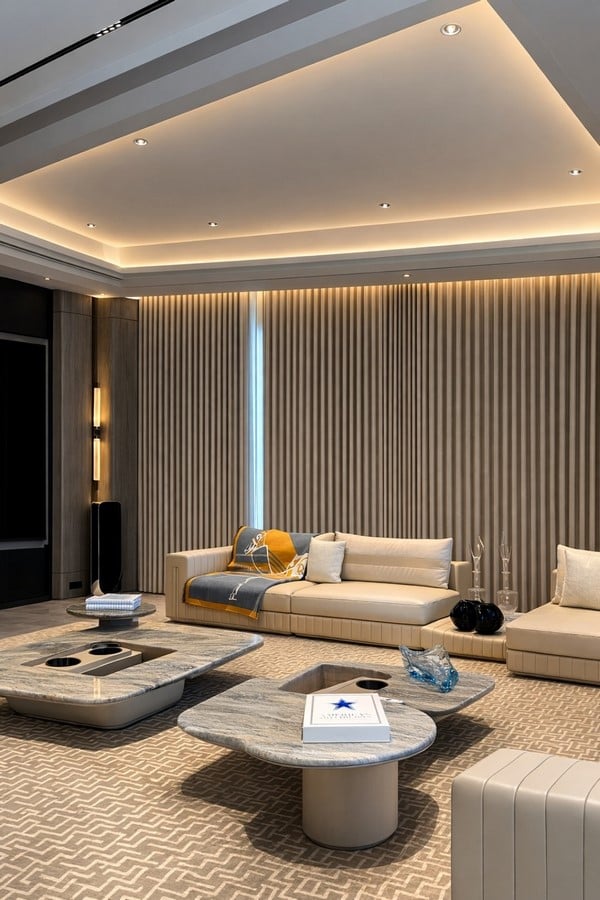
Mr. Light Illumination is challenging that idea, not by choosing between warm and cool, but by refusing to treat them as opposites at all. Instead, it approaches lighting as something more fluid, something that can shift, layer, and adapt in quiet response to how a space is actually used.
Because the truth is, no single tone of light can hold a room together across time. What changes, then, is not the room, but what the room asks of the light. This is where layered lighting begins to feel less like a design choice and more like a quiet choreography. A cooler, more focused layer steps forward when attention is needed. A warmer ambient glow gradually takes over as the day softens. Accent lighting flickers in and out of relevance, sometimes highlighting a texture, sometimes disappearing entirely. None of it is abrupt. None of it demands attention. But together, it allows the room to move through the day almost as seamlessly as the people within it.
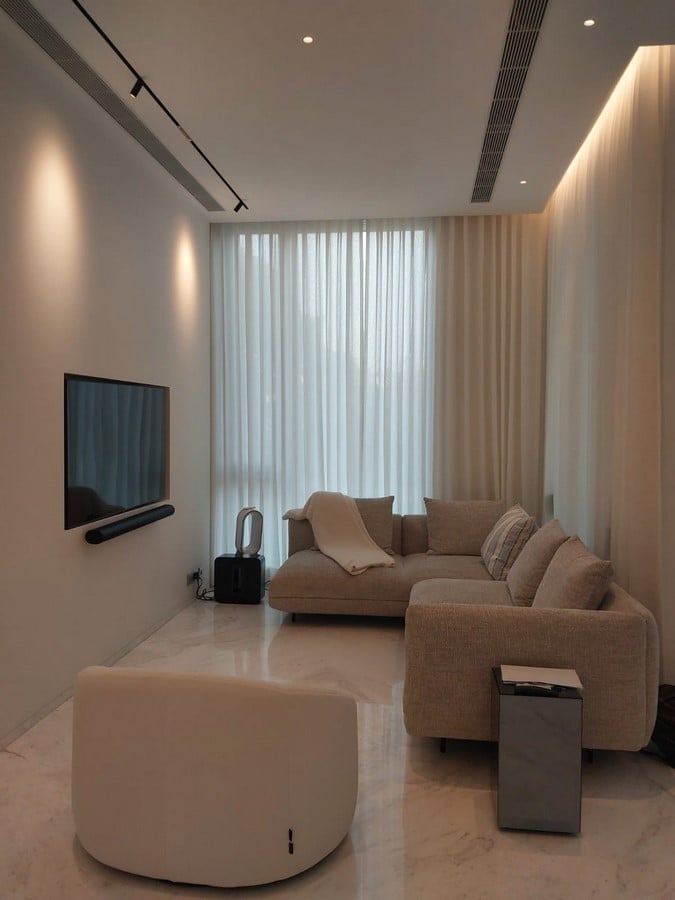
What Mr. Light is really proposing is not a new style of lighting, but a new way of thinking about it. Not as a product that fills a space, but as a presence that evolves within it. Not as a single decision, but as a series of small, almost invisible adjustments that make a space feel right, moment after moment.
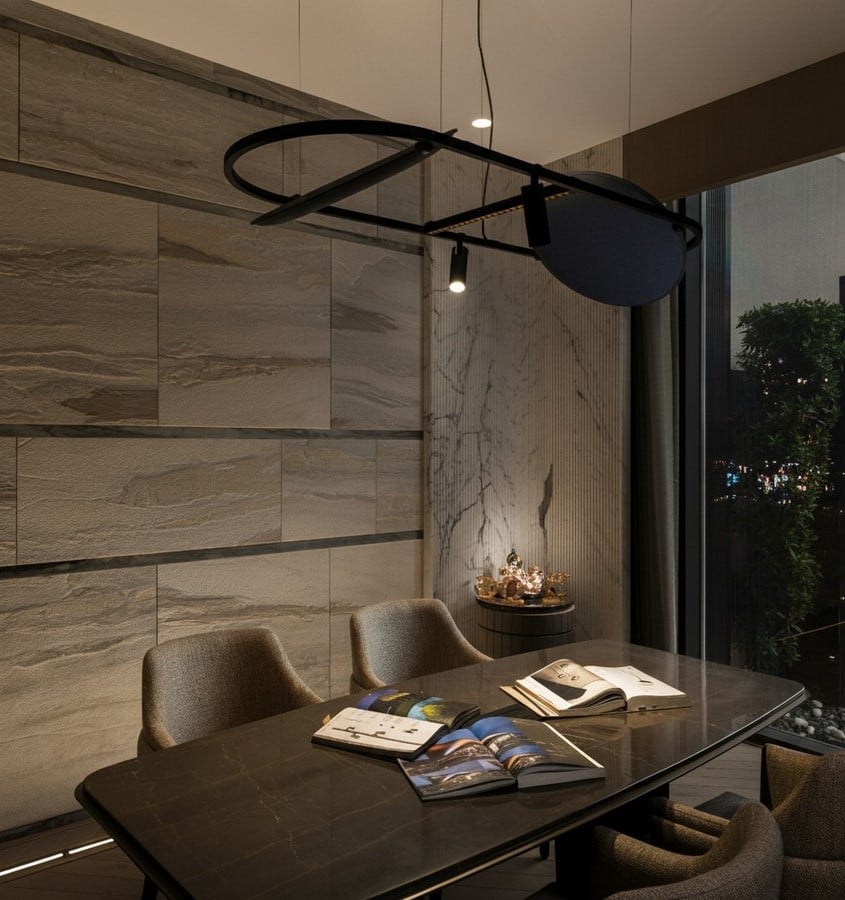
Because maybe the question was never about choosing warm or cool.
Maybe it was about allowing a space to change, just enough to keep up with us.