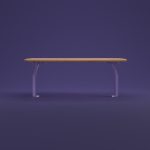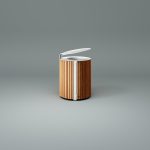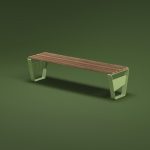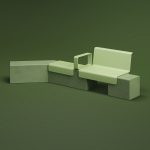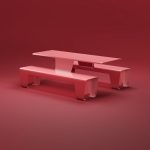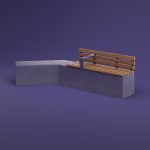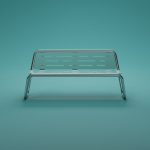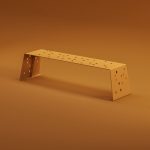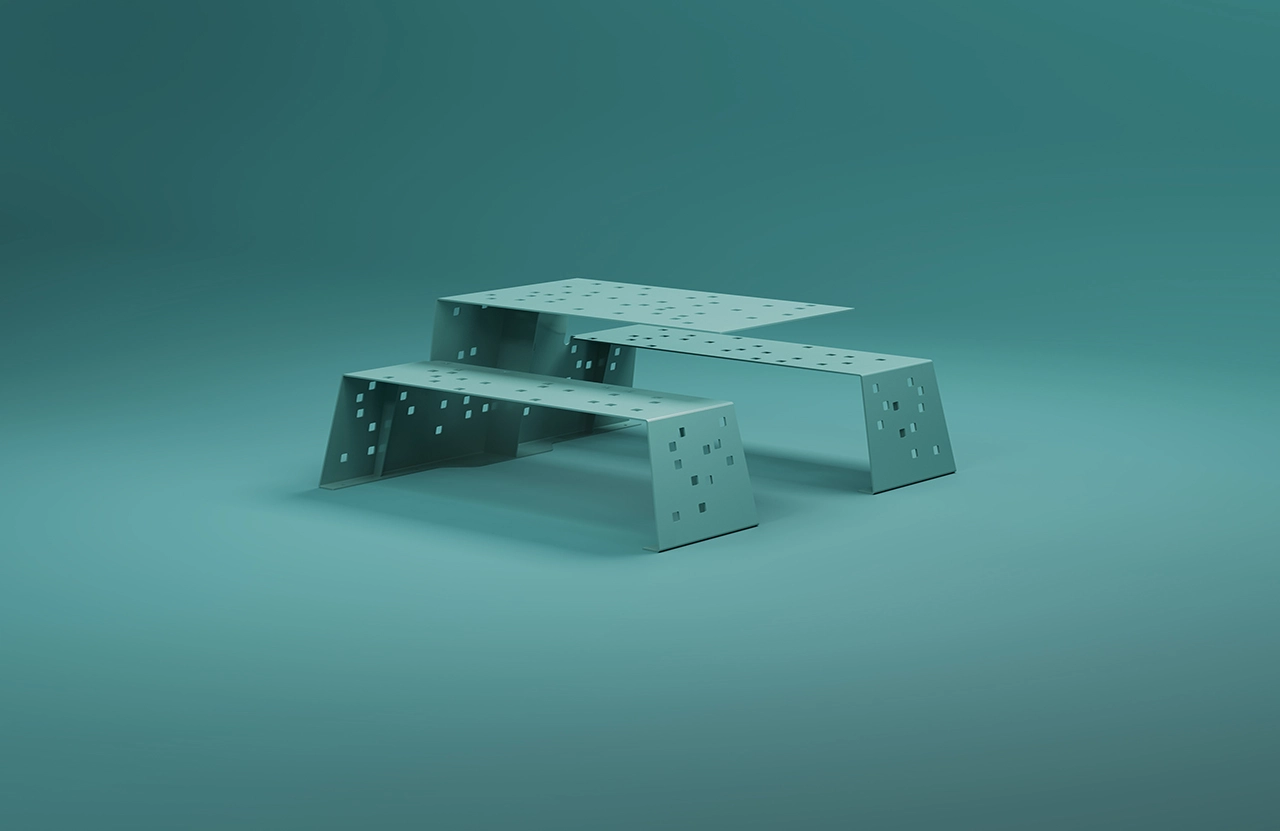
Creating a few high-quality renders is one thing — producing hundreds while maintaining the same level of precision and visual coherence is quite another. This was the task Vancouver-based studio Eight Station faced when Green Theory commissioned a complete visual catalog for its outdoor furniture line. The team responded by building an efficient, scalable workflow that combined speed, accuracy, and creative control.
Project Name: Green Theory project
Studio Name: Eight Station
Reimagining the Rendering Process
Conventional rendering methods tend to collapse under the pressure of large-scale projects. Managing endless models, textures, and revisions quickly becomes unmanageable, slowing teams down and jeopardizing consistency.
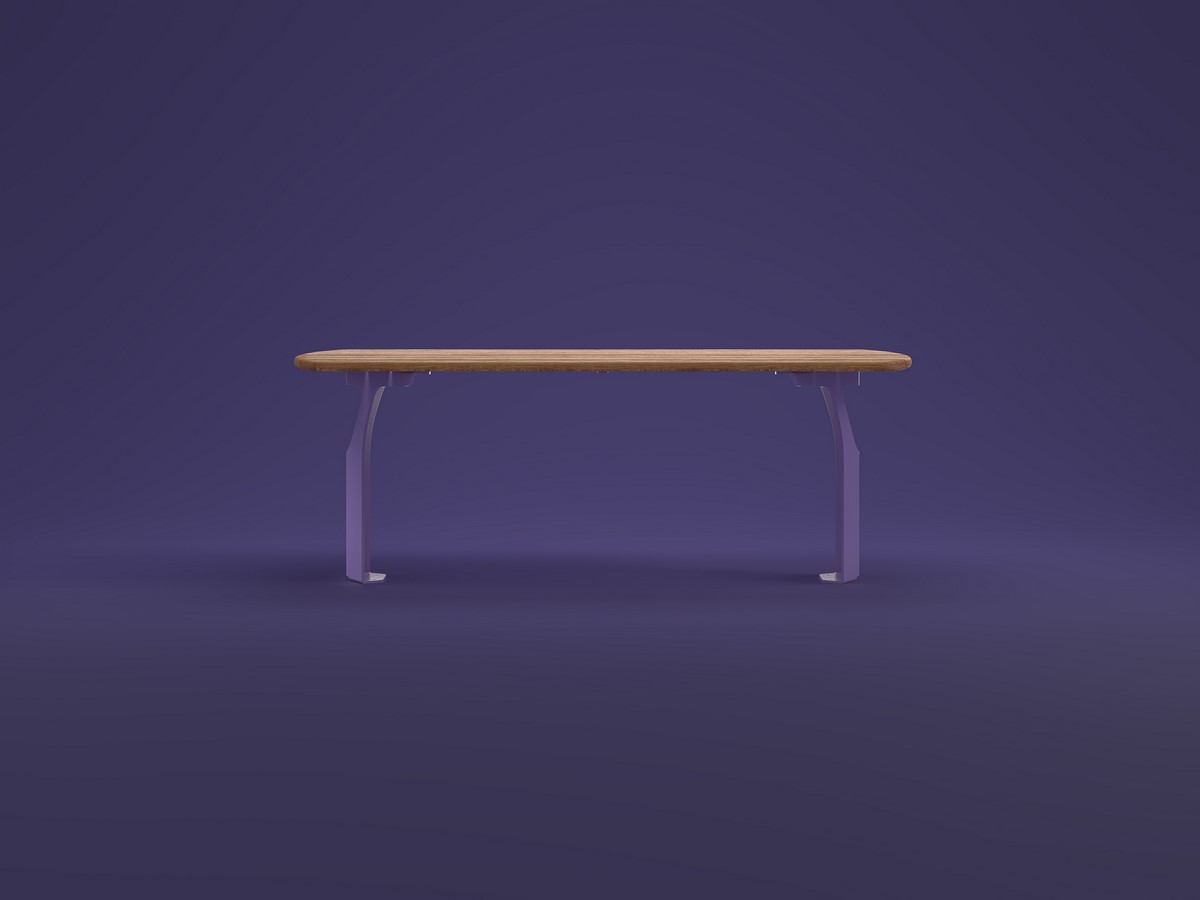
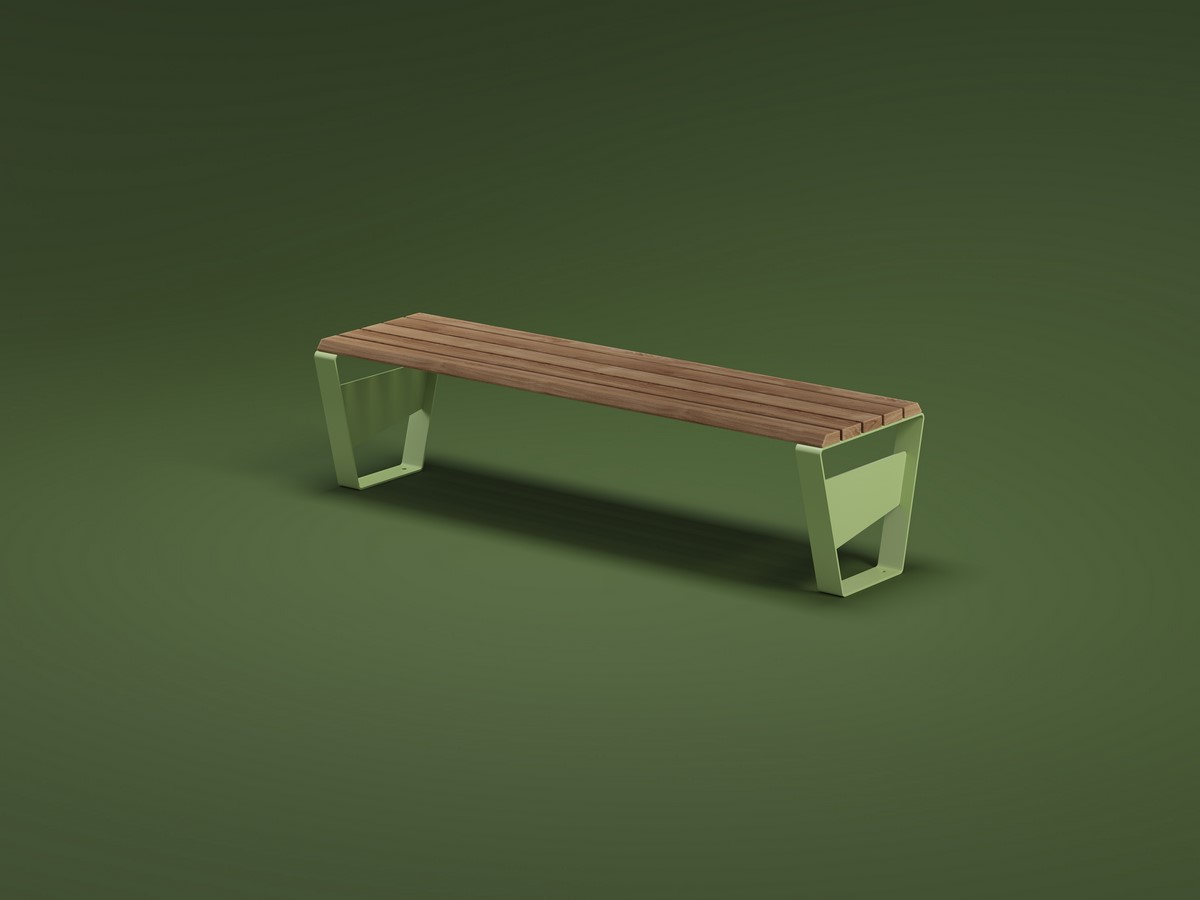
Instead of forcing a traditional workflow to fit an oversized project, Eight Station rebuilt the process from the ground up. For more than 150 furniture models — which ultimately produced 450+ final images — they designed a system optimized for repeatability and precision without compromising creative quality.
Making Collaboration Seamless with Figma
To eliminate scattered feedback and time-consuming revisions, the studio moved the entire review cycle into Figma. Although it’s best known for interface design, the platform became a surprisingly effective hub for visual asset management.
Every render, variation, and feedback note lived on a shared board, where clients could instantly comment, approve, or suggest changes. This centralized approach minimized email chains and miscommunication, allowing for a much faster and clearer approval process.
Consistency Through a Dual-Pass Rendering Setup
Achieving visual consistency across hundreds of images — particularly in lighting and shadows — was another major challenge. To streamline this, Eight Station implemented a two-pass rendering workflow:
- a beauty pass with transparency
- a shadow pass with isolated ground shadows
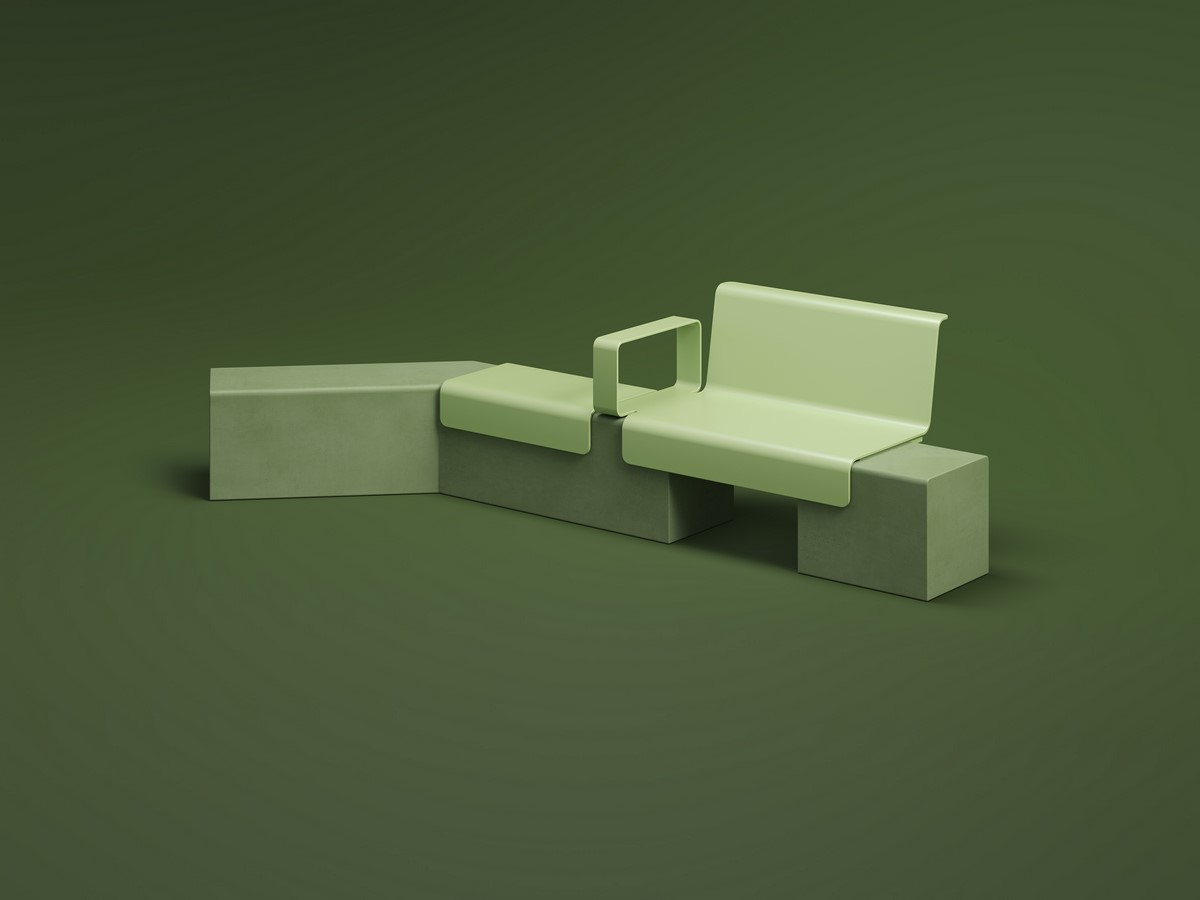
Merging these layers during post-production allowed for uniform backgrounds while preserving the natural shadows that make each render look real. It also eliminated the need for manual retouching across hundreds of files.
Capturing Authentic Materials from the Source
Rather than relying solely on pre-made digital textures, the team took a hands-on approach. They visited Green Theory’s factory to scan real materials, capturing subtle variations in texture, tone, and finish.
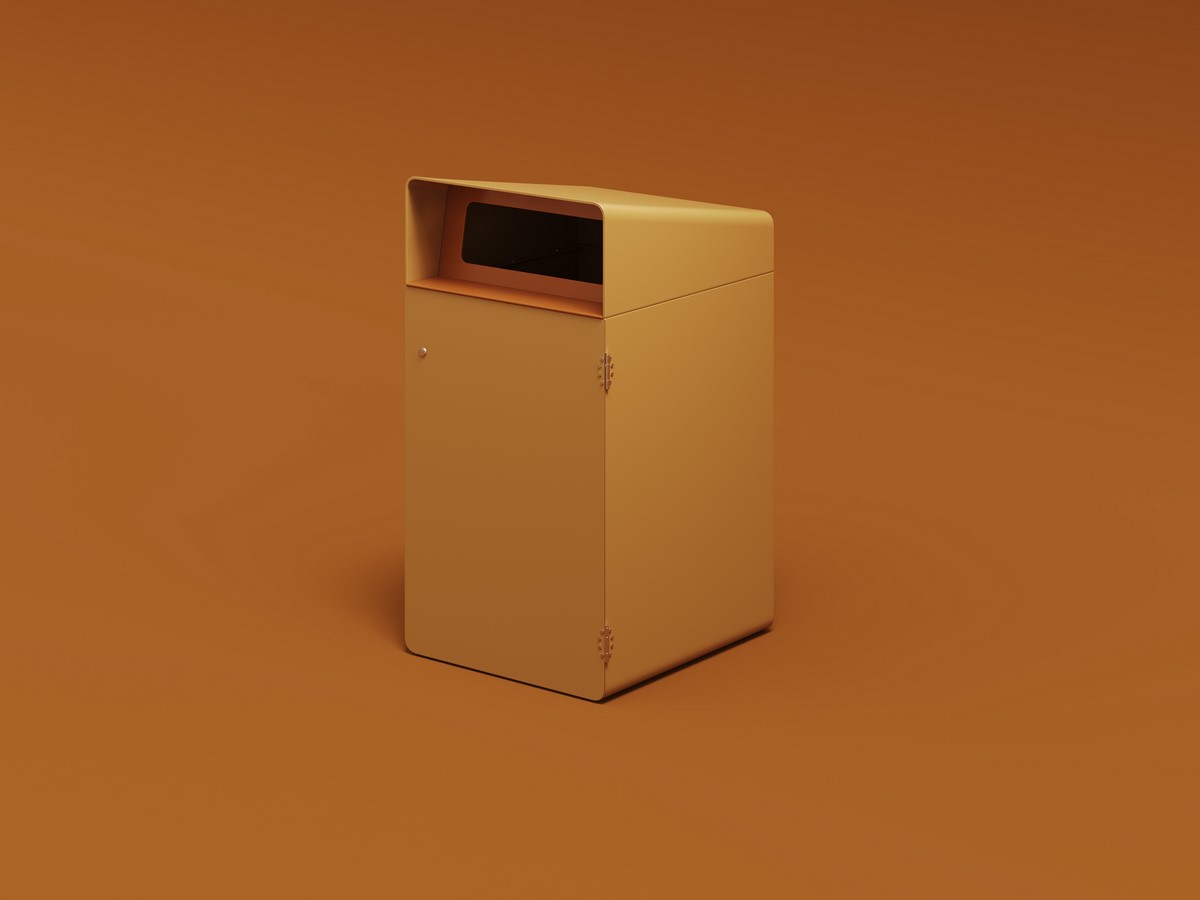
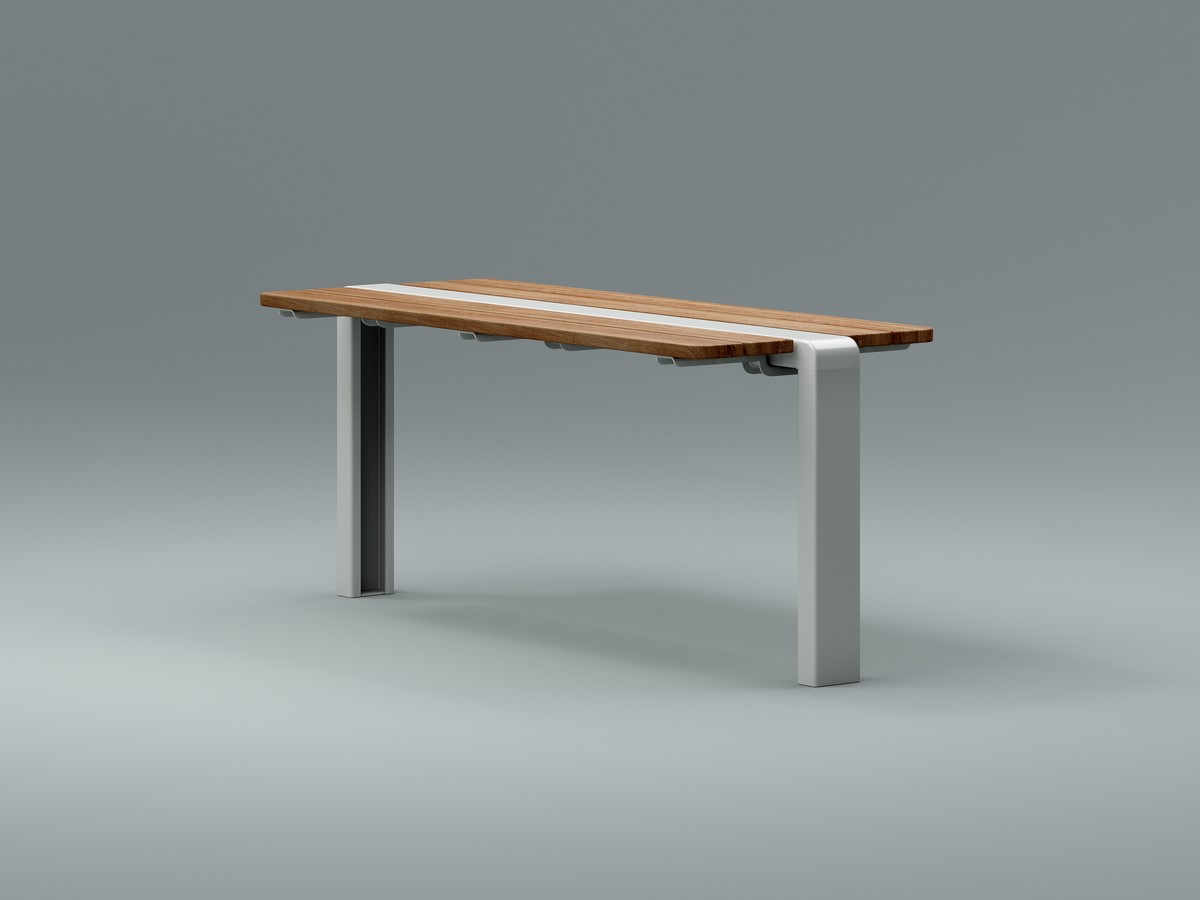
This effort resulted in a custom material library featuring over 15 powder-coat colors, diverse wood species, and multiple stainless-steel finishes — ensuring that every image faithfully reflected the actual product options.
Perfecting Metal Reflections with Ray Switch Materials
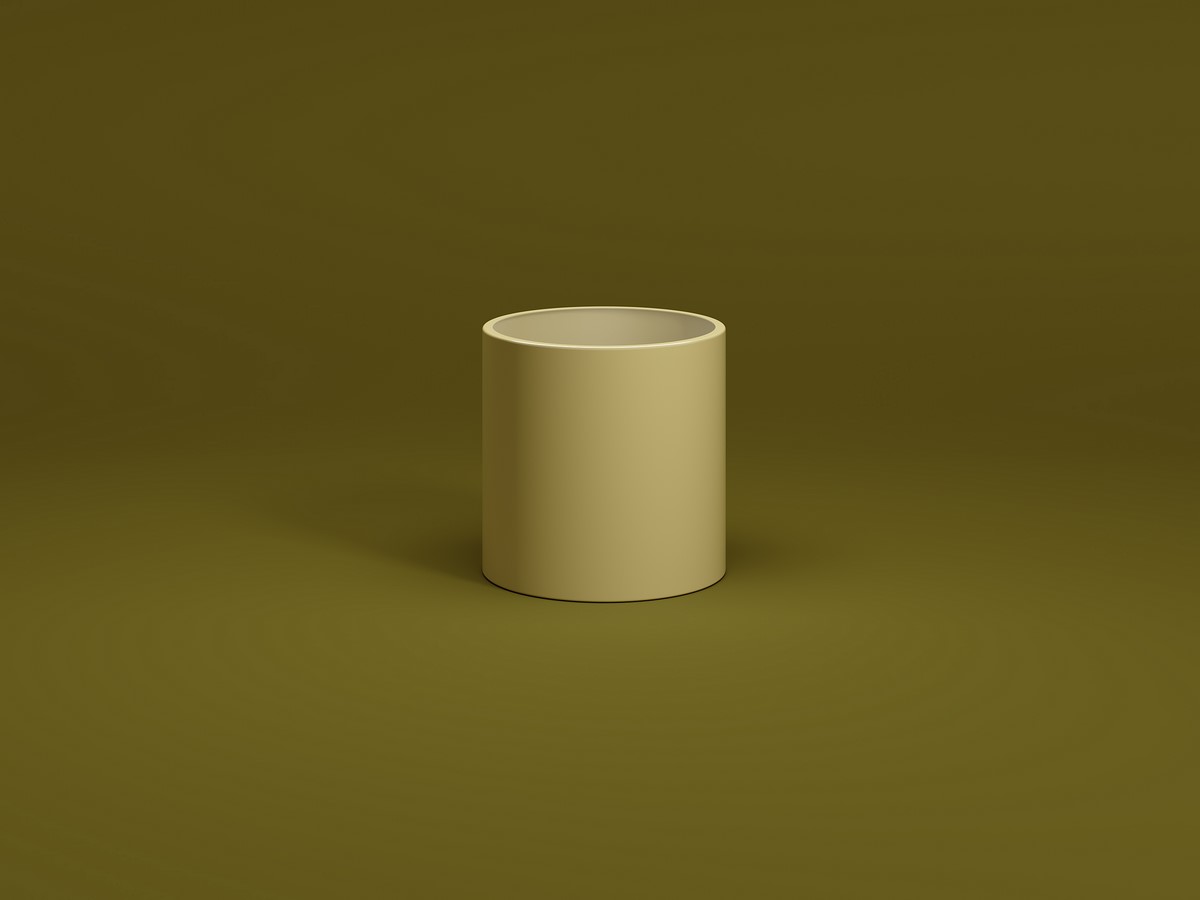
Highly reflective materials, especially stainless steel, often cause unwanted glare and visual noise. Eight Station solved this using Corona Ray Switch Materials, adjusting reflection behavior to limit interference from global illumination while keeping natural highlights intact. This gave them precise control over reflections and a clean, realistic look across the entire collection.
Building a System That Fuels Creativity
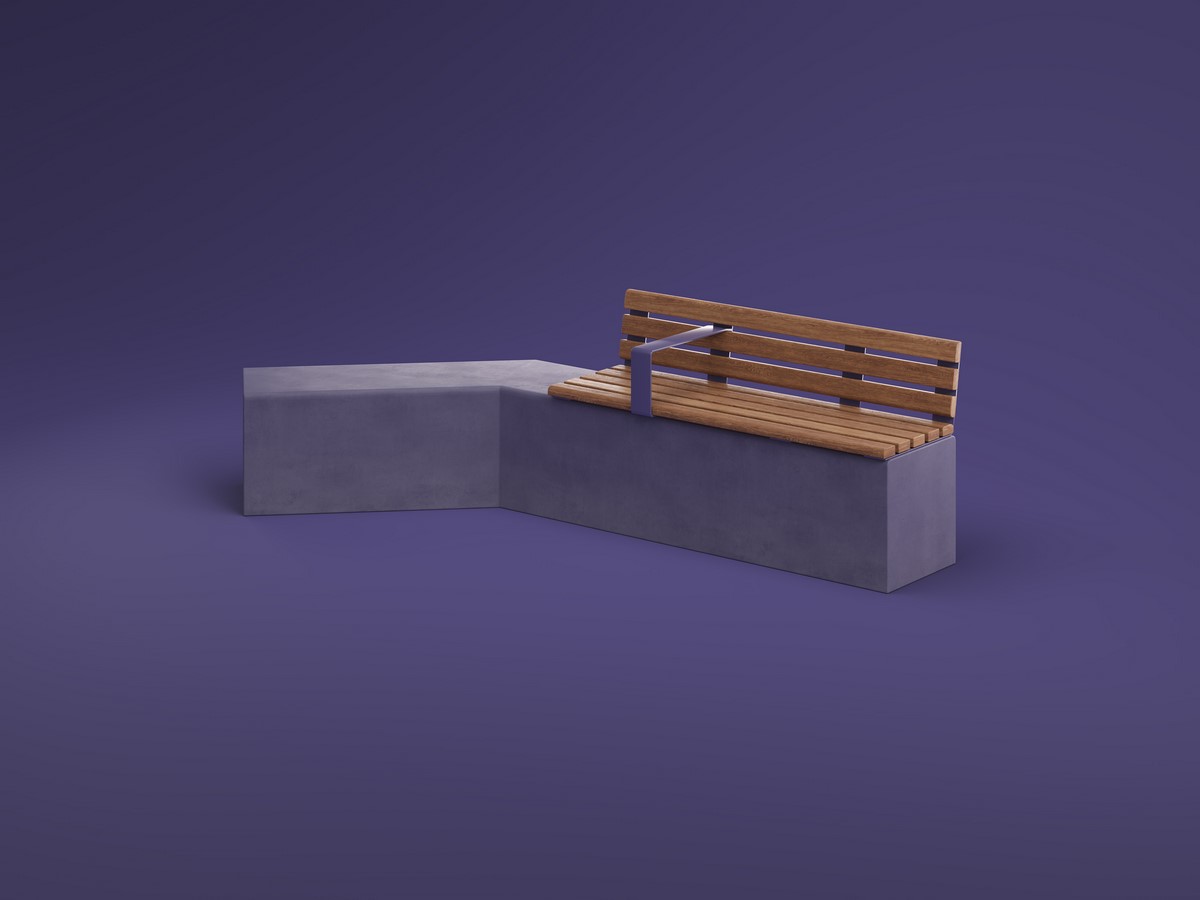
For Eight Station, this wasn’t just about producing images — it was about designing a creative system that scales. By automating repetitive processes, structuring file management, and defining clear feedback loops, the studio ensured that every image met the same standard of quality while staying on schedule.
Core Tools That Powered the Workflow
- 3ds Max 2025 – complex 3D modeling
- Corona Renderer 12 – lifelike rendering results
- Photoshop automation – efficient post-processing
- Figma – collaborative review platform
- Google Drive – organized asset storage
Key Insight
Eight Station’s collaboration with Green Theory illustrates how creativity and structure can work hand in hand. With a well-designed workflow, high-volume visualization projects become not just possible, but predictable and efficient.
For studios and artists entering the field, the takeaway is clear: excellence in visualization isn’t just about how images look — it’s about how they’re made. Those who master both craft and process will define the future of digital design.