Architecture and design innovations accelerate at a rapid rate. Space industrialization, escalating sustainable designs, and floating structures are only a few of the manifold works brought to us by the captivating ingenuity of today’s design and construction. With these promising endeavors infused with increasing technological advancements, we can unquestionably expect a vast number of them in the future of architecture. However, given the imminent events around us, complex environmental and societal changes, and unprecedented perils that infringe the picture of its future, how can we certainly present a clear illustration of it?
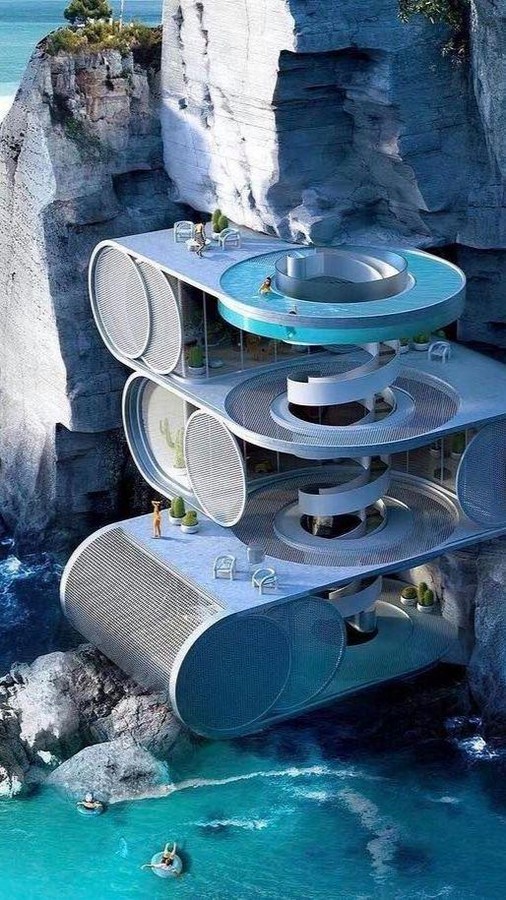
Promising Endeavors | Odyssey
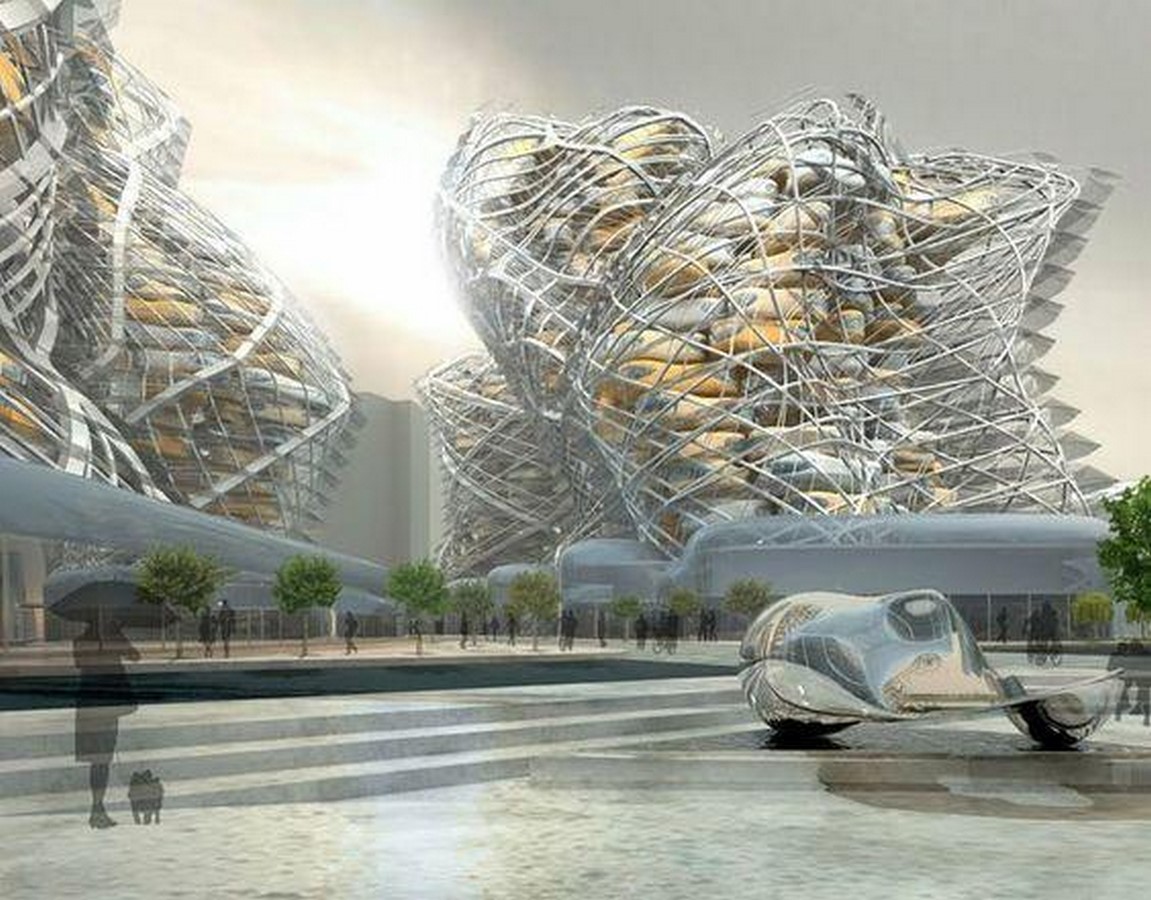
The promising endeavors in architecture are tremendous. With all the emerging trends, innovations, and buildings in current, a vibrant image of the future of architecture can easily conjure in our minds. By the paradigm shifts, holistic approaches and new consciousness heralded today, we can foresee advances to grow in number in the succeeding years. Parametric designs and deconstructivism serve as two of the many examples of trends in architecture we can expect to see more of. Its illusionary designs exhibiting wide-ranging forms and volumes corroborated with advancement in technology would likely permeate cities and public spaces in the future. Together with this, we can take notice of the upscaling efforts to give better environmental considerations in building designs. Sustainable architecture manifests this philosophy through energy-efficient methods and interdisciplinary approaches to urban and environmental designs. Relinquishing the construction roles to machines, the future of architecture will also be suffused with a great number of structures. This is through the aids of prefabrication and the rocketing mantle of building information management (BIM) that both speed up building construction. These pictures in mind will indisputably forerun the subsequent buildings in the years to come.
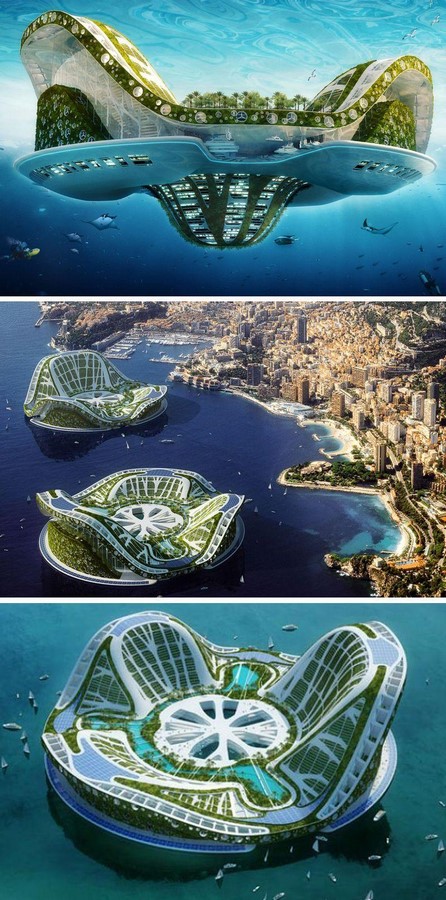
Viewing the future of architecture in the lenses of today, not only can we look at the designs and approaches visible at present but thrust our eyes on the buildings that will seemingly persist through time. Some of these are the works of eminent architect Zaha Hadid who is widely acclaimed for taking parametricism as the forefront of her designs. With the Heydar Aliyev Center as an example, her design genealogy that deviates from traditional forms is truly noteworthy. Along with her, the designs of renowned architect Vincent Callebaut showcase fascinating sustainable buildings. The notable elements present in his works–namely the Tour and Taxis, Hyperion, and Agora Garden Tower–include rainwater harvesting, wind turbines, and rich green facades. These offer substantial contributions to mitigating climate change. Sharing the same goal with him toward sustainability, starchitect Bjarke Ingels exhibits it in a hedonistic view by blurring the boundaries of conventional sustainable designs and community enjoyment. An example of this is Copenhill, a clean energy power plant with a hiking trail, ski slope, and climbing wall serving as recreation for the community. These are only a few of the growing number of built environments working as today’s seeds yielding a fruitful future of architecture.
Complex Challenges
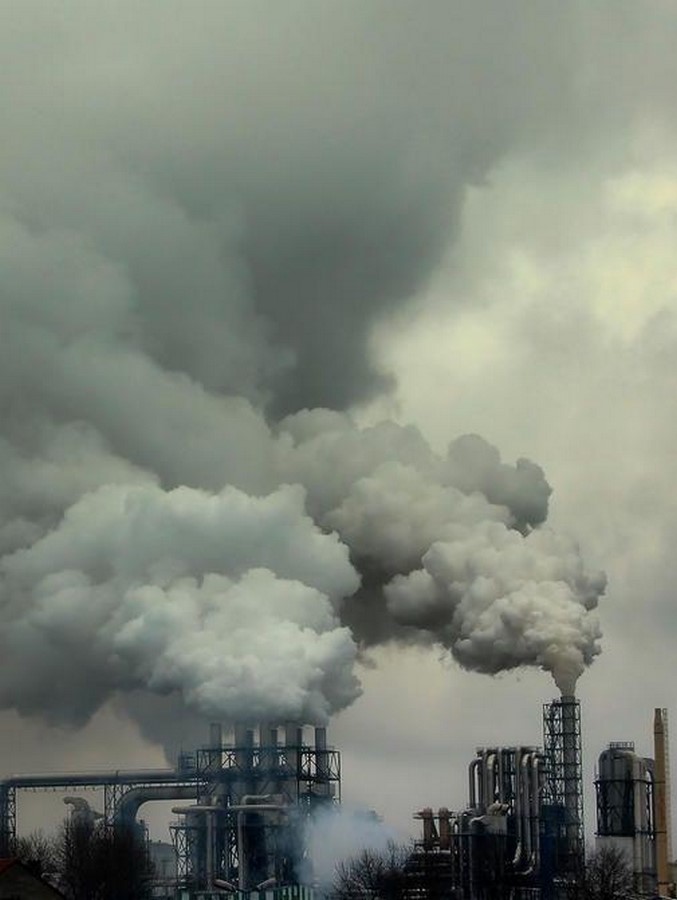
With the coronavirus pandemic, environmental degradation, and economic and social issues that would likely escalate and inflict every aspect there is, architecture is no exception. These pose numerous challenges on built environments for their massive tendencies to appall design and construction. Everyone takes witness to how the pandemic overwhelmingly reshaped architecture as the once upheld values and methods in the field grapple with the requirements of the new normal. Environmental problems aggravated by an increasing carbon emission also attenuate the efforts toward sustainability. Along with these, the standing realities of the rising global population causing dilemmas on accommodation and dysfunctional designs in the streets of fascinating buildings that compromise function and exacerbate environmental degradation must not be neglected. These extremes certainly stand as matters that cannot be withdrawn from the future of architecture.
The Future | Odyssey
The future of architecture swings back and forth towards the two opposite extremes of innovations and challenges. With the advances evident to us today, design and construction in the succeeding years guarantee us to be blooming with revolutionary built environments. Sustainable structures that foster enjoyment, a burgeoning number of buildings through the expanse role of machinery, and forms deviating from the conventional stirs our confidence in the future of the profession. On the one hand, with the complex environmental and societal issues, it is rudimentary to consider the looming chaotic repercussions of those concerns. Worsening environmental changes, compounding societal problems, and decreasing attention paid to functionality have long been serving as upheavals that deter the growth of the profession. These matters imply an uncertain future of architecture. However, its underlying aspects tell us otherwise. Challenges are innate to the profession for to these ends it thrives by using every opportunity as a design prerogative. This assures us that however uncertain the glimpse of what lies ahead, we can see architecture to be constantly evolving, embedding on its role to recognize the collective need of its surrounding community, and embarking on the odyssey of its future by every incremental effort today.
“As an architect, you design for the present, with an awareness of the past for a future which is essentially unknown.” – Norman Foster