A building speaks a visual language that is universal in nature. It communicates through the materials, forms, and space that transcend the art of storytelling beyond the generations that built it. When stepping into a building, we don’t just see the physical construction, but a wealth of stories, from ancient civilizations in the case of temples, to modern societies with their towering skyscrapers, which defy the boundaries of wood, stone, and glass. Every building, regardless of size, is a reflection of the people, which is, for example, evidenced in the soaring dome of a building that conveys the spiritual aspirations of a civilization, or the home that reflects the values of the family and the community. Architects can tell stories in a form that even babies and animals can understand, without any need for a specific language.
Everybody remembers their history textbook, which tells the stories of the primitive age. If we could brush our memories, one of the most important features would be highlighted: the cave’s interiors displayed primitive paintings that essentially told the stories of their livelihood, fears, and celebrations.
The cave, which served as a place of shelter, translates the ideas, emotions, and stories from thousands of years to date. As a piece of architecture, it stands as a testimony to those stories that would have otherwise dissipated into thin air. As the years have passed, the language of storytelling through architecture has always taken leaps and bounds, but it always brings mankind together.
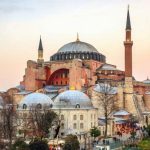
Case Study:Hagia Sopia
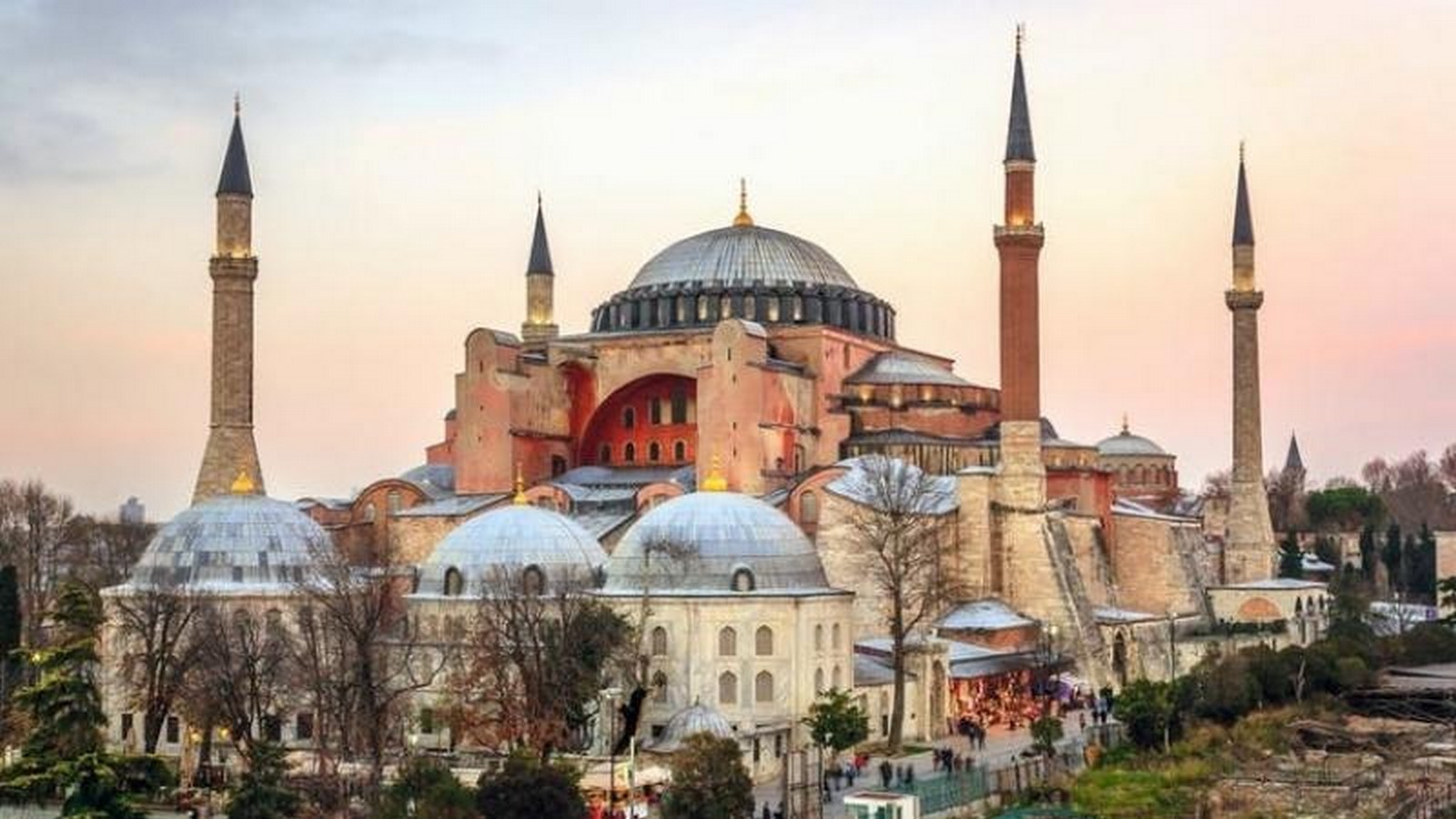
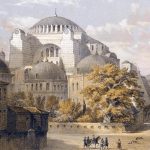
Architecture is evidence frozen in time. It captures the hierarchy, social equations, societal norms, wealth, calamities, emotions, religious practices, and much more. Consider the example of Hagia Sophia, an iconic structure from Istanbul, Turkey. Every new political power brought its cultural practices and its techniques to build and rebuild the known structure today.
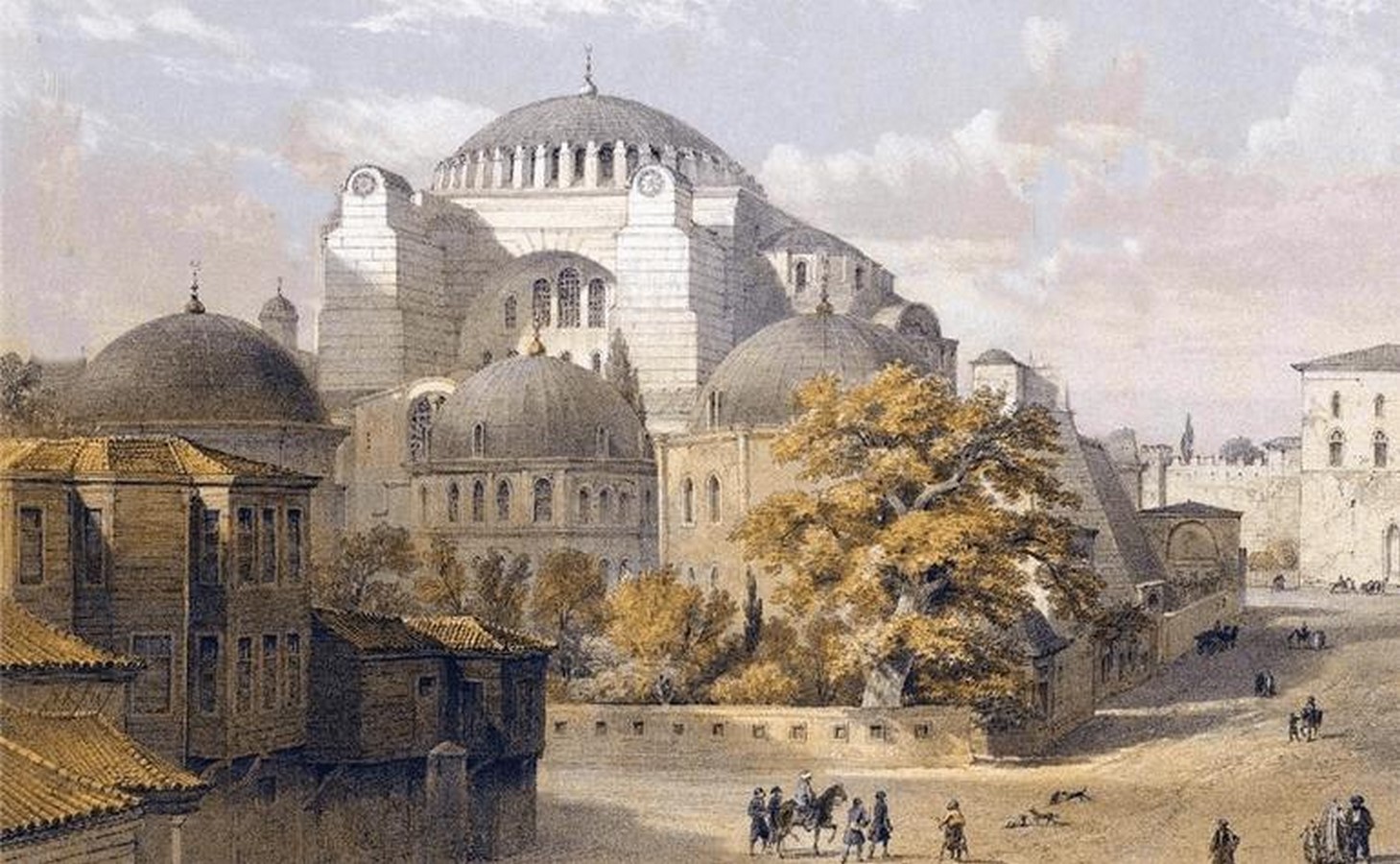
Hagia Sophia, a masterpiece of Byzantine architecture, was originally built as a Greek Orthodox Christian patriarchal basilica in the 6th century. During the Ottoman Empire, it was converted to a mosque, and in the 20th century, it was converted to a museum. In 2020, it was converted to a mosque. The walls of Hagia Sophia stand as an eyewitness to these cultural practices, stories, people, and ethnicities.
Impact of materials
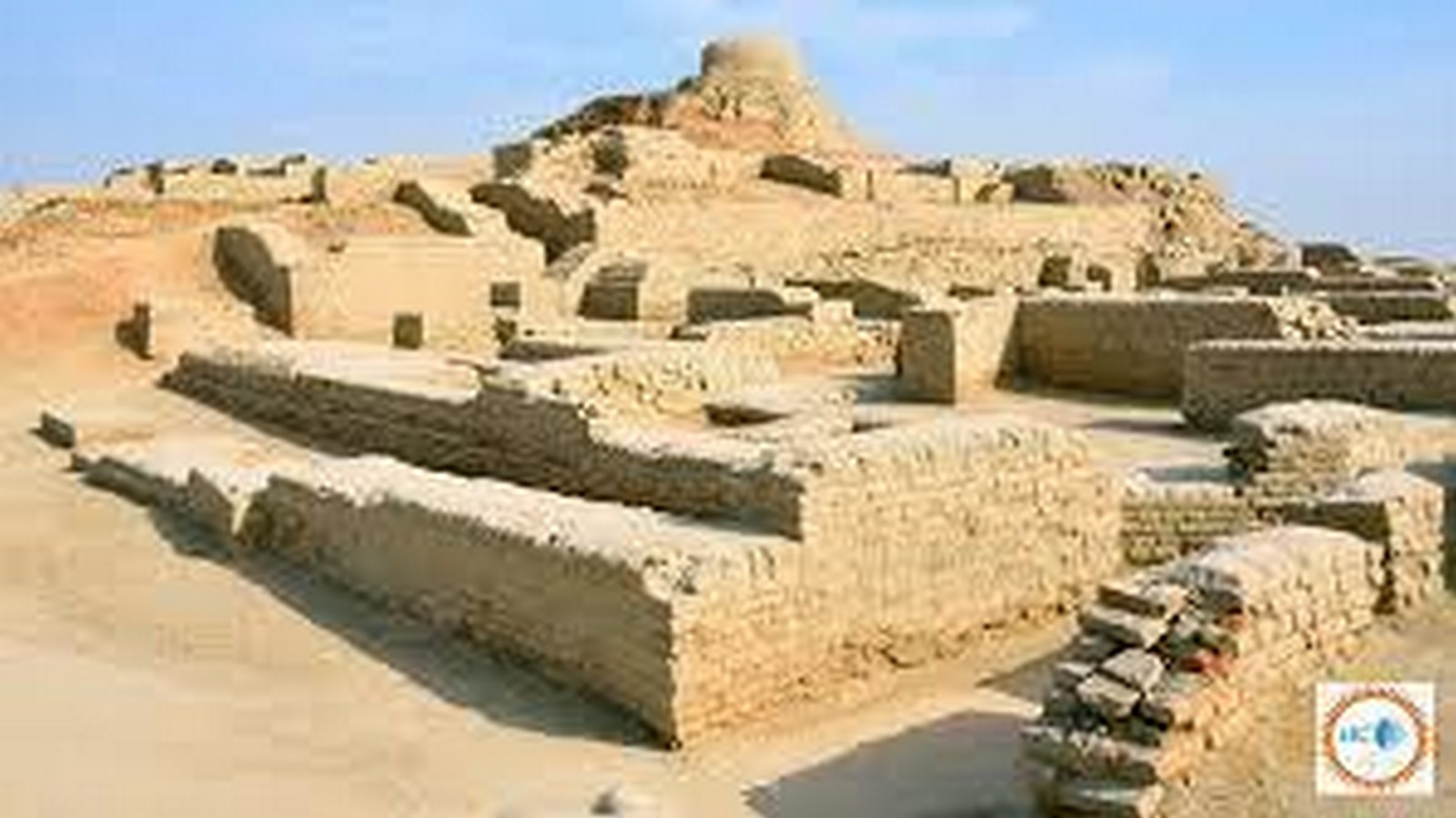
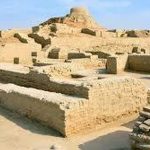
Another interesting feature that could be noted is how the new materials and techniques also travel through time and places to mark a new beginning. The Indus Valley civilization, being one of the oldest civilizations, showcases how materials like sundried bricks made their way into the construction material and techniques. Sundried bricks were used due to the availability of fertile soil from the Indus Riverbank. Similar techniques around the world can be observed in the civilizations that were located around the riverbank. This establishes a strong contextual influence in the design and architecture of the structures.
Architecture: An Evolving Story
Storytelling and marking an identity through architecture have evolved and have been growing rapidly ever since. The scale of the expression of these stories has varied with every new change. A primitive man captured his stories of everyday life, their hunting tales. As and when the small group of hunter-gatherers started settling, the concepts of shelter evolved to much permanence, and the spaces of leisure can be observed. The next era occurred when he could exhibit extravaganza, devotion, and beliefs through architecture. Religious structures evolved to stand as a testimony of the beliefs and stories.
Later, the political power, wealth, and warfare took a major stand in the upcoming eras. The Industrial Revolution brought about a whole new generation of faster and quicker additions to architecture. This also brought a factor of affordability in the lives of humans. With the passing of each new era, revolution is reflected in the architecture and the art of storytelling.
Modern architecture is much concise with less extravagance, reflecting the change in expression of power and time. However, even today, a monumental piece of architecture always tells its stories through scale, detailing, materials, ethnicity, and culture. The technological development of this era is reflected in the majestic engineering marvels and advancements. These are the archives of the future to tell stories of this generation.
Architecture has preserved stories, revolution, cultural shifts, and progress. It acts as a time machine to travel back in time or into the future. It reminds us of the stories that were half said and buried under the layers of wars, conflicts, conquests, and calamities. Architecture is a reflection of the changes in society, material, forms, and techniques. If we were to teleport back in time and collect a piece of the stories and changes mankind encountered, we would probably bring those architectures back alive.
Architecture is an art of storytelling; it marks every step of mankind in the world. Every tiny piece of brick to the submerged civilizations speaks of memories, stories, and cultures that were left behind. Architecture has marked the glory and downfall of a place on a map equally, leaving nothing behind.
When we walk through a city, we are not merely surrounded by walls and roofs—we are immersed in stories written in material, form, and space. By reading architecture as living narratives, we connect with those who came before us and ensure that our own stories will not be lost to time.