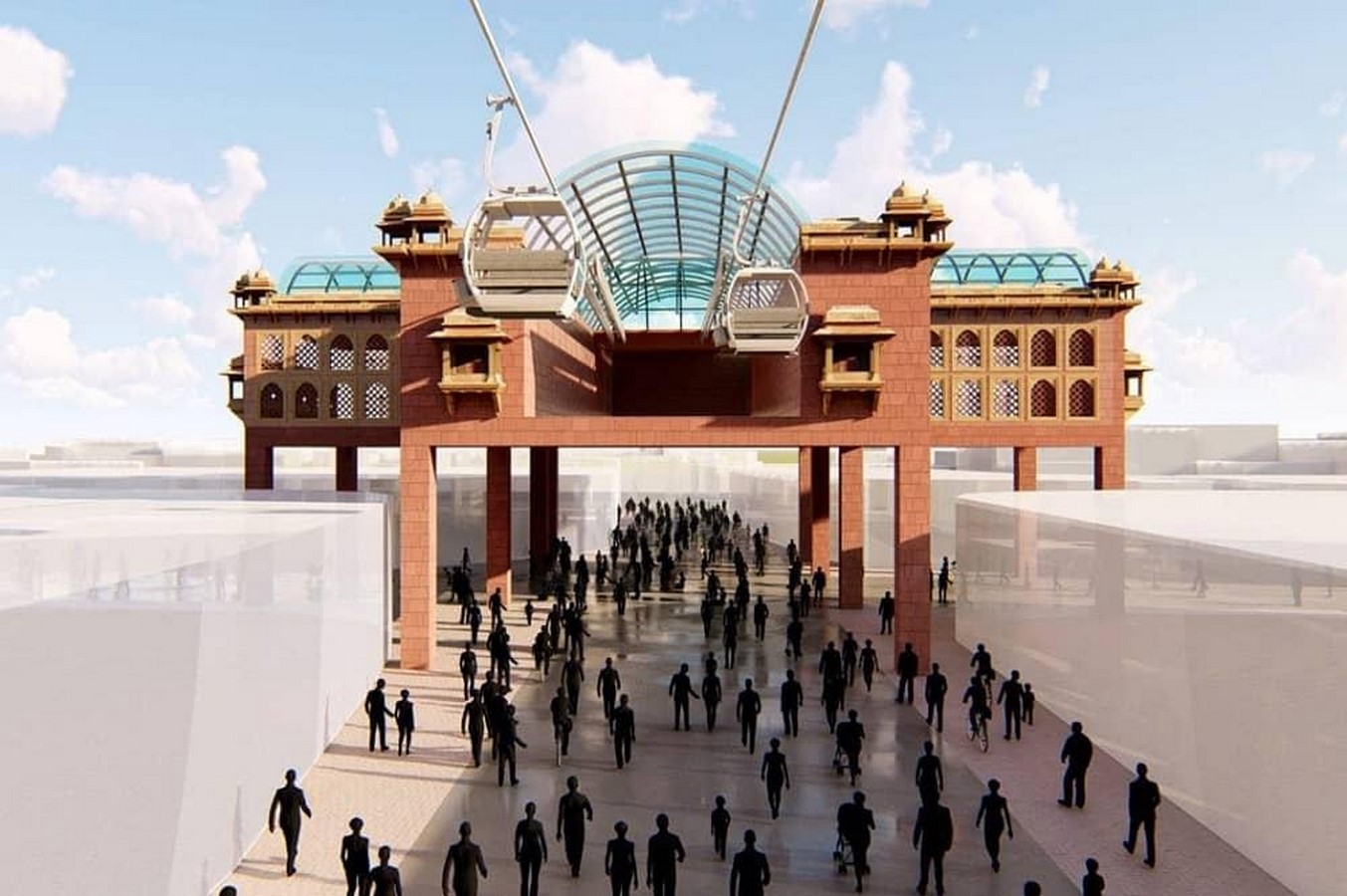
India’s urban revolution has been re-examining the social bond between space and society. At Varanasi, the ‘Sugamya Kashi’ project pushes accessibility within holy geographies. Formal planning details involve “wheelchair and battery-operated stair lifts along the Dashashwamedh, Rajendra Prasad and Assi ghats,” as well as “ramps…along the ghats,” opening ritual edges to everyone without compromising the character of the heritage. As urban areas become denser, national resources are at play: the World Bank projects that “by 2036, 600 million people will be residing in urban cities in India, which will account for 40 percent of the population,” with design influences high on infrastructure, equity, and climate. Thus, architecture as a manifestation of society’s values is absolutely a trail of evidence. Peter Scriver and Amit Srivastava capture the century’s transition briefly as India’s buildings “bear testament to the radical changes in Indian society and culture in the twentieth century.”
Sustainable Foundations (3Rs): Riverfronts, Risk, and Redistribution
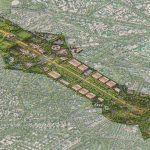
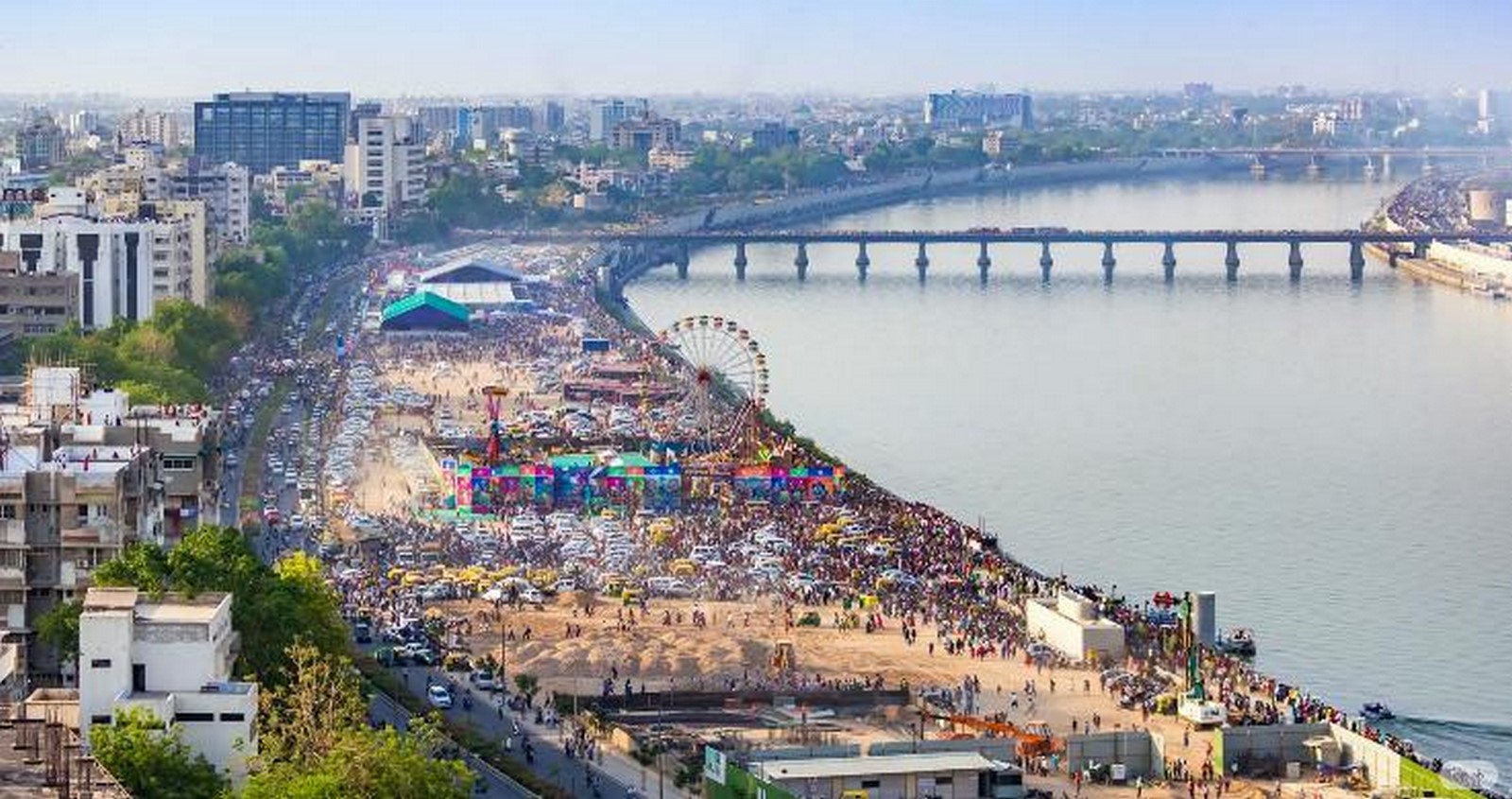
HCP’s planned Ahmedabad Sabarmati Riverfront is read as flood infrastructure made into a public space. The firm records a “202-hectare, 11.5-km” makeover developing “a continuous public realm on both banks… and flood-resilient embankments,” a civil-ecological backbone, not just a show promenade. But a grant cautions against a single-metric sustainability: Navdeep Mathur’s extensively referenced critique captures the enterprise as “urban planning as totalitarian governance,” placing displacement and removal on a par with engineered order. Such tension is the point: when the river is cleaned and land values skyrocket, whose future is made secure? The same development can indicate climate resilience to city officials and precarity to informal dwellers—architecture reflecting society’s values both ways, based on where one stands.
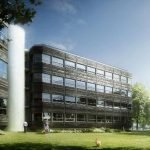
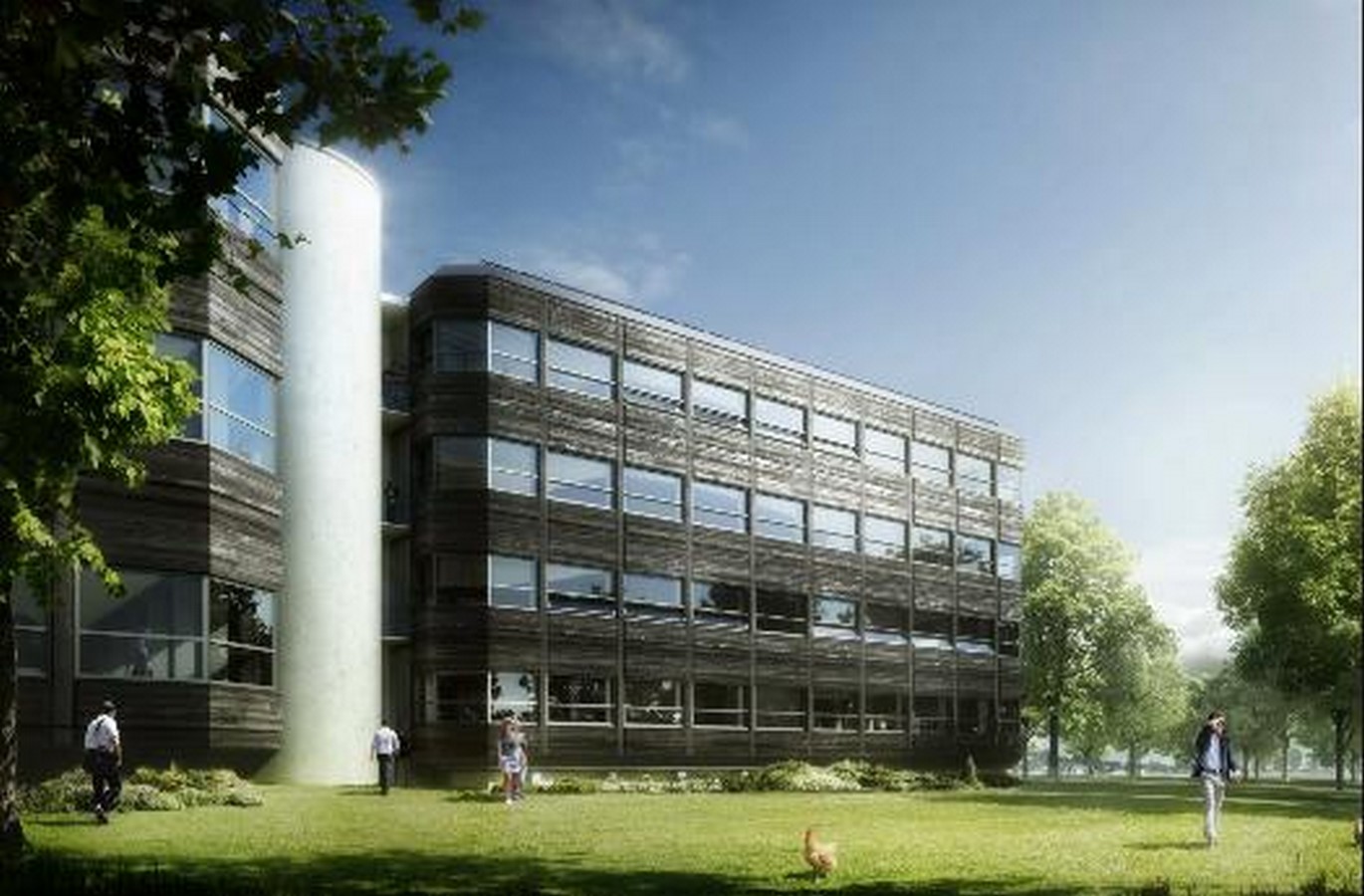
Starved of cross-border examples, sits across Norway‘s Powerhouse Kjørbo, an exemplar of retrofit as a carbon-driven economic reason. Technical collaborators have said the remodelled offices “generate around 200,000 kWh every year,” generating more than operational need through envelope and systems design. For public utilities, this is grid relief; for doubtful developers, it’s a proof-of-concept in which capital expenditure translates to operational stability. The model’s exportability to Indian weather conditions is not trivial, but its financeable arithmetic refutes the idea that sustainability is a luxury add-on and not a baseline utility—once more placing architecture as a mirror to society’s values regarding long-term stewardship.
Inclusivity in Infrastructure: Access as Civic Right
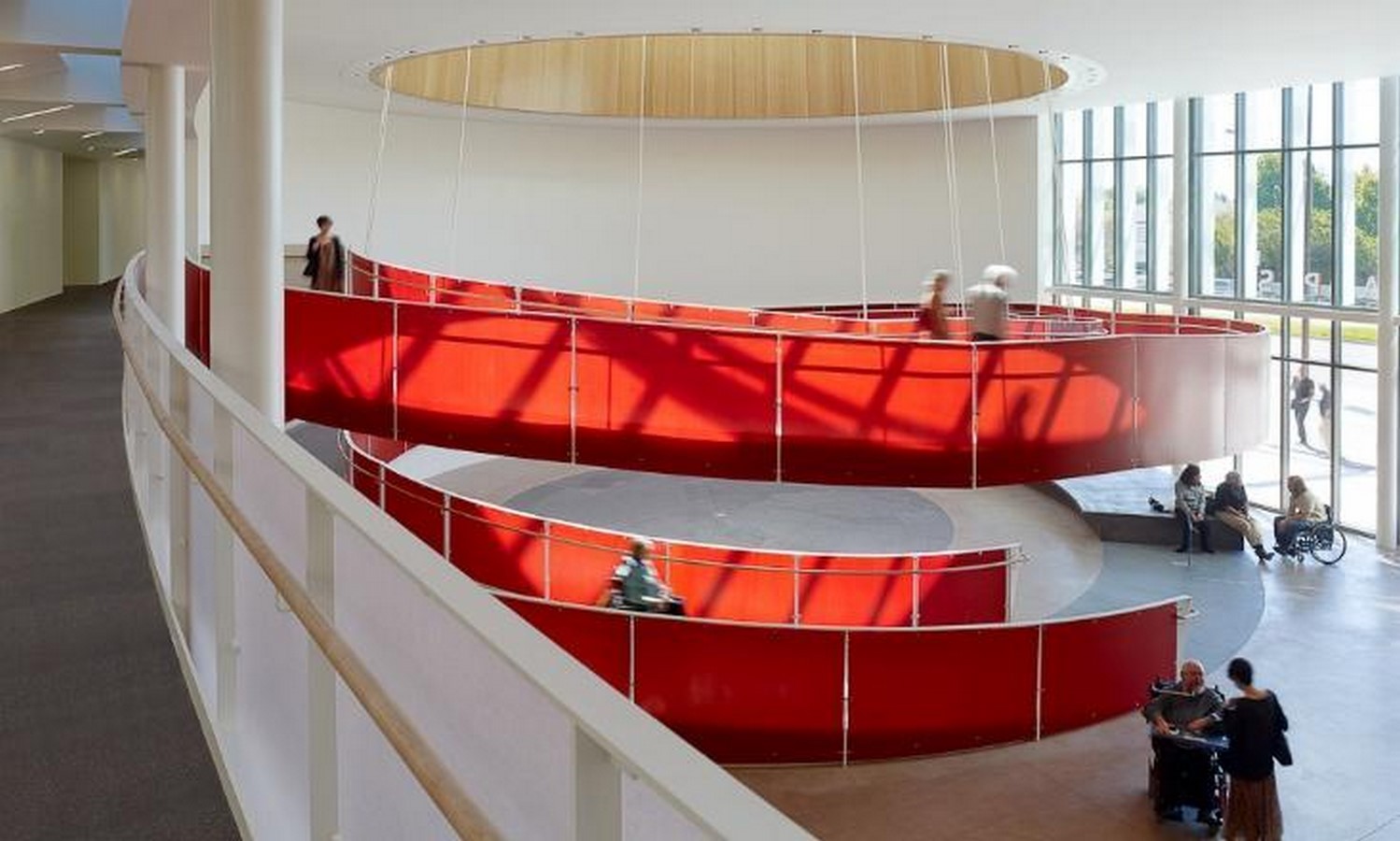
Inclusivity is the foundational intent of Berkeley’s Ed Roberts Campus, termed as “a universally designed, transit-oriented campus… one that promotes equal participation in civic life.” For disability-rights activists, the building is infrastructure for autonomy; for transit planners, a TOD that maximizes social value per square meter. In either of the scenarios, architecture as a mirror of society’s values converges as dignity mechanised into thresholds, gradients, and doors.
Rahul Mehrotra gets at the stakes: “The physical form of cities and architecture is a critical instrument with which we bring societies together or with which we separate and polarize them.” That’s a design specification for inclusive public facilities—and a charge when partitions, gates, and level changes are turned against access.
Digital & AI Frontiers (3Ps): Performance, Productivity, and Power
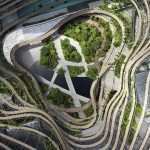
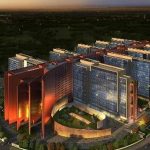
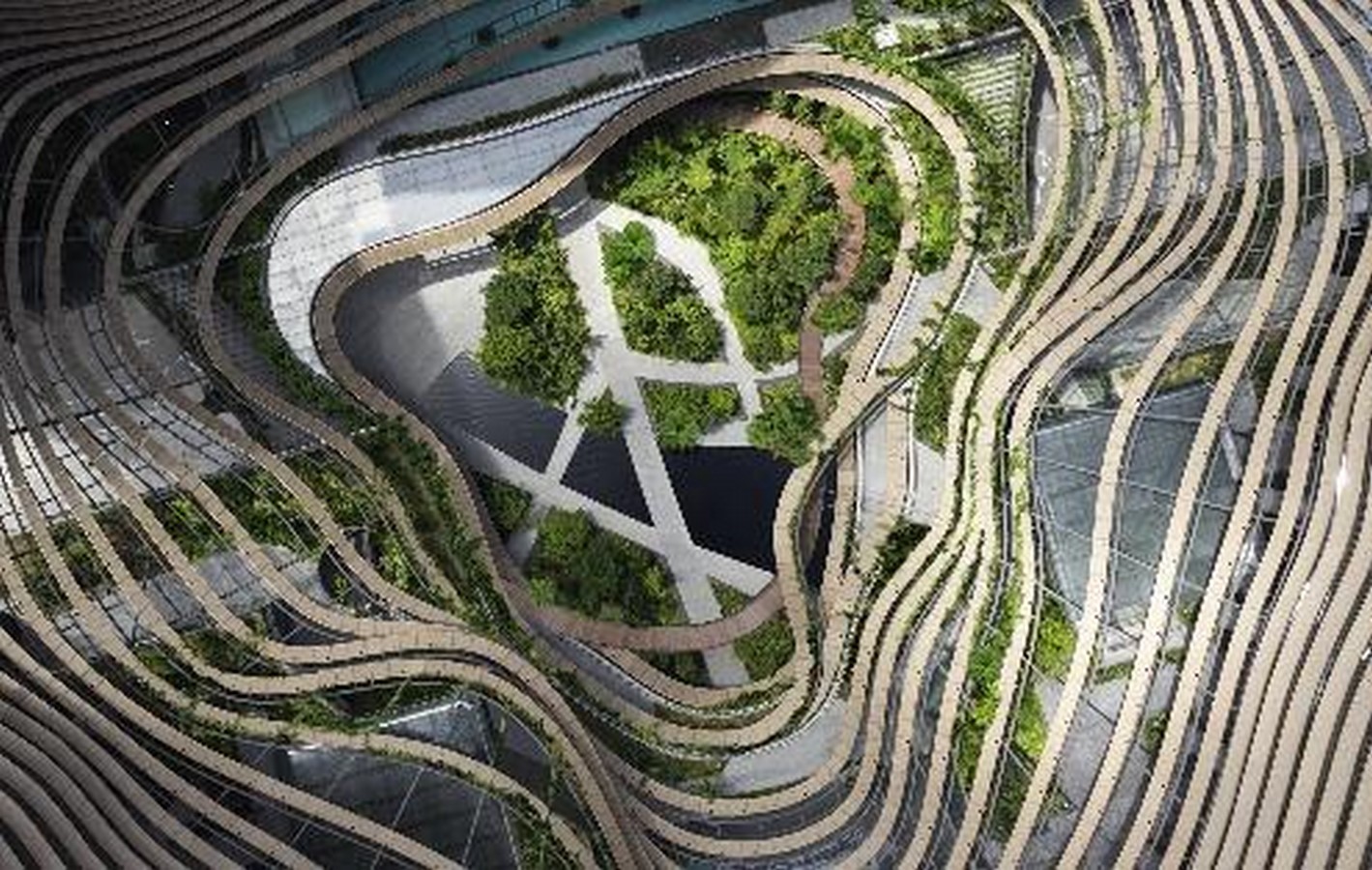
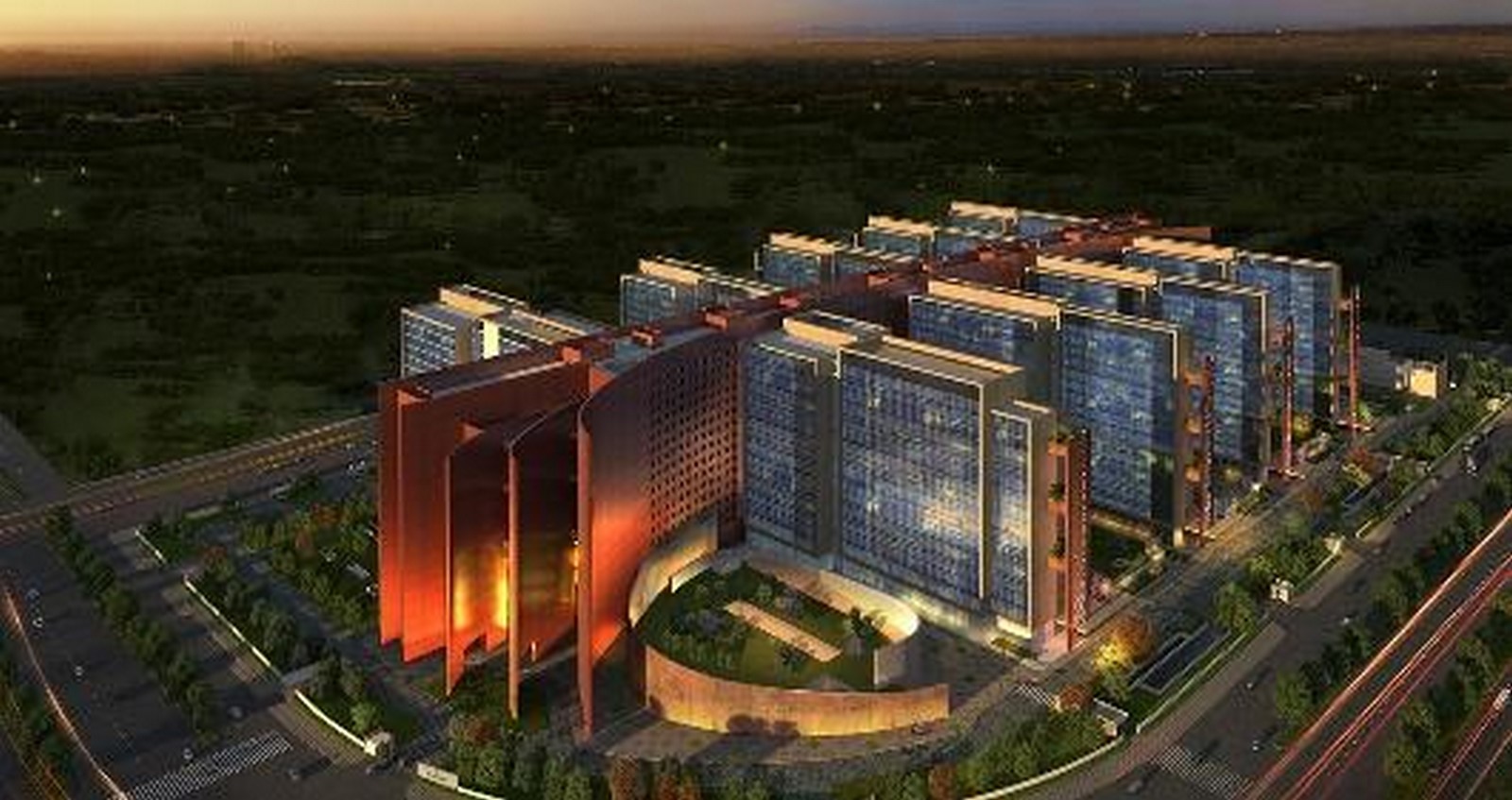
If values can be measured anywhere, they emerge in system-based design. Singapore’s Marina One describes its performance simply: “energy efficient features like solar panels, motion sensors and high-tech air handling units help to further lower energy consumption,” connecting comfort to live operational data. In India, Surat Diamond Bourse (Morphogenesis) talks of a resource discipline ideology: the official story reports on “green building concepts” and “energy efficiency” at the scale of “9.5 million sq.ft.”—a city interior adjusted to worker traffic and sunlight. For customers, the equation is throughput and lifecycle cost; for architects, it is data-driven environmental management. Both scenarios view architecture as an expression of society’s values—either as a tool for productivity or as a means of public health engineering.
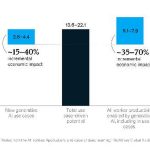
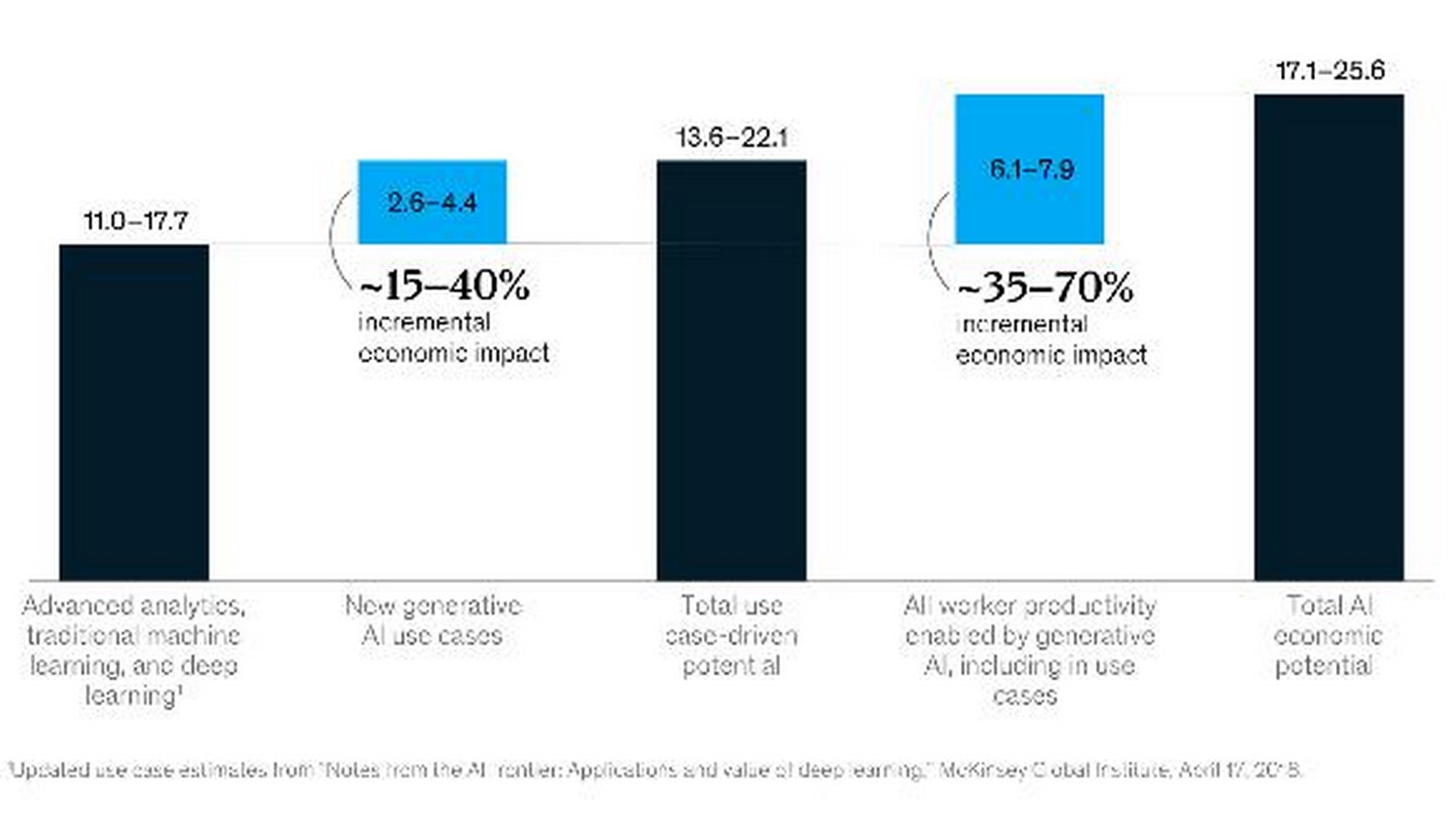
AI occupies the stream in between. The Royal Institute of British Architects summarizes that AI will “augment the architect’s role but not replace it,” an institutional stance on tooling without sacrificing authorship. McKinsey situates the macro-economics clearly: generative AI may contribute “$2.6 trillion to $4.4 trillion annually,” and design, documentation, and operations are one of the avenues. For project financiers, AI offers schedule and energy surety; for labour, it potentially reorders skill hierarchies. The ethical core remains whether computational optimization serves transparency and access, or only speeds up enclosure.
Community-Led Housing (3Cs): Courts, Care, and Control
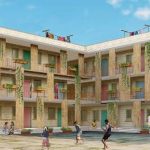
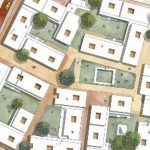
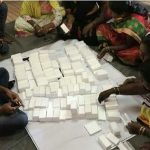
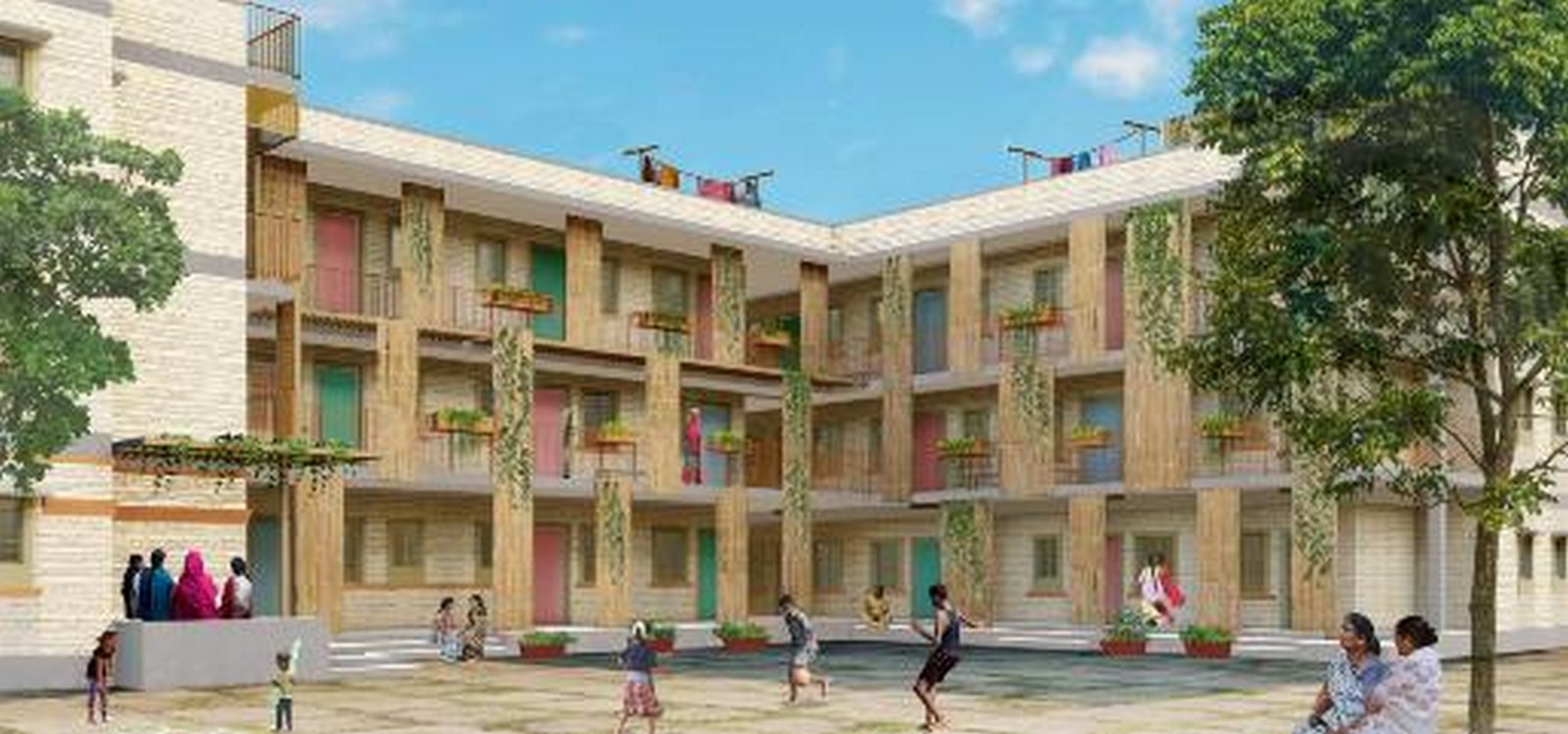
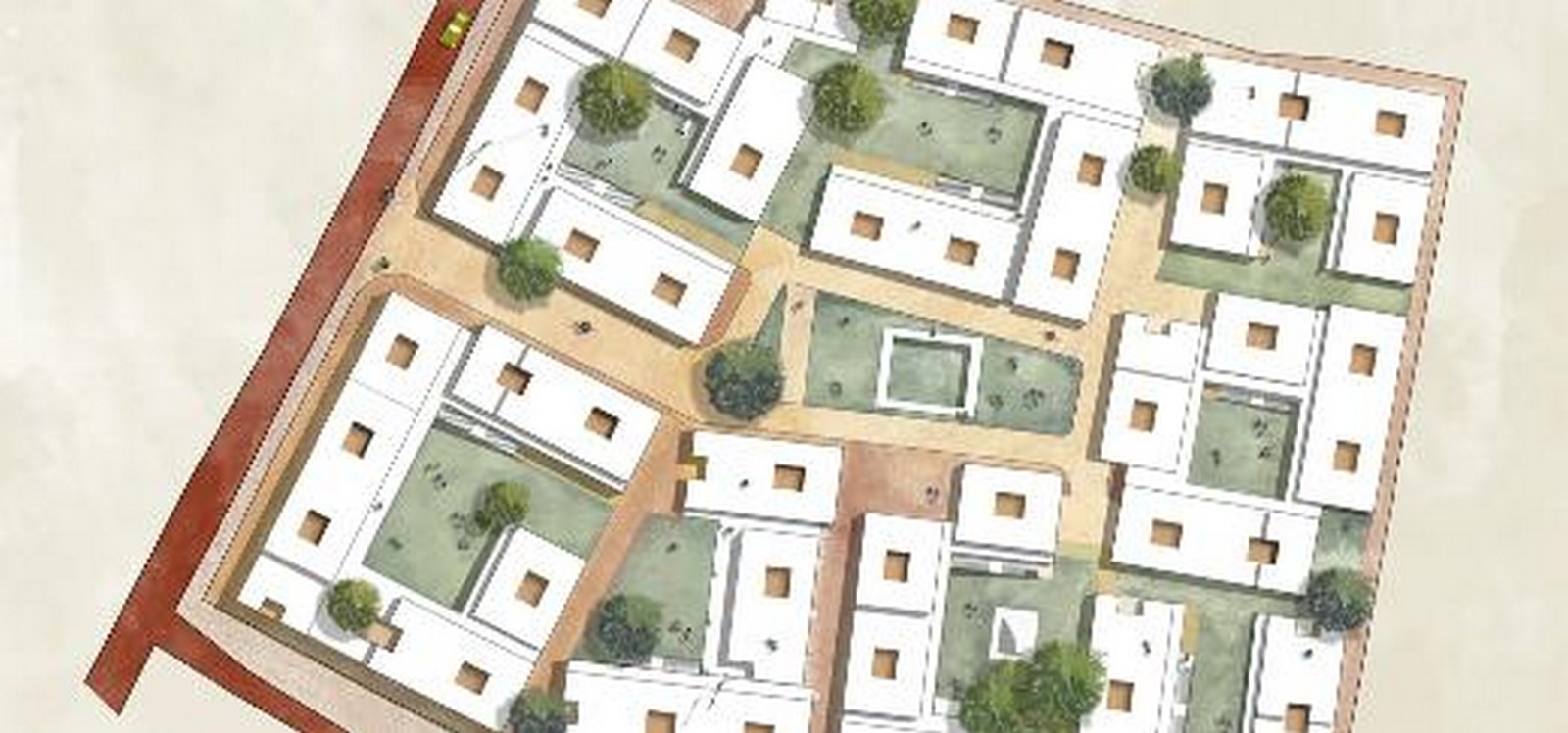
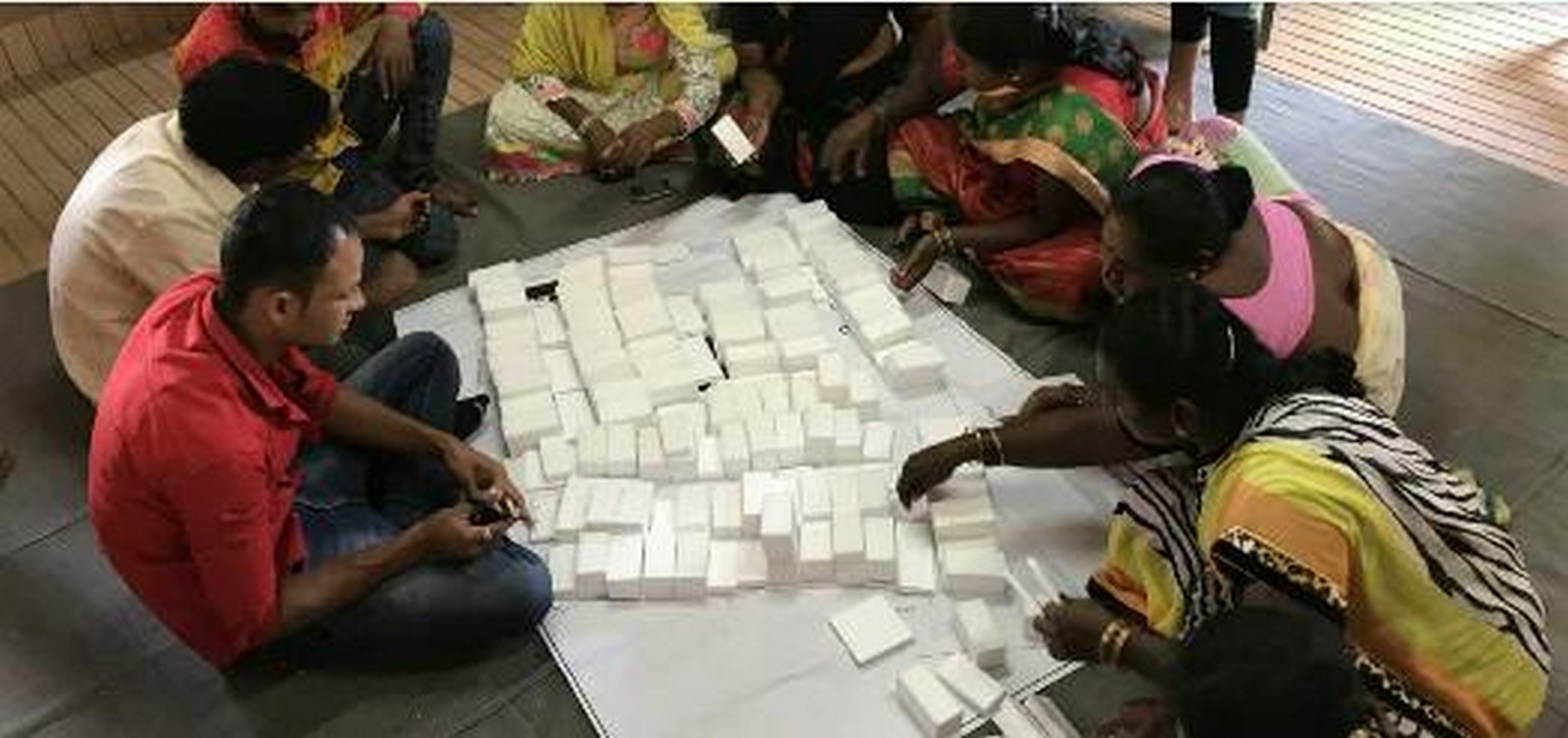
Ahmednagar’s redevelopment of Sanjay Nagar (Community Design Agency) channels affordability through stakeholders. The scheme “consists of 298 houses…arranged around common courtyards,” the design making legible how micro-infrastructures—drainage, light wells, stoops—joined social insurance into the design. For inhabitants, they are rooms for work and relationships; for municipal collaborators, they are risk reducers against future issues. The outcome reads architecture as an expression of the values of society, where “value” is cultural resilience and continuity, not simply FSI.
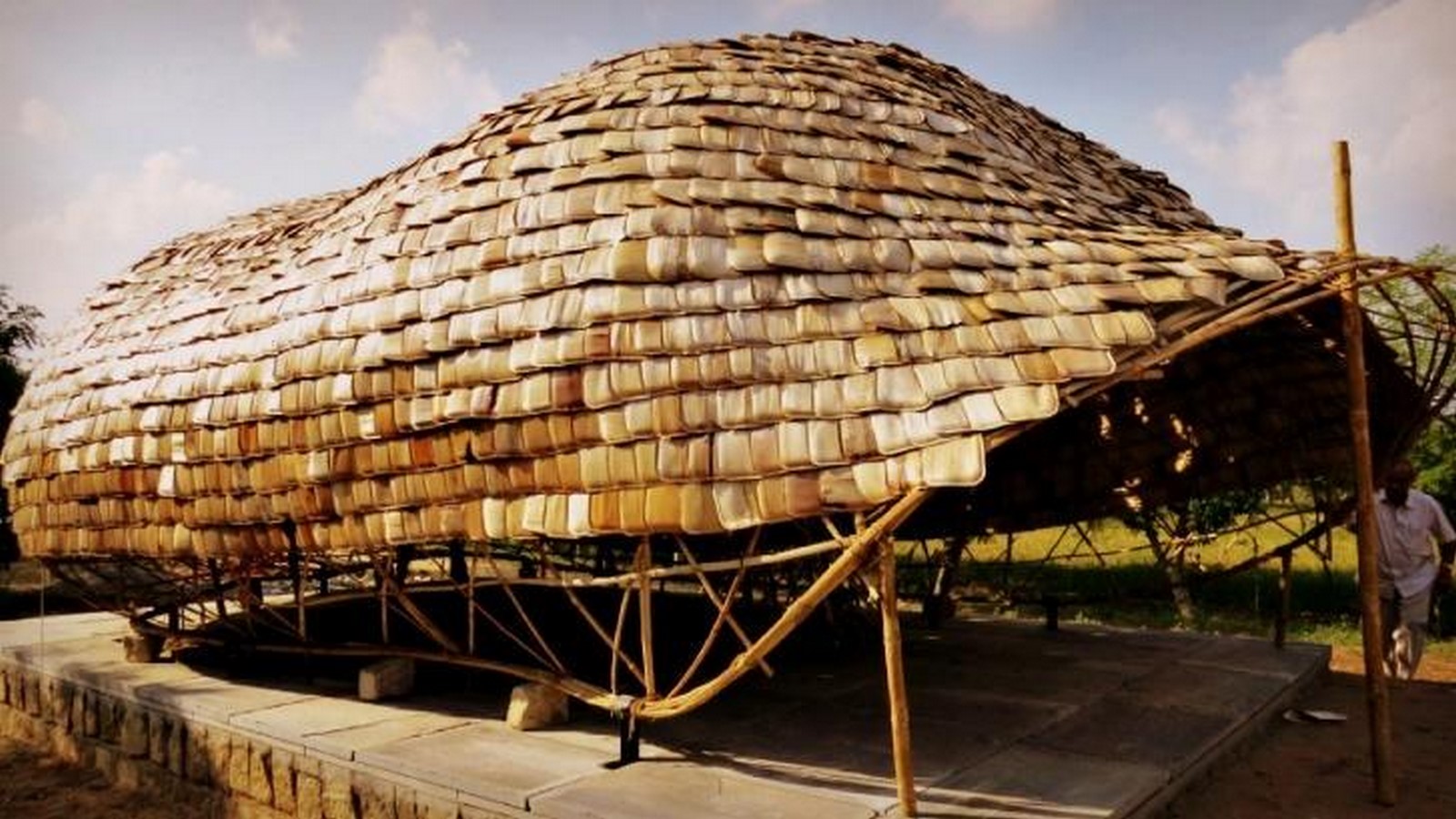
Biome Environmental’s “Green House” in Bengaluru actualizes locality as a carbon strategy. Chitra Vishwanath states: “Everything used came from within a five-kilometre radius… the soil in Bengaluru is ideal for construction.” The cost ledger comprises embodied emissions, employment for local crafts, and thermal performance. Whereas Neelam Manjunath takes the argument to mainstream structure: her team’s study claims bamboo is “earthquake-safe, waterproof and fire-retardant,” blending traditional material cycles with code-grade assurance. For homeowners, this is longevity; for regulators, this is compliance in another form—proof that architecture, as a mirror of society’s values, can be both old and new simultaneously.
Politics and Symbols: Who Speaks Through Stone?
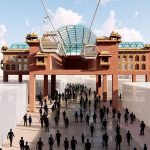
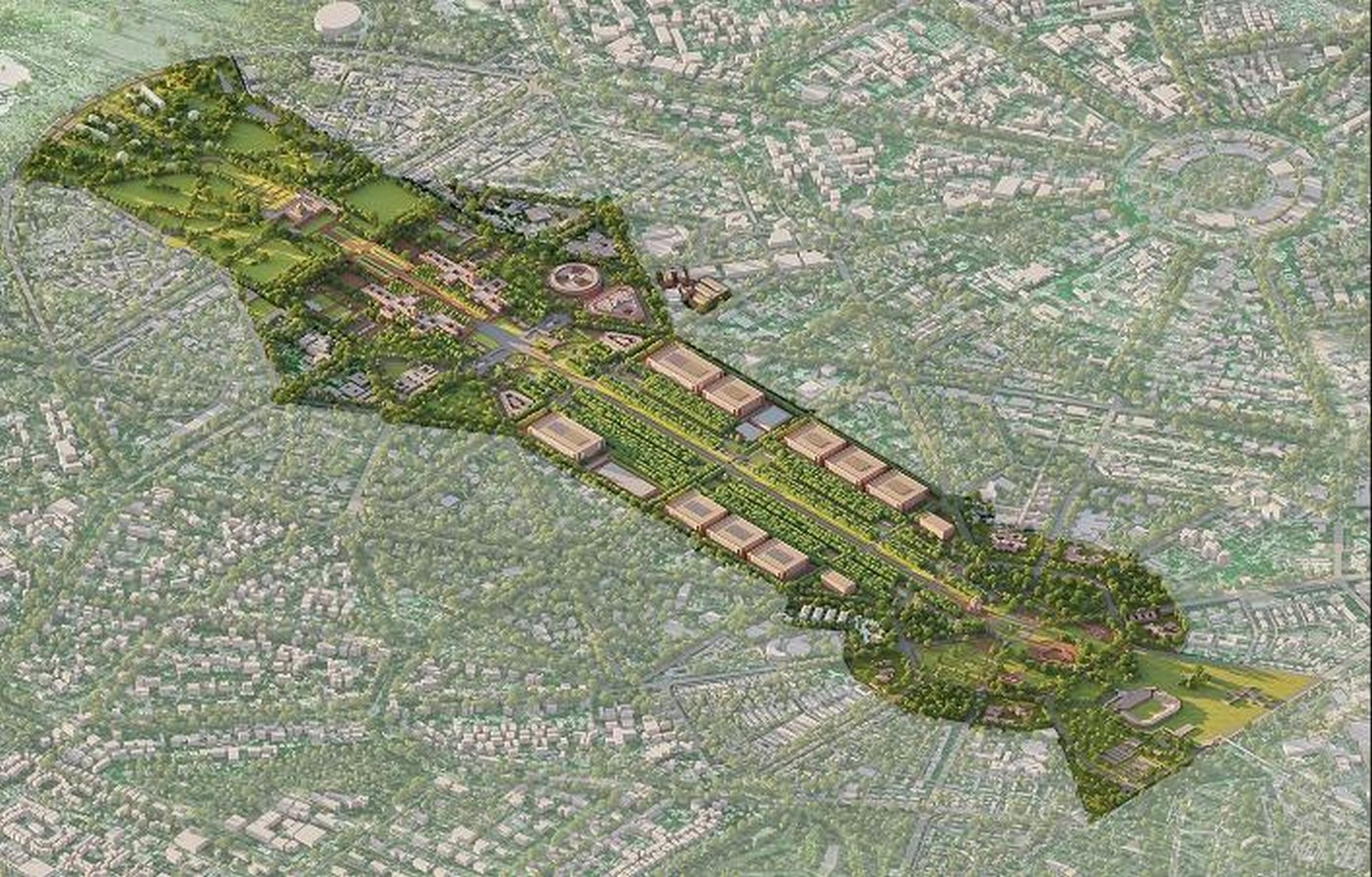
Central Vista in New Delhi reduces the debate to a narrower point. Architect Bimal Patel defined continuity as a technique: “There’s nothing that we are doing that Lutyens wouldn’t have — it’s radical but doesn’t rupture with the past.” Critics read a different narrative. Anish Kapoor referred to the project as “a grand vision of governmental power,” in case the plaza reduces multiplicity in the interest of scale. For state officials, a larger campus is infrastructure for governance; for others, it is an overdoing of nationhood. The work is thus ideal architecture as a product of society’s values—either of democratic service or of spectacle—depending on who gets to tell its story. Jan Gehl’s civic principle—”We shape our cities, and then they shape us”—is still a trusty thought in this argument, because it identifies a loop between agency and environment that public works too often deny.
Design as Negotiation, Not Monument
In ghats, courtyards, towers, and campuses, the case studies meet on one thesis: when policy, finance, and craft come together, architecture as a mirror of society’s values is seen in kerbs, atria, and grids as well as in facades. The strongest work is not neutral—Sabarmati’s embankments, Sanjay Nagar’s courts, Marina One’s sensors, and the Central Vista’s axis each reveal a value system about whose comfort counts, whose movement is eased, and whose future is invested in. The field’s immediate aim is to make those value systems transparent, testable, and revisable—public evidence, common statistics, and stakeholder authorship—so that the city’s next 600 million inhabitants inherit places that multiply dignity and ecological ideologies instead of displacement and excess. That is the only way that architecture as a mirror of society’s values remains a civic tool and not just a statement.
References:
Books
Scriver, P. and Srivastava, A. (2015). India: Modern Architectures in History. London: Reaktion Books. Available at: India: Modern Architectures in History – Peter Scriver, Amit Srivastava – Google Books
Reports / Government / International
World Bank (2022). India’s urban infrastructure needs to cross $840 billion over next 15 years. [online]. Available at: https://www.worldbank.org/en/news/press-release/2022/11/14/india-s-urban-infrastructure-needs-to-cross-840-billion-over-next-15-years-new-world-bank-report
RIBA (2024). Artificial Intelligence Report 2024. [PDF]. Available at:
https://www.pia.org.za/wp-content/uploads/2024/03/RIBA-Ai_Report-2024.pdf
McKinsey Global Institute (2023). The economic potential of generative AI: The next productivity frontier. [online]. Available at: https://www.mckinsey.com/capabilities/mckinsey-digital/our-insights/the-economic-potential-of-generative-ai-the-next-productivity-frontier
Academic / Journals
Mathur, N. (2012). On the Sabarmati Riverfront: Urban planning as totalitarian governance in Ahmedabad. Economic and Political Weekly, 47(47–48), pp. 64–75. Available at: https://www.epw.in/journal/2012/47-48/special-articles/sabarmati-riverfront.html
Project / Organization Websites
HCP Design (n.d.). Sabarmati Riverfront Development. [online]. Available at: https://www.hcp.co.in/projects/sabarmati-riverfront-development/
HCP Design (n.d.). Sabarmati Riverfront Urban Design. [online]. Available at: https://www.hcp.co.in/projects/sabarmati-riverfront-urban-design/
NIUA (2023). Varanasi Chair and Stair Lifts (Sugamya Kashi case). [PDF]. Available at: https://niua.in/new-initiatives/sites/default/files/2023-06/Varanasi-Chair-and-Stair-Lifts.pdf
Ed Roberts Campus (n.d.). About. [online]. Available at: https://www.edrobertscampus.org/about/
Marina One (n.d.). Overview. [online]. Available at: https://www.marinaone.com.sg/marinaone-overview.html
Surat Diamond Bourse (n.d.). SDB – Green Building Concept. [online]. Available at: https://www.suratdiamondbourse.in/Greenbuilding
Surat Diamond Bourse (n.d.). SDB – Facts. [online]. Available at: https://www.suratdiamondbourse.in/
Community Design Agency (n.d.). Sanjaynagar Slum Rehabilitation. [online]. Available at: https://communitydesignagency.com/projects/sanjaynagar/
News / Media
The Indian Express (2020). There’s nothing we are doing that Lutyens wouldn’t have — it’s radical, but doesn’t rupture with the past: Bimal Patel. [online]. Available at: https://indianexpress.com/article/india/dr-bimal-patel-delhi-central-vista-project-lutyens-idea-exchange-6212001/
The Guardian (2020). Kapoor, A. Modi’s assault on India’s cultural heritage. [online]. Available at: https://www.theguardian.com/artanddesign/2020/sep/30/anish-kapoor-modis-assault-on-indias-cultural-heritage
Brick Architecture (2017). Architect Chitra Vishwanath on building with mud. [online]. Available at: Residence for Charis / Biome Environmental Solutions
The Better India (2020). This Scientist Built a Bamboo House That Withstood Earthquakes & Rains. [online]. Available at: Earthquake Safe, Waterproof, Fire Retardant: Why India Needs Bamboo In Its Homes
Industry / Technical:
Sika (n.d.). Powerhouse Kjørbo, Norway. [online]. Available at: https://nor.sika.com/en/construction/powerhouse-kjorbo.html
FutureBuilt (2018). Powerhouse Kjørbo – Energy Positive Refurbishment. [PDF]. Available at: https://www.futurebuilt.no/getfile.php/1321449-1569346820/Futurebuilt/Prosjekter/Kontor-og-naeringsbygg/Powerhouse%20Kj%C3%B8rbo/Powerhouse%20Kjorbo%20prosjektrapport.pdf
Talks / Interviews:
ArchDaily (2013). Interview: Jan Gehl. [online]. Available at: Jan Gehl: “In The Last 50 Years, Architects Have Forgotten What a Good Human Scale Is” | ArchDaily
RIBA (2024). Artificial Intelligence Report 2024: Key findings. [online]. Available at: https://www.architecture.com/knowledge-and-resources/resources-landing-page/riba-ai-report-2024
World Bank (2024). Gearing up for India’s rapid urban transformation. [online]. Available at: https://www.worldbank.org/en/news/opinion/2024/01/30/gearing-up-for-india-s-rapid-urban-transformation
Images:
Sabarmati Riverfront Development, Ahmedabad. Available at: https://hcp.co.in/urbanism/38
Ed roberts campus (2023) Cahill Contractors. Available at: https://cahill-sf.com/portfolio/ed-roberts-campus/
Powerhouse Kjørbo – office buildings (2014) Sika Group. Available at: https://www.sika.com/en/reference-projects/powerhouse-kjoerbo-sandvika.html
Marina One: Christoph Ingenhoven architects (2018) Christoph Ingenhoven. Available at: https://www.christophingenhovenarchitects.com/projects/marina-one
Sanjaynagar Slum redevelopment project (2022) Community Design Agency. Available at: https://communitydesignagency.com/projects/sanjaynagar/
Surat Diamond Bourse(2020) Morphogenesis. Available at: https://www.morphogenesis.org/our-works/surat-diamond-bourse/
Ar. Neelam Manjunath- bamboo ambassador of India – RTF | rethinking the future. Available at: https://www.re-thinkingthefuture.com/know-your-architects/a896-ar-neelam-manjunath-bamboo-ambassador-of-india/
Dave, V. (2022) Central Vista: Central Secretariat Complex, New Delhi, Biltrax Media, A Biltrax Group venture. Available at: https://media.biltrax.com/central-vista-central-secretariat-complex-new-delhi/
Chui, M. et al. (2023) The economic potential of Generative AI: The Next Productivity Frontier, McKinsey & Company. Available at: https://www.mckinsey.com/capabilities/mckinsey-digital/our-insights/the-economic-potential-of-generative-ai-the-next-productivity-frontier