It is safe to say that as long as humanity needs shelter, those building it will always have a job. The root of architecture has been and always will be a reflection of human needs, desires, inspirations, technological capabilities, and societal and cultural values. Every human-made construct, ranging from the Gobekli Tepe in Turkey to the towering skyscrapers of the modern age, narrates a chapter of our shared journey. But there is a profound question that the architects, urban planners, and all the technicians involved in this field are faced with: What will be the future of the built environment? Will the future architecture accept sustainable initiatives or leap into the utopian culture, or give in to the repetitive monotonous units? This way forward may not be in an unidirectional path but rather an entangled web of fascinating possibilities that is deeply grounded in history and driven by the consciousness of the circumstances at hand.
Sustainable imperative:
The global climate catastrophe, which was once a hypothetical situation, is now an imminent reality. The current scenarios press for the focus on sustainability and will no doubt be the influential factor in influencing the direction of the upcoming structures. Many initiatives like incorporating green roofs, rainwater harvesting systems, utilising renewable energy sources, and the implementation of BIM will be taken to ensure the sustainability of the structure. The main focus will be on making the buildings inherently regenerative and not just “green” on the outside. The adaptation of biomimicry, creating a system that would adapt to the environment, will play a significant role in shaping the future of architecture. By studying the natural world, architects can create a system that adapts to the environment and reduces the need for external resources, minimising waste and energy.
Cycles and Settings
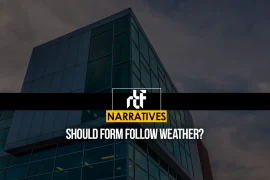
However, along this optimistic path, there is an eerie shadow of the architectural repetitions. It raises concerns that the regional and cultural identities are slowly being dissolved into a homogenised glass steel structure in the more globalised world, which is being driven by productivity, cost-effectiveness and quick construction. As communities worldwide grapple with the loss of local distinctiveness, a counter-movement celebrating local materials, traditional craftsmanship, and site-specific response is likely to gain momentum. The human spirit yearns for belonging and identity, and architecture is the physical manifestation of culture and will be instrumental in fostering it.

Human-Centric Design and Well-being
However, along this optimistic path, there is an eerie shadow of the architectural repetitions. It raises concerns that the regional and cultural identities are slowly being dissolved into a homogenised glass steel structure in the more globalised world, which is being driven by productivity, cost-effectiveness and quick construction. As communities worldwide grapple with the loss of local distinctiveness, a counter-movement celebrating local materials, traditional craftsmanship, and site-specific response is likely to gain momentum. The human spirit yearns for belonging and identity, and architecture is the physical manifestation of culture and will be instrumental in fostering it. The human element is still very important in architecture, even with the rapid advancements of technology. The modern vision of futuristic megastructures will be changed by the upcoming need for spaces that foster community, well-being and a sense of place. A greater awareness of how built environments can affect human interaction, mood, and productivity will guarantee that areas are friendly and accessible to everyone, regardless of age, ability, or background.
Vertical Urbanism and Smart Buildings
As the cities grow, vertical urbanism will become more significant as the defining issue will be the tension between urban density and human scale. An innovative way to utilise vertical space is through high-rise buildings and mixed-use developments. The emphasis will shift to creating vibrant vertical communities in high rises, with shared spaces, sky gardens and integrated programs that foster a sense of community. The concept of smart buildings will evolve beyond basic sensor networks. These intelligent structures will actively optimise energy consumption, enhance security, and improve everyone’s quality of life by functioning as a responsive urban fabric that adapts to the needs of its inhabitants. Additionally, they will optimise traffic flow, waste management and public services with new efficiency.
Adaptive Reuse and Heritage
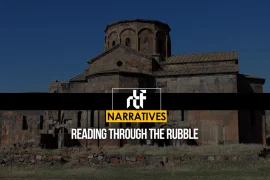
As innovation advances us, history should be embraced in order to move forward, as it offers vital context and inspiration. Cutting-edge technology can be used for documentation, restoration, conservation and augmented reality experiences that can bring long-forgotten buildings back to life. Historic preservation will develop. In order to address urban issues like density and housing shortages, adaptive reuse- the process of repurposing existing buildings for new uses- is becoming more and more significant. Involves giving old buildings new life rather than constantly constructing new ones. The value of vernacular architecture will be rediscovered, and its natural capacity to adapt to regional climates and cultures will be recognised. Instead of simply rejecting the past, the future will respectfully engage with it and retain the long tradition of human creativity and aspiration.
In conclusion, the futuristic architecture will not be a singular predetermined route but a journey. A journey where every building will have a story to tell, whether it is a modern marvel or an ancient wonder, and the upcoming chapters promise change. The urgent need for sustainability will propel regenerative designs, using biomimicry, and cutting-edge energy solutions to guarantee that buildings positively contribute to the environment/ecosystem. As local identities are maintained in the face of globalisation, the importance of traditional craftsmanship and cultural anchors will be recognised. Human-centric design, which prioritises community well-being, will redefine what futuristic means. Moreover, intelligent cities that adapt to our needs will be created by vertical planning urbanism and smart building technology. Crucially, adaptive reuse and heritage conservation will bring together history and modernity and teach us that there isn’t just a path to go ahead in this ever-evolving world.