Architecture is directly associated with art, but if this is the only way architecture is perceived, then it is just reduced to its essentials. The uniqueness of architecture as a field of study is that it is not only a “field of study”. Architecture is an acquired skill, but it unconsciously turns into a personality. Starting the journey of architecture education, which will indeed be a journey, might start with the notion that architecture is solely art, but this is not how that journey ends.

Architecture: Altered Perception
Souls are shaped by the world they are subjected to. Humans, by nature, seek beauty and when they do, it seeps out and into their surroundings. Architecture does not make the world; architecture is the world. It’s the history, the culture, the people. It’s the island, the city, the town. It’s where people function; eat, sleep, talk, …etc. Societies live the way architecture dictates, and this conception is slowly planted through architecture education.
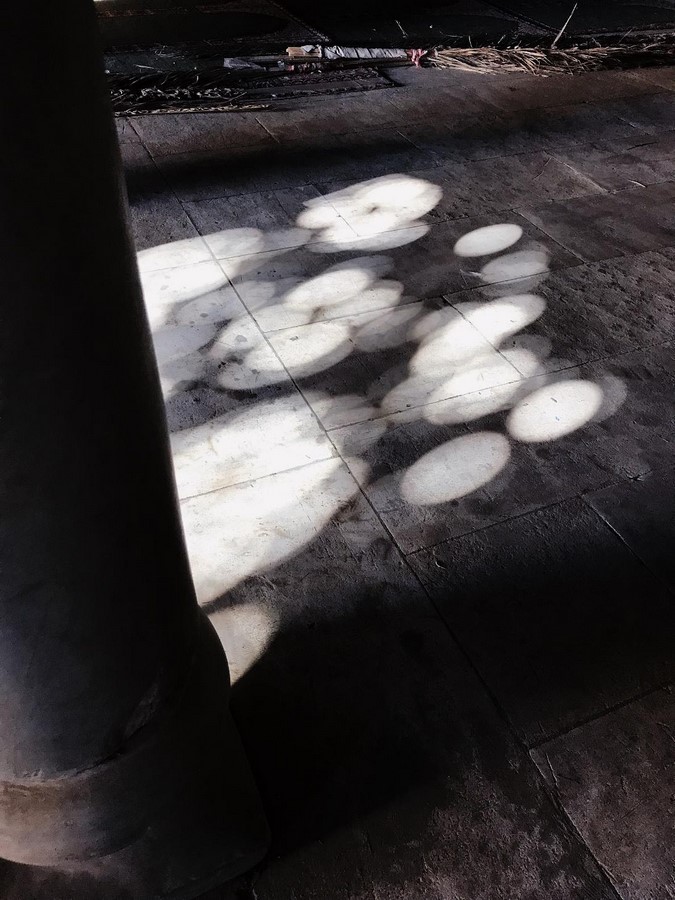
Architecture should leave a lasting impression. Its character, its elegance, and most certainly its presence should stick. Architecture students spend four years being trained to naturally spot architecture; buildings, streets, patterns, …etc. and then start observing everything else. The architectural experience is saturated by the image that was created of a space or a building. It will show itself through the shade people seek, or through the sculptured details that are extremely mesmerizing that no number of photos could capture its beauty. Whether it is conspicuous or not, architecture is not just seen, it’s lived, and if you are lucky enough, it will leave you with part of your brain forever altered. Altered to live through architecture. You will not be able to pinpoint the moment your perception changes, it gradually does. One moment you go by with your daily life, and the next you start staring at the ceiling and the tiles and thinking how this specific structure is standing. Your brain is wrapped around the architectural experience.
Creativity, Complexity & Advancement
Architecture is a full-on experience, it is not limited to just the ability to sketch, draw, or have an imaginative mind. Architecture education teaches time management, teamwork, and the more than occasional all-nighters. It expands the mind beyond the misconceptions that it just serves the aesthetic purposes of design. Design should also be contextually appropriate, functional, usable, sustainable, and structurally intact.
Architecture Education also builds up the necessary technical skills that are needed to positively impact the surrounding environments through design. Some of these technical skills are:
- Design Thinking: Even if you started with a basic understanding of design principles. Design studios introduce a whole different take on the design process. They emphasize user-end products, they diversify the projects from residential to public parks to community centers, …etc. Architects walk a very thin line between enhancing the quality of life and being the reason space is no longer habitable. So, it is their job to create environments that are not only aesthetically pleasing but also sustainable, resilient, and inclusive. This is how design thinking evolves, through exposure to different peoples, cultures, and beliefs.

- Building Technology: The technicality of construction is more often than not overshadowed by the importance of the design process. There are intricacies in architecture that are not perceived except through architecture education. From structural systems to mechanical and electrical systems, understanding materials, building codes, and construction processes ensures the safety and sustainability of the design.
- Digital Tools: All fields are experiencing technological advancements; architecture is no different. The exposure to different computer-aided design techniques and programs is crucial to the molding of an architecture student. Especially with the current era of rapid technological advancements and the introduction of architecture in the metaverse and AI design, it’s a necessity to always be up to date.

The Full Architecture Experience
No matter where you study architecture, the experience is quite similar. There are different parts of the education that all architecture students will relate to.
- Design Studios: They are a chaotic experience of ideas and brainstorming. You get to see everyone’s perception of the same project with completely different designs and ideas and it broadens the mind on how people perceive space and how they expect others to use them.
- 3D Modelling: They are the main tutor of resourcefulness. Experiencing physical models that are made of day-to-day materials that are dismissed like empty toilet paper rolls straws or blocks of Jenga, in your architecture study you get to purposefully play around with different materials to communicate the different proposals and different ideas that you have.

- Visualization: One or two years into your architectural education, students start picturing in spaces instead of in words. They will think in colors, shapes, and materials, and get to walk mentally through your spaces.
Different Types of Architecture Students
There is a myth revolving around architecture education that to be a good student you need to fit a mold or a certain set of criteria. You simply need to have a deep understanding of … everything. If you are not born with natural talent, and creativity, then this job is not for you. And that is all it is, a myth. You may have the head start of having a creative mind, however, architecture is experienced and therefore can be learned. There are different types of architecture students.
- The Creative: The person with the sketchbook who sketches their design the moment they are assigned.
- The Functional: The person who directly jumps to the building codes and user requirements of the design to provide the best user experience.
- The Artist: The person who usually thinks in renders and presentation boards and decides the theme for the whole project.
- The Modeler: They might use clay, blocks, or models on their computer, but in the end, their brain works in models and masses.
A Transformative Mindset
Architectural education is not just about learning facts and techniques; it is about cultivating a mindset—an architect’s mindset. It is a mindset that balances creativity with practicality, embraces continuous learning, and recognizes the profound impact that architecture can have on individuals and communities.
Images Sources
Sheldon, J. (2014). Brown Book on L-shape Ruler beside Pen [Photograph] https://unsplash.com/photos/ZSPBhokqDMc
Filipe, J. (2016). Monotone Architecture Corner. [Photograph] https://unsplash.com/photos/dSwjsxtDNbI