Remember, back in junior school, when the teacher gave us punishment to correct a mistake and write it 50 times? How much we despised it. At that time we all wanted to grow up and be in college. Elders said there were no such punishments there. I believed them. But when I landed in college, I realized that none of those people ever went to an architecture school. They had no idea that here, we begin by writing A, B, Cs on sheets of paper with a pencil. And redoing it is the next step when the faculties don’t consider it passable. When I told this to my parents, they were very intrigued.
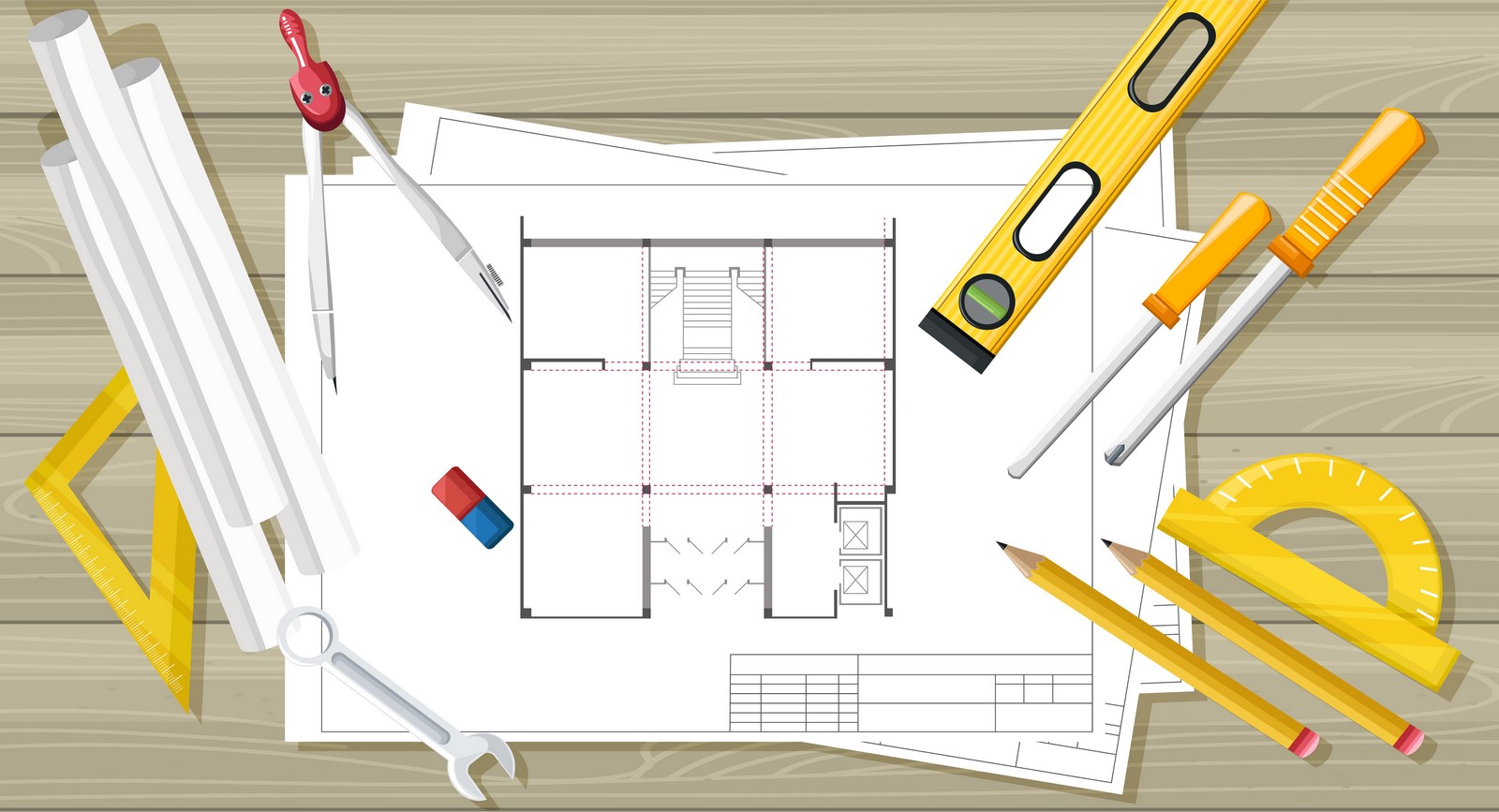
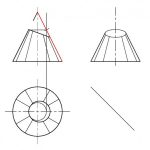
We are all so naive, curious, and hopelessly enthusiastic in our first term in architecture. So were I. And the excitement of getting something right, in time without revisions, was at its peak in the Engineering Drawing class. ED was one of my favorites, after ‘Structure Design’. Because it was non-artistic, specific, measurable, systematic. And coming from a mathematics background into architecture, these subjects were my absolute go-to. In one such ED class, we were learning about ‘Development of a truncated cone’. We were all set with our triangular scale, parallel bars, adjustable triangles, and fancy clutch pencils. No matter what, these drafting tools are so charming that they make you feel you have made the best decision by opting for architecture and somehow delays your process of getting skeptical about the school, faculty, and architecture.
Yeah, so we walked through the entire method of developing all the surfaces of a truncated cone and finally creating a 3D model out of it. This was a fairly lengthy process and would have taken us about an hour. Our studio was arranged in a way that there were two adjacent rows of drafting tables along the wall, on two sides of the room. So each student had a classmate sitting right next to them. They kind of became partners, while sitting nearby all day long, for many weeks now.
My partner was Chaitanya (substituted name). Chaitanya had recently dropped out of an engineering degree after completing two semesters, so he had done engineering drawing classes already. He had discovered there, how to make a GC (Glass Copy). He knew which assignments could be completed quickly by doing so. And people like me were ignorant enough to have never heard of this word. When he told us what it was, we reacted like a bunch of school going kids, “it’s cheating”. But he didn’t bother about what we thought of him. He was certain that he had no intention of doing things the hard way when they can be done with much less labor in a fraction of time. I never (in the first year) dared to make GC, but I always envied Chaitanya for he finished his assignments super quick. Also, because he knew a lot of things already, and that seemed unfair to someone as inexperienced as me.
In this ED class where we were working on our respective drawings, making sure the construction lines are lightweight, parallel bars are straight and the arcs are perfect. Everyone wanted to get it right, exactly like the one Samar sir had made. Forty-five minutes had flown by now, and I was still developing the drawing, whereas Chaitanya just announced he was done and looked at me smirking. I looked at his drawing sheet, then at him and soon went back on my own. I wanted to complete mine too. He looked at my sheet now and said, “Speed up, how long does it take you?” I was a bit irked at this point. Also, I was stuck at a point in my drawing and had a doubt. I looked out for the faculty, he was caught up with some students at the other end of the studio. I remembered I had no more time to waste, so I chose to ask Chaitanya about it. I asked him how he got the last section right, as mine was coming out to be disproportionate. To my amusement, he had worked backward and made some tweaks to the construction lines.
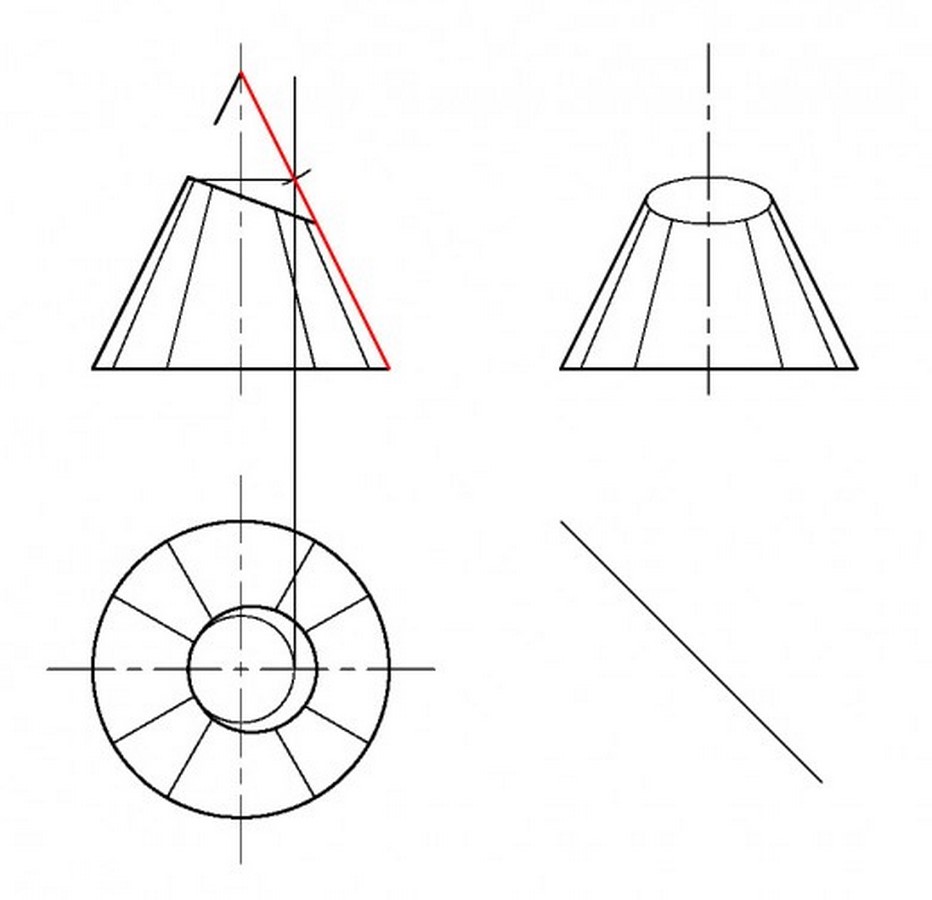
Yes, that’s Chaitanya for you. He would go to any length to complete the task at hand. He avoided pending works the most. I was giggling at what he had done when Samar sir showed up at our tables asking what’s been up. I promptly asked him about my query and assured that I revealed Chaitanya’s sheet in front of him, almost ignorantly asking if his approach was correct. Sir had previously seen Chaitanya’s sheet when he ‘claimed’ he was done. But on my request, he gave it a more thorough view this time and noticed that Chaitanya had made certain adjustments, what he called, ‘fixing’. It took not more than five seconds for sir to take out his pen and mark “redo” on his sheet. I laughed so hard that our classmates from desks close by, crowded around to quench their curiosity of ‘what happened!’. When they found out, everyone broke into laughter including Chaitanya. Redo is a mark for revising your work from scratch, a mark that nobody wants.

For the whole semester, that A3 drawing sheet was pinned up like a masterpiece on Chaitanya’s soft board and he never forgot to mention how I got him a ‘redo’ for no reason. Years later, I understood his annoyance when during the internship, all the revision work used to fall on my plate because literally, nobody likes revisions.