Long before form decided to follow function or anything else it deemed fit, architecture students were initiated through the ‘material’ universe before they could transcend into the hallowed precincts of the world of design.
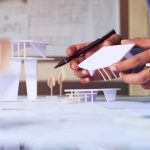
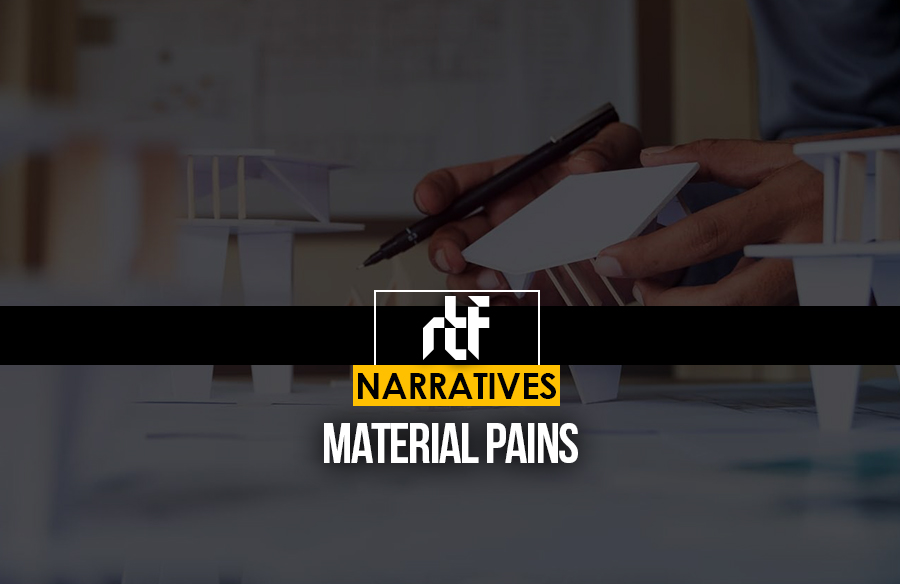
Everyone with an architecture degree would agree with the fact that model making was one of the most taxing but satisfying experiences of architecture school, well, other than those who managed to outsource this work to willing minions. For most of us, we started simple. The first year brought on paper models, which we all got an ‘A’ grade on.
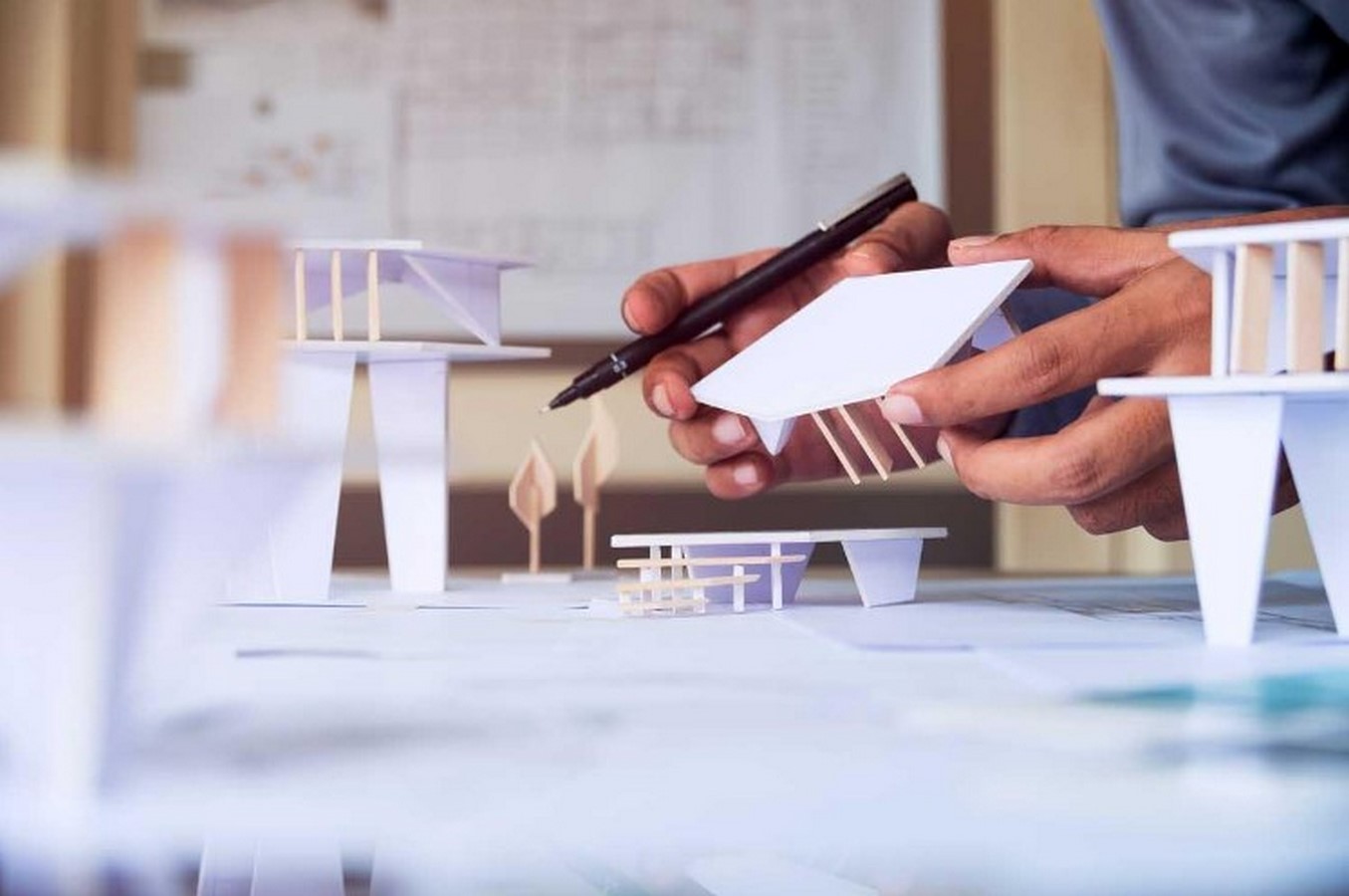
Looking back on them, they were nothing more than a series of mediocre origami creations that had a lot of angular elements juxtaposed with curved surfaces to make them look conceptual and abstract. We then moved on to Thermocol, or what is known as polystyrene, which, in my case, was of extremely questionable quality. After hours of tedious and meticulous work, using glue and a cutting knife, the studios and most homes looked like they had been heavily snowed. Thermocol flakes clung to every available surface like burrs, and it can be presumed with a fair degree of certainty that every architect worth his salt would undoubtedly be having at least one flake unwittingly lodged in his alveolus. The result of the carving was almost always an oddly-shaped white block with cutouts that looked like they had been clawed or gnawed into. As the years went by, there came the evolution to the smart discovery- the brown and beautiful file card. File Card was flexible, fast, and free if you scrounged around your school for it. The models now looked much cleaner and neater with a rustic flair, but the fingers had double the wounds from all the scoring with the sharp and rusty cutters that we, the budget-conscious students, simply refused to discard.
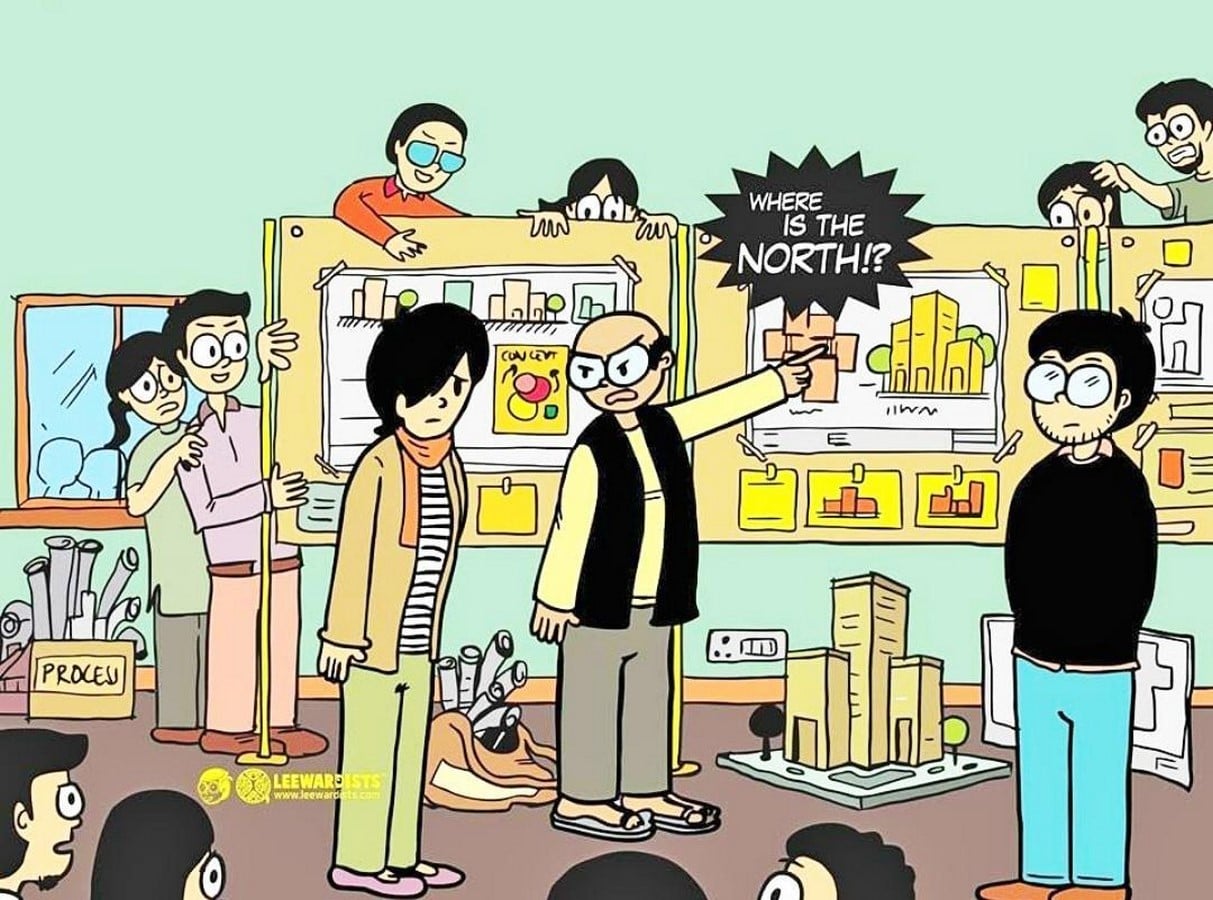
The later years of architecture studies brought a new level of sophistication with the white sun boards. They were a success only if one knew how to keep the white surface smudge-free but were disastrous when it came to glue stains that were inevitable as most of the time, these models were put together in a hurry and completed at the very last minute. The sun board proved to be very sturdy, stable, and could even withstand being thrown away by a hypercritical and perfection-seeking juror. As we inched closer to our final thesis, we graduated to the ultimate material. The medium-density fiberboard or MDF, as it is commonly called, was brought to play. MDF was manna from heaven. Unlike past experiences, it was easy to maintain, showed no glue stains, was sturdier than earlier materials, and was also easy to laser cut. However, the problem was that once laser cut, it would be a mammoth task to assemble the model from parts that looked like they were from a 1000- piece jigsaw puzzle.
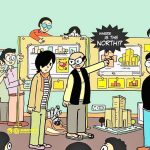
From a conceptual model and a working model to a presentation model, we explored so many more different materials that would showcase our project best, and just when we felt that we had effectively tackled the world of model-making, new materials would emerge to leave us all in a tizzy again. Till the inevitable happened, we just continued on our path, distinguishing rights from wrongs. At the same time, the models that caused countless hours of hardship and exacted many a sleepless night followed their karma into the recycling bin or lay abandoned on many a jury table. These models led one to conclude that, in architecture, as in life, it is the small, but by no means insignificant things, that help one see the larger picture.