1. The Stress of End-of-Semester Jury
As an architecture student, the end-of-semester jury was always a stressful time. They would spend countless hours working on their projects, refining their designs, and preparing their presentations. The students would rehearse their speeches repeatedly, ensuring they knew every detail of their projects inside out. But despite all their preparation, nothing could have prepared them for the unexpected turn of events during one final jury.
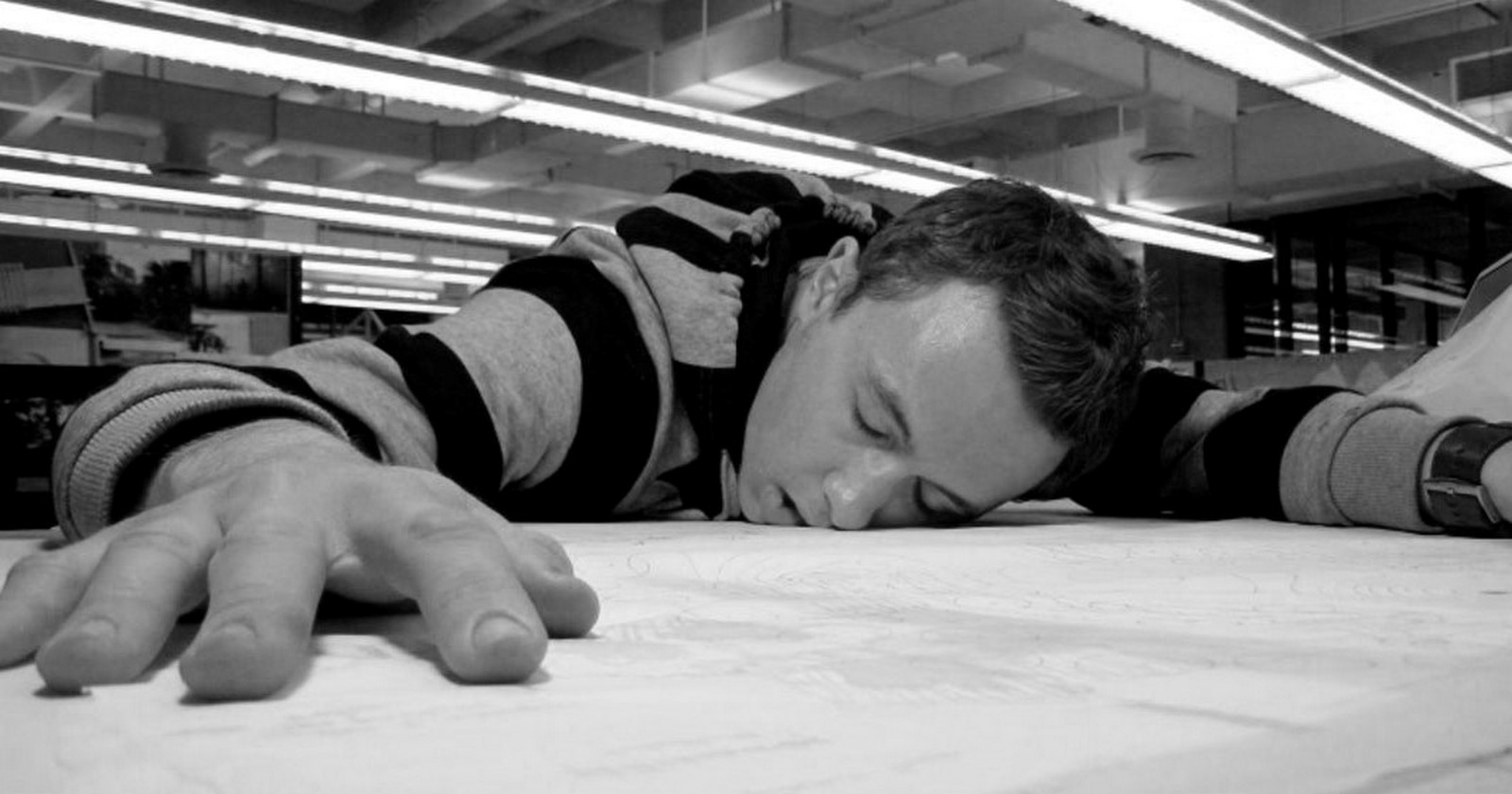
It all started with a simple mistake. One student had been up all night, putting the final touches on their project. They were exhausted, and their eyes were heavy with sleep. But they knew they had to make it to the jury, so they dragged themselves out of bed and went to the studio. When they arrived, they realized they needed to remember their presentation board in their dorm room. They panicked. How could they have forgotten the most important part of their project?
2. Preparation and Rehearsal
They rushed back to their dorm room, grabbed their presentation board, and returned to the studio. They were running late, and they could feel their heart pounding. When they arrived, they were out of breath and disoriented. They stumbled into the studio, tripped over a power cord, and crashed into a table. Their presentation board flew, and they watched in horror as it landed on the floor, splintering into a thousand pieces.
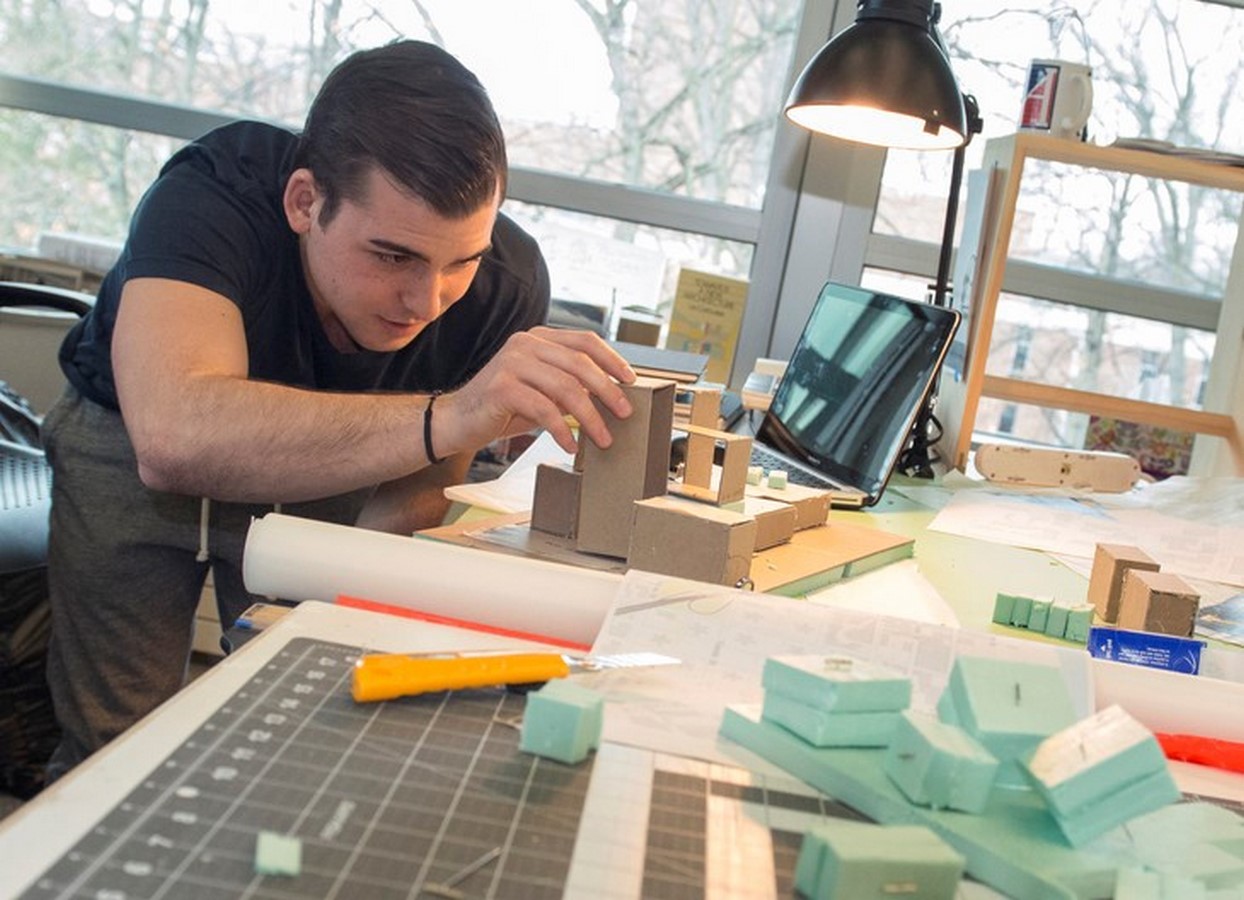
3. A Simple Mistake
The student was devastated. Their project was ruined, and they had nothing to show the jury. They felt like they were going to faint. But then, something unexpected happened. One of the jurors, a stern-looking professor with a reputation for being a hard grader, started laughing. At first, they thought he was laughing at them, but then they realised he was laughing at the situation. He said something like, “Well, that’s one way to make an impression,” and the other jurors joined in.
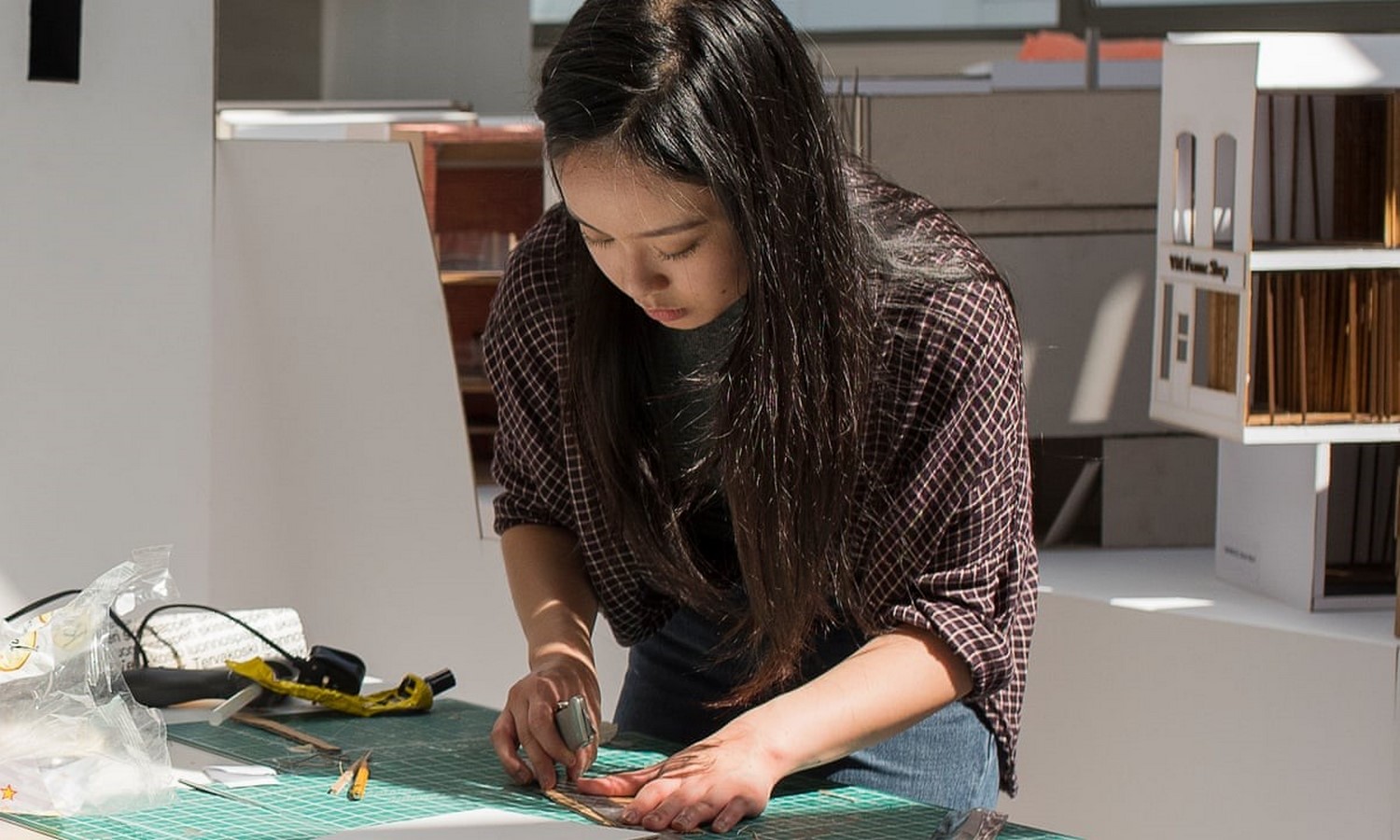
4. Devastation and Confusion
The student needed clarification. They had expected the jurors to be angry, disappointed, or even pity them. But instead, they were laughing. It was a strange and unexpected turn of events, and it took the student a few moments to process what was happening. But then, they started to laugh too. They realized how ridiculous the situation was and how silly they must have looked, stumbling into the studio like clumsy fools.
5. The Laughter of the Jurors
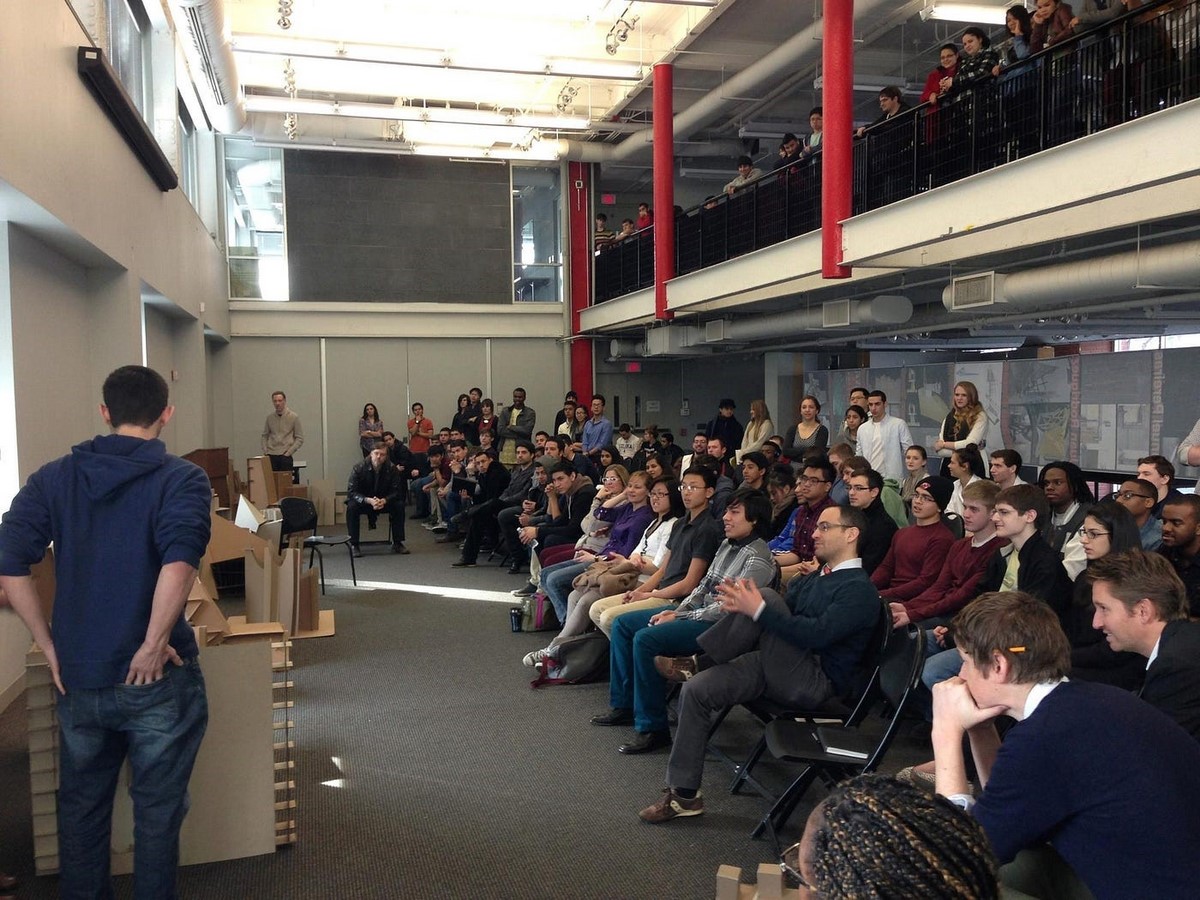
From that moment on, the jury took on a completely different tone. Instead of being tense and stressful, it became lighthearted and fun. The jurors joked around with each other, making light of the student’s mishap, and even suggested how they could salvage their project. They ended up having a great discussion, and the student felt like they had connected with the jurors on a personal level.

6. A Valuable Lesson
In the end, the student didn’t get the best grade in the world, but they did learn something valuable. They learned that sometimes, unexpected and humorous things can happen when you least expect them. They learned that it’s okay to make mistakes and that it’s important to be able to laugh at oneself. And they learned that the architecture community is full of passionate and creative individuals who are always willing to lend a helping hand, even in the most unexpected of circumstances.
7. Human Connection in Architecture
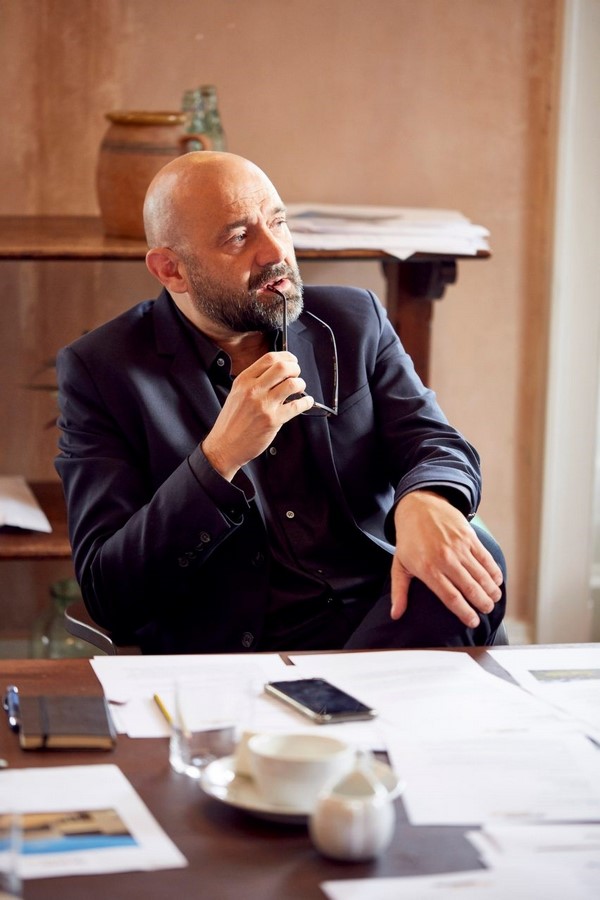
Looking back on that day, the student couldn’t help but smile. It was a moment of levity in an otherwise stressful and intense semester. It was a reminder that even in the most serious of fields, there is room for humour and human connection. And it was a lesson they would carry with them for the rest of their lives.
8. Don’t Be Afraid to Laugh at Oneself
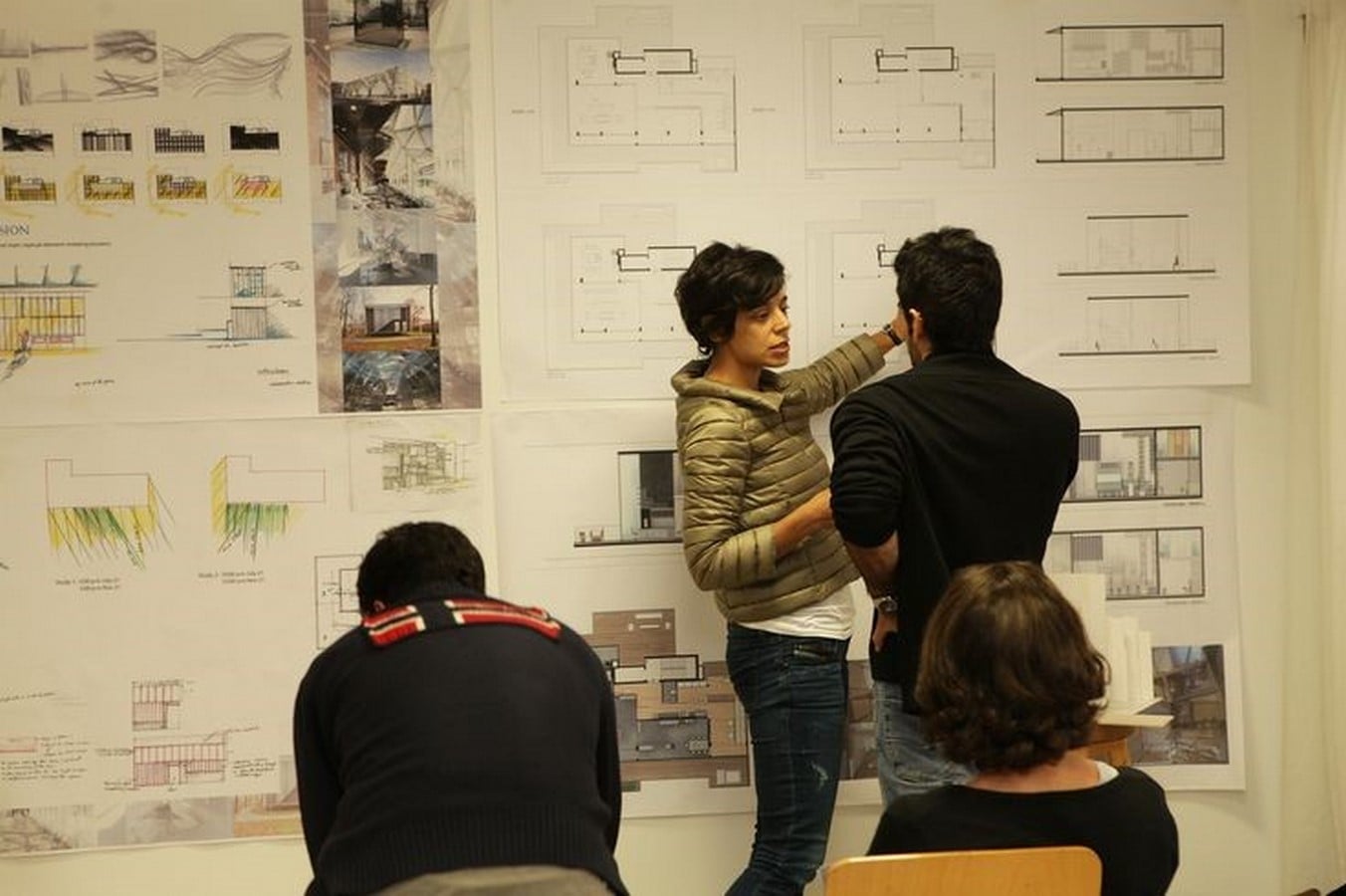
As the student reflected on that day, they realised that the jury experience was more than just a funny story. It was a reminder of the importance of human connection and community in architecture. As architecture students, they often spent long hours in the studio, working on their projects in isolation. It was easy to get lost in the details and lose sight of the bigger picture. But the jury experience reminded them that they were not alone.
In a field where creativity and innovation are valued above all else, humour and playfulness are essential. They allow architects to think outside the box, to take risks, and to embrace the unexpected. They remind us that we are not just designing buildings but creating spaces that will be inhabited and experienced by real people. And they help us to connect with those people on a deeper level.
In the years since that jury experience, the student has gone on to work in the field of architecture. They have encountered many challenges and obstacles but have always remembered the lessons they learned during that fateful jury. They have continued to embrace humour and playfulness in their work, and they have continued to seek out human connection and community in the field.
They have also come to appreciate the value of sharing their experiences with others. The architecture community is full of stories and anecdotes that are relatable and inspiring to others. By sharing their story, the student hoped to remind others of the importance of humour, community, and human connection in architecture.
In conclusion, the jury experience was a humorous and unexpected turn of events that taught the student valuable lessons about the importance of humour, community, and human connection in architecture. It reminded them that even in the most serious fields, there is always room for laughter and levity. It taught them to embrace the unexpected and to be able to laugh at themselves. And it inspired them to continue seeking human connection and community as architects.
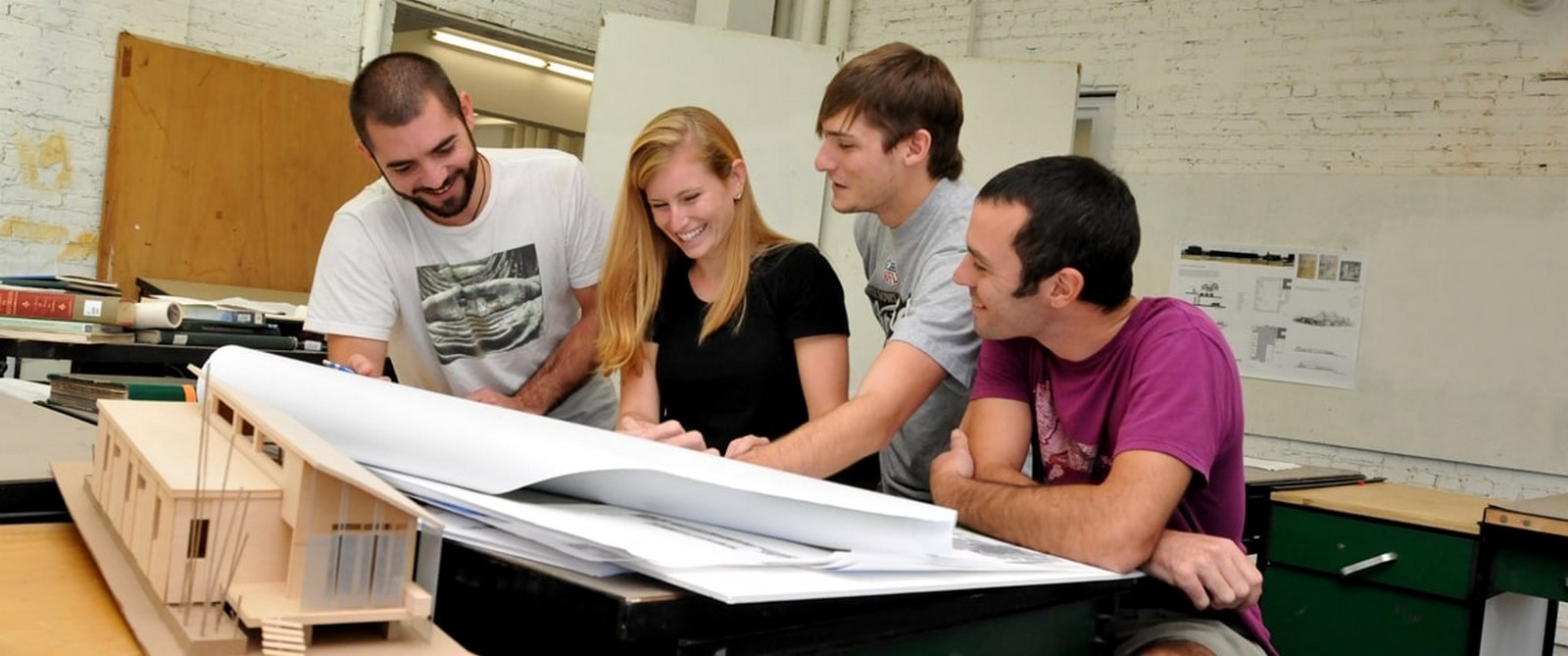
So, to all the architecture students, don’t be afraid to laugh at yourself, even when things go wrong. Embrace the unexpected.
Citations:
Workshop (2015) B.15 Modelmaking workshop. Available at: http://b15.humanities.manchester.ac.uk/?tag=plywood (Accessed: May 7, 2023).
LaValley, A.M. (2021) Understanding burnout in architecture school and the profession – architizer journal, Journal. Available at: https://architizer.com/blog/inspiration/industry/understanding-burnout/ (Accessed: May 7, 2023).
Advice for student architects: How to survive the crit (2017) The Guardian. Guardian News and Media. Available at: https://www.theguardian.com/education/2017/jun/01/advice-for-architecture-students-how-to-survive-the-crit (Accessed: May 7, 2023).
Sebastian Jordahn |20 November 2018 Leave a comment (2018) “architecture has the power to give something back to communities” say dezeen awards judges, Dezeen. Available at: https://www.dezeen.com/2018/11/20/dezeen-awards-2018-architecture-jury-movie/ (Accessed: May 7, 2023).