Architecture is a unique form of art that has the power to shape the way we perceive the world around us. It goes beyond simply designing and constructing buildings; it involves creating spaces that elicit a specific emotional and psychological response from those who inhabit them. As an observer, architecture could change one’s perspective by providing a new way of seeing and experiencing the world.
From altering our sense of scale and time to inspiring us to be more conscious of our impact on the environment, architecture can have a profound impact on the way we perceive and interact with the world. By understanding the ways in which architecture affects our perspective, we can develop a greater appreciation for the art and science of building design, and use it to create spaces that enhance our lives and communities.
Just think of public spaces, they are inextricably linked to architecture as they are often designed to create welcoming, functional, and aesthetically pleasing environments for people to gather, and engage with their communities. Public spaces are essential for the health and wellbeing of urban communities, providing places for people to socialize, exercise, relax and enjoy cultural events. Well-designed public spaces provide an inviting environment that promotes socialization and fosters a sense of community.
Public spaces also serve as a canvas for public art and cultural events. The architecture of these spaces enhances the experience of public art, providing a complementary backdrop and creating a sense of awe and wonder. Similarly, the architecture of public spaces supports cultural events such as concerts, markets, and festivals, providing a functional and aesthetically pleasing environment for these activities.
Public spaces also play a vital role in promoting environmental sustainability. They can incorporate sustainable materials and design elements, such as green roofs, solar panels, and rain gardens, to reduce the environmental impact of these spaces. Additionally, public spaces can be designed to support sustainable transportation modes such as walking, cycling, and public transit, reducing the need for personal vehicles and their associated environmental impacts.
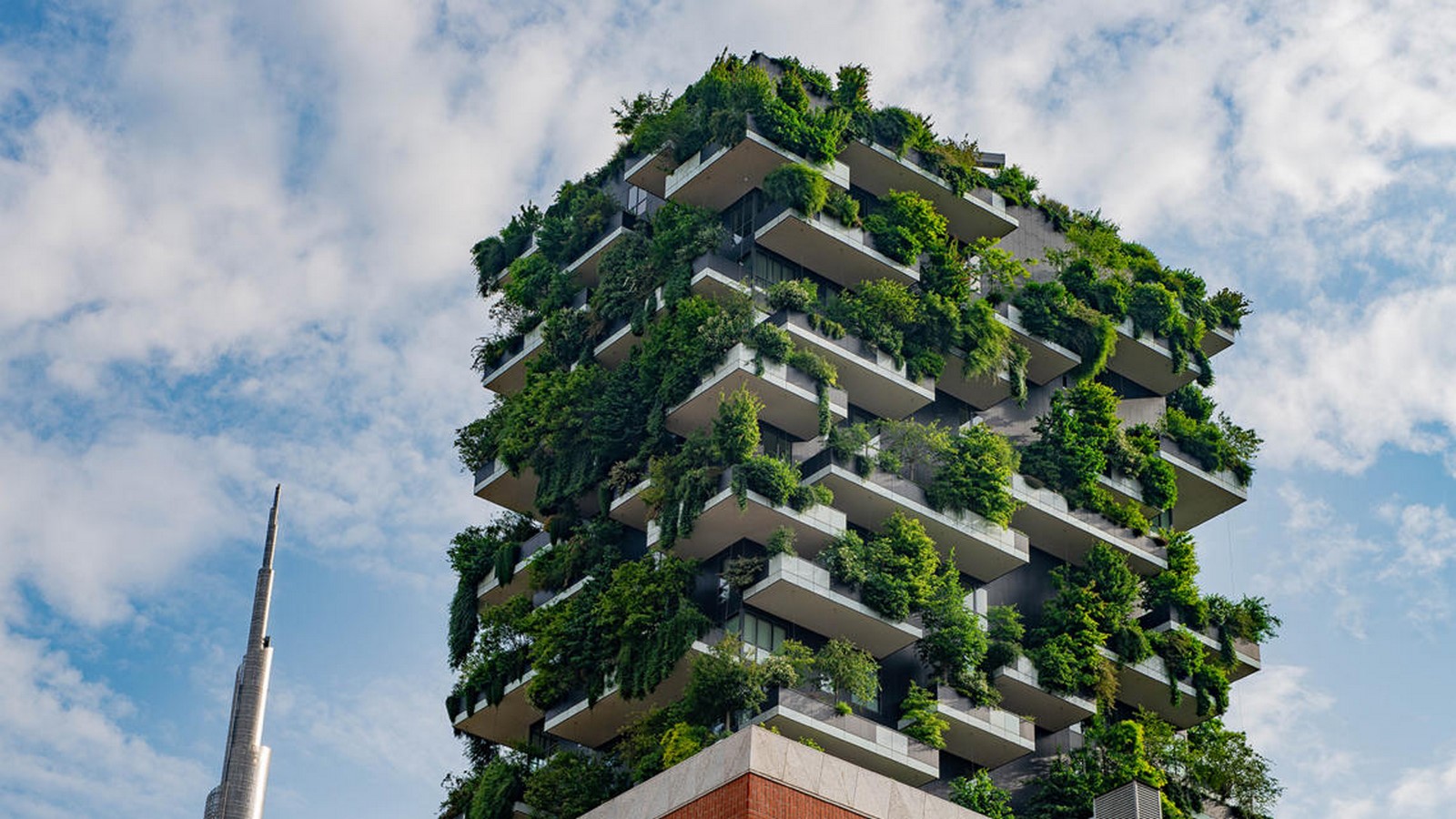
_© https://www.wbcsd.org/Overview/Panorama/Articles/At-one-with-nature-the-philosophy-of-organic-architecture
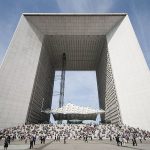
One way of perceiving is by altering our sense of scale. A towering skyscraper can make us feel small and insignificant, while a cozy cottage can make us feel safe and secure. The proportion of a building can greatly affect its appearance and the way it is perceived by viewers. A building with tall and narrow proportions can give the impression of height and grandeur, while a building with short and wide proportions can appear more grounded and stable. The scale of a building can also be influenced by the surrounding environment. A building that is too large or too small in relation to its surroundings can look out of place and unattractive. The scale of the building must be appropriate to its surroundings to create a harmonious overall effect.
Architecture can also change our perspective on culture and history. The design of a building reflects the cultural values and history of a particular place and time. For example, the Gothic architecture of Notre-Dame Paris is a testament to the history and cultural significance of France. Similarly, the modernist architecture of the Bauhaus movement represents a shift in design philosophy and cultural values during the early 20th century. The town planning styles have also been changed with the modern world. Earlier, the spaces were designed considering the cultural values and the community factor. The planning today has become compact and narrow eliminating the community factor and including nuclear-ness to it.

_© https://www.behance.net/gallery/9009739/A-different-perspective-La-Dfense-Paris
Architects are now looking at a larger picture within their cities, rather than sourcing solely on individual projects and are seeing the need for architecture to engage within cities. They are using concepts like “eyes on the street” and are working physically on solutions. This has become possible, due to active participation of the citizens, who are able to provide valuable feedback for master-planning. There is a shift in design sensitivities like the use of glass and making designer-shaped buildings; but now they are shunned as they are built out of context implementation. The concept of sustainability and “going green” have become common for some architects and real estate builders. The importance of context, sustainability, nature and creating an architecture that is true to our nature has gained much credence.
Concludingly, architecture has the power to shape our perspective in many ways. From altering our sense of scale and time to inspiring us to be more conscious of our impact on the environment, architecture can have a profound impact on the way we perceive and interact with the world. By understanding the ways in which architecture affects our perspective, we can develop a greater appreciation for the art and science of building design, and use it to create spaces that enhance our lives and communities.