The five years of architecture school are nothing short of a lesson in life itself. Embracing the inner creative potential comes as a subsequent to the many skills that precede it.
Here are the things Architecture School has taught me:
- Details, details, details
The first few semesters of college essentially lay the foundation for meticulosity- right from choosing different grades of pencils for different line weights, to using the most appropriate scales. Studying the right way to letter, essentially the alphabet, marks the renaissance of the learning—wherein each line of the drawings is marked by intention and deliberation.
- Timing Creativity
A key lesson learned from the many attempts at building design is to develop a process. Perhaps it is beginning with mood boards and guided by case studies, or even a deep dive into the design by visualizing a form fit for the context first. The arduous fine-tuning of this methodology is essential in the marriage of creativity with deadlines.
- Unique Perspective
Perhaps this is an occupational hazard, but studying buildings makes every building an example, every room a void carved for inhabitants and every window a temporal art installation emitting light.
No matter that the pieces that comprise the puzzle of a building seem banal to most, studying the best physical creations cannot but force an appreciation for the built world. Whether this manifests as romanticization or cynicism, the unique spatial cognition makes all the difference in the perception of the world at large.
- Teamwork and Mediation
A number of hands are involved in every single project of any size, and mediation is necessary lest the process of construction should become a veritable bedlam of “too many cooks”. The many group projects, semester-after-semester, serve as training wheels of sorts—teaching patience, efficiency, and camaraderie before teaching design. For when these wheels finally come off, the architect must balance the expectations of all parties involved and nurture the project to completion.

- Balancing imagination and real-world restrictions
Students of architecture often harbour a bit of a grudge against the realities of the world. This is not to say that the practicality of designs is in question, but the miles of red-tape and hours of design debates involved in the realization of a design can often be frustrating, to say the least. Imagination, the single greatest quality in an architect’s creative arsenal, goes through many layers of reduction by the time of execution.
- Responsibility towards the environment
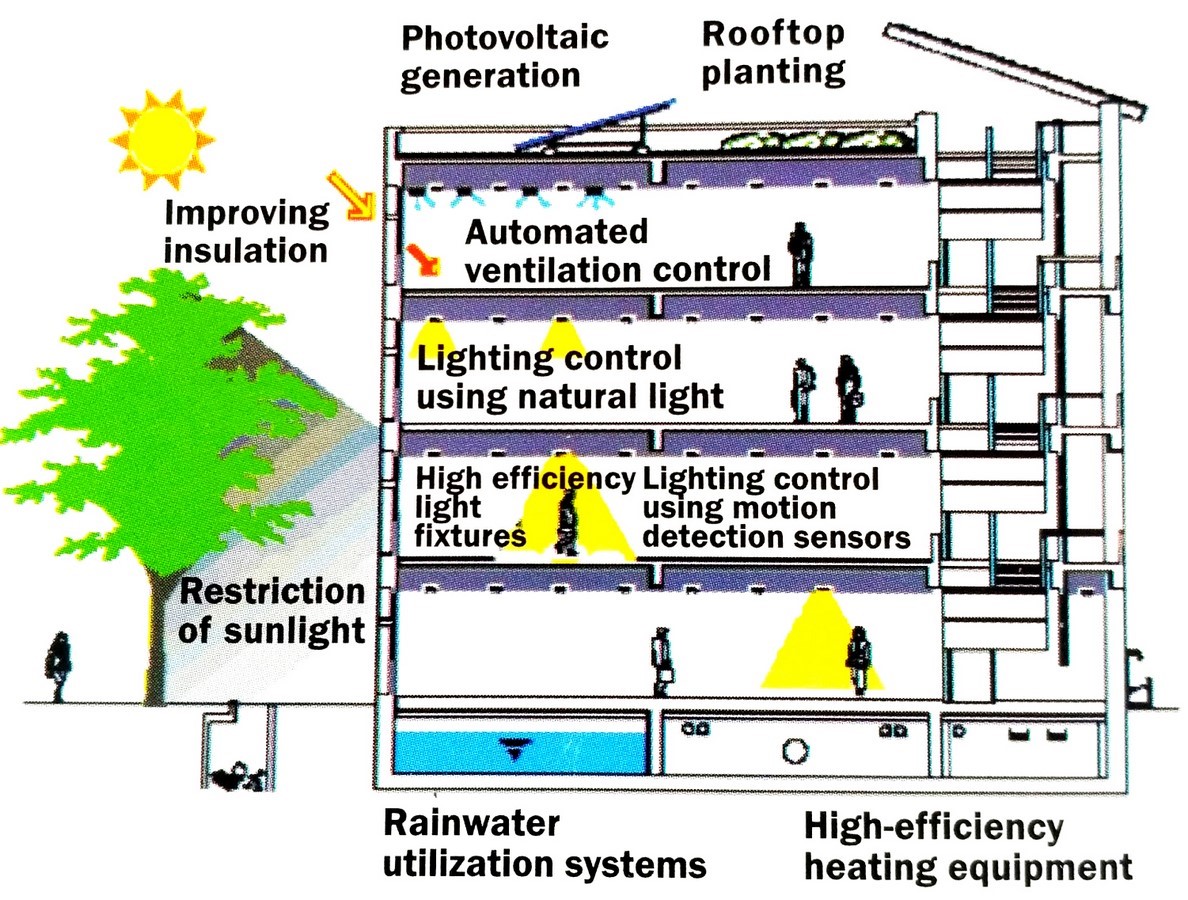
The terms “sustainability” and “green design” go beyond mere trends in design. With a considerable significance placed in the context, it feels imperative that the building serves not only the users inside but also the environment without.
The practice goes beyond the catchphrases. Learning how to read the site and climate, there instilled awareness of the impact the build-world has on the natural ecosystems. Few professions can boast such great advocacy towards environmental conservation.
Vast Knowledge
The course prospectus should serve as ample proof that the profession demands more than just design savvy. Art History, Economics, and Law? The seemingly “mile wide, inch deep” curriculum, in hindsight, reflects a holistic set of skills that individuals wielding any power over the built environment should rightly possess. That, and for making scintillating dinner conversation for the rest of their days.
Sensitivity
Creating a space for a particular function is not limited to the physical aspects alone. The visceral plays a leading part in the experience, and it is with a great deal of introspection and extrospection that space is designed. Relating hard data like area and footfall to a feeling—whether congested, sparse, or comfortable—helps predict what a user may experience; and sensitivity to these is instrumental to making better places.
Aesthetics
Cultivating good taste in spaces comes with learning the underlying principles of aesthetics. The significance of aesthetic appeal comes second only to the functionality of a space, and creating a thing of beauty that people may dwell within is a very calculated science. It is an amalgamation of pleasing proportions, engaging colors, and conducive light, all within the confines of ergonomics.
Presentation
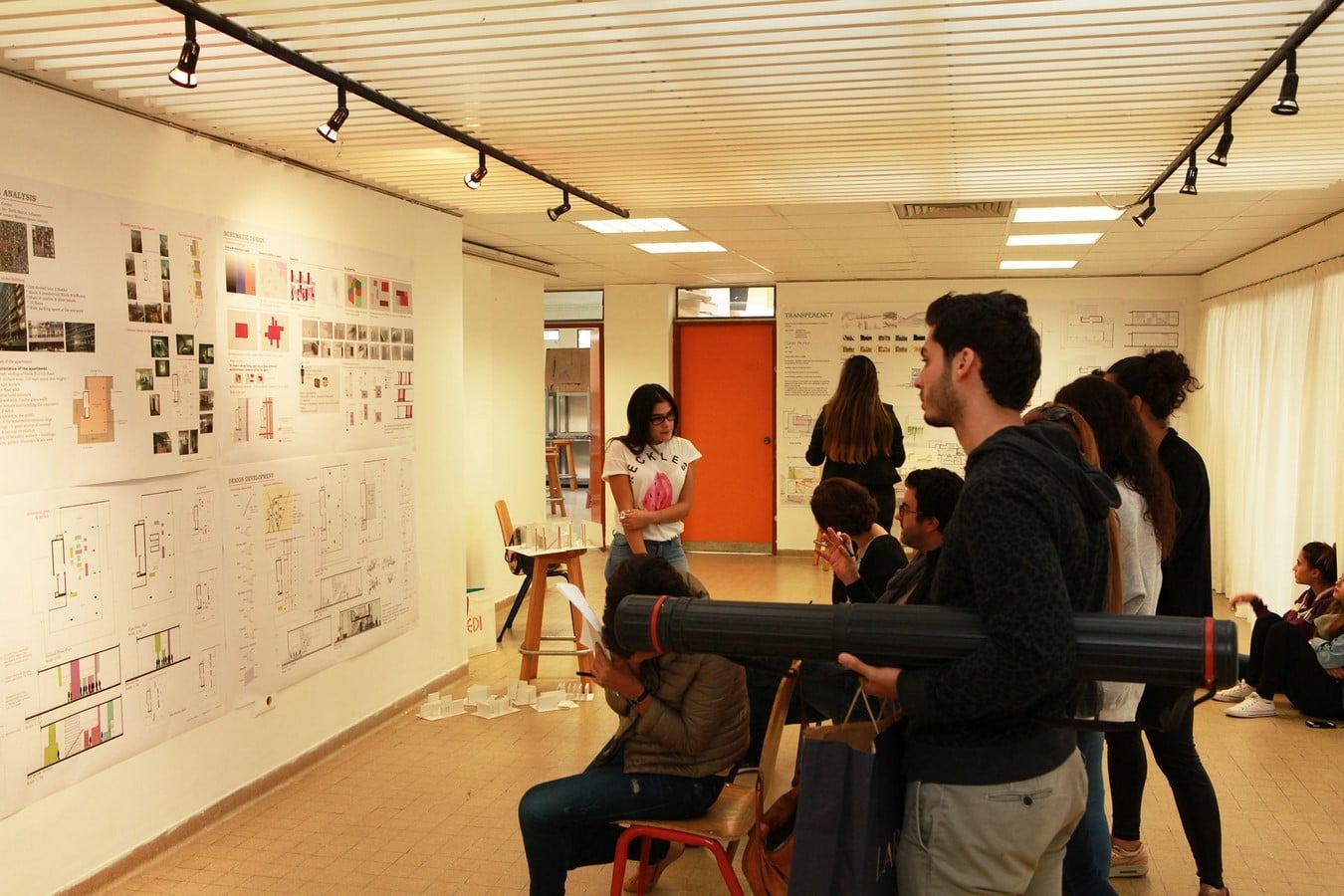
However true the advice to not judge a book by its cover, the significance of good visuals and graphics is not lost on students pinning up their work every week for a review. A great deal can be learned from a few moments spent under the microscope, where even a jury of peers seems daunting at first. Be it discussing one’s ideas articulately or creating fun sheet layouts to make data less tedious, each time it is a performance with unforeseen outcomes. If that doesn’t teach one to think quickly on their feet, nothing may.
Objectivity
As all creative endeavors are, the designs in college feel deeply personal. It is without a doubt that the uniqueness of each mind is reflected in what is created, but the pressures of a grade attached to it often cast a shadow of a doubt. Thus, learning to separate the work from the person is significant- and often a healthy practice. The subjectivity of design preferences, though tough to take in stride, serves as a key reminder that pleasing everyone is impossible.
The journey from an imagined design to the materialized building is walked in many, many years. The steps taken in a school for architectural study set the direction for this, in hopes that the passengers will learn to cherish the journey as much as the destination.