The central government of Somalia officially collapsed in 1991 when President Siad Barre’s regime officially ended. Following Barre’s ousting, Somalia descended into a prolonged period of civil war and statelessness, with various factions vying for control of the nation and instability prevailing in the country. Since then, and in more recent times, efforts have been made to establish a functioning central government and stabilize Somalia.
Project Name: Arbe
Studio Name: DO Architecture Group
However, in recent years, Somalia has seen a constant battle with terror groups that affected with their action the peace and stability that the nation searched for so long. Despite this, the whole nation, thanks to the collective efforts of the Somali population in Somalia and abroad is seeing a new era of development, in particular within the capital city Mogadishu. The collective efforts that are helping rebuild the social and political fabric of the nation are slowly allowing the citizens to take ownership of the public spaces and a more normal daily life.
Arbe café wants to respond to the need for spaces for gatherings while challenging the usual design characteristic of restaurants and café within the city.
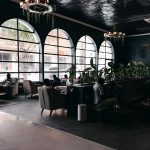
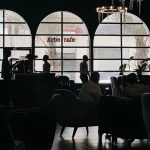
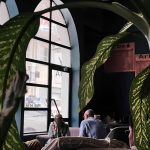
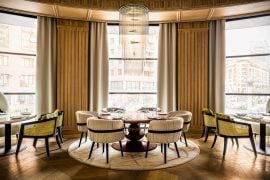
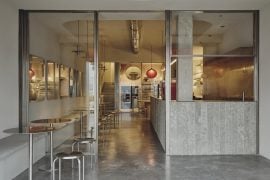
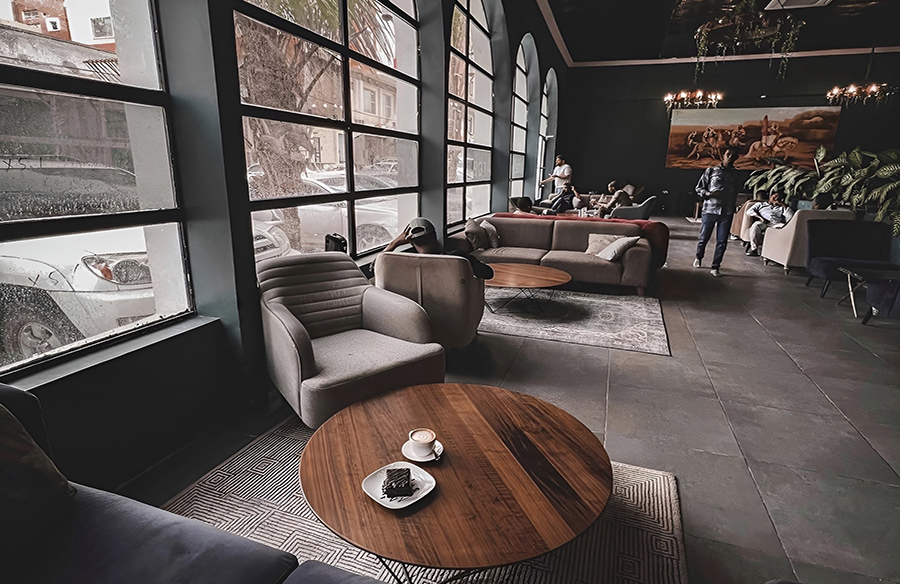
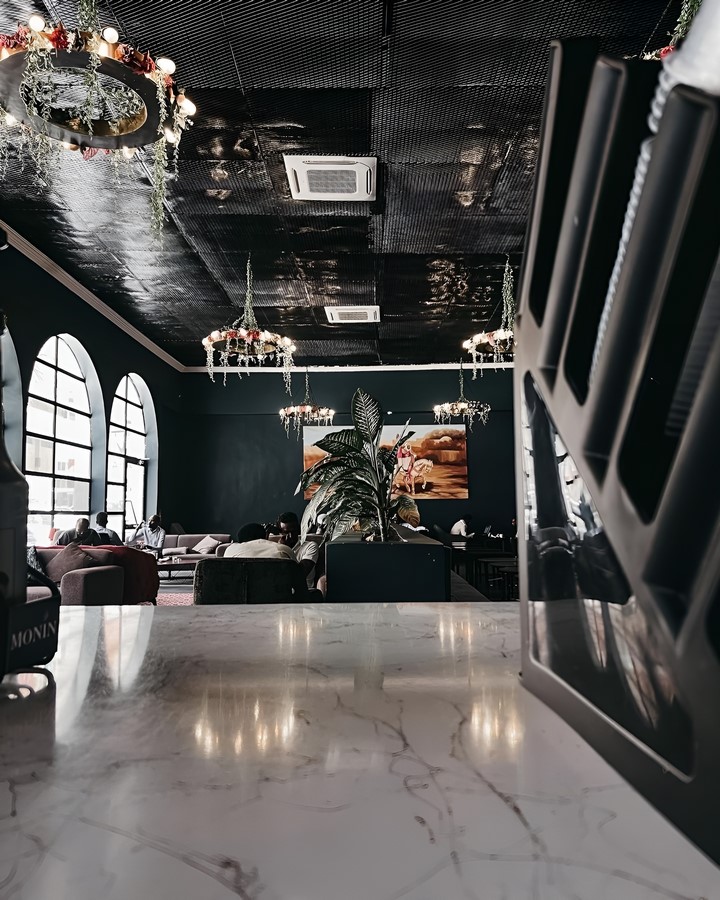
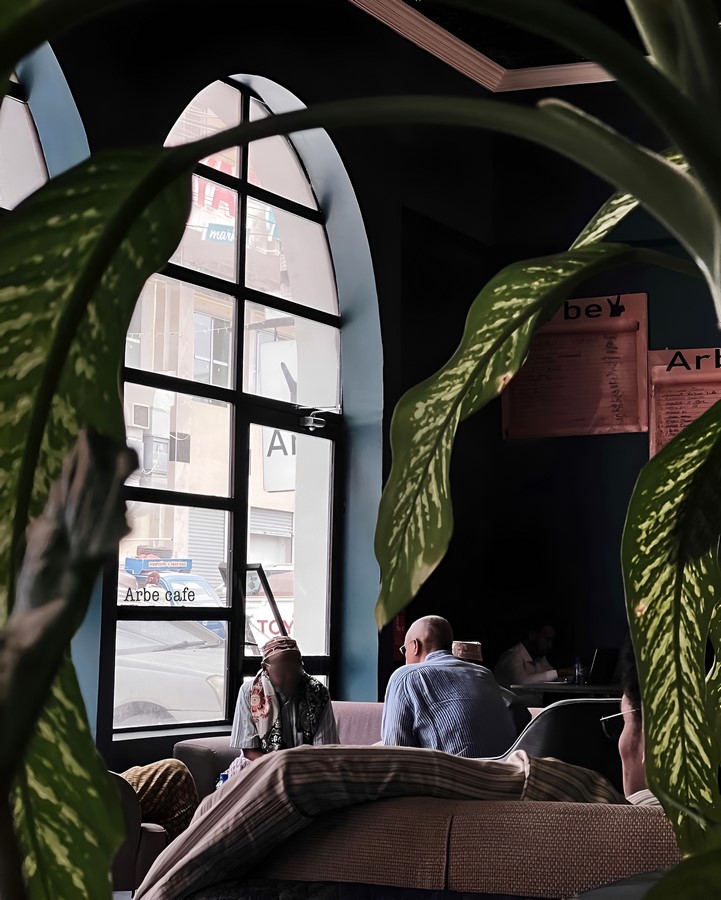
The café is located in the heart of Mogadishu’s financial district, on what is now a commercial road. The idea behind the space was to create a strong connection between the inside and the outside challenging the normal development of restaurants and café that, due to security concerns, have usually small windows with minimal glass surfaces. The space is characterized by large arch windows that force a strong communication between the inside and the outside space creating an indirect communication between the life outside the café and the one inside it, challenging directly the perception of security of the city itself. The arches are inspired by what was once the gold market of Mogadishu which was located in the historical center of the city, Xamarweyne, an important market that was characterized by a big central square and porches with round white arches.
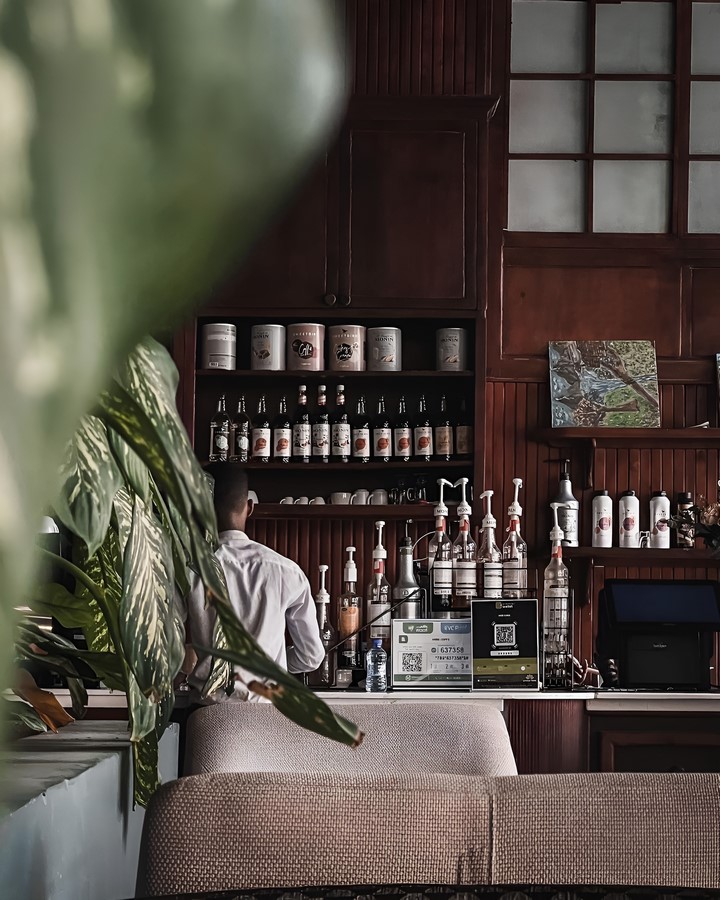
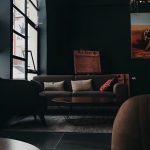
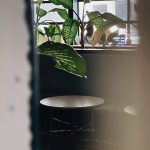
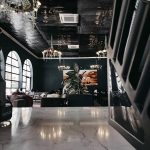
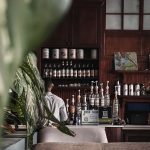
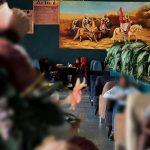
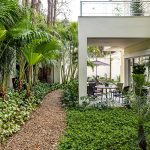
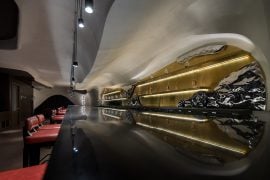
The interior space wants to provide a soft cozy feeling to the space where the big windows become the main protagonist and focus, highlighting during the day the interior spaces with the natural light coming from outside while during the night engaging the road with the soft light coming from the inside. The concept of inside-out is taken further with a long concrete bench that divides the main area of the café which also works as a pot for local plants, bringing a small memory of what was once a very green city. The counter area is designed using recycled wood coming from old furniture and planks, this was a decision taken in response to the strong desertification and charcoal crisis with the intention of at least, within this small space, reducing the use of none recycled wood. To create that sense of nostalgia and hope, around the café, there are paintings made by local artists that portray scenes from the history of Somalia and its rich heritage. The external façade consists of 10 arches ( 2 of them are blind) and a series of benches integrate into the design of the front façade that aims to support the engagement of the community and clients with the public space around the café. One of the main challenges that the city face is the lack of trees that have been trimmed down over decades to produce charcoal and that caused, together with many other issues, the migration of the local fauna and an increase in the general temperature of the city, as a response to that we planted 4 palm trees in front of the façade which are today the only trees of the whole road.
The combinations of the palm trees and the white façade with the arches are a tribute to what was Mogadishu before the civil war, a city named the “white pearl of the Indian Ocean” due to the green of the palm trees, the white of the buildings and the blue of the Indian ocean. I wanted to respond with this project to the challenges of one of the most fragile cities in the world by using architecture as a tool to promote peace and development, engaging the use of public spaces, and challenging the feeling of insecurity while providing hope and answers to how the new spaces should respond to the future challenges while creating a more resilience city.