• Careers
  • About
  • Submit Your Story
  • Subscribe
Search for:
  • Facebook
  • Twitter
  • Pinterest
  • LinkedIn
RTF | Rethinking The Future
  • RTF Awards 26
    • Rethinking The Future Awards 2026
    • Previous Awards
      • 2025
        • RTF Awards 2025 | Results
        • GADA 2025 | Results
      • 2024
        • RTF Awards 2024 | Results
        • GADA 2024 | Results
      • 2023
        • RTF Awards 2023 | Results
        • GADA 2023 | Results
      • 2022
        • RTF Awards 2022 | Results
        • GADA 2022 | Results
      • 2021
        • RTF Awards 2021 | Results
        • GADA 2021 | Results
      • 2020
        • ACD Awards 2020 | Results
        • RTF Awards 2020 | Results
      • 2019
        • GADA 2019 | Results
      • 2018
        • ACD Awards 2018 | Results
        • GADA 2018 | Results
      • 2017
        • RTF Awards 2017 | Results
        • RTF Sustainability Awards 2017 | Results
      • 2016
        • RTF Sustainability Awards 2016 | Results
      • 2015
        • RTF Sustainability Awards 2015 | Results
      • 2014
        • RTF Awards 2014 | Results
    • Competitions
      • RTF Writing Competition 2021
      • Architectural Photography Competition May 2020 – Results
      • RTF Architectural Visualization Competition 2020 – Results
      • RTF Essay Writing Competition April 2020 – Results
      • Designer’s Days of Quarantine Contest – Results
      • Urban Sketching Competition May 2020 – Results
  • Articles
    • Architecture+
      • Architectural Community
      • Architectural Facts
      • RTF Architectural Reviews
      • Architectural styles
      • City and Architecture
      • Fun & Architecture
      • History of Architecture
    • Design+
      • Design Studio Portfolios
      • Designing for typologies
      • Product Design
      • RTF Design Inspiration
    • Art
    • Architecture News
    • Construction & Materials
    • Covid and Architecture
    • Know Your Architects
    • RTF Fresh Perspectives
    • Career Advice
    • Case Studies
    • Landscape Architecture
    • Narratives
    • Sustainable Architecture
    • Technology & Architecture
    • Top Architects
    • Travel and Architecture
    • Technologies
    • Architectural Insights
    • Articles
  • Courses
  • Future Talks
  • Projects
    • Architecture
      • Cultural
      • Commercial
      • Educational
      • Healthcare
      • Hospitality
      • Housing
      • Institutional
      • Mixed Use
      • Office Buildings
      • Public Building
      • Recreation
      • Residential
      • Sports & Recreation
      • Temporary Structure
    • Interior Design
      • Commercial Interior Design
      • Corporate Interior Design
      • Healthcare Interior Design
      • Hospitality Interior Design
      • Residential Interior Design
    • Landscape
    • Product Design
    • Skyscraper
    • Sustainability
    • Transportation
    • Urban Design
  • Submit
  • More
    • Architectural Writing Training Programme | WFH
    • Careers
    • About RTF
      • Contact RTF
      • Work with RTF
        • Host your Course with RTF
        • Internships at RTF
          • Editorial Internship | In-office
          • Graphic Design Internship
          • Research Internship | WFH
          • Research Internship | New Delhi
      • Advertise on RTF
      • Subscribe
  • Search for:
Join Rethinking The Future Awards 2026
In RTF Fresh Perspectives

Pros and Cons of designing with a concept

5 Mins Read
Share
Share on Facebook Share on Twitter Pinterest Email

“You can put down a bad book; you can avoid listening to bad music, but you cannot miss the ugly tower block opposite your house.” – Renzo Piano

The quest for good architecture stems from our urge to be in an environment that is both comfortable and admirable at the same time. It enhances the overall space, increasing productivity and boosting profits. Good architecture can be argued as being relative. “Beauty lies in the eyes of a beholder” is a phrase with which we are all familiar. In such a world then, as architects, we will have to strive to build architecture which is pleasing to the vast majority, and thankfully some guidelines can be followed to reach an objectively ‘good’ architectural building. 

The underlying ideology behind creating the objectively ‘good’ is in its core concept or purpose. A clear notion about its purpose will guide the many decisions that will have to be taken. Why is it built? Who is it built for? The deeper one digs into these questions, better clarity can be achieved. The better understanding of this leads to the initiation of a strong concept. This concept then translates into distinct design principles that can be implemented effectively, leading to good architecture. 
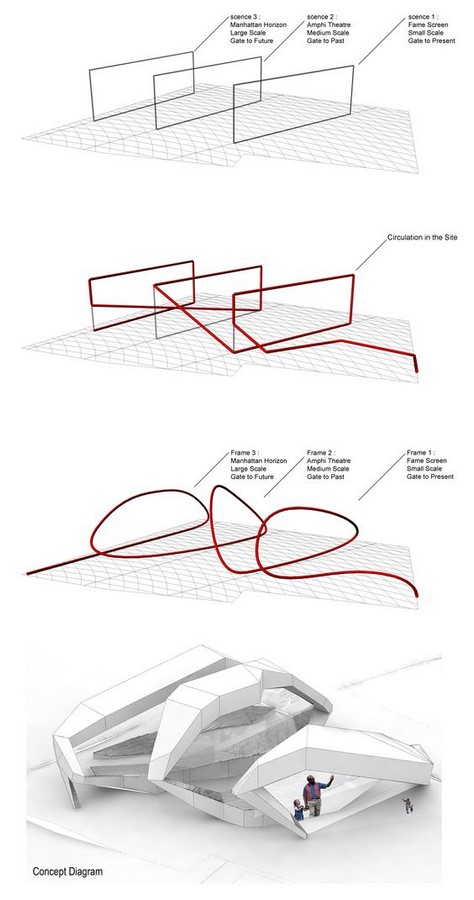
Pros and Cons of designing with a concept - Sheet1
Designing with concepts ©www.pinterest.com

Architectural design decisions are defined and shaped by their concepts. This justifies architecture being strongly justified on their strength. A weak piece of architecture is a result of an underdeveloped and ill-conceived concept. A concept provides clarity and a framework for the design process and presentation of a building. However, it does not have to be a singular ‘big idea’, but also a series of smaller narratives and conceptual scenarios. These drive the project forward and are referred throughout the process; being a guide to help answer questions and make decisions. It is critical to define the design concept and stick to it. If not, the resultant design points towards a project that looks pieced together don’t flow right, and overall doesn’t look consistent. 

A design concept, no matter how large or small, is the catalyst for the inception of a project and its development. 

Objectives and goals are defined at the very beginning of a project that will define its success. A list of needs and wants, a budget, a rough timeline, a site, etc., are all project information that combines to form the project requirements; all of which a design concept must provide for. A good design concept will solve this big complex problem. A concept for the design sets control over the mirage of decisions that can be made in the process of its development. Narrowing down the field of possibilities to reach a cohesive set of guidelines will aid in achieving the larger vision for the project. 

‘Here is one of the few effective keys to the design problem – the ability of the designer to recognize as many of the constraints as possible – his willingness and enthusiasm for working within these constraints – the constraints of price, of size, of strength, balance, of surface, of time, etc. each problem has its peculiar list.’

– Charles Eames (1907-78)
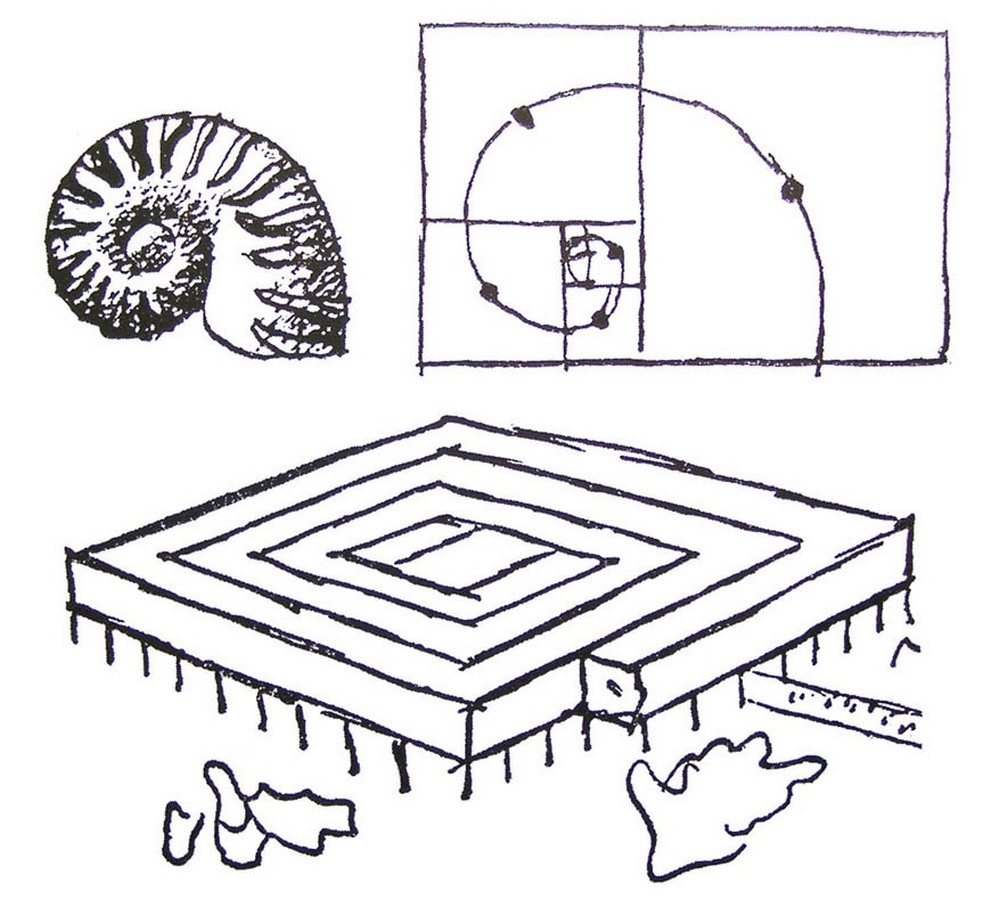
 

Pros and Cons of designing with a concept - Sheet2
Le Corbusier, sketch for the Museum of Unlimited growth, 1931 ©www.inexhibit.com/architects-artists/le-corbusier-architecture-museums-exhibitions/

A concept can be considered as a summarization of the project – identifying the crux of the design, all the various issues it will solve, the different improvements it will make to the society and its ultimate purpose for existence. A clear concept will help in convincing others of the project. It will portray a well-structured thought process, with clarity and a definite purpose, making it easier for others to trust in the project and its reason. This is important because, as architects, we need to convey our idea to our team and our teachers or clients to ultimately see it through construction and its eventual existence.  

When people participate in something, there is a sense of ownership and belonging to that purpose. It is inevitable. A design story or a narrative for the building is a catalyst for creating this sense of participation and dialogue between the building and the masses. For philosophers, architectural critics, theorists, students, and the like, concept is the starting point from where they begin their narration. And as they tell their version of the concept, weaving in probable smaller associated narratives within it, the concept evolves, emitting a sense of pride for the storyteller. Taking this forward, a simple design concept for the building, aids in assuring intellectual public engagement with the building.

Pros and Cons of designing with a concept - Sheet3
Designing with concepts ©www.vectorstock.com/royalty-free-vector/social-media-social-networking-online-community-vector-21718747

This overall concept for the design is the basic DNA of the project – the minute element that is in everything and makes up everything. It shows the overall design intent and provides direction from its initial conceptual stage, early schematic design phase, all the way through construction. Having a unified and cohesive design concept makes all future decisions easier as all the important decisions that would ensure the satisfaction of all project requirements have already been taken. The process then is to simply follow the plan. 

Pros and Cons of designing with a concept - Sheet1
Image 1 – Designing with concepts © www.pinterest.com
Pros and Cons of designing with a concept - Sheet2
Image 2 – Le Corbusier, sketch for the Museum of Unlimited growth, 1931
Pros and Cons of designing with a concept - Sheet3
Image 3 – Designing with concepts
Architecturecohesive designConceptdesignnarrativeprocessproject requirementspublic engagement
Author Naomi Mathew

An architect from Kerala, who best expresses her feelings through doodles and words, Naomi is still in a self-discovering journey, be it through music, traveling, or volunteering. Her positive attitude towards life motivates her to make the world a better place to live in, one step at a time.

Prev Post

How does the cultural diversity in Mumbai reflect in its architecture?

6 Mins Read
Next Post

InterContinental Xi’an North by CCD

7 Mins Read

Related Posts

Why Storytelling Is the Secret Weapon for Modern Design Consultants

June 5, 2026

The Paradox of Planned Heritage Cities: Can Culture Be Designed?

June 5, 2026

Work-from-Anywhere Architecture: Homes Built Around Screens and Calls

May 4, 2026

Multi-Generational Living 2.0: Designing for Care, Conflict, and Privacy

May 4, 2026

Beyond Informality: Rethinking the Creative Economy as Urban Infrastructure

May 2, 2026

Processional Urbanism: The Architecture of Movement and Ritual Memory

May 2, 2026
  • Join Now
  • How to Design Architecture Portfolio
  • The Ultimate Thesis Guide
  • Complete Architecture Package for Design Studios
  • Complete Architecture Package for Students
  • How to Get Your Projects Published | Online Course
  • How To Build A Brand For A Design Studio | Online Course
  • Introduction to Architectural Journalism | Online Course
  • Design Thinking in Architecture | Online Course
  • Introduction to Landscape Architecture | Online Course
  • Introduction to Urban Design | Online Course
  • How to Use Biomimicry in Architecture | Online Course
  • Introduction to Product Design | Online Course
  • How to Design Streets | Online Course
  • Introduction to Passive Design Strategies | Online Course
  • Introduction to Skyscraper Design | Online Course
  • How to Design Affordable Housing | Online Course
  • Complete Guide to Dissertation Writing | Online Course
  • The Ultimate Masters Guide For Architects | Online Course
  • The Perfect Guide to Architecting your Career | Online Course
  • Complete Architecture Package for Design Studios v 3.0
  • Complete Architecture Package for Students v 3.0
  • Test
  • About RTF

    Contact RTF

    RTF Content Policy

    RTF Privacy Policy

    RTF Terms & Condition

  • Facebook
  • Twitter
  • Instagram
  • Pinterest
  • Dribbble
RTF | Rethinking The Future

©2025 Rethinking Internet Media Pvt Ltd All registered. Sitemap

Top
  • Articles by RTF
    • Architecture+
      • Architectural Community
      • Architectural Facts
      • RTF Architectural Reviews
      • Architectural styles
      • City and Architecture
      • Fun & Architecture
      • History of Architecture
    • Design+
      • Design Studio Portfolios
      • Designing for typologies
      • RTF Design Inspiration
    • Art
    • Architecture News
    • Career Advice
    • Case Studies
    • Construction & Materials
    • Covid and Architecture
    • Interior Design
    • Know Your Architects
    • Landscape Architecture
    • Materials & Construction
    • Narratives
    • Product Design
    • RTF Fresh Perspectives
    • Sustainable Architecture
    • Top Architects
    • Technology & Architecture
    • Travel and Architecture
    • Technologies
    • Architectural Insights
  • Awards
    • Rethinking The Future Awards 2022
    • Previous Awards
      • 2021
        • RTF Awards 2021 | Results
        • GADA 2021 | Results
      • 2020
        • RTF Awards 2020 | Results
        • ACD Awards 2020 | Results
      • 2019
        • GADA 2019 | Results
      • 2018
        • ACD Awards 2018 | Results
        • GADA 2018 | Results
      • 2017
        • RTF Awards 2017 | Results
        • RTF Sustainability Awards 2017 | Results
      • 2016
        • RTF Sustainability Awards 2016 | Results
      • 2015
        • RTF Sustainability Awards 2015 | Results
      • 2014
        • RTF Awards 2014 | Results
    • Competitions
      • RTF Architectural Visualization Competition 2020 – Results
      • Architectural Photography Competition 2020 – Results
      • Designer’s Days of Quarantine Contest – Results
      • Urban Sketching Competition May 2020 – Results
      • RTF Essay Writing Competition April 2020 – Results
      • Architectural Photography Competition 2019 – Finalists
  • Courses
    • The Ultimate Thesis Guide
    • Introduction to Landscape Architecture
    • Perfect Guide to Architecting Your Career
    • How to Design Architecture Portfolio
    • How to Design Streets
    • Introduction to Urban Design
    • Introduction to Product Design
    • Complete Guide to Dissertation Writing
    • Introduction to Skyscraper Design
  • Projects
    • Architecture
      • Cultural
      • Commercial
      • Educational
      • Healthcare
      • Hospitality
      • Housing
      • Institutional
      • Mixed Use
      • Office Buildings
      • Public Building
      • Recreation
      • Residential
      • Sports & Recreation
      • Temporary Structure
    • Interior Design
      • Commercial Interior Design
      • Corporate Interior Design
      • Healthcare Interior Design
      • Hospitality Interior Design
      • Residential Interior Design
    • Landscape
    • Product Design
    • Skyscraper
    • Sustainability
    • Transportation
    • Urban Design
  • More
    • Work with RTF
      • Host your Course with RTF
      • Architectural Writing Training Programme | WFH
      • Internships at RTF
        • Editorial Internship | In-office
        • Graphic Design Internship
        • Research Internship | WFH
        • Research Internship | New Delhi
      • Careers
    • RTF | About RTF
    • Submit Your Story
    • Contact
    • Advertise
We use cookies to ensure that we give you the best experience on our website. If you continue to use this site we will assume that you are happy with it.