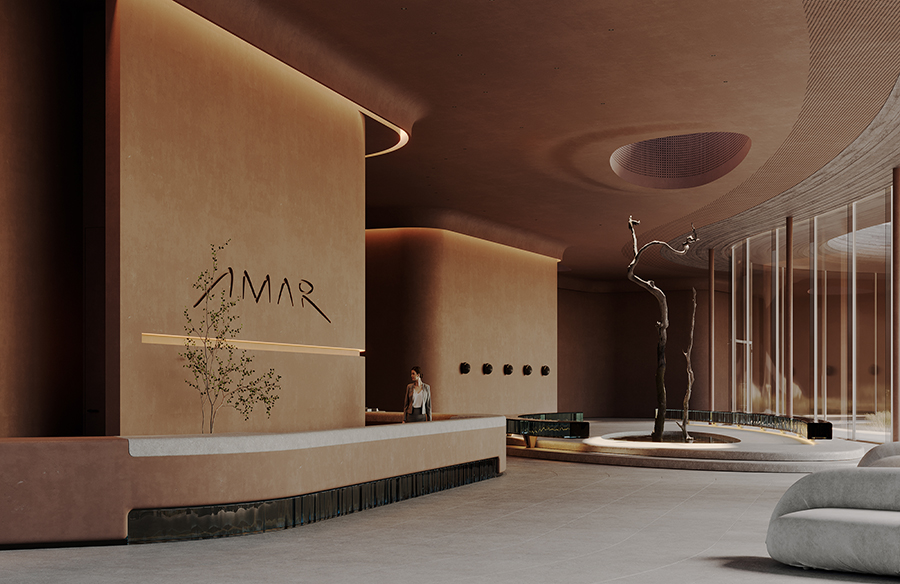
Set along the dramatic shoreline of Lake Baikal — the planet’s deepest and among its most ancient freshwater bodies, protected as a UNESCO World Heritage Site — AMAR is a forward-thinking recreational, educational and eco-tourism destination where nature intertwines with local traditions.
Project Name: AMAR Welcome Center
Studio Name: Babayants Architects
Location: Buryatia, Baikal Harbor Special Economic Zone, “Peski” site
Area: 1300 м2
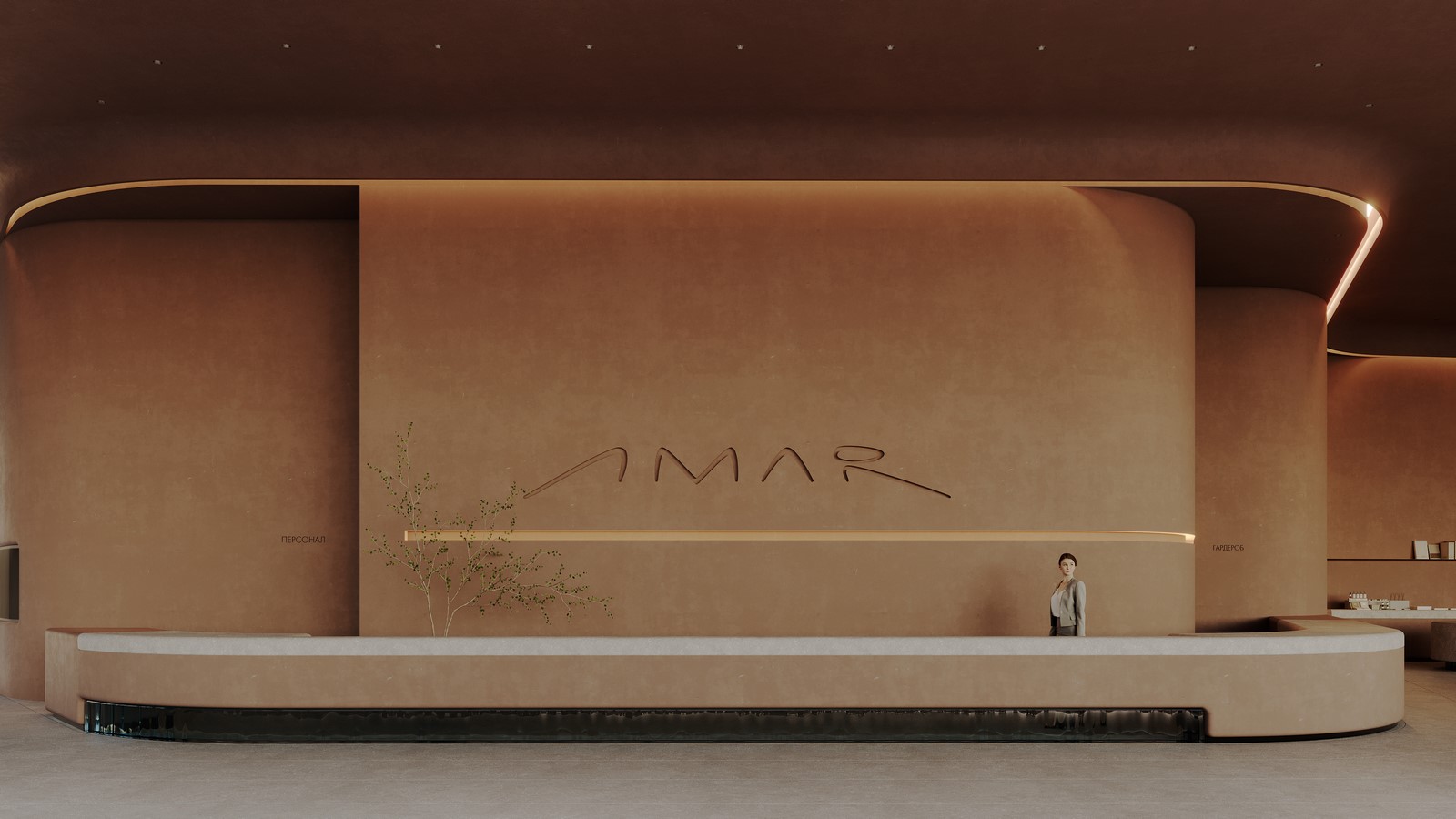
Spanning 280 hectares from the lake’s edge up into the surrounding hills, the project encourages both exploration and contemplation. Located in a secluded area of Buryatia known for its untouched scenery, spiritual resonance, and longstanding indigenous Siberian heritage, the welcome center designed by Babayants Architects marks the beginning of the visitor journey.
At the outset of the project, studio founders Lia and Artem Babayants travelled to Baikal at the client’s request. “It was a long-held dream that came to life at precisely the right time,” they recall. “We felt transported into another realm — one of power, calm, and pristine natural beauty. As we shaped the concept, we allowed ourselves to be fully immersed, letting the interior reflect its essence, contrasts, and rare combinations.”
Connected to myth, ritual, science, and daily life, Lake Baikal is a place where humans and nature are deeply intertwined. Instead of imitating the environment literally, Babayants Architects sought to create an emotional spatial experience that evokes native archetypes — trees, roots, dunes, golden sands, and above all, the ever-shifting lake — encouraging guests to feel part of nature rather than merely observe it.
Interior as an Extension of the Landscape
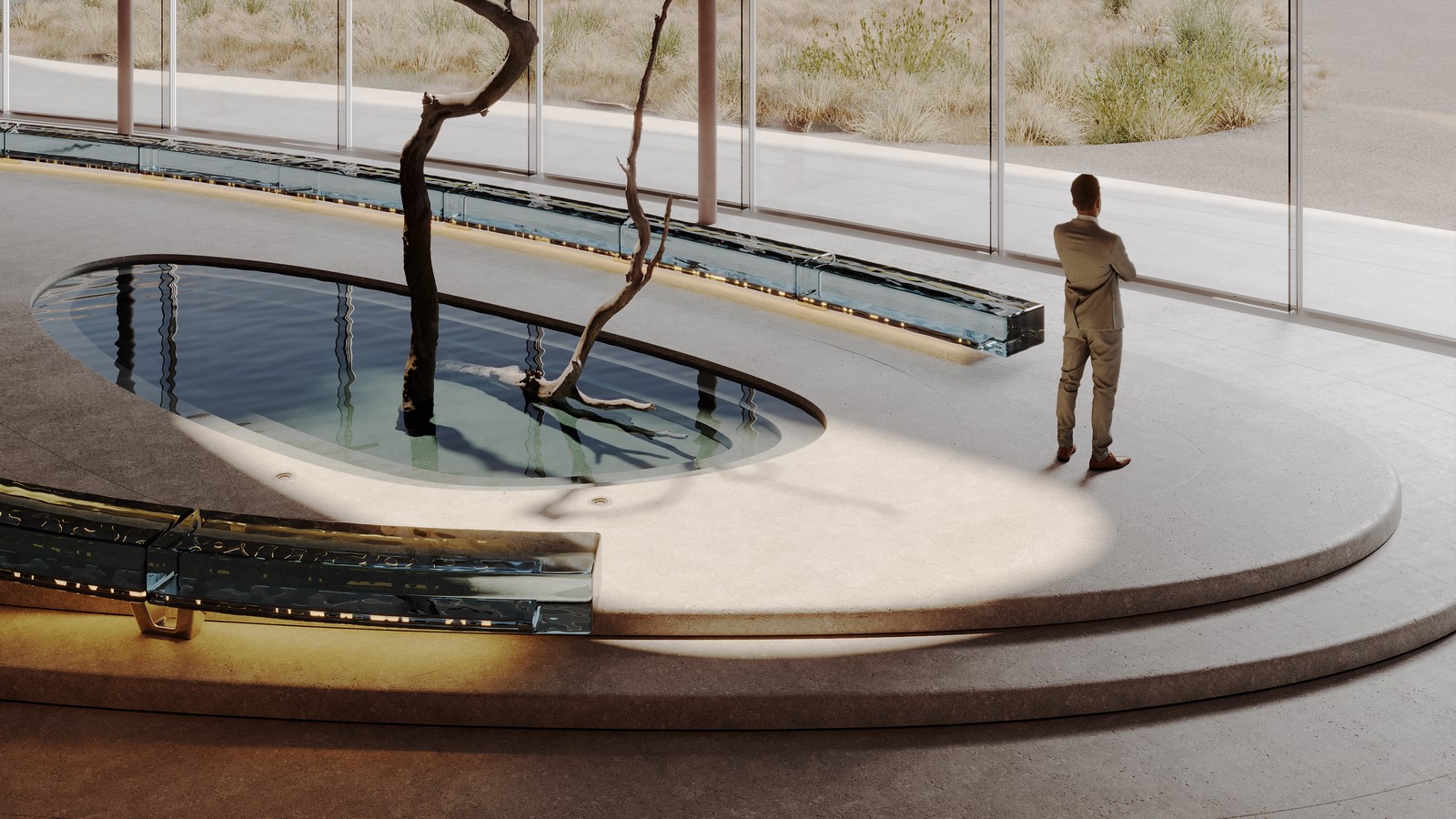
A core ambition was to blur the line between indoors and the surrounding natural context. Through experiments in form, texture, and geometry, a concept gradually emerged. The tree — a dominant local symbol — became the visual and philosophical anchor, inspiring both layout and vertical energy. Its form serves as a metaphor for growth, strength, and renewal — qualities embedded in the AMAR experience.
Archetypes & Visual Codes
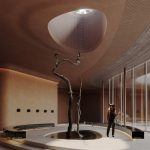
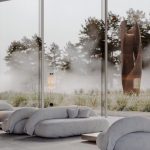
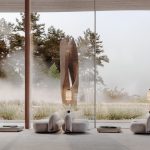
Visitor’s way will pass through a reception composed of soft, layered volumes. Suspended above is a sculptural installation that captures the essence of the local landscape, illuminated by natural light and inviting immersion into Baikal’s complex world.
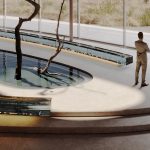
At its emotional center is a water feature giving rise to a “growing” tree, reminiscent of a glowing lantern and drawing the eye inward. Echoes of water continue in glass benches, whose surfaces recall frozen Baikal in winter. The palette blends sandy earth tones with reflective glass to conjure light, depth, and movement
Sculptural Spatiality
The interior is treated like a sculpted object: smooth, flowing lines and measured proportions come together as if carved from a single mass. Contrast is key — warm, sand-hued plaster finishes the walls and ceiling, while cool natural stone grounds the floor. Together they generate a subtle tension of temperature and texture that defines the character of the space.
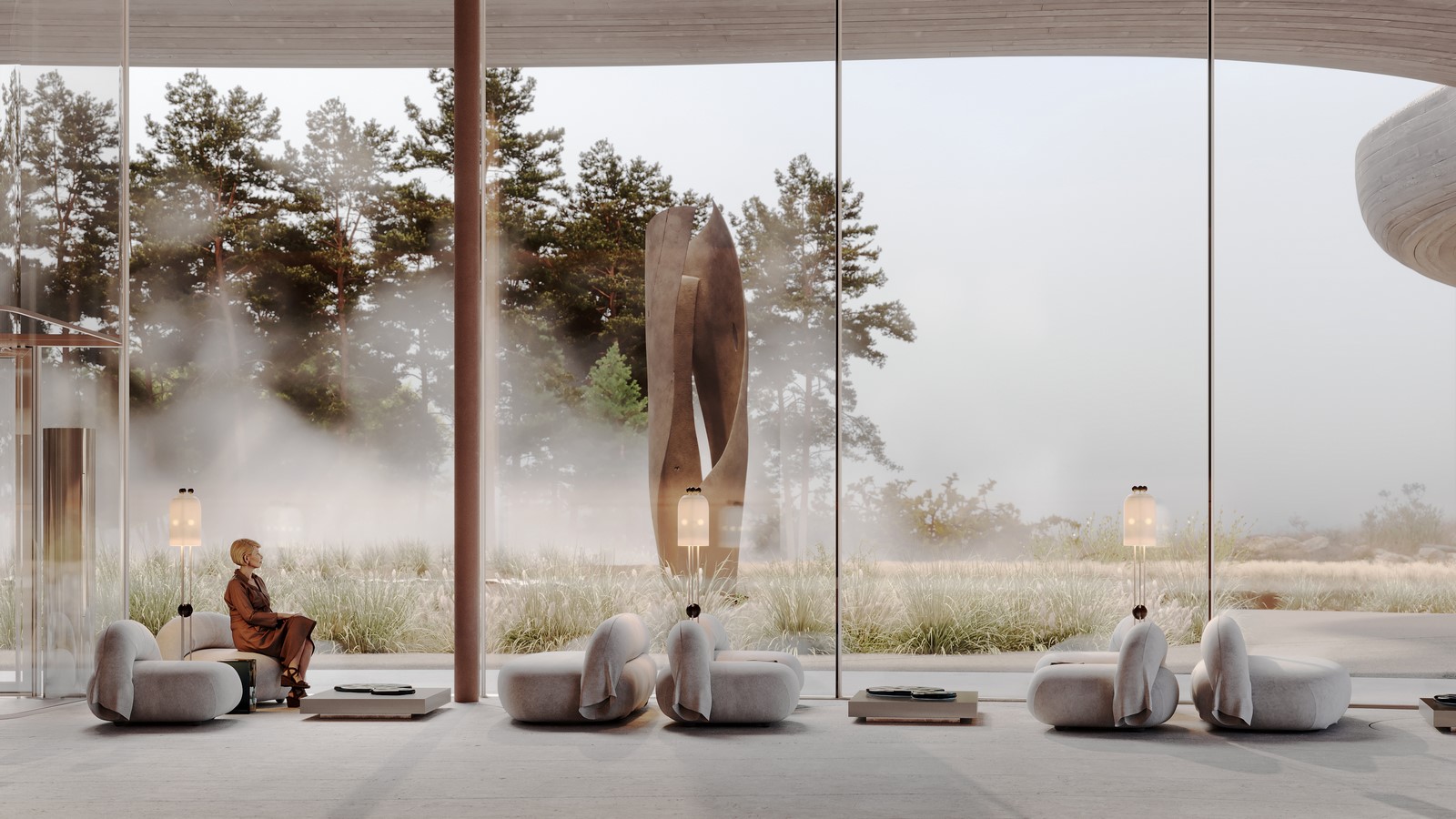
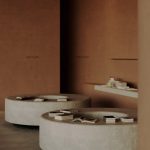
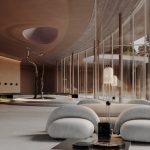
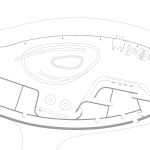
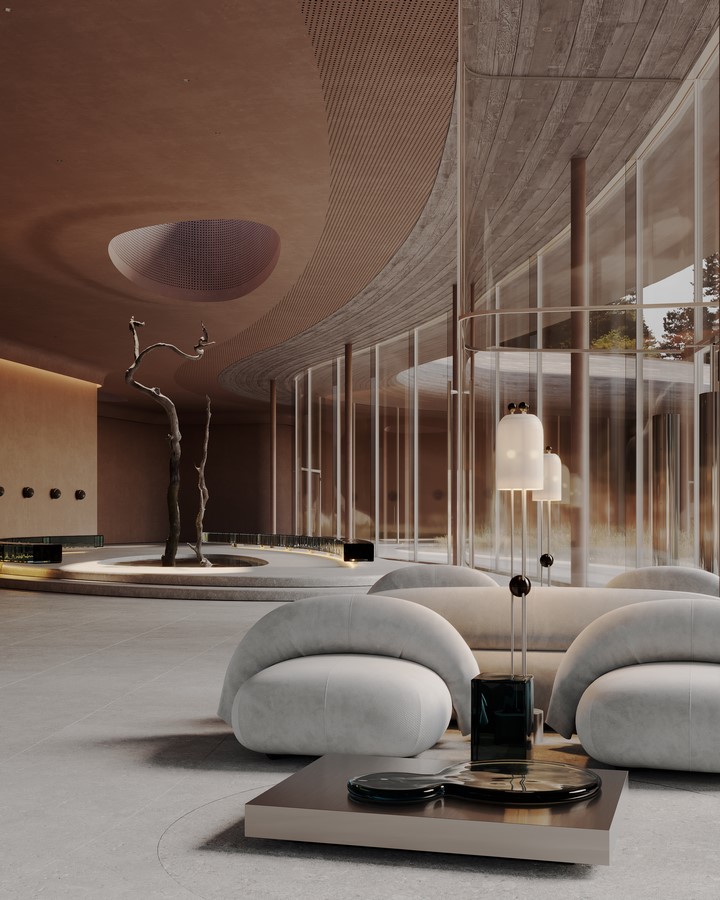
Function is organized via expressive elements woven seamlessly into the architecture: a commercial area unfolds to one side of the reception, while a lounge runs along panoramic glazing, maintaining a constant visual dialogue with the outdoors.
All furnishings were designed from the architects’ sketches. Modular sofas and armchairs from the Citalá collection, with their rounded silhouettes, soft pleats, and elongated armrests, create a relaxed contemporary mood. Wouri coffee tables draw inspiration from water in its mutable states: metal bases appear to float like ice, and vibrant tabletop accents resemble droplets caught mid-motion.
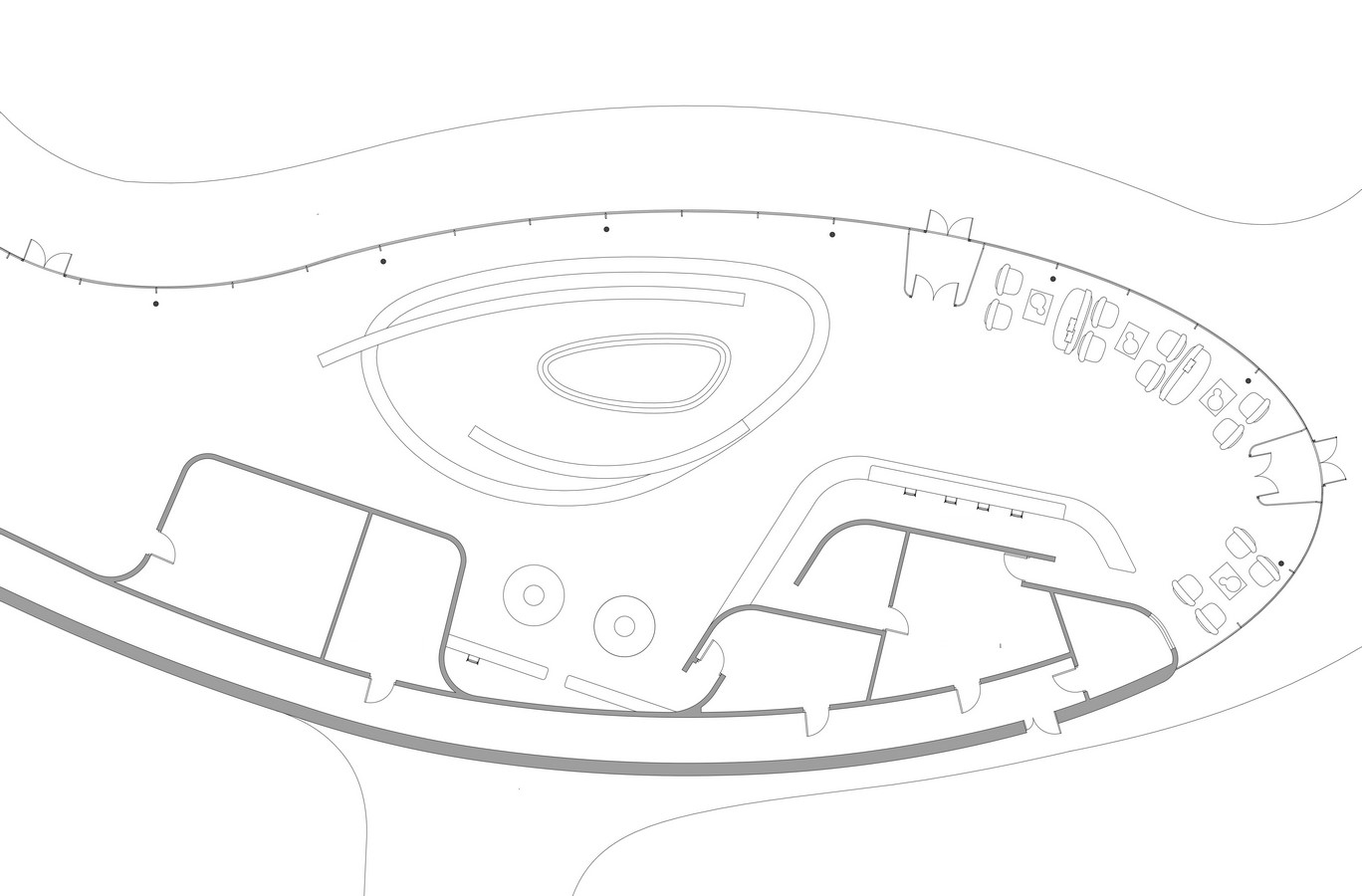
Calm yet emotionally charged, the welcome center’s interior is rich with symbolism and rhythm. It is crafted to inspire respect for place, invite introspection, and spark a meaningful connection with nature. Visitors are encouraged to slow down, engage their senses, and encounter the profound strength, beauty, and spirit of Lake Baikal.