Urban designers often tend to design with the ideology of city planning, large buildings, spaces for several programs, but has anyone ever wondered if the urban design being built does not help its users to overcome their individual loneliness? This is one of the factors that is often neglected to be looked into. Whereas sometimes urban designers do intentionally create some spaces within the city that are completely meant for different functions, but somehow help people overcome their loneliness in this busy environment. As a designer, one should understand how spaces affect the mental well-being of the people using the space. By the term ‘overcoming loneliness, ‘it is not overcoming it by social public interaction and group activities, but a low-stakes holding urban design with multiple elements that does not let you feel left out.
Architectural Anonymity: The Freedom of Being Unseen in Public
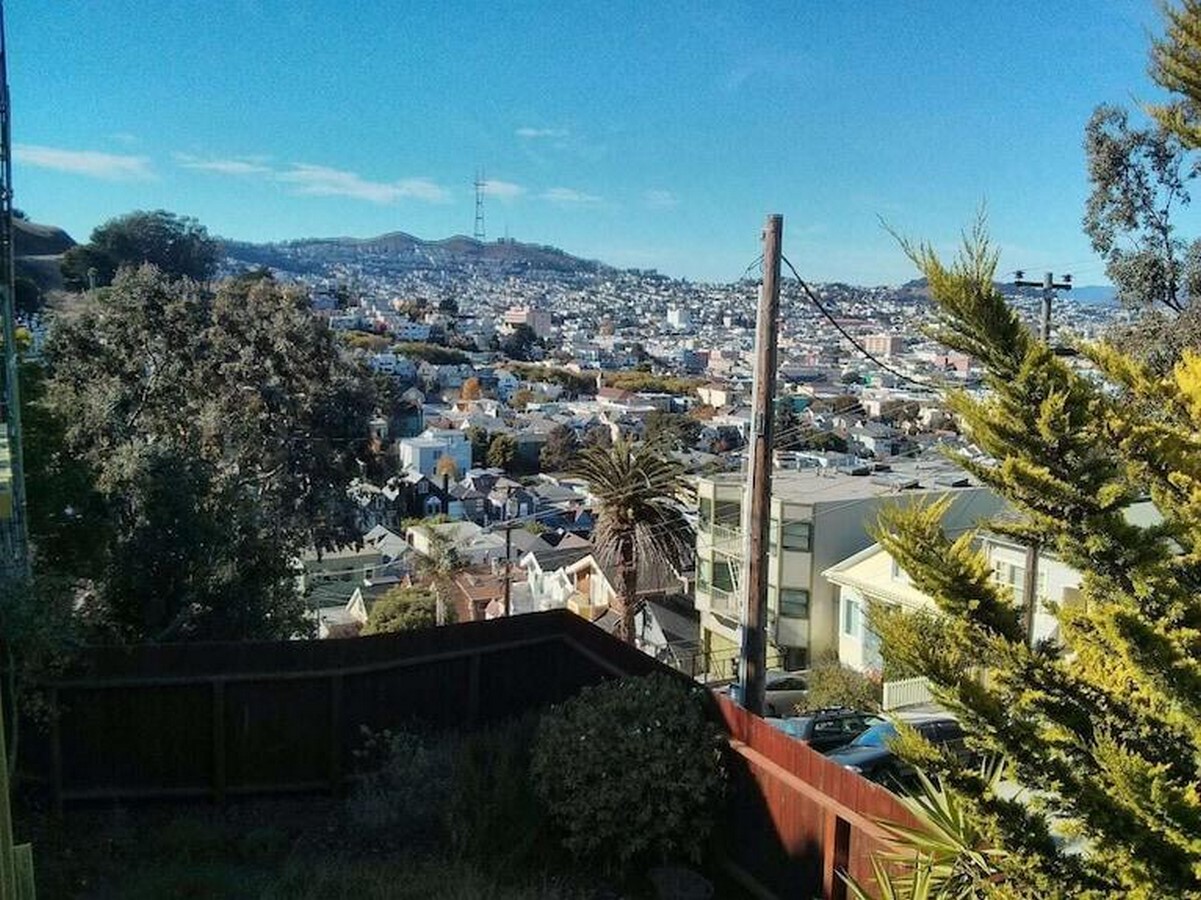
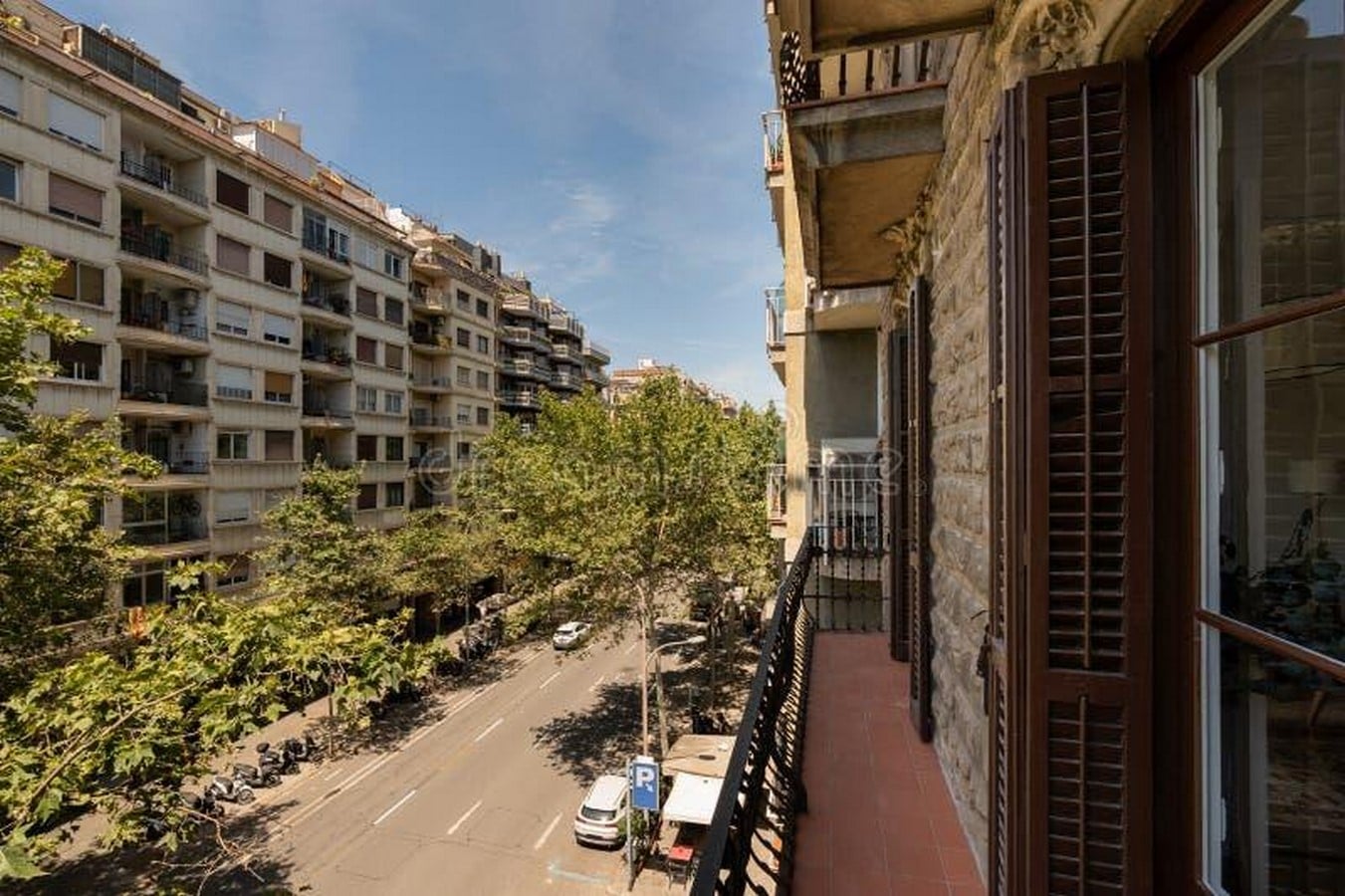
Loneliness should never mean to be alone. Both terms serve different impacts on the human mind. Considering the term ‘being alone’, sometimes it can help an individual to understand the moving world in better ways. The concept of “prospect and refuge” theory in architecture often explains well the fact that not every time an individual needs to be part of public interaction to see and understand it (Manolakelli,2023). As per this theory, separate, uplifted, and distinct spaces are designed, which give a wide vision of urban movement. A hilltop cottage with a wider-angle view of the city below, Cityline, or an extended balcony can be considered as an example to understand how an individual’s loneliness can be overcome without being part of the social nexus of public interactions.
In an architectural context, if a person has a support wall behind him, he is psychologically safe in most cases, which leans more towards the refugee part of the theory. However, a person glancing at an unimpeded view of the “theatre” of the street gives a sense of control and awareness of the surrounding environment. Understanding the fact that overcoming loneliness can be linked with being alone behind the doors of our houses or openly exposed at a metro in a crowd, but in between, can any kind of buffer space be cast to this issue of an individual’s loneliness?
Urban planning breeding or breaking the sense of loneliness
Urban design often exerts a remarkable influence over our social interactions, functioning almost like an invisible puppeteer that orchestrates who meets whom and under what circumstances. Jan Gehl, a pioneering urban designer, has seen that “Life happens on foot. Life takes place when we are moving at the pace of about three miles an hour”. If cities are planned on how cars will move, metro tracks and links will be adjoined rather than a pedestrian focus, not only how people use the spaces, but also how they interact is affected. (Leslie,2025)
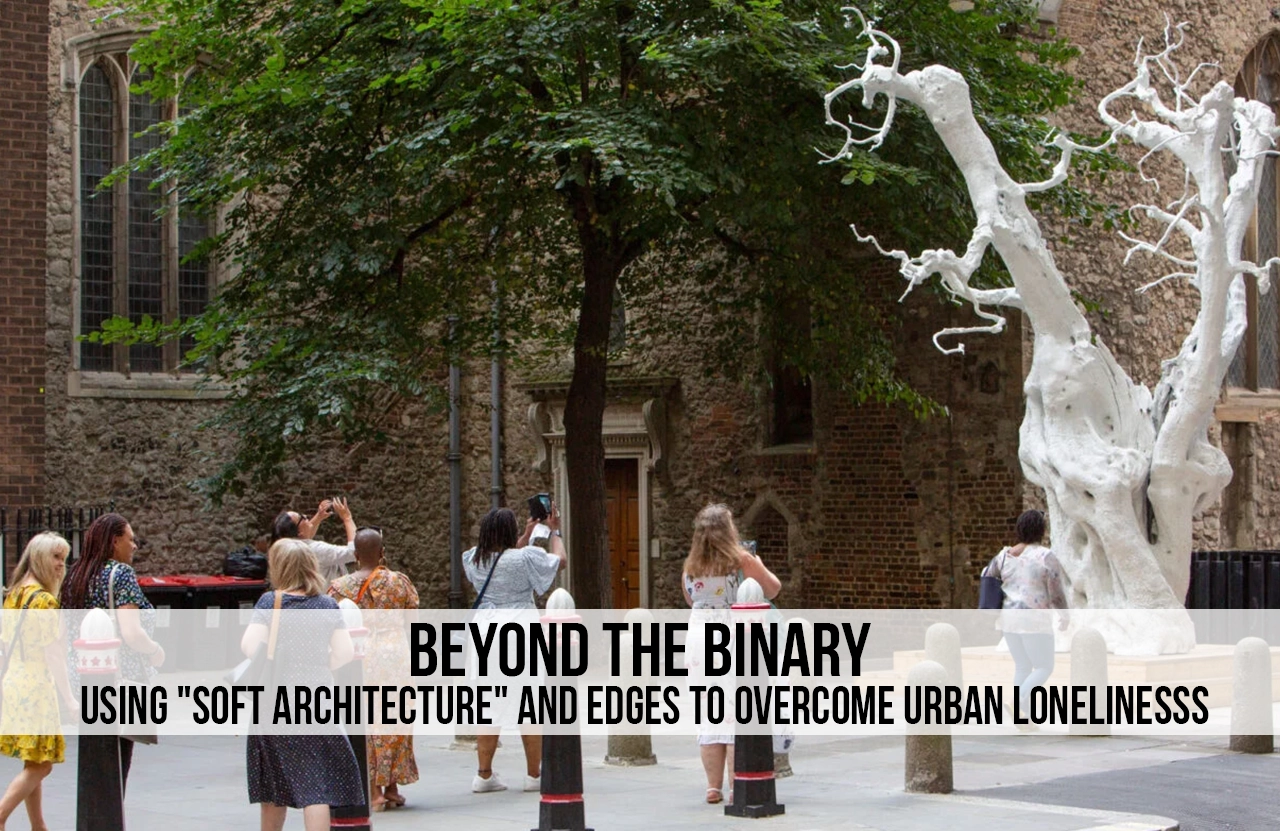
Urban design often consists of multiple elements that are meant to be useful for the public, but people often don’t view it the same way. The resting benches in malls, parks, and courtyards are often seen being used at their edges rather than people sitting in the middle, which creates an edging effect, a fundamental principle of human psychology. This makes it clear that a still wall creates a barrier between urban development and humans, while a thick running edge can create a buffer space for a person to relax and overcome the feeling of loneliness. A wide windowsill deepens the ledge and turns a retaining wall into a tiered seating area, which creates a semi-public buffer escape for loneliness. These “soft” boundaries allow a person to occupy the space without feeling like they are “loitering,” and one can easily become a part of surrounding happenings without being a part of it. (Leslie,2025)
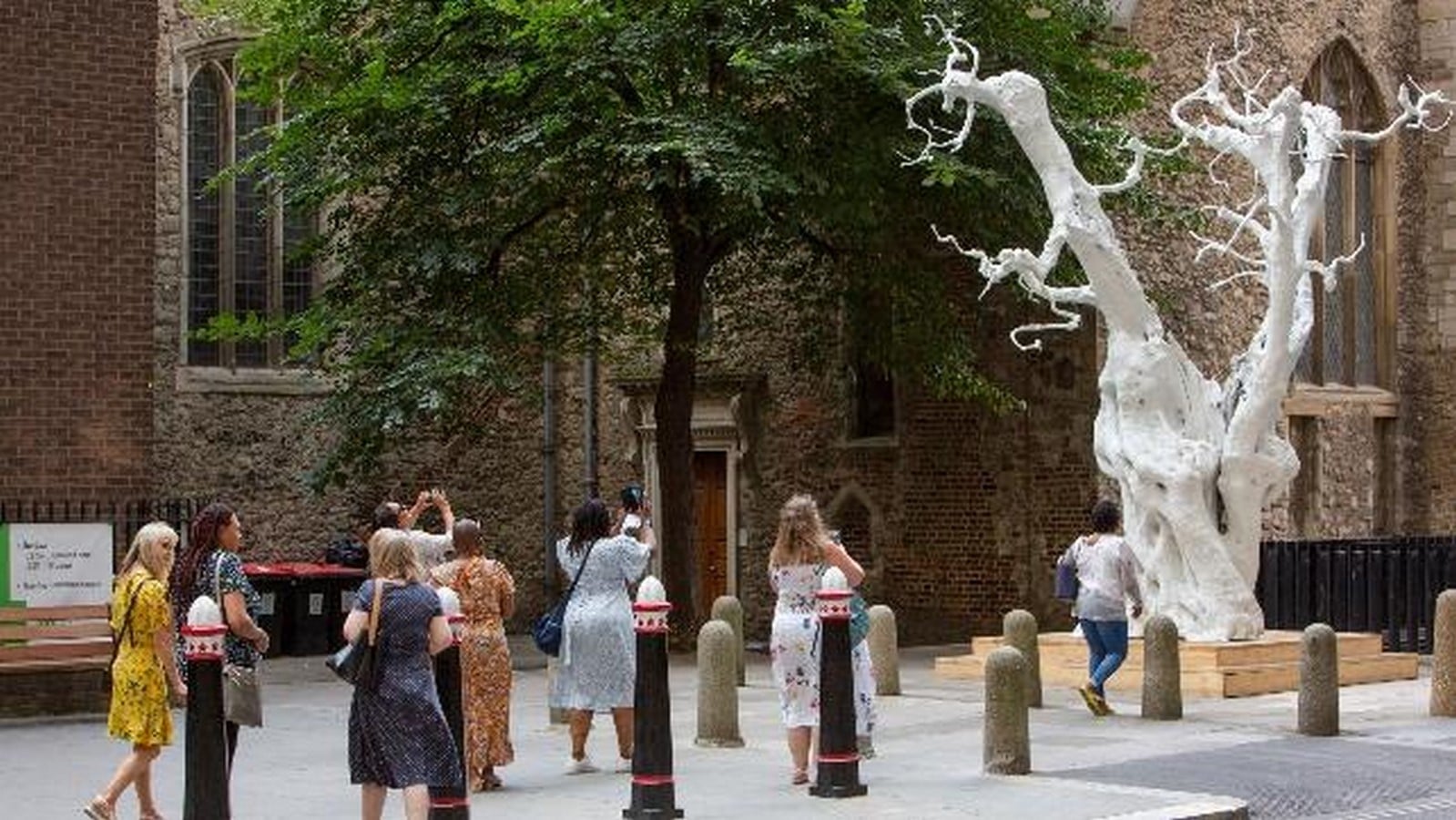
The triangularity concept is often seen to be a gathering point in the city. Urban elemental units, such as a street performance area, a public sculpture, or even a water fountain, function as a link between two different strangers, giving them a shared focal point. This creates a design tactic where an urban element brings different people together and removes the inner loneliness of an individual. The use of greenery or level changes to define space instead of high fences or walls. This makes a space feel semi-private and safe for a loner. (Gulbranson,2019)
Semi -Public spaces in urban context acting as third place
For an individual, his home is in first place, and his workspace is in second place, whereas a need for a third place where the person can relax and overcome the loneliness of mind, which is somehow developed from the first and second place, is a need. The semi-public spaces in a large urban context create a safe environment where an individual can easily remove the feeling of loneliness. The design spaces provide a safe and comfortable environment where an individual can be a part of the world, finding the right balance where one’s presence is confirmed by the people surrounding them, yet privacy is respected. Loneliness is not necessarily to be overcome by public gathering or social comfort, but soft architecture spaces such as community courtyards, open landscape seating, libraries, etc., play a significant role, as they do welcome people together yet provide their own privacy. ( Amirjani, Tabrizi, Kashi, 2025)
Reference List:
- Arch Psych (2022) https://www.archpsych.co.uk/post/prospect-refuge-theory
- Biophilic Products (2023) https://biophilicproducts.org/biophilic-design-blog/biophilic-design-prospect-refuge-theory/
- Perspective Matters (2020): https://medium.com/perspective-matters/the-hidden-architecture-of-loneliness-how-urban-design-shapes-our-social-worlds-291e332db77f
- ScienceDirect (2025) Urban Design and Mental Health: Spatial strategies for social inclusion. Available at: https://www.sciencedirect.com/science/article/pii/S2210670725000332