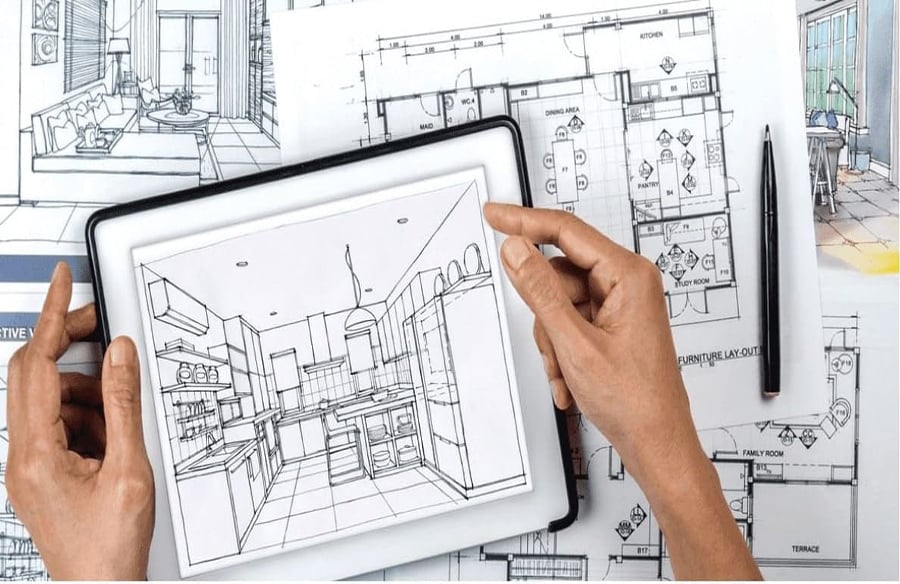
Architects Transitioning to Interior Design After B.Arch – Things Architects can do after B.Arch
As architects explore the diverse pathways available after completing their Bachelor of Architecture (B.Arch), the realm of Interior Design emerges as an intriguing avenue. This article meticulously unpacks the myriad opportunities for architects contemplating a shift towards Interior Design, elucidating the educational, professional, and creative dimensions that define this dynamic field.
1. Master of Interior Design: Elevating Expertise
For architects seeking to delve deeper into the intricacies of interior spaces, pursuing a Master of Interior Design proves to be a transformative journey. This advanced degree equips architects with specialized knowledge in spatial design, material selection, and the art of creating immersive and functional interiors.
2. Spatial Narratives: Crafting Stories within Spaces
Interior Design delves into the art of crafting spatial narratives. Architects transitioning to this field explore the psychology of spaces, understanding how design choices influence human experiences. The M.I.D program emphasizes the creation of environments that tell stories, evoke emotions, and cater to the functional needs of occupants.
3. Human-Centric Design: Prioritizing User Experience
Interior Design places a significant emphasis on human-centric design. Architects specializing in this field learn to prioritize user experience, considering ergonomics, accessibility, and the overall well-being of individuals within a space. This user-centric approach enriches the design process and fosters spaces that resonate with the needs and desires of the occupants.
4. Materiality and Finishes: The Art of Detailing
Architects transitioning to Interior Design gain a heightened appreciation for materiality and finishes. The M.I.D program delves into the intricate details of selecting and specifying materials, understanding their tactile and visual qualities, and mastering the art of creating cohesive and aesthetically pleasing interior environments.
5. Color Psychology and Mood Creation
Interior Designers wield color as a powerful tool in creating mood and atmosphere within spaces. Architects pursuing Interior Design education explore color psychology, learning to leverage hues to evoke emotions, enhance functionality, and establish a visual language that aligns with the intended purpose of each interior.
6. Furniture Design and Customization
The M.I.D program often includes modules on furniture design and customization. Architects transitioning to Interior Design delve into the art of designing bespoke furniture pieces that seamlessly integrate with the overall design scheme. This skill allows them to offer unique and tailored solutions for each interior project.
7. Lighting Design Mastery
Lighting plays a pivotal role in shaping the ambiance of interior spaces. Interior Design education for architects encompasses lighting design principles, from natural to artificial lighting. Architects gain expertise in creating layered lighting schemes that enhance functionality, aesthetics, and the overall atmosphere of interiors.
8. Interior Design Internships: Bridging Academia and Practice
Internships form a crucial bridge between academic learning and practical application. Interior Design internships provide architects with hands-on experience, allowing them to apply theoretical knowledge to real-world projects. This immersion in the field fosters a deeper understanding of the nuances and challenges specific to interior design practice.
9. Sustainability in Interior Design
Sustainability is an integral aspect of contemporary Interior Design. Architects transitioning to this field explore eco-friendly design practices, incorporating sustainable materials, energy-efficient solutions, and environmentally conscious design strategies. This commitment to sustainability aligns with the growing global emphasis on creating environmentally responsible interiors.
10. Entrepreneurial Ventures in Interior Design Consultancy
Armed with a Master of Interior Design, architects can explore entrepreneurial ventures in interior design consultancy. This avenue allows architects to offer their expertise to a diverse range of clients, from residential to commercial projects. Establishing an interior design consultancy provides architects with the autonomy to shape interior environments and cultivate a distinct design identity.
Conclusion: Architectural Expertise Unleashed in Interior Design
The transition from architecture to interior design is a testament to the versatility of architectural expertise. Architects, armed with a Master of Interior Design, bring a unique perspective to the field. Their comprehensive understanding of spatial design, materiality, and the integration of aesthetics and functionality positions them as adept interior designers. As architects embark on this transformative journey, they not only expand their professional repertoire but also contribute to the creation of interior spaces that seamlessly blend creativity, functionality, and a deep understanding of human experience. Interior design becomes a canvas where architects can unleash their design alchemy, transforming spaces into captivating and harmonious environments.