Architect as Artist – Things Architects can do after B.Arch
As architects venture beyond the culmination of their Bachelor of Architecture (B.Arch) degree, a compelling avenue awaits those inclined towards artistic expression – the realm of becoming an artist. This article meticulously examines the diverse opportunities available for architects contemplating a transition to the role of an artist, shedding light on the educational, professional, and creative dimensions that define this transformative journey.
1. Fine Arts Education: Nurturing the Artistic Spirit
For architects seeking to delve deeper into the realm of fine arts, pursuing formal education in this domain becomes a foundational step. A Master’s in Fine Arts (MFA) provides architects with the theoretical and practical knowledge needed to refine their artistic skills, explore diverse mediums, and cultivate a unique artistic voice.
2. Exploring Abstract Expressionism in Art
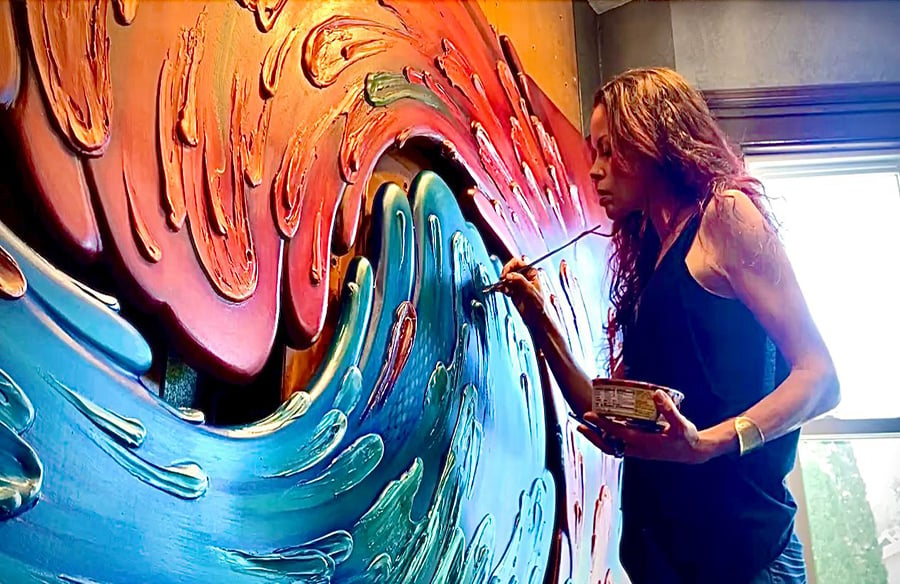
Art offers architects a platform to explore abstract expressionism, transcending the rigid lines and structures often associated with architecture. Through the medium of painting, sculpture, or mixed media, architects as artists can convey emotions, narratives, and perspectives that go beyond the confines of architectural design.
3. Sculpture as a Medium of Architectural Expression
Sculpture presents a dynamic medium for architects to express their artistic sensibilities. The MFA program delves into sculptural techniques, enabling architects to create three-dimensional forms that evoke a sense of space, form, and materiality. Sculpture becomes a tangible manifestation of the architect’s creative exploration.
4. Photography: Capturing Spatial Narratives
Architects, inherently attuned to the nuances of space and form, find photography to be a powerful means of artistic expression. Through the lens, they can capture the essence of architectural spaces, exploring light, shadows, and compositions that transcend the functional aspects of design.
5. Mixed Media Art: Blurring Boundaries
The world of mixed media art allows architects to blend various artistic elements, from drawings and paintings to found objects and digital media. This interdisciplinary approach enables architects to blur the boundaries between architecture and art, fostering a rich and diverse creative practice.
6. Installation Art: Creating Immersive Environments
Architects, well-versed in the creation of spatial experiences, find resonance in the realm of installation art. This form of artistic expression allows architects to design immersive environments that engage viewers on a sensory and experiential level, transcending the conventional constraints of architectural design.
7. Artistic Collaborations with Architects
The intersection of architecture and art provides architects with opportunities for collaborative projects. Working with established artists or within multidisciplinary teams, architects can contribute their unique design sensibilities to art installations, public art projects, or gallery exhibitions, fostering a symbiotic relationship between the two creative domains.
8. Artistic Exploration in Digital Media
The digital age opens up new frontiers for architects turning to art. Digital media, including digital painting, graphic design, and multimedia installations, offers architects a contemporary platform to explore the fusion of technology and artistic expression, creating dynamic and interactive artworks.
9. Art as a Medium for Social Commentary
Art allows architects to engage with societal issues and express commentary on the built environment. Through paintings, sculptures, or installations, architects can address topics such as sustainability, urbanization, and social justice, using their artistic endeavors as a platform for meaningful dialogue.
10. Establishing an Artistic Identity: Solo Exhibitions
For architects committed to a career as artists, solo exhibitions become a pivotal avenue for establishing their artistic identity. These exhibitions serve as a platform to showcase a cohesive body of work, allowing architects to connect with a broader audience, art collectors, and gallery representatives.
Conclusion: Architectural Vision Unleashed in Artistic Expression
The transition from architect to artist unveils a profound journey of creative exploration and self-discovery. Architects, equipped with a keen understanding of spatial dynamics, materiality, and form, bring a unique perspective to the realm of art. The pursuit of fine arts education, coupled with the exploration of diverse mediums, enables architects to transcend the traditional boundaries of architecture, unleashing their architectural vision in the rich tapestry of artistic expression. As architects embark on this transformative journey, they not only redefine their creative identities but also contribute to the vibrant and ever-evolving landscape of contemporary art. Art becomes the canvas where the architect’s imagination and artistic spirit converge, offering a limitless realm for exploration and self-expression.